
7 Differences Between Annual and Non-Annual Killis
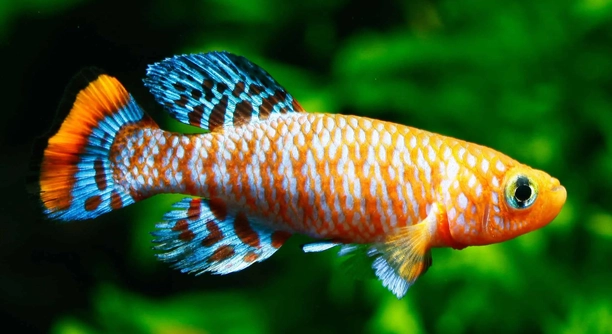
Have you ever kept killifish and noticed that some seem to live much longer or behave differently than others in your tank? Annual and non-annual killifish differ in lifespan, breeding habits, and environmental needs. Annual killis live short lives and spawn quickly, often in temporary waters, while non-annuals live longer and require more stable aquarium … Read more

7 Hacks to Improve Killi Breeding Success

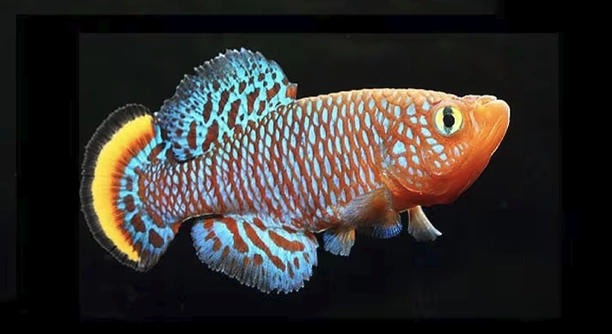
Killi fish breeding can be challenging, especially for beginners looking to improve their success rates. Many enthusiasts seek reliable ways to increase the chances of healthy fry and successful hatching. This article offers practical tips to support better breeding outcomes. Successful killi breeding depends on proper tank setup, water quality, and careful selection of breeding … Read more

7 Best Hiding Spots for Killi Fish Tanks

Killi fish are small, colorful fish that bring life to home aquariums. They enjoy having places to hide, which helps them feel safe and less stressed. Choosing the right hiding spots can improve their overall health and happiness. Providing suitable hiding spots in killi fish tanks supports their natural behavior and reduces stress. Effective hiding … Read more

Can Killi Fish Share a Tank with Loaches?

Killi fish and loaches are popular choices for freshwater aquariums. Many fish keepers enjoy their unique colors and behaviors. Combining different species in one tank often brings up questions about compatibility and care. Killi fish can share a tank with some types of loaches if the environment suits both species. Factors like tank size, hiding … Read more

7 Signs It’s Time to Replace Your Mop

Are your cleaning routines feeling less effective despite regular mopping? Over time, a mop can lose its ability to clean properly and may even spread dirt instead of removing it. Recognizing when to replace your mop can save time and effort. Mops degrade due to wear, buildup of bacteria, and loss of absorbency, which reduces … Read more

Why Do My Killis Jump at Sudden Sounds?

Do you ever find yourself startled when your killifish suddenly jump at the slightest noise near their tank? Killifish often jump at sudden sounds due to their heightened sensitivity to vibrations and movement in their environment. This natural reaction is part of a survival instinct that helps them avoid potential predators in the wild. Understanding … Read more

7 Signs of a Well-Balanced Killi Tank

Keeping a killifish tank well-balanced is key to maintaining healthy and vibrant fish. Many hobbyists work hard to create a stable environment where killis can thrive. Understanding the signs of a well-maintained tank helps ensure their wellbeing. A well-balanced killifish tank shows clear water, stable temperature, proper pH levels, balanced nutrition, active fish behavior, healthy … Read more

Can You Breed Killis Without Conditioning?

Have you ever kept killifish and wondered if skipping the conditioning process would still lead to successful breeding? Some fish keepers prefer a more relaxed approach, especially when managing multiple tanks or tight schedules. Killifish can breed without conditioning, but the results are often inconsistent. Conditioning enhances reproductive success by improving health, increasing egg production, … Read more

Should You Use Tap Water for Killifish?

Keeping killifish healthy starts with understanding their water needs. Many fishkeepers wonder if tap water is suitable for these delicate fish. The quality and treatment of tap water can affect their well-being in subtle ways. Tap water can be used for killifish if properly treated to remove chlorine, chloramine, and heavy metals. Testing and adjusting … Read more

7 Best Practices for Raising Killi Fry

Raising killi fry can be a rewarding experience for any fish enthusiast. These small fish require careful attention during their early stages of life. Proper care helps ensure they grow healthy and strong. The best practices for raising killi fry include maintaining clean water, providing appropriate food, controlling temperature, and creating a safe environment. These … Read more