
Have you ever kept killifish and noticed that some seem to live much longer or behave differently than others in your tank?
Annual and non-annual killifish differ in lifespan, breeding habits, and environmental needs. Annual killis live short lives and spawn quickly, often in temporary waters, while non-annuals live longer and require more stable aquarium conditions.
Learning these differences helps you better care for your fish and choose the right species for your aquarium goals.
Lifespan and Natural Habitat
Annual killifish are known for their short lifespans. In the wild, they live for only a few months due to the temporary nature of their habitats, such as seasonal ponds that dry up quickly. These fish grow fast, reach maturity in just a few weeks, and spend most of their time preparing to reproduce. Non-annual killifish, on the other hand, can live for several years. They come from more stable environments like streams and wetlands that don’t disappear with the seasons. Because of this, non-annual killis develop more slowly and live longer lives, giving them a more relaxed life cycle. Understanding this helps you decide which type of killi fits best in your tank, especially if you prefer longer-term pets. Their natural environments play a major role in shaping their behaviors and needs, so knowing where they come from makes it easier to recreate a suitable habitat at home.
Annual killis usually live around 3 to 9 months, while non-annual killis can live for 2 to 5 years depending on the species and care.
When planning your aquarium, it helps to consider how each fish’s natural habitat affects its health and daily routine. Annual killis will need conditions that mimic temporary pools, while non-annuals do better in steady environments. Warmer temperatures, regular light cycles, and soft water suit annual killis well. For non-annuals, moderate lighting, steady temperatures, and planted setups work best. They tend to appreciate more hiding spots and gentle filtration. Knowing this lets you build a space that supports their health and natural instincts. It also prevents stress-related issues that may come up in a poorly planned tank. Though both are beautiful and fascinating, each type thrives under different care approaches.
Reproduction and Egg Development
Annual killis lay eggs that survive dry periods, while non-annual killis need water for their eggs to develop and hatch properly.
Annual killifish have a unique way of reproducing. In the wild, their ponds dry up, so they lay eggs that can survive out of water for months. These eggs enter a resting stage called diapause, which allows them to hatch only when water returns. This means you can collect and dry the eggs, then rehydrate them weeks or months later to trigger hatching. It’s a fascinating process that mirrors their wild conditions. In contrast, non-annual killifish lay eggs that must stay in water. These eggs are delicate and can’t survive dry periods. They usually hatch within a couple of weeks in stable, moist conditions. For breeders, this means different approaches: with annuals, you’ll need to manage drying and rewetting cycles, while with non-annuals, consistent water parameters and gentle care will help ensure healthy fry. Understanding these needs can improve hatching success and reduce egg loss.
Appearance and Size
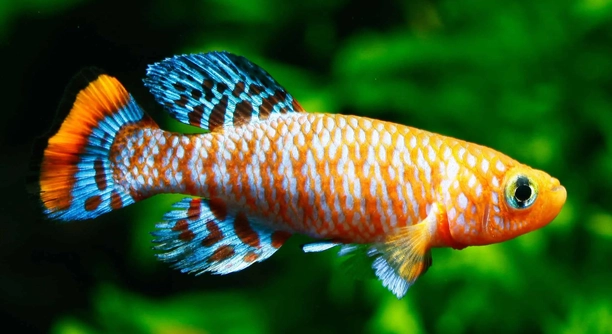
Annual killis often have brighter colors and more striking patterns compared to non-annuals. Their short lifespans lead to fast development, and they display full coloration within weeks. Non-annual killis are still colorful but usually less vivid and take more time to reach full appearance.
Many annual killifish species are smaller in size, ranging between 1 to 2 inches. Their compact bodies are paired with intense colors that serve both for mating and for quick recognition in temporary, murky habitats. Males are often more vibrant than females, especially during breeding periods. On the other hand, non-annual killis may grow slightly larger, sometimes reaching up to 3 inches depending on the species. Their colors can still be attractive but are usually more subtle. These fish tend to show their full color slowly over time, which pairs well with their longer life cycle and more stable environments.
Annual killifish typically develop faster and show off their adult features quickly because they have limited time to reproduce. Their tails, fins, and bodies often display exaggerated shapes and vivid contrasts. This visual intensity is a survival strategy in fast-paced ecosystems where every day counts. In contrast, non-annual killifish have more understated beauty, with patterns that may become clearer as they mature. Their fins tend to be slightly less dramatic, and their coloration can shift depending on mood, health, and tank conditions. Watching a non-annual killi slowly grow into its full appearance can be just as rewarding, especially if you enjoy long-term fishkeeping and want to observe gradual changes.
Behavior and Temperament
Annual killifish are usually more active and bold, especially males during breeding. They show quick, sharp movements and can be territorial. Non-annual killifish behave more calmly and tend to establish quieter social patterns over time.
Annual killis often live fast-paced lives, which reflects in their behavior. Males may chase or display to females frequently, and they sometimes challenge other males if housed together. Their bold nature and quick energy mean they do best in species-only tanks or with plenty of hiding spaces. On the other hand, non-annual killis behave more slowly and seem to “settle in” over time. They’re generally peaceful, especially when kept in pairs or small groups. Some species do well in community tanks, though they still prefer soft lighting and gentle tank mates. Their calm presence can be a good match for aquarists who like to observe subtle interactions without too much drama.
Feeding Habits
Annual killis tend to eat aggressively and show strong hunting behavior, often chasing live or frozen food as soon as it hits the water. Their high energy and short lifespans make them quick and eager feeders that rarely hesitate at mealtime.
Non-annual killis eat more slowly and may take time to recognize new foods. They usually prefer a calm feeding routine and do better with soft live or frozen food like brine shrimp or bloodworms. Their feeding habits reflect their more relaxed lifestyle and slower growth.
Tank Setup Needs
Annual killifish thrive in simple setups with soft, slightly acidic water, and minimal filtration. They appreciate shallow tanks with mosses or spawning mops for egg-laying. Since they live short lives, their tanks can be temporary or species-specific. Non-annual killis prefer stable tanks with plants, dim lighting, and gentle water flow. A secure lid is important, as both types are known to jump. While annuals do well in smaller tanks, non-annuals benefit from more space and consistent parameters. Their environments should feel calm and natural to help them feel safe and display their best behavior.
Availability and Cost
Annual killis are more common in hobbyist circles and often available through breeders at affordable prices. Non-annual killis may cost more and are sometimes harder to find in regular pet stores.
FAQ
Can I keep annual and non-annual killifish in the same tank?
It’s not recommended. Annual and non-annual killifish have different care needs and temperaments. Annual killis tend to be more active, territorial, and short-lived, while non-annuals prefer stability and live longer. Housing them together may lead to stress or aggression. It’s best to set up separate tanks to meet their individual needs. This also helps you maintain different water parameters and feeding routines suited to each type.
Do annual killifish need a filter or heater?
Annual killis can live without filters in carefully managed setups, but a sponge filter is helpful for water movement and oxygen. They prefer soft, slightly acidic water and warmer temperatures between 72–78°F. A heater is usually needed to keep the water stable, especially in cooler climates. Since these fish are sensitive to water quality, regular water changes are important. Even if the setup is simple, clean conditions are key to keeping them healthy during their short lives.
How do I hatch annual killifish eggs?
Hatching annual killifish eggs involves a dry incubation stage. After the eggs are laid, they need to be stored in moist peat moss for several weeks or months, depending on the species. Keep the peat moist but not wet, and check for signs of eye development in the eggs. Once developed, rehydrate the peat in warm, dechlorinated water. Most eggs will hatch within a day or two. This method may sound unusual, but it’s natural for annual killis and mimics their wild environment.
How long does it take non-annual killifish eggs to hatch?
Non-annual killifish eggs stay in water and usually hatch within two to four weeks. The exact time depends on species and water conditions. Warmer temperatures may speed up the process, but sudden changes can harm the eggs. A stable environment with gentle water flow helps them develop properly. Non-annual killis don’t need a dry stage, so the process is simpler but requires consistent care and protection from fungus or predators like snails. It’s helpful to use a separate hatching container or breeding box.
Are killifish good for beginners?
Some species can be good for beginners, but it depends on the type. Annual killis are beautiful and breed easily, but their short lives and unique hatching process may feel challenging. Non-annual killis are peaceful and live longer, but they often need stable water and may be harder to find. Beginners who enjoy learning new routines and don’t mind a little extra care can do well with either type. Starting with a hardy, commonly bred species is usually best.
Can killifish live in community tanks?
Non-annual killifish are more suited for community tanks if their tank mates are peaceful and small. They don’t like strong currents or aggressive fish. Annual killifish are best kept alone or in species-only tanks, especially males, who may fight or nip. Their short lifespans and focused breeding behaviors also make them harder to fit into long-term community setups. If you want to try a community tank, research the specific species and choose calm, compatible tank mates.
How often do killifish need to be fed?
Feed adult killifish once or twice a day. They prefer live or frozen foods like brine shrimp, daphnia, or bloodworms. Avoid overfeeding, especially in small tanks. Young killifish may need more frequent feeding to grow properly. Try to offer a variety of foods to meet their nutritional needs. Dry food can be used, but many killifish ignore flakes or pellets. A high-protein diet keeps them active and healthy. Clean up uneaten food to avoid water quality issues.
Final Thoughts
Annual and non-annual killifish may look similar at first, but they are very different when it comes to care, lifespan, and behavior. Understanding these differences is important if you want to keep them healthy and happy. Annual killis live fast, colorful lives and are great if you enjoy breeding projects or short-term setups. Non-annual killis offer a more steady experience, with longer lifespans and calmer behavior. Both types can be rewarding, but each one suits a different kind of aquarist. Taking time to learn about them before you buy will help avoid stress for both you and the fish.
Annual killifish are often more active and bold, while non-annuals are slower and more peaceful. They also need different types of breeding setups. Annuals require you to dry and store their eggs, while non-annuals lay eggs that stay in water. This is one of the biggest differences and a big factor in deciding which type fits your interest. Tank conditions also vary. Annual killis can do well in simple, temporary tanks, while non-annual killis need more stable environments with plants and gentle filtration. Feeding habits are similar, but annual killis tend to eat more aggressively and need more energy because of their short lives.
Choosing between annual and non-annual killifish comes down to your goals and experience. If you want a low-commitment fish with colorful patterns and are okay with a short lifespan, an annual killi might be a good choice. If you prefer a longer-living pet and a slower pace, non-annual killis could be a better match. Neither one is better than the other—they just offer different things. Many people enjoy keeping both types in separate tanks and learning about their unique habits. Whether you’re a beginner or more experienced, paying attention to their needs will help you get the most out of the experience. These small fish may be short-lived or long-lived, bold or calm, but with the right care, both types can bring life and interest to your tank.

Hello,
If you enjoy the content that we create, please consider saying a "Thank You!" by leaving a tip.
Every little bit helps us continue crafting quality advice that supports the health, happiness, and well-being of pets around the world, for pets of all shapes, sizes, and species.
We really appreciate the kindness and support that you show us!