7 Fallback Hiding Zones Every Cichlid Uses

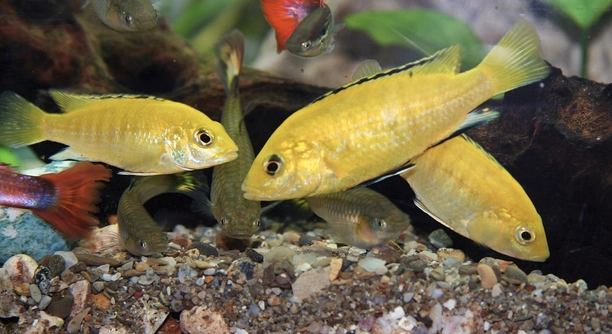
Do you ever notice your cichlid suddenly disappear behind rocks or decorations in its tank? These fish have natural instincts to seek shelter when they feel threatened or need privacy in their environment. Cichlids utilize specific fallback hiding zones to reduce stress and maintain territorial control. Common areas include caves, dense plants, rock crevices, overhangs, … Read more

7 Best Spots to Place Decorations for Cichlids

Do you ever wonder how to make your cichlid tank more comfortable and natural? Creating a well-decorated space can help your fish feel secure while also enhancing the overall look of your aquarium. The best spots to place decorations for cichlids are areas that provide hiding spaces, territorial boundaries, and open swimming zones. Rocks, caves, … Read more

Can Electric Yellow Cichlids Live With Shrimp? (Guide)

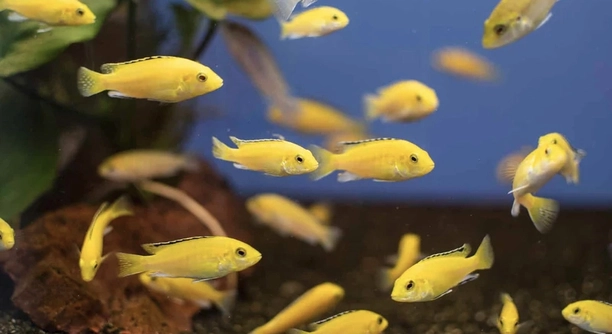
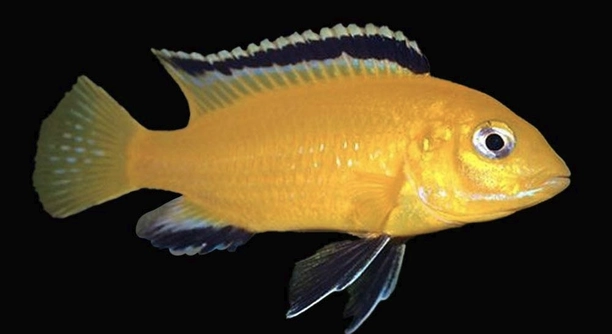
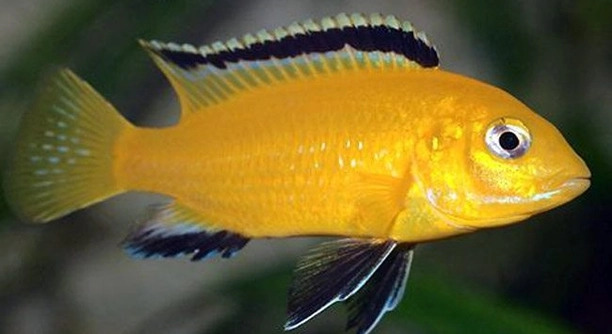
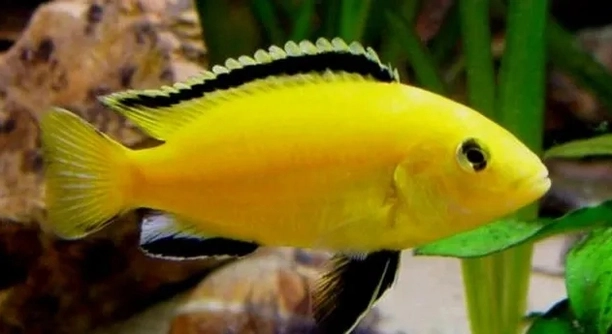
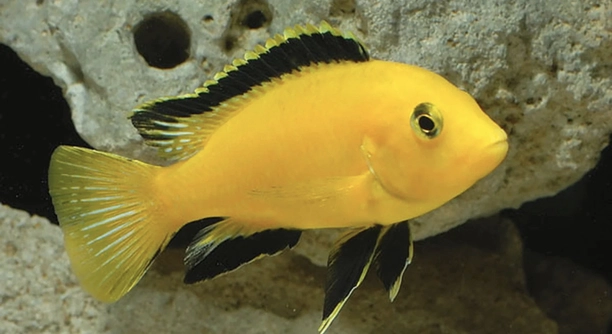
Electric Yellow Cichlids are a vibrant and popular choice for many freshwater aquariums. Their bright colors and active behavior make them a joy to watch, but caring for them alongside other species requires careful planning. Understanding tank dynamics is important. Electric Yellow Cichlids can coexist with shrimp under specific conditions. Careful selection of tank size, … Read more

7 Reasons Your Cichlid Hates Tank Rearrangements

Are your cichlids acting stressed or hiding after you rearrange their tank? Many fish show signs of discomfort when familiar surroundings change. Even minor adjustments can disrupt their routine and make them uneasy in their environment. Cichlids often react negatively to tank rearrangements due to territorial instincts, established hierarchies, and environmental stress. Sudden changes in … Read more

7 Flick Movements That Mean More Than You Think

Do you ever notice small flick movements in everyday life and feel like they might mean something more than simple habit. These quick gestures often pass unnoticed, yet they can quietly express feelings, thoughts, and reactions. Flick movements often function as subconscious signals that reveal emotional states and underlying intentions. These gestures are commonly linked … Read more

7 Color Signs to Watch in Male Cichlids

Male cichlids are known for their bright colors, which can be a sign of health, mood, or breeding readiness. Watching these color changes can help you understand their needs and ensure a balanced aquarium environment. Male cichlids display seven key color signs that indicate stress, aggression, health, or readiness to breed. Observing these patterns closely … Read more

7 Reasons Electric Yellow Cichlids Are Digging Gravel

Electric yellow cichlids are lively fish that often attract attention in home aquariums. Many owners notice these fish frequently digging in the gravel, creating small craters and moving substrate around. This behavior can seem puzzling at first. Electric yellow cichlids dig gravel primarily as a natural instinct for territory establishment and environmental enrichment. They move … Read more

Why 7 Inches of Tank Depth Matters for Comfort

Are you setting up a new tank but unsure how deep it should be for comfort? Tank depth plays a bigger role than many realize in creating a healthy, stress-free environment for aquatic pets. Seven inches of tank depth provides sufficient space for swimming while supporting proper water circulation and temperature stability. This depth helps … Read more

7 Feeding Methods to Try With Floating Food

Are your fish mealtime routines feeling a bit repetitive? Floating food can make feeding more interactive and engaging for your aquatic pets. Experimenting with different techniques adds variety while encouraging natural behaviors and activity in your tank. Floating food can be offered through multiple methods including hand feeding, feeding rings, skimmer use, slow-release feeders, target … Read more

7 Feeding Errors That Cause Unexpected Aggression

Do you ever notice sudden aggressive behavior in your pet after meals and struggle to understand the cause. Feeding mistakes often play a quiet role in behavior changes and daily stress. Improper feeding routines can trigger unexpected aggression by causing blood sugar spikes, digestive discomfort, and nutritional imbalances. Inconsistent meal timing and incorrect portion sizes … Read more