
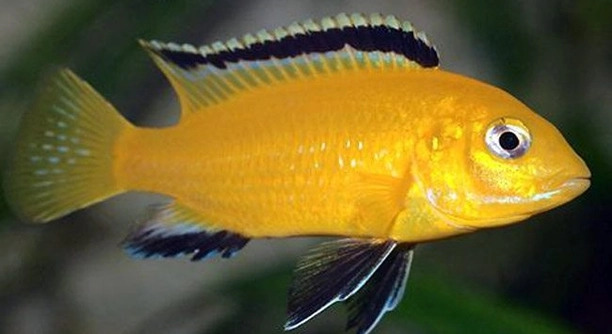
Are your cichlids acting stressed or hiding after you rearrange their tank? Many fish show signs of discomfort when familiar surroundings change. Even minor adjustments can disrupt their routine and make them uneasy in their environment.
Cichlids often react negatively to tank rearrangements due to territorial instincts, established hierarchies, and environmental stress. Sudden changes in layout, decorations, or hiding spots can cause anxiety, reduce feeding, and trigger aggression, affecting both their health and behavior.
Understanding these triggers helps you create a stable habitat. Recognizing why cichlids dislike change will improve their well-being and tank harmony.
Territorial Instincts
Cichlids are naturally territorial creatures. When you move decorations, rocks, or plants, they lose familiar boundaries they rely on to feel secure. This can lead to aggression toward tank mates or constant hiding. Even slight changes, like shifting a single stone, may cause stress. Establishing and respecting their territories helps reduce conflicts and keeps them calm. Some species are more sensitive than others, and recognizing which fish react strongly can guide how you manage tank rearrangements. Maintaining consistent hiding spots and visual barriers allows them to feel safe while exploring. Over time, gradual changes are easier for cichlids to accept, reducing stress and preventing aggressive encounters. Regular observation helps you understand their comfort levels and adjust the environment appropriately, balancing aesthetics with their natural instincts. Consistent tank layout encourages feeding, reduces erratic swimming, and supports overall health. Respecting their territorial nature creates a peaceful and thriving community in your aquarium.
Territorial behavior explains why sudden layout changes provoke strong reactions. Stability and consistent boundaries are essential for cichlid well-being.
Gradual adjustments, like moving rocks slightly over days, help cichlids adapt. Ensuring each fish retains a private space prevents stress-related health issues. Providing multiple hiding spots reduces competition and allows shy individuals to recover from disturbances. Observing their behavior during and after changes guides future rearrangements.
Sensory Overload
Cichlids rely on sight, smell, and touch to navigate their environment. Rearranging a tank introduces new visual stimuli and unfamiliar surfaces, which can overwhelm their senses.
Sudden changes in their surroundings create anxiety, making them less active and more prone to hiding.
Excessive sensory input disrupts established routines. A cichlid accustomed to familiar landmarks may struggle to locate food or recognize safe zones after rearrangements. This can lead to reduced appetite and increased stress. Colorful decorations or new objects can seem threatening, triggering defensive behaviors. Lighting changes or reflections from moved decorations also add to confusion. To minimize sensory overload, introduce changes gradually, one element at a time. Monitoring their reactions helps ensure they adjust comfortably. Using neutral colors and maintaining stable lighting reduces visual stress. Over time, cichlids become accustomed to minor modifications, but abrupt, large-scale changes continue to provoke anxiety. Supporting a stable sensory environment promotes natural behavior, healthier feeding habits, and overall contentment.
Loss of Familiar Hiding Spots
Cichlids need secure areas to retreat when stressed. Moving or removing caves, plants, or rocks can make them feel exposed and vulnerable.
Hiding spots are essential for cichlids to manage stress and establish their territory. When familiar shelters are changed or removed, fish may spend excessive time darting around the tank or clinging to corners. Lack of cover increases anxiety, reduces feeding, and may trigger aggression toward other tank mates. Restoring or providing multiple shelters helps cichlids regain confidence and feel safe while navigating their environment. Over time, they learn new safe zones if adjustments are gradual, but sudden loss of familiar hiding places disrupts their sense of security.
Providing a mix of open space and protected areas allows cichlids to explore comfortably. Consistently maintaining hiding spots helps them adapt to minor changes without excessive stress.
Routine Disruption
Cichlids thrive on predictable daily patterns. Rearrangements disturb their established routines, which can affect feeding, swimming, and social behavior.
Routine changes create stress and confusion. Fish accustomed to specific layouts may have difficulty locating food or interacting with tank mates after adjustments.
Disruption of daily patterns interferes with natural behaviors. A cichlid used to approaching a specific rock or plant for shelter may become disoriented when those landmarks are moved. Feeding schedules may also be affected if fish rely on familiar cues to find food, causing them to eat less or become aggressive in competition. Gradual changes and careful observation reduce the impact on their behavior. Consistency in tank layout, lighting, and feeding routines helps maintain calm and encourages normal activity. Over time, cichlids adjust to minor rearrangements, but maintaining a stable routine remains essential for long-term well-being.
Visual Stress
Bright colors and new objects in the tank can overwhelm cichlids, making them anxious. Sudden visual changes disrupt their comfort and focus.
Cichlids rely heavily on visual landmarks to navigate and recognize safe areas. Introducing unfamiliar decorations or changing colors too quickly can confuse them. They may hide, swim erratically, or display defensive behaviors until the environment feels familiar again. Gradual adjustments help them acclimate without prolonged stress.
Social Hierarchy Disturbance
Tank rearrangements can upset established social hierarchies. Dominant and subordinate fish rely on consistent spatial relationships to maintain balance.
Disruption of these relationships often leads to increased aggression. Fish may fight over newly positioned territories, or previously submissive individuals may become more defensive. Observing interactions after changes allows you to intervene if conflicts escalate. Maintaining some familiar structures while introducing new elements gradually helps preserve harmony. Fish benefit from a predictable environment where they can recognize their place in the hierarchy. Proper planning and incremental modifications reduce stress and aggression, ensuring the community remains stable and each cichlid feels secure in its position.
Water Flow Changes
Rearranging decorations can alter water currents, affecting how cichlids swim and feed.
Strong or redirected flow may make certain areas uncomfortable. Fish often prefer calm spots to rest and feed. Adjusting the layout to maintain gentle currents supports natural behavior and reduces stress.
Why does my cichlid hide after I rearrange the tank?
Cichlids hide when they feel insecure or stressed. Rearranging decorations, rocks, or plants removes familiar landmarks they use to navigate and feel safe. Hiding is a natural coping mechanism that allows them to assess their environment without risking conflict or exposure. Ensuring that some familiar hiding spots remain helps them adjust more comfortably. Gradual changes are better than sudden shifts, giving fish time to recognize new areas as safe. Over time, consistent placement of shelters and visual boundaries reduces anxiety and encourages normal swimming and feeding behavior.
How can I reduce stress during tank rearrangements?
Introduce changes slowly. Move one decoration or rock at a time rather than redecorating the entire tank at once. Maintain some familiar areas for resting and hiding. Observe your cichlids’ reactions closely and be ready to return objects to previous positions if stress levels are high. Keeping water parameters stable and ensuring adequate food availability also supports their resilience. Small adjustments over several days help fish acclimate without disrupting routines or territorial boundaries. Using neutral-colored decorations reduces visual stimulation, and leaving multiple shelters allows timid individuals to feel secure during transitions.
Why does my cichlid become aggressive after rearranging the tank?
Aggression often stems from disrupted territories. Cichlids rely on defined spaces to avoid conflicts and maintain social order. Moving rocks, caves, or plants can provoke fights as fish re-establish boundaries. Dominant individuals may attack others in newly claimed zones. Monitoring interactions and providing multiple hiding spots can reduce disputes. Gradual changes give fish time to adjust, while sudden rearrangements can trigger prolonged aggression. Consistency in territory helps maintain calm behavior, feeding routines, and overall tank harmony.
Can tank rearrangements affect feeding habits?
Yes, cichlids often rely on visual landmarks to locate food. If familiar areas are changed, they may become confused and eat less. Maintaining some recognizable feeding zones helps minimize disruptions. Over time, they adapt, but sudden and extensive changes can temporarily reduce appetite. Observing their behavior after adjustments ensures they continue eating adequately. Gradual introduction of new decorations while keeping feeding routines consistent supports healthy growth and prevents stress-related illness.
Do all cichlids react the same way to rearrangements?
No, reactions vary by species and individual temperament. Some are highly territorial and sensitive to changes, while others adapt quickly. Observing behavior before and after rearrangements allows you to tailor adjustments to specific fish. Providing multiple hiding spots and gentle transitions helps even the most reactive cichlids feel secure. Understanding your fish’s personality ensures changes improve the environment without compromising health or social stability.
How can I make rearrangements less stressful for my cichlids?
Plan small, incremental changes rather than moving multiple elements at once. Preserve key shelters and visual markers, and monitor fish reactions closely. Adjust lighting gradually and maintain stable water flow. Providing multiple safe spaces, consistent feeding routines, and neutral-colored decorations reduces visual and territorial stress. Over time, cichlids learn to explore new areas without fear, maintaining normal activity, social behavior, and appetite. Gradual adaptation is the most effective way to improve tank aesthetics while keeping fish calm and healthy.
What should I do if aggression persists after rearrangements?
If aggression continues, temporarily separate aggressive individuals or restore familiar boundaries. Check that each fish has access to hiding spots and safe areas. Monitoring water quality, feeding schedules, and tank layout ensures that stressors are minimized. Long-term, gradual adjustments are safer than frequent large-scale changes. Keeping a stable environment helps maintain social balance and prevents injuries, ensuring cichlids coexist peacefully.
Are there signs my cichlid is too stressed from changes?
Signs include excessive hiding, erratic swimming, reduced feeding, and aggression. Pale coloration or rubbing against objects can also indicate stress. Observing these behaviors allows for timely intervention, whether by restoring familiar elements, providing additional shelters, or slowing the pace of changes. Consistent observation ensures a healthy, stable, and comfortable environment for your cichlids.
Cichlids are sensitive fish that rely on consistency and familiarity to feel secure in their environment. Tank rearrangements, even when done with the best intentions, can cause stress and anxiety. Moving decorations, rocks, or plants disrupts the territories they have carefully established and removes landmarks they use to navigate. This can result in hiding, erratic swimming, or even aggression toward other tank mates. Understanding that cichlids respond strongly to changes in their surroundings is the first step in creating a harmonious aquarium. By keeping certain areas familiar and introducing new elements gradually, you can minimize stress and help your fish adjust comfortably. Even small adjustments, like shifting a single rock or adding a new plant slowly, are easier for cichlids to accept than sudden, large-scale rearrangements. Observing their reactions during and after changes helps you recognize what makes them feel secure, ensuring their behavior remains stable and predictable.
Maintaining a consistent routine is equally important for cichlid well-being. These fish thrive when feeding schedules, water flow, and hiding spots remain reliable. Disrupting these patterns can reduce appetite, increase aggression, and trigger prolonged stress. Gradual changes are key to preserving daily routines. Providing multiple hiding areas allows timid fish to retreat and regain confidence while dominant individuals maintain their territories without conflict. Visual landmarks, such as rocks or plants, help cichlids feel oriented in the tank, and abrupt changes can make them feel disoriented or threatened. Adjustments to the tank should always be planned with these instincts in mind. Over time, cichlids will learn to explore and accept minor modifications if the environment remains predictable and secure. This approach ensures the fish maintain natural behaviors and remain healthy both physically and mentally.
Caring for cichlids requires patience, observation, and attention to detail. Every adjustment in the tank has the potential to impact their comfort and social balance. By respecting their territorial instincts, sensory needs, and daily routines, you create an environment where they can thrive. Gradual rearrangements, consistent feeding, and careful observation reduce stress and aggression, allowing your cichlids to adapt successfully to changes. While it may take time for them to accept new layouts, a thoughtful approach ensures long-term harmony in the aquarium. Understanding how they perceive and respond to their surroundings helps you make informed decisions, resulting in healthier, more active, and content fish. Creating a stable and secure habitat not only supports their physical health but also encourages natural behavior and social interactions, making your aquarium a more peaceful and balanced environment overall.

Hello,
If you enjoy the content that we create, please consider saying a "Thank You!" by leaving a tip.
Every little bit helps us continue crafting quality advice that supports the health, happiness, and well-being of pets around the world, for pets of all shapes, sizes, and species.
We really appreciate the kindness and support that you show us!