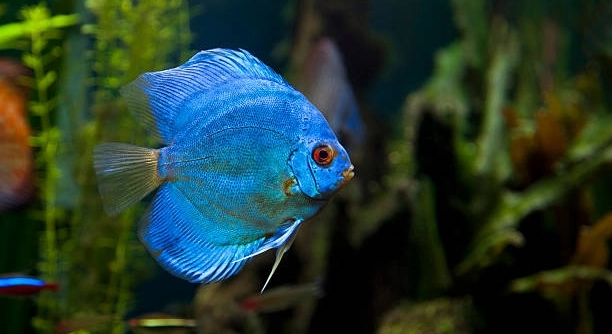
7 Traits of Well-Balanced Discus Fish Groups
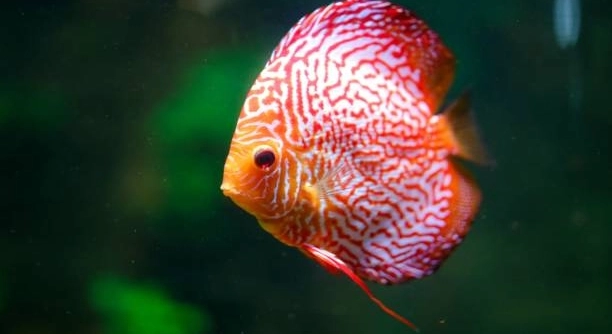
A well-balanced group of discus fish creates a peaceful and healthy aquarium environment. These colorful fish thrive best when certain traits are present in their social groups. Recognizing these characteristics can improve their overall wellbeing and display. Seven key traits define a well-balanced discus fish group: stable hierarchy, compatible sizes, diverse age range, minimal aggression, … Read more

Can Discus Thrive in Filterless Natural Tanks?

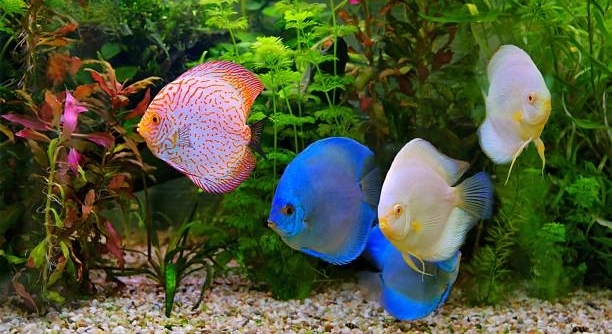
Discus fish are popular for their vibrant colors and graceful movements in aquariums. Many hobbyists appreciate their natural beauty and prefer setups that mimic wild conditions. Filterless natural tanks offer a different environment for keeping these delicate fish. Discus can survive in filterless natural tanks if conditions such as water quality, temperature, and regular maintenance … Read more

7 Things to Clean Weekly in a Discus Setup

Keeping a discus setup clean is essential for the health of your fish. Regular maintenance helps prevent disease and keeps the tank environment stable. Many hobbyists overlook small but important cleaning tasks that make a big difference. Weekly cleaning in a discus setup should focus on key areas such as removing debris from the substrate, … Read more

7 Causes of Discus Suddenly Going Off Food

Many discus fish owners enjoy watching their vibrant pets thrive in the aquarium. Sometimes, however, these fish suddenly stop eating without clear reasons. Understanding why this happens can help keep your discus healthy and happy. Discus fish may go off food due to various causes such as poor water quality, stress, illness, sudden changes in … Read more

Why Do Discus Fish Fan Their Gills So Much?

Discus fish are known for their striking appearance and graceful movements. One behavior that often catches attention is how frequently they fan their gills. This action is common in aquariums and natural habitats alike. Discus fish fan their gills primarily to increase oxygen intake and improve water flow over their gill surfaces. This behavior helps … Read more

7 Tips to Prevent Disease in Discus Tanks

Discus fish are beautiful but delicate pets that need careful care. Keeping their tanks clean and healthy is important to prevent disease. Proper attention can help these fish live longer and stay vibrant. Preventing disease in discus tanks requires maintaining stable water quality, regular cleaning, proper nutrition, and monitoring fish behavior closely. Effective prevention focuses … Read more

Should You Trim Plants in a Discus Tank Often?

Is your discus tank starting to look a little overgrown with plants, making it harder to keep things clean and balanced? Trimming might seem like a small task, but it plays a bigger role in tank health. Regular trimming of plants in a discus tank is essential for maintaining water quality and providing a stable … Read more

7 Reasons Discus Fish May Avoid Their Food

Discus fish are known for their vibrant colors and graceful movements, making them popular in aquariums. However, sometimes these fish may avoid eating, which can worry many owners. Understanding why this happens is important for their care. Discus fish may avoid food due to several reasons, including poor water quality, stress from tank conditions, illness, … Read more

7 Ways to Calm Aggressive Discus Behavior

Are your discus fish showing signs of aggression that disrupt the tank’s harmony? Aggressive behavior can stress both the fish and the owner, making the aquarium experience less enjoyable. Managing this behavior is important for a peaceful environment. Aggressive discus behavior can be calmed by adjusting tank conditions, controlling feeding routines, and providing hiding spots. … Read more

Do Discus Really Pair for Life?

Discus fish are popular in aquariums for their bright colors and calm nature. Many fishkeepers enjoy watching their interactions and wonder about their social habits. These fish have unique behaviors that often spark interest. Discus fish do not strictly pair for life. While they form temporary bonds during breeding, their relationships can change, and they … Read more