
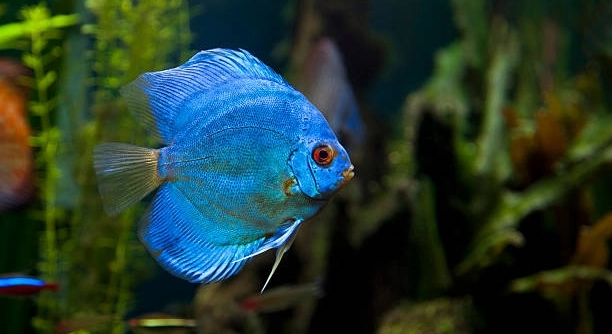
Many discus fish owners enjoy watching their vibrant pets thrive in the aquarium. Sometimes, however, these fish suddenly stop eating without clear reasons. Understanding why this happens can help keep your discus healthy and happy.
Discus fish may go off food due to various causes such as poor water quality, stress, illness, sudden changes in environment, inappropriate diet, parasites, or internal infections. Identifying these factors is crucial to restoring their appetite and wellbeing.
Knowing the common reasons behind a discus’s loss of appetite helps you respond quickly. This article will guide you through the main causes so you can support your fish’s health effectively.
Poor Water Quality
Poor water quality is one of the most common reasons discus suddenly stop eating. These fish are very sensitive to changes in their environment. If the water has high levels of ammonia, nitrites, or nitrates, it can make the discus uncomfortable or even sick. Low oxygen levels or incorrect pH can also stress them. Often, poor water quality comes from irregular water changes or overcrowding in the tank. Keeping the water clean and stable is key to preventing many health problems. Checking water parameters regularly with a test kit can help catch issues early. When discus are stressed by their environment, their appetite is usually the first thing to go. If you notice your discus avoiding food, testing and improving water quality should be one of your first steps. Good filtration and proper tank maintenance help discus feel safe and encourage them to eat again.
Poor water quality can quickly impact a discus’s health and appetite.
Maintaining clean water means doing partial water changes weekly and ensuring the filter works well. Avoid overfeeding, as leftover food can pollute the water. Using a reliable water conditioner also removes harmful chemicals like chlorine. Keeping the tank temperature stable between 82°F and 86°F helps as well. If water conditions improve but the fish still won’t eat, other health issues might be at play. Regular care and attention to water quality often prevent many feeding problems before they start.
Stress and Environmental Changes
Stress from sudden changes can cause discus to stop eating. This includes moving the tank, adding new fish, or changing the light schedule. Discus are creatures of habit and need time to adjust to new surroundings. Even small changes like rearranging decorations or shifting the tank’s location can affect them. When stressed, their immune system weakens, making them more vulnerable to illness. Keeping a calm, stable environment with minimal disturbances is important. If stress is the cause, your discus may hide or swim nervously. Reducing noise and avoiding sudden changes helps them settle. Patience and a quiet tank often bring discus back to eating normally within a few days. Providing hiding spots and gentle lighting can also reduce stress and support their wellbeing.
Illness and Parasites
When discus stop eating, illness or parasites are often involved. These can cause discomfort, making the fish lose interest in food. Signs include weight loss, clamped fins, or unusual spots on the body.
Common illnesses affecting discus include bacterial infections, fungal growths, and internal parasites. Bacterial infections often appear as red sores or inflamed areas, while fungal infections may look like white cottony patches. Parasites can cause the fish to scratch against objects or display lethargy. A proper diagnosis usually requires careful observation or consulting a vet or experienced hobbyist. Treating these illnesses quickly with medication or quarantine can help the fish recover and regain its appetite.
Preventing illness starts with good tank hygiene and quarantine of new fish. Avoid overcrowding and maintain stable water conditions to support discus health. Early detection and treatment improve recovery chances and reduce stress on your fish.
Sudden Diet Changes
Sudden diet changes can cause discus to reject food. Discus get used to certain foods, and abrupt switches may confuse or stress them. Gradual changes work best to keep their appetite steady.
Introducing new food too quickly can upset their digestion or make them suspicious of unfamiliar items. It’s important to mix new food with the old and slowly increase the new food’s amount. This helps discus adjust without losing interest. Some discus are picky eaters and prefer live or frozen foods over dry pellets. Knowing your fish’s preferences helps maintain a balanced diet. Offering a variety of foods also supports their nutritional needs and encourages eating.
If a discus refuses food after a diet change, returning to the previous diet briefly can help. Patience is key while they adapt to new food types or brands.
Internal Infections
Internal infections can cause discus to lose appetite quickly. These infections may affect organs like the gut or kidneys, leading to discomfort and weakness. Fish often hide or show sluggish behavior when infected. Early treatment is important to prevent serious damage.
Internal infections usually need specific medication prescribed by a vet or experienced aquarist. Without proper care, the fish’s condition can worsen rapidly.
Poor Tank Mates
Aggressive or overly active tank mates can stress discus, making them stop eating. Discus need calm companions to feel safe. Aggression may cause hiding or refusal to come out during feeding times.
Choosing peaceful fish species and avoiding overcrowding helps discus feel secure and improves their willingness to eat.
Temperature Fluctuations
Sudden drops or spikes in water temperature can upset discus. These changes stress the fish and slow down their metabolism, causing loss of appetite. Stable temperatures between 82°F and 86°F are best for keeping discus healthy and feeding well.
Parasite Infestations
Parasites like worms or protozoa can cause serious discomfort in discus. These infections often lead to loss of appetite and lethargy. Treating parasite infestations promptly is key to restoring fish health.
FAQ
Why has my discus suddenly stopped eating even though the water looks fine?
Sometimes, water quality issues aren’t visible to the naked eye but still affect your discus. Parameters like ammonia, nitrites, nitrates, or pH might be out of balance. Even stable-looking water can harbor stress factors like sudden temperature shifts or improper filtration. It’s important to test the water regularly with a reliable kit, as subtle changes can reduce appetite. Also, consider recent changes in the tank—new fish, decorations, or lighting—that might stress your discus.
How long can a discus go without eating before it becomes dangerous?
Discus are sensitive fish but can survive for a few days without food. However, going longer than 3 to 5 days without eating can weaken their immune system and make them prone to illness. If your discus refuses food for more than a couple of days, it’s best to investigate the cause and act quickly. Prolonged fasting can lead to serious health issues or even death if not addressed.
Can changing the type of food help a picky discus start eating again?
Yes, changing the diet gradually can help. Discus often prefer live or frozen foods like bloodworms, brine shrimp, or daphnia. Switching suddenly from pellets to new food can cause rejection, so mix the new food in small amounts with what they already eat. Over time, increase the new food’s portion. Offering variety and freshness encourages discus to eat and meet their nutritional needs.
What are common signs of illness in discus besides not eating?
Look for physical signs like faded color, clamped fins, swollen belly, or visible spots or sores. Behavioral changes such as hiding, lethargy, rapid breathing, or scratching against objects also indicate illness. Sometimes, white stringy feces or weight loss can appear. Early detection of these signs improves chances of recovery when treatment starts quickly.
How does stress affect discus appetite, and what can I do to reduce it?
Stress weakens discus immune systems and often causes loss of appetite. Common stressors include poor water quality, aggressive tank mates, sudden environment changes, or overcrowding. To reduce stress, maintain clean water, provide calm companions, avoid sudden changes, and add hiding places. Keep noise and vibrations near the tank low. A stable and peaceful environment helps discus feel safe and more willing to eat.
Are parasites common in discus, and how do I treat them?
Parasites are fairly common, especially if new fish aren’t quarantined. Internal parasites cause weight loss and lack of appetite, while external ones may cause scratching and visible irritation. Treatment usually involves medicated food or water treatments specific to the parasite type. Always quarantine new fish and maintain good tank hygiene to reduce risks.
Can temperature changes cause discus to stop eating?
Yes, discus prefer stable warm temperatures between 82°F and 86°F. Sudden drops or spikes can stress them, slow metabolism, and cause loss of appetite. Use a reliable heater and thermometer to keep the tank temperature steady. Avoid placing the tank near drafts, windows, or heating vents that cause fluctuations.
Is it normal for discus to go off food during tank cleaning or water changes?
It can happen. Tank maintenance might disturb the environment or cause temporary stress. Fish may hide or refuse food briefly during these times. To minimize this, perform gentle water changes and avoid sudden or major disturbances. Feeding can resume once the fish settle back to normal behavior.
Discus fish are beautiful and sensitive pets that need careful attention to stay healthy. When they suddenly stop eating, it is a clear sign that something is wrong. This could be due to many reasons like poor water quality, stress, illness, or changes in their environment or diet. Understanding these causes helps you take the right steps to help your discus feel better. Regular tank maintenance and watching your fish closely are important parts of keeping them healthy.
Water quality plays a big role in a discus’s appetite and overall health. Even small changes in water parameters can cause stress or illness, making them stop eating. It is important to check the water regularly and keep it clean by doing partial water changes. Stress from tank mates, sudden changes, or overcrowding can also make discus refuse food. Keeping a calm and stable environment helps discus feel safe and ready to eat. If illness or parasites are the problem, early treatment is key to helping your fish recover quickly.
Feeding discus the right food in a way they accept is also very important. Sudden changes in diet can confuse or upset them, so it’s best to introduce new foods slowly and offer variety. If your discus stops eating, take time to observe their behavior and environment carefully. Acting quickly can prevent bigger problems and keep your fish healthy for a long time. Patience and care are the best tools to support your discus when they face feeding issues.

Hello,
If you enjoy the content that we create, please consider saying a "Thank You!" by leaving a tip.
Every little bit helps us continue crafting quality advice that supports the health, happiness, and well-being of pets around the world, for pets of all shapes, sizes, and species.
We really appreciate the kindness and support that you show us!