7 Reasons to Quarantine New Convict Cichlids
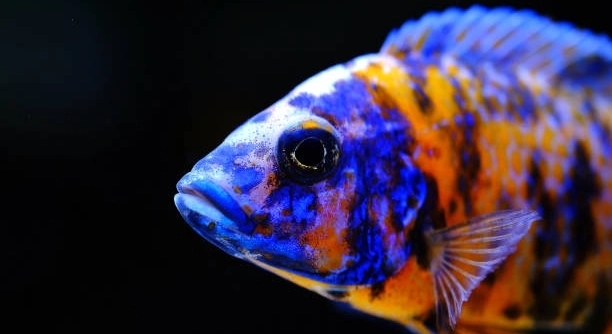
New convict cichlids are lively and colorful additions to any freshwater aquarium. Bringing them home can be exciting, but introducing them directly to an established tank may lead to unforeseen stress or health issues for your fish. Quarantining new convict cichlids before adding them to a main aquarium is essential to prevent the spread of … Read more

Can Convict Cichlids Form Friendships?

Convict cichlids are often known for their strong territorial behavior, but many aquarists notice unusual social interactions among them. These interactions sometimes resemble friendly behavior, even in a species considered naturally aggressive in captivity. Convict cichlids can form basic social bonds under certain conditions, particularly when introduced at a young age or raised together. These … Read more

7 Reasons Convict Cichlids Lose Their Color

Are your convict cichlids looking dull or faded lately? Many fish owners notice that their once-vibrant pets start losing their bright colors over time, which can be concerning for both beginners and experienced aquarists alike. Convict cichlids lose their color due to various environmental, nutritional, and health-related factors. Stress, poor water quality, inadequate diet, illness, … Read more

7 Convict Cichlid Myths (Busted and Explained)

Convict cichlids are popular in home aquariums, yet many misconceptions surround their behavior and care. These fish are often misunderstood, leading to unnecessary stress for both the fish and their owners in the long term. Several myths about convict cichlids persist, including exaggerated aggression, specific dietary misconceptions, and misunderstood breeding behaviors. Addressing these myths helps … Read more

How to Tell If Your Cichlid Is in Breeding Mode

Cichlids are fascinating fish that can show many behaviors when they are ready to breed. Observing their habits and physical changes can help owners understand what is happening in their aquarium environment. Breeding activity often signals a healthy and thriving fish. Cichlids in breeding mode often display territorial behavior, frequent cleaning of surfaces, and changes … Read more

What Does Twitching Mean in Fry Behavior?

Fry behavior can sometimes be puzzling, especially when you notice sudden movements or twitches. These small fish show subtle signals that reflect their health, environment, and development, making observation both interesting and important for their care. Twitching in fry behavior is typically a sign of normal neurological development, minor stress, or reaction to environmental stimuli. … Read more

7 Fast Fixes for Cloudy Water in Cichlid Tanks

Are your cichlid tanks showing cloudy water despite regular maintenance? Cloudy water can be frustrating, especially when you want your aquarium to look clean and healthy. Many hobbyists face this issue and search for quick, effective solutions. Cloudy water in cichlid tanks is usually caused by bacterial blooms, excess food, or disturbed substrate. Addressing these … Read more

How to Move Convict Cichlids Without Stress

Do you ever find yourself wondering how to move your convict cichlids without causing them unnecessary stress in their tank? Handling these fish requires care, patience, and an understanding of their natural behavior in captivity. The key to moving convict cichlids safely is minimizing environmental changes and handling time. Gradual acclimation to new conditions, gentle … Read more

7 Tank Upgrades That Help Reduce Aggression

Are your fish showing signs of aggression in your aquarium, making your tank feel less peaceful than you hoped? Many aquarists struggle with maintaining a calm environment while keeping fish healthy and active. Upgrading a tank with proper filtration, hiding spots, aeration, and enrichment devices can significantly reduce fish aggression. Each enhancement contributes to a … Read more

Why Are My Convicts Avoiding Each Other?

Are your convicts spending more time alone than together in their shared space? Observing them avoiding each other can feel confusing and frustrating, especially when you expect them to interact normally in the enclosure. The primary reason convicts avoid each other is territorial behavior and social hierarchy. These fish naturally establish dominance and personal space, … Read more