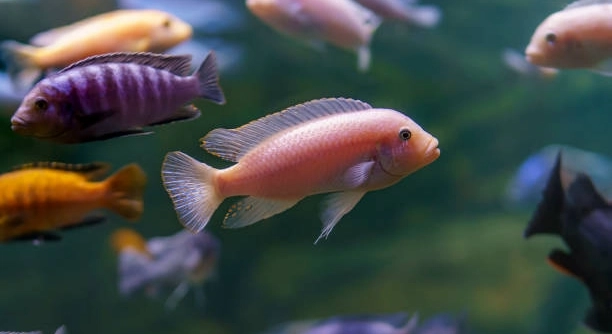
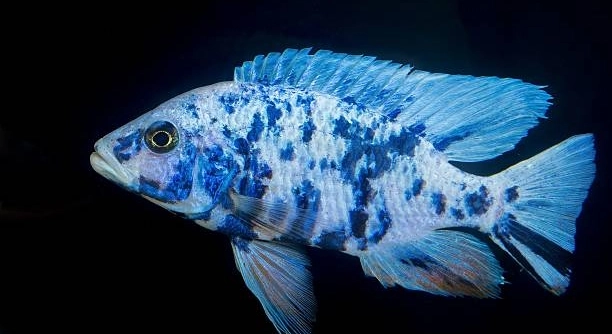
7 Triggers That Make Cichlids Chase Fry
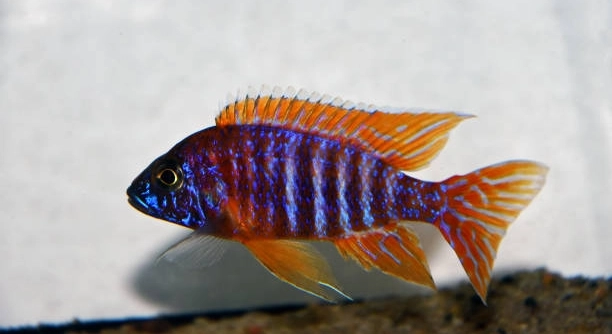
Cichlids often display complex parenting behaviors, yet sudden aggression toward fry can surprise even experienced keepers within home aquariums, influenced by environment, stress, and social dynamics that shape survival instincts during early developmental stages periods. The primary triggers include territorial stress, overcrowding, inadequate nutrition, unstable water conditions, perceived threats, hierarchy disputes, and hormonal shifts, all … Read more
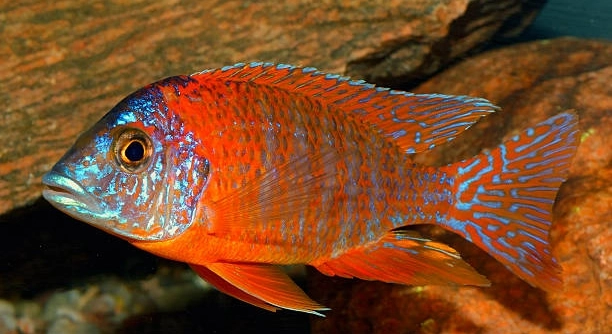
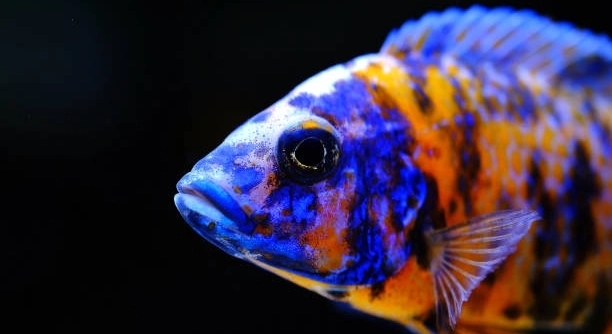
What Happens If Cichlid Fry Are Left Alone?

Cichlids are popular aquarium fish known for their vibrant colors and interesting behaviors. Fry require care and attention during their early days to ensure healthy growth and survival in a safe aquatic environment. If cichlid fry are left alone, they are highly vulnerable to starvation, disease, and predation from adult fish. Without proper feeding and … Read more

7 Convict Cichlid Tank Layout Ideas

Convict cichlids are lively fish that bring energy to any aquarium. Their bold colors and active behavior make them a favorite among freshwater enthusiasts looking to create a dynamic tank. Creating a suitable tank layout for convict cichlids involves considering their territorial nature, preferred hiding spots, and water parameters. Strategic placement of rocks, plants, and … Read more

7 Safe Plants for Convict Cichlid Tanks

Do you ever find yourself struggling to keep plants alive in your convict cichlid tank? These fish are known for their digging habits, making it difficult to maintain a lush and stable aquarium environment. Selecting plants that can withstand the aggressive behavior of convict cichlids is crucial. Hardy species with strong roots, fast growth, and … Read more

Can Convict Cichlids Live Without a Filter?

Do your convict cichlids swim actively but you are unsure if their tank really needs a filter? Many fish owners wonder if these hardy cichlids can survive comfortably without mechanical filtration in their aquarium. Convict cichlids can survive without a filter, but doing so increases the risk of poor water quality. Regular water changes and … Read more

7 Quick Checks for Cichlid Water Conditions

Caring for cichlids can be rewarding, but maintaining proper water conditions is essential for their health and well-being. Many hobbyists overlook small details that can affect water quality and fish behavior. Regular attention makes a difference. Monitoring cichlid water conditions requires consistent evaluation of temperature, pH, hardness, ammonia, nitrite, nitrate, and cleanliness. Each parameter directly … Read more

Do Convict Cichlids Communicate Through Color?

Have you ever watched convict cichlids swimming and noticed their shifting colors? These small freshwater fish show striking patterns that seem to change depending on their moods, environment, or interactions with other fish. Convict cichlids use color changes as a form of communication, signaling aggression, readiness to mate, or social status within their group. These … Read more

7 Tips to Handle Aggressive Fry Behavior

Fry can sometimes display aggressive behavior, making their tank environment stressful for both the fish and their owner. Observing signs like chasing, nipping, or sudden bursts of movement is common in crowded or competitive settings. Aggressive fry behavior often arises from territorial disputes, inadequate space, or nutritional deficiencies. Ensuring proper tank size, providing hiding spots, … Read more

7 Things Fry Do When Parents Aren’t Watching

Many parents assume their children behave perfectly when unsupervised, but reality often tells a different story. Children explore boundaries and test rules, discovering new habits and behaviors when they know no one is watching closely. When parents are not present, children often engage in behaviors that they might otherwise avoid, such as sneaking snacks, skipping … Read more

How to Know If Your Cichlid Is Sick

Is your cichlid looking less active than usual or showing changes in behavior? Fish can hide signs of illness, making it tricky to know when they are unwell. Observing subtle cues can make a big difference. Recognizing illness in cichlids involves monitoring physical appearance, swimming behavior, appetite, and coloration. Early detection is critical for treatment … Read more