7 Ways to Make Breeding Tanks More Natural

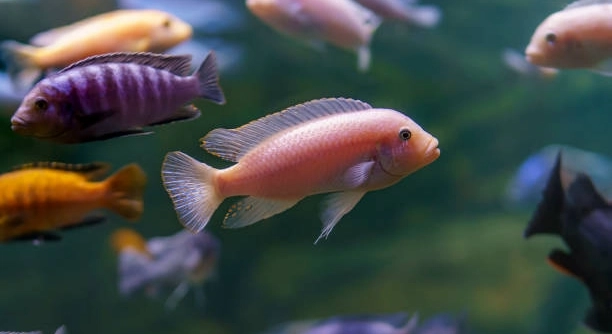
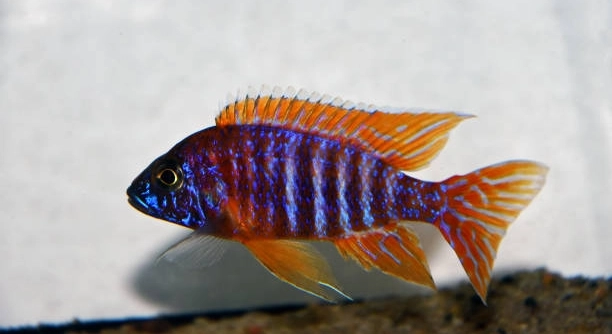
Breeding tanks often feel sterile and unnatural, which can impact the health and behavior of fish. Creating a more natural environment can help mimic their original habitat, making them feel safer and encouraging natural breeding behaviors. Adding plants, substrates, and hiding spaces can simulate a natural environment, reduce stress, and promote healthy breeding. Incorporating natural … Read more
Why Do Cichlids Constantly Rearrange Decor?

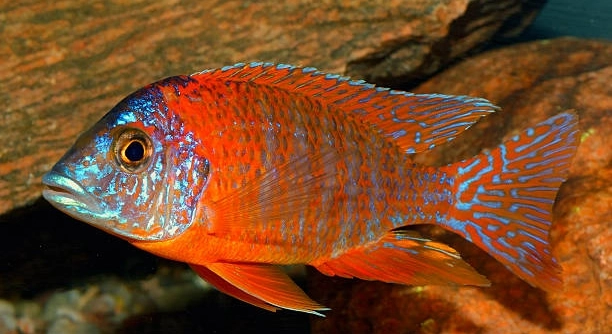
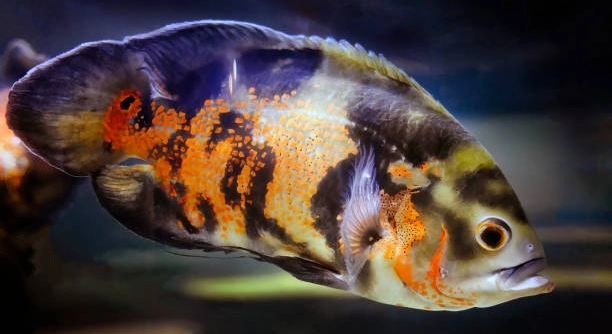
Cichlids are lively fish that often seem busy rearranging their tank decorations. Their constant activity can be puzzling for aquarists, but it reflects their natural instincts and desire to shape their environment comfortably. Cichlids rearrange decor primarily to establish territory, create hiding spots, and prepare breeding areas. This behavior is instinctual, allowing them to feel … Read more

What Should You Do When Fry Stop Eating?

Fry are delicate creatures that need proper care to thrive in a home aquarium. Observing them daily helps spot changes in behavior or appetite, which can indicate environmental or health issues early on. When fry stop eating, the most effective response is to assess water quality, ensure proper temperature, and offer appropriately sized, nutritious food. … Read more

How Many Fry Can Convict Cichlids Have?

Convict cichlids are popular freshwater fish known for their striking black-and-white stripes and lively personalities. Many aquarium enthusiasts enjoy keeping them and often wonder about their breeding habits and the number of fry they can produce. Convict cichlids typically lay between 30 and 300 eggs per spawning cycle. The number of fry that survive depends … Read more

7 Reasons Cichlid Behavior Suddenly Changes

Cichlids are fascinating fish that can brighten any aquarium with their colors and personality. Sometimes, their behavior shifts suddenly, leaving owners puzzled about what caused the change and how to respond appropriately. Sudden changes in cichlid behavior are usually linked to environmental stressors, health issues, or social dynamics. Variations in water quality, tank mates, diet, … Read more

7 Clues Your Cichlid Fry Are Ready to Eat

Caring for cichlid fry can be exciting, but it often comes with a lot of uncertainty. Watching them grow every day makes you wonder when they are ready to start eating on their own. Cichlid fry are typically ready to eat once they exhibit free-swimming behavior, show interest in food, and display growth milestones. These … Read more

7 Best Spots for Cichlid Egg-Laying

Cichlids are fascinating fish that show unique breeding behaviors. Watching them choose the right place to lay eggs can be both exciting and educational for aquarium enthusiasts. Understanding their preferences makes caring for them easier. The best spots for cichlid egg-laying include caves, rock crevices, flat stones, plant leaves, terracotta pots, driftwood overhangs, and PVC … Read more

What’s the Right Temperature for Cichlids?

Cichlids are colorful and lively fish that bring energy to any aquarium. Keeping them healthy means paying attention to their environment, including water conditions and diet. Temperature plays a big role in how well they thrive. The ideal temperature for most cichlids ranges between 75 and 82 degrees Fahrenheit. Maintaining this range supports their metabolism, … Read more

7 Ways to Spot Disease Early in Convicts

Monitoring the health of convicts is essential to maintaining safety and preventing outbreaks in correctional facilities. Early detection of diseases can save lives and reduce the strain on medical staff within these environments. Regular health screenings, observation of symptoms, and prompt reporting of unusual behaviors are critical methods for identifying disease early among convicts. Implementing … Read more

Do Convict Cichlids Remember Old Tankmates?

Convict cichlids are known for their strong personalities and territorial behavior in aquariums. Many aquarists observe interactions closely, noticing how these fish react when introduced to familiar or new tankmates. Their behavior often sparks curiosity. Convict cichlids are capable of remembering previous tankmates to some extent. They display recognition through territorial responses and social interactions, … Read more