
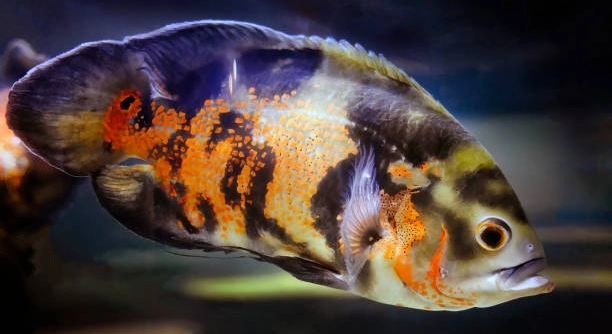
Fry are delicate creatures that need proper care to thrive in a home aquarium. Observing them daily helps spot changes in behavior or appetite, which can indicate environmental or health issues early on.
When fry stop eating, the most effective response is to assess water quality, ensure proper temperature, and offer appropriately sized, nutritious food. Maintaining a clean, stable environment is critical to restoring feeding behavior and supporting healthy growth.
Addressing these issues promptly helps fry recover and develop into strong, healthy fish for your aquarium.
Common Reasons Fry Stop Eating
Fry may stop eating for several reasons, often linked to their environment or health. Poor water quality, sudden temperature changes, or leftover food buildup can stress them and reduce appetite. Overcrowding in the tank can also create competition for food and make fry hesitant to eat. Sometimes, fry are simply adjusting to new tank conditions or recovering from illness. Monitoring water parameters like pH, ammonia, nitrite, and nitrate levels can prevent many feeding issues. Feeding too much or too little can also discourage eating. Fry need small, frequent meals suited to their size. Observing behavior, such as hiding or staying at the surface, can provide clues about their health. Some species are more sensitive to light, current, or tank mates, which may influence feeding patterns. Ensuring a stable, calm environment allows fry to feel safe and encourages regular eating habits.
Stress and environment play a major role in fry appetite. Consistent care is essential.
Providing a clean tank, proper temperature, and balanced diet tailored for fry ensures they regain their feeding habits quickly. Regular observation and minor adjustments often prevent long-term health problems, allowing fry to grow strong and resilient.
Adjusting Diet and Feeding Techniques
Using appropriately sized food helps fry eat efficiently. Powdered or crushed flake foods are ideal for tiny mouths.
Introducing live foods like infusoria or brine shrimp can stimulate appetite. Gradually switching to commercial fry food ensures nutritional balance. Feeding small amounts multiple times a day prevents overfeeding and reduces waste. Fry respond well to consistency, so keeping a regular feeding schedule helps maintain interest in food. Removing uneaten portions promptly keeps water clean and minimizes stress. Some fry may require softer or more digestible foods if they appear weak or inactive. Observing which foods are accepted allows adjustments for each species. Temperature also affects metabolism; slightly cooler or warmer water can slow or increase appetite. Mixing live and prepared foods offers variety and encourages eating. Patience is important, as fry may refuse food temporarily while adjusting to new conditions. Following these methods ensures fry receive proper nutrition without compromising tank stability.
Maintaining Optimal Water Conditions
Regular water changes are essential for fry health. Removing waste and leftover food prevents toxins from building up and keeps water safe.
Testing water parameters like ammonia, nitrite, nitrate, and pH ensures conditions stay within safe ranges. Sudden shifts can stress fry and reduce appetite. Using a gentle filter helps maintain circulation without creating strong currents that fry cannot handle. Water temperature should match the species’ needs, as too hot or too cold can slow feeding. Dechlorinated water is important to avoid harming delicate fry. Consistent monitoring and small adjustments create a stable environment where fry feel secure and ready to eat.
Overcrowding also impacts water quality. Keeping fry in appropriately sized tanks prevents rapid waste buildup and ensures each fish has enough space to swim and feed. Proper tank setup, including hiding spots and gentle flow, reduces stress and supports natural feeding behavior. Regular observation allows early detection of water-related problems before they affect appetite or growth, making maintenance straightforward and manageable.
Observing Fry Behavior
Fry movement and posture reveal a lot about their health. Lethargy or constant hiding often signals stress or illness.
Paying attention to swimming patterns, interaction with tank mates, and response to food can help identify problems early. Active, alert fry are usually healthy and feeding well. Fry that hover near the surface or refuse to leave corners may need water adjustments, diet changes, or quieter surroundings. Behavior changes often occur before visible symptoms, making observation a critical part of care. Maintaining a calm environment encourages normal behavior.
Some fry may compete aggressively, affecting weaker individuals. Separating overly dominant fry or providing additional hiding spaces prevents bullying. Observing how they respond to different foods and adjusting accordingly supports growth. Stress, temperature shifts, or poor water conditions can change behavior quickly. Recording patterns over several days helps identify trends, allowing timely interventions. Paying attention to even small movements and feeding reactions ensures fry remain healthy, eat regularly, and grow properly in a controlled environment.
Gradual Acclimation
Introducing fry to new tanks slowly reduces stress. Sudden changes in water chemistry or temperature can make them stop eating.
Using a drip acclimation method helps fry adjust safely. Gradual exposure allows their bodies to adapt without shock, encouraging normal feeding behavior and healthy development.
Cleaning and Tank Maintenance
Keeping the tank clean is vital for fry survival. Uneaten food and waste quickly degrade water quality, stressing fry. Regular siphoning and filter checks remove debris and prevent harmful buildup. Maintaining a routine cleaning schedule ensures the environment stays stable, supporting growth and feeding.
Temperature Regulation
Stable water temperature supports fry metabolism. Fluctuating or extreme temperatures can reduce appetite and slow development. Maintaining the ideal range for your fry species encourages regular feeding and overall health, making it easier for them to thrive in a controlled tank environment.
FAQ
Why have my fry stopped eating suddenly?
Fry often stop eating due to stress, water quality issues, or changes in their environment. High ammonia or nitrite levels, fluctuating temperatures, and overcrowding can make fry hesitant to feed. Observing behavior and checking water parameters usually helps pinpoint the cause and restore normal feeding habits.
How often should I feed my fry?
Fry need small, frequent meals. Feeding two to four times a day with tiny portions ensures they get enough nutrients without fouling the water. Overfeeding can lead to waste buildup, which reduces water quality and further discourages eating. Adjust amounts based on how quickly the fry consume the food.
What is the best type of food for fry?
The ideal food depends on species, but generally, powdered flakes, crushed flakes, or specialized fry food work well. Live foods like infusoria, microworms, or baby brine shrimp can encourage feeding and provide essential nutrients. Offering a variety helps fry accept food more readily.
Can water temperature affect feeding?
Yes, temperature has a strong impact on fry metabolism. Too cold slows digestion, making them less active and less interested in food. Too hot can cause stress and rapid metabolism, which may overwhelm their ability to eat. Maintaining the species-specific temperature range supports regular feeding.
How do I know if my fry are stressed?
Signs of stress include hiding, staying at the surface or bottom, erratic swimming, or refusal to eat. Fry may also appear lethargic or lose color. Stress often results from poor water quality, overcrowding, or sudden environmental changes. Addressing these issues usually improves appetite.
Should I separate fry from adult fish?
Yes, adult fish may outcompete or even eat fry. Using a breeding tank, mesh divider, or separate tank keeps fry safe and ensures they have uninterrupted access to food, which supports consistent growth and reduces stress.
What should I do if my fry are not eating despite good water conditions?
Check if the food is appropriate for their size. Offering live or more easily digestible options often stimulates feeding. Observe for signs of illness or parasites. Sometimes fry refuse food temporarily while adjusting to new conditions or recovering from mild stress.
Can overfeeding harm fry?
Overfeeding is common and can harm fry. Excess food decays, causing spikes in ammonia and nitrites. This reduces water quality, stresses the fry, and can lead to disease. Feeding small portions multiple times a day prevents this problem and encourages steady growth.
How do I encourage fry to eat after illness?
Offer easily digestible or live foods to stimulate appetite. Maintain clean water and stable temperature. Reduce stress by limiting disturbances. Gradually reintroduce their regular diet once they start feeding consistently, which helps them recover fully and regain strength.
Is hiding normal behavior for fry?
Yes, some hiding is natural, especially in new tanks or when fry feel insecure. However, prolonged hiding combined with refusal to eat may indicate stress, poor water quality, or illness. Providing gentle lighting, hiding spots, and stable conditions helps fry feel safe and resume feeding.
How important is water flow for fry feeding?
Gentle water flow is best. Strong currents can tire fry, making them less likely to feed. Proper circulation keeps the tank oxygenated and distributes food, but it should not create resistance that prevents fry from swimming comfortably. Adjusting flow supports both health and feeding behavior.
When should I consult a specialist?
If fry continue to refuse food after checking water quality, adjusting diet, and reducing stress, it may indicate illness or a more complex problem. Consulting a knowledgeable aquarist or veterinarian can help identify underlying issues and recommend treatments to restore healthy feeding patterns.
Can fry starve quickly?
Fry have small energy reserves, so prolonged refusal to eat can lead to rapid weight loss and weakened immune systems. Monitoring feeding daily and intervening early is crucial. Small, frequent meals and optimal tank conditions prevent starvation and support consistent growth.
Is live food necessary for all fry species?
Not all species require live food, but it can be highly beneficial, especially for picky or weak fry. Live food encourages natural hunting behavior, improves digestion, and provides essential nutrients. Gradually combining live and prepared foods ensures balanced nutrition.
How long does it usually take for fry to start eating again?
If environmental and dietary adjustments are made, most fry resume feeding within a few days. Some species may take longer depending on stress levels, health, or tank conditions. Continuous observation and minor adjustments help speed up the process.
Can changing tank decorations affect feeding?
Yes, sudden changes can stress fry and reduce appetite. Fry often rely on familiar hiding spots. Introducing decorations gradually while maintaining stability encourages comfort and feeding. Gentle rearrangement or adding new objects slowly minimizes disruption.
Is it normal for some fry to eat less than others?
Yes, natural variation in appetite exists among fry. Weaker or smaller individuals may need extra attention, such as targeted feeding or temporary separation to ensure access to food. Monitoring and adjusting feeding strategies help all fry thrive.
How do I prevent feeding problems in the future?
Maintain stable water quality, consistent temperature, and proper nutrition. Avoid overcrowding, provide hiding spots, and feed appropriate food in small amounts multiple times daily. Observing behavior regularly allows early detection of issues, preventing prolonged feeding problems and supporting healthy growth.
Are there signs of overfeeding to watch for?
Uneaten food accumulating in the tank, cloudy water, or increased ammonia are indicators. Fry may appear sluggish or stressed as a result. Feeding only what they can consume in a few minutes keeps the tank clean and supports regular feeding.
What role does light play in fry feeding?
Lighting affects activity levels. Too bright or too dim can make fry hesitant to eat. Providing gentle, consistent lighting helps them feel secure and encourages regular feeding habits without causing stress or disruption.
How long can fry survive without food?
While it depends on species and age, fry generally have limited reserves. Most cannot survive more than a few days without eating. Regular observation and timely intervention prevent starvation and support growth during early development.
Fry are delicate and require careful attention to thrive in a home aquarium. Their small size and developing bodies make them more sensitive to changes in water quality, temperature, and feeding routines than adult fish. Maintaining clean water, stable temperature, and a stress-free environment is essential for encouraging regular feeding. Observing fry daily helps identify any issues early, whether it’s water parameters, illness, or behavioral changes. Even small adjustments, like removing uneaten food or providing gentle water flow, can have a noticeable impact on their willingness to eat. By consistently monitoring their environment, you reduce the chances of prolonged feeding problems and support healthy growth from an early stage.
Feeding practices play a significant role in the health and development of fry. Offering appropriately sized, nutritious food in small, frequent portions ensures they get the nutrients they need without compromising water quality. Live foods like brine shrimp or infusoria often stimulate appetite and provide essential protein for growth, while powdered or crushed commercial fry foods ensure balanced nutrition. Gradually introducing different food types helps fry adapt and prevents refusal to eat. Overfeeding can be just as harmful as underfeeding, causing water quality issues and stress. Maintaining a consistent feeding schedule and observing how the fry respond allows you to make adjustments that improve their overall health and activity.
Behavioral observation is another key aspect of caring for fry. Fry may hide, stay near the surface, or act lethargic when stressed, and these signs often appear before visible health problems. Understanding their behavior helps identify issues like bullying from tank mates, environmental stress, or illness. Providing hiding spaces, gentle lighting, and calm surroundings encourages normal activity and feeding. Separating weaker or smaller fry if necessary ensures they have fair access to food and reduces stress. Over time, consistent care and attention to water quality, feeding, and behavior will allow fry to grow into healthy adult fish. Taking these steps ensures long-term success and helps maintain a thriving, balanced aquarium.

Hello,
If you enjoy the content that we create, please consider saying a "Thank You!" by leaving a tip.
Every little bit helps us continue crafting quality advice that supports the health, happiness, and well-being of pets around the world, for pets of all shapes, sizes, and species.
We really appreciate the kindness and support that you show us!