
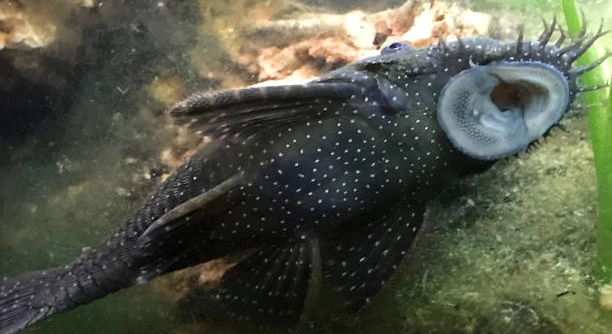
Do you enjoy watching your aquarium thrive while noticing the unique behaviors of each fish? Plecos are fascinating creatures, and their slow, deliberate movements often make them intriguing to observe daily. Many owners appreciate their calm presence.
Plecos can be trained to eat from your hand with patience and consistency. Gradual exposure to your hand during feeding times, combined with gentle reinforcement using food, encourages trust and reduces fear, leading to voluntary hand-feeding behavior over time.
Learning how to safely hand-feed plecos can enhance the bond between you and your fish. Understanding their behavior will make the process smoother and more enjoyable for both.
Understanding Pleco Behavior
Plecos are naturally cautious fish that rely on hiding and slow movements to feel secure. Observing their routines can help you identify patterns, such as when they prefer to feed and which areas of the tank they favor. They are nocturnal, so activity tends to peak in the evening. During the day, plecos often rest under driftwood, rocks, or plants, which makes approaching them for hand-feeding a delicate process. Recognizing their comfort zones is key. Gradually introducing your hand near their hiding spots without sudden movements helps reduce stress. Food plays a critical role in building trust. Offering small amounts directly near them encourages them to associate your presence with safety and nourishment. Over time, repeated gentle exposure allows plecos to feel secure enough to explore your hand. Patience is essential; forcing interaction can set back progress. Observing each pleco individually ensures that their unique personality and temperament are respected, making training more effective and enjoyable.
Hand-feeding takes persistence and careful observation to avoid scaring the fish.
Consistency, timing, and respect for the pleco’s natural patterns will determine how quickly they accept hand-feeding, creating a calmer aquarium environment.
Tips for Training Plecos
Start by offering food near the edge of the tank.
Using the same type of food each session helps plecos recognize and trust the process. Begin with small, firm pieces that are easy to hold near the tank glass or on your hand. Slowly extend your hand closer to them while keeping movements minimal. Avoid sudden gestures, as plecos are sensitive to quick motion. Feed at the same time daily to create a predictable routine. Reinforcing positive behavior with repeated exposure encourages them to approach voluntarily. Avoid overfeeding, as plecos can become hesitant if food is excessive or inconsistent. Cleaning the tank and maintaining water quality also influences their willingness to interact. A calm, quiet environment reduces stress, making hand-feeding more successful. Each pleco responds differently; some may take a few sessions, while others may need weeks. Observing body language, such as slow fin movements and cautious approaches, helps gauge readiness. Rewarding small advances encourages continued trust.
Once plecos become comfortable, hand-feeding strengthens the connection and encourages further interaction. Training sessions also provide insight into their health and behavior, offering a richer experience for the caretaker. Observing reactions to new foods and hand placement can inform adjustments. A gradual approach ensures the pleco remains stress-free while building confidence. Some may nibble immediately, while others may linger cautiously, requiring patience. Over time, this routine allows for a predictable and enjoyable interaction, enriching both the fish’s environment and your aquarium experience.
Choosing the Right Food
Plecos respond best to firm, meaty foods like algae wafers, shrimp pellets, or blanched vegetables. Avoid overly soft or powdery foods, which can make hand-feeding difficult and messy. Consistency in food type helps them recognize your hand as a source of nourishment.
Offering food that matches their natural diet is essential for successful hand-feeding. Algae wafers are convenient and easy to hold on your hand, while blanched zucchini or cucumber provides a familiar texture. Small portions prevent overeating and reduce waste in the tank. Using the same food each session helps plecos associate your presence with safety and nourishment, encouraging them to approach more willingly. Avoid introducing too many new foods at once, as plecos can be hesitant or suspicious of unfamiliar items, slowing progress in hand-feeding training.
Timing and placement of food impact results. Feeding near the tank glass or in the same spot each day helps plecos recognize patterns and builds confidence. Gradually moving the food closer to your hand allows them to explore without fear. Observing their reactions ensures you adjust movements, portion size, or placement to maintain comfort. Using firm, small pieces prevents accidental sinking, which can distract or stress the fish. Patience and repetition are key, as each pleco develops trust at its own pace.
Reducing Stress During Hand-Feeding
Minimizing sudden movements and loud noises creates a calmer feeding environment.
Plecos are highly sensitive to vibrations and changes around their tank. Keeping the area quiet and stable encourages them to explore and approach your hand. Avoid tapping on the glass or reaching suddenly, as this can cause them to retreat and slow training. Using slow, predictable motions during feeding reinforces trust. Consistency in timing and location is equally important. A steady routine helps plecos feel secure and reduces stress, making hand-feeding sessions smoother. Over time, calmer interactions support better health and improve their willingness to engage with you directly.
Monitoring water quality, tank conditions, and interactions ensures plecos remain comfortable during training. Maintaining proper filtration, stable temperature, and clean water reduces stress levels, allowing them to focus on feeding rather than environmental changes. Observing their responses to hand placement and food types guides adjustments. Providing hiding spots near feeding areas lets them retreat if needed, creating a sense of control and security. Gradual exposure combined with patience promotes trust while respecting their natural instincts. A calm environment paired with routine and careful observation allows plecos to interact confidently, supporting successful hand-feeding.
Gradual Hand Introduction
Place your hand slowly near the tank without holding food. Allow plecos to observe it and get used to its presence. Avoid sudden movements to prevent scaring them. Repeat this process daily to help build familiarity and trust.
Once plecos seem calm, lightly rest your hand on the substrate or near hiding spots. Keep your hand still and allow them to approach naturally. Avoid forcing interaction, as patience is essential. Over several sessions, they will begin associating your hand with a safe presence, making future feeding easier and less stressful for both of you.
Using Positive Reinforcement
Rewarding plecos with food when they approach your hand strengthens trust. Consistency in timing and placement reinforces positive behavior and encourages voluntary interaction. Over time, they begin to associate your hand with safety and nourishment.
Monitoring Reactions
Observe plecos carefully for signs of stress or hesitation during hand-feeding. Adjust your approach accordingly to maintain comfort.
FAQ
Can all plecos be trained to eat from my hand?
Not all plecos will hand-feed. Individual temperament and comfort with humans vary widely. Some plecos are naturally shy and may never fully approach your hand, while others are curious and willing to explore slowly. Patience and observation are essential to identify which plecos are more receptive to training.
How long does it take for plecos to start eating from my hand?
The time frame depends on the pleco’s personality and previous exposure to humans. Some fish may respond within a week of consistent, gentle training, while others can take several weeks or even months. Maintaining a calm environment and feeding routine speeds up the process. Avoid rushing or forcing interaction, as stress can reverse progress.
What type of food works best for hand-feeding?
Firm foods like algae wafers, shrimp pellets, or blanched vegetables are ideal. Soft, powdery, or overly large pieces can make feeding awkward and stressful. Using consistent food helps plecos recognize your hand as a reliable source of nourishment, encouraging voluntary interaction.
Is it safe to hand-feed plecos?
Yes, if done carefully. Always ensure your hands are clean and free of soap or chemicals. Avoid sudden movements to prevent startling the fish. Over time, plecos learn to approach calmly, but hand-feeding should always respect their comfort and natural behaviors.
What if plecos ignore my hand completely?
If plecos show no interest, reduce the pressure and focus on slow exposure. Place your hand near their favorite hiding spots without food first. Gradually move food closer in later sessions. Some plecos simply need more time to build trust, and forcing interaction can create stress.
Can hand-feeding harm my pleco?
Hand-feeding is generally safe if done correctly. Avoid overfeeding, as excess food can pollute the tank and affect water quality. Use small portions and monitor their health. If plecos seem stressed or avoid your hand, reduce the frequency of sessions and allow them to approach at their own pace.
Do plecos remember humans or hand-feeding sessions?
Plecos have memory and can recognize patterns. They learn to associate your hand with food over time, which encourages voluntary feeding. Consistency in timing, food type, and hand placement helps strengthen this recognition and builds trust.
What are signs that my pleco is ready for hand-feeding?
Signs include slow, cautious approaches, lingering near your hand, or nibbling at food near your fingers. Calm, steady movements without hiding or darting indicate readiness. Avoid rushing if the fish hesitates, as trust develops gradually.
How often should I hand-feed plecos?
Hand-feeding can be done during regular feeding sessions. One or two gentle sessions per day is sufficient. Avoid overfeeding, as plecos also need other food sources in the tank. Maintaining a routine encourages recognition and consistent behavior.
Can I train multiple plecos at once?
Yes, but individual personalities affect the process. Some plecos may dominate feeding, while others remain cautious. Observe interactions closely and adjust your approach to ensure each fish gets a chance to participate without stress. Patience and consistency remain key.
Is hand-feeding stressful for plecos?
It can be if done too quickly or aggressively. Slow, predictable movements, consistent feeding locations, and calm handling reduce stress. Providing hiding spots nearby allows plecos to retreat if needed, creating a sense of control and safety.
Can hand-feeding improve my bond with plecos?
Hand-feeding fosters trust and interaction, allowing you to observe behavior closely and monitor health. While plecos are not interactive in the same way as mammals, consistent, gentle engagement improves their comfort with your presence.
What should I do if a pleco bites my hand?
Plecos rarely bite aggressively. If they nibble, it is usually exploratory or for food. Remain calm, remove your hand slowly, and ensure food is appropriate in size and texture. Avoid sudden jerks that may stress the fish.
Do plecos prefer hand-feeding at night?
Many plecos are more active at night, which can make evening sessions more effective. Adjust hand-feeding times to match their natural activity patterns to increase the likelihood of voluntary interaction.
Can hand-feeding replace regular feeding?
No, hand-feeding should complement normal feeding routines. Plecos still need access to their tank’s food and balanced nutrition. Hand-feeding is a training and bonding method, not a complete substitute for daily diet requirements.
How do I prevent other tankmates from interfering?
Feed plecos in a designated area or corner of the tank where they can safely approach your hand. Temporarily separating more aggressive tankmates or providing hiding spots helps plecos focus on hand-feeding without competition or stress.
Are there risks if plecos become too comfortable with hands?
As long as interactions remain calm and gentle, there are minimal risks. Avoid poking or forcing contact, as this can create stress or accidental injury. Respecting boundaries ensures plecos remain comfortable while continuing to approach voluntarily.
Can baby plecos be hand-fed?
Yes, juvenile plecos can be trained with patience. They may be more cautious and require smaller food pieces. Gradual exposure and gentle, consistent feeding routines help young plecos build trust and learn to approach hands over time.
What if a pleco loses interest suddenly?
Temporary disinterest is normal. Check water quality, feeding schedule, and tank conditions. Stress, illness, or environmental changes can affect behavior. Return to slower, smaller hand-feeding sessions and ensure the pleco feels secure before attempting more direct interaction.
Does hand-feeding affect pleco health?
Proper hand-feeding supports nutrition and encourages natural foraging behavior. Avoid overfeeding and maintain regular water changes to prevent negative health effects. Observing responses during feeding helps monitor overall well-being and ensures the practice is safe.
Are some pleco species easier to hand-feed than others?
Yes, species like common plecos or bristlenose plecos are often more receptive due to their temperament. Larger or more aggressive species may require extra patience or may not fully accept hand-feeding. Understanding species-specific behaviors improves training success.
Can I hand-feed plecos with gloves?
Gloves can be used if clean and free from chemicals, but most plecos respond better to bare hands for better temperature and movement cues. Smooth, slow motions are key regardless of whether gloves are worn.
How do I maintain a routine for hand-feeding?
Choose consistent times and locations, use the same food, and limit distractions. Gradually increase interaction length while monitoring comfort levels. A predictable routine reinforces trust and encourages voluntary approaches.
Is hand-feeding suitable for large tanks?
Yes, but patience is necessary. Larger tanks may make plecos more cautious. Start in areas they frequent and slowly extend your hand’s reach. Observing individual responses ensures each fish receives attention without stress.
Can hand-feeding help monitor health?
Yes, hand-feeding provides close observation of eating habits, body condition, and fin or skin health. Noticing changes early allows for timely interventions, ensuring plecos stay healthy while maintaining trust.
What is the best way to end a hand-feeding session?
Remove your hand slowly and avoid sudden movements. Ensure all food is consumed or safely left for the tank. Gradual withdrawal reinforces a calm experience and leaves plecos comfortable for the next session.
How can I encourage shy plecos to try hand-feeding?
Start with slow exposure near hiding spots, use small food pieces, and remain patient. Allow them to approach at their own pace and gradually reward curiosity with food. Avoid rushing or forcing contact, which can delay progress.
Do plecos show recognition over time?
Yes, consistent hand-feeding leads plecos to recognize both the routine and your presence. Over time, they may approach more confidently, showing reduced stress and greater comfort with interaction.
Can hand-feeding improve tank harmony?
Providing food in a predictable, calm manner helps reduce competition and stress among plecos and other tankmates. It encourages positive associations and more peaceful behavior during feeding times.
Are there risks of over-reliance on hand-feeding?
Yes, relying too heavily on hand-feeding can reduce natural foraging behavior. Always maintain a balanced diet within the tank to ensure nutritional needs are met while keeping training safe and controlled.
How do I know if hand-feeding is working?
Signs include voluntary approaches, calm movements around your hand, and consistent feeding behavior. Gradual improvement indicates progress, while hesitation or avoidance signals the need for slower exposure or adjustments in technique.
Can hand-feeding be done with multiple sessions per day?
Yes, short, gentle sessions once or twice daily are effective. Avoid overfeeding, maintain calm movements, and monitor pleco responses to prevent stress or fatigue during repeated interactions.
What adjustments help if plecos remain fearful?
Slow exposure, small food pieces, and consistent placement improve comfort. Reducing environmental stress, providing hiding spots, and observing body language ensures plecos feel secure while learning to approach your hand.
Does tank lighting affect hand-feeding?
Yes, dim or moderate lighting can make plecos more comfortable, as they are naturally nocturnal. Bright lights may cause stress and reduce willingness to approach, so adjust lighting to match their activity patterns.
Can hand-feeding become a regular bonding activity?
Yes, consistent, gentle sessions create trust, allowing closer observation of behavior and health. While plecos do not bond like mammals, regular interaction improves comfort and enhances the caretaker’s experience with the fish.
Are there alternatives if plecos refuse hand-feeding?
Yes, using feeding tongs, placing food near hiding spots, or creating safe feeding zones in the tank can achieve similar results without direct hand interaction. Patience and observation remain key to success.
How important is tank cleanliness for hand-feeding?
Crucial. Clean water reduces stress and encourages exploration. Filtration, regular water changes, and removing uneaten food prevent negative effects on pleco health and support a positive hand-feeding experience.
Can hand-feeding cause aggression among plecos?
Occasionally, dominant fish may compete for food. Separate feeding areas, multiple hand placements, or small, spaced portions can reduce conflict and allow all plecos to participate safely.
Should I avoid hand-feeding during illness?
Yes, during sickness, plecos may be more sensitive or stressed. Focus on treatment and recovery, resuming hand-feeding once the fish shows normal activity and appetite.
Can hand-feeding help with socialization?
Yes, gradual exposure to hands and routine feeding encourages calmness around humans. While plecos are not social in the same way as other pets, this interaction increases comfort and reduces stress during maintenance or observation.
Does water temperature affect hand-feeding success?
Stable, species-appropriate temperatures encourage activity and feeding. Sudden changes or extremes can stress plecos, reducing their willingness to approach hands or explore food sources. Maintaining optimal conditions improves results.
How do I maintain interest in hand-feeding over time?
Rotate familiar foods occasionally, continue predictable routines, and monitor fish behavior. Avoid monotony or overfeeding, and respect their natural foraging instincts to keep interactions engaging and stress-free.
Can hand-feeding be combined with training other behaviors?
Yes, hand-feeding reinforces trust, which can support training for specific locations or response cues. Patience, repetition, and positive reinforcement remain key for successful behavioral conditioning.
Are there signs my pleco dislikes hand-feeding?
Avoidance, rapid retreat, or hiding indicate discomfort. Respect these signs, slow the approach, and provide secure spaces. Forcing interaction can create long-term stress or fear.
What is the most effective hand-feeding strategy?
Consistency, patience, calm movements, and appropriate food placement are essential. Observe plecos individually, adjust based on reactions, and maintain a safe, stress-free environment for the best results.
Does hand-feeding affect long-term health?
When done responsibly, hand-feeding poses minimal risk. Proper nutrition, controlled portions, and clean water ensure plecos stay healthy while enjoying safe, interactive feeding experiences.
Can hand-feeding be stressful for the caretaker?
Some patience is required. Slow progress and repeated sessions demand attention and observation, but the rewards of increased understanding and interaction make the effort worthwhile.
How can I make hand-feeding more predictable?
Maintain consistent timing, food types, and hand positions. Avoid sudden changes, allow the pleco to approach at its own pace, and observe cues carefully to reinforce trust.
Can hand-feeding encourage natural behaviors?
Yes, careful placement of food near hiding spots or tank structures mimics foraging, supporting instinctive behaviors while promoting voluntary interaction with humans.
Should I use multiple hands for several plecos?
One hand at a time reduces confusion. Gradually introduce additional hands only if the plecos are calm and confident, ensuring stress-free interaction for all fish.
Is hand-feeding suitable for long-term care?
Yes, when integrated with routine feeding and proper tank maintenance. It provides observation opportunities, supports trust, and can become a stable, positive aspect of care.
Can hand-feeding help detect illness early?
Observing eating behavior, reaction to your hand, and physical condition during sessions allows early identification of issues. Changes in appetite, fin condition, or movement patterns signal when intervention is needed.
Are plecos more likely to hand-feed if raised in captivity?
Captive-raised plecos are generally more comfortable around humans than wild-caught fish. Early exposure to routine feeding and gentle handling increases the likelihood of accepting hand-feeding later in life.
Does stress affect training success?
High stress reduces willingness to approach. Calm, consistent, and predictable sessions in a stable tank environment maximize success and reduce negative responses to human interaction.
How do I avoid overfeeding during hand-feeding?
Use small portions and limit sessions to typical feeding times. Observe remaining food and adjust as needed, ensuring plecos maintain a balanced diet without excess.
Can hand-feeding help with picky eaters?
Yes, slow introduction of preferred foods directly near the hand encourages hesitant plecos to try new items while maintaining control over portion size and exposure.
What should I do if hand-feeding fails completely?
Focus on traditional feeding methods, provide hiding spots, maintain routine, and ensure food is accessible. Hand-feeding is not essential for care, and respecting the fish’s temperament is more important than forcing interaction.
Does tank size impact hand-feeding success?
Smaller tanks make hand-feeding easier, as plecos are more likely to notice and approach your hand. Larger tanks require patience, observation, and gradual introduction to ensure comfort and success.
How important is observation during hand-feeding?
Critical. Careful attention to body language, fin movement, and approach speed informs adjustments in technique and ensures interactions remain safe, stress-free, and effective.
Can hand-feeding encourage exploration of the tank?
Yes, placing food in different areas or near structures encourages movement and natural foraging behavior while maintaining positive associations with your hand.
Should hand-feeding be adjusted for different species?
Yes, consider size, temperament, and dietary needs. Tailor approach, food type, and session length to suit the species, ensuring comfort and safety for each pleco.
Is it normal for plecos to refuse hand-feeding occasionally?
Yes, variations in appetite, stress, or environmental changes can cause temporary refusal. Maintain calm, adjust techniques, and resume sessions when conditions improve.
Can hand-feeding support mental stimulation?
Yes, gradual, interactive feeding encourages problem-solving and natural behaviors. Controlled exposure and food placement provide enrichment while maintaining trust and comfort.
How do I know if hand-feeding is stressful for plecos?
Signs include rapid retreat, hiding, fin clamping, or refusal to eat. Reduce exposure, slow movements, and provide secure areas to ensure stress is minimized.
Can hand-feeding improve overall tank management?
Yes, it allows close monitoring of feeding behavior, health, and interactions. Understanding each pleco’s personality helps manage tank dynamics more effectively and supports proper care routines.
Are hand-fed plecos more trusting of humans?
Gradual, positive exposure increases comfort and reduces fear. While plecos are not interactive like mammals, trust improves, making maintenance, observation, and feeding less stressful.
Does water chemistry affect hand-feeding willingness?
Stable pH, hardness, and temperature support calm behavior. Fluctuations can cause stress, reducing interaction and slowing the progress of hand-feeding training.
Can hand-feeding be used for selective feeding?
Yes, it allows targeted delivery to shy or slow-eating plecos, ensuring they receive proper nutrition without competition from more aggressive tankmates.
How should I approach hand-feeding after a tank change?
Slow reintroduction is best. Allow plecos to acclimate before resuming sessions, as new decorations, water conditions, or rearrangements can increase stress and reduce willingness to approach.
Can hand-feeding become part of routine care?
Yes, integrated with standard feeding, monitoring, and maintenance, it provides observation opportunities, supports trust, and encourages calm, voluntary interactions.
What is the most common mistake during hand-feeding?
Rushing, forcing contact, or inconsistent routines are frequent errors. Respecting pleco behavior, maintaining calm, and using small portions improves success and reduces stress.
Are there long-term benefits to hand-feeding?
Yes, improved observation, reduced stress during maintenance, and stronger recognition of routine feeding patterns enhance both pleco well-being and caretaker confidence.
Can hand-feeding be combined with other enrichment methods?
Yes, using driftwood, plants, or feeding devices alongside hand-feeding encourages natural foraging while maintaining trust and voluntary interaction.
Is hand-feeding suitable for beginner aquarists?
Yes, with patience, observation, and consistency. Understanding pleco behavior and using slow, gentle exposure helps beginners succeed while minimizing stress for the fish.
How do I maintain safety during hand-feeding?
Use clean hands, avoid sudden movements, provide small food portions, and respect pleco boundaries. Calm, predictable interactions ensure safety for both the fish and caretaker.
What if plecos approach but do not eat from my hand?
Continue gradual exposure and use small food pieces near the hand. Patience and repetition help build confidence, eventually encouraging voluntary feeding without pressure.
Can hand-feeding improve monitoring of pleco growth?
Yes, close observation during feeding allows tracking of size, weight, and overall condition. Changes can indicate health issues early, enabling prompt care and intervention.
Is hand-feeding suitable for nocturnal plecos?
Yes, scheduling sessions during evening or low-light periods aligns with natural activity patterns, improving participation and comfort.
How do I handle multiple plecos with different temperaments?
Observe each fish individually, adjust hand placement, and use multiple feeding points if needed. Patience and careful monitoring ensure safe, stress-free interactions for
Final Thoughts
Training plecos to eat from your hand requires patience, observation, and a calm approach. These fish are naturally cautious and take time to adjust to new experiences, including interacting with humans. Not every pleco will become a hand-feeder, but with consistent practice, many will gradually approach and nibble food from your hand. The key is to respect their natural behavior, avoid sudden movements, and provide a safe, stable environment. Understanding their activity patterns, especially their nocturnal tendencies, helps in choosing the best times for hand-feeding sessions. Gradual exposure, combined with small, firm pieces of food, encourages trust without causing stress. Over time, these careful steps allow plecos to feel more comfortable around your presence, making feeding a more interactive and enjoyable experience.
Consistency is crucial when trying to build trust with plecos. Feeding at the same time each day, using the same food, and keeping your hand movements slow and predictable all contribute to a positive association. Avoid rushing or forcing the process, as this can create fear and make future attempts more difficult. Observing their reactions helps adjust your approach, such as changing the distance of your hand or the size of the food pieces. Even if a pleco is hesitant or retreats, patience pays off in the long run. Some fish may respond quickly, while others require several weeks of careful training. Regardless of the timeline, the process itself is an opportunity to better understand their behaviors, habits, and individual personalities. This approach not only supports hand-feeding but also enhances overall care, allowing for easier observation of health, appetite, and movement.
Hand-feeding plecos also offers practical benefits beyond interaction. By encouraging them to eat in a predictable location, it becomes easier to monitor their dietary intake and ensure that shy or smaller plecos are receiving enough nutrition. Providing firm, consistent food supports their natural foraging behaviors and helps maintain a balanced diet. It also allows for closer observation of their physical condition, including any signs of injury, illness, or unusual behavior. While not all plecos will fully accept hand-feeding, the process itself promotes a calmer, more manageable aquarium environment. Maintaining clean water, stable temperatures, and proper tank conditions remains essential throughout training. By combining patience, consistency, and attention to detail, hand-feeding can become a rewarding part of caring for plecos, enhancing both their well-being and your understanding of these fascinating fish.

Hello,
If you enjoy the content that we create, please consider saying a "Thank You!" by leaving a tip.
Every little bit helps us continue crafting quality advice that supports the health, happiness, and well-being of pets around the world, for pets of all shapes, sizes, and species.
We really appreciate the kindness and support that you show us!