
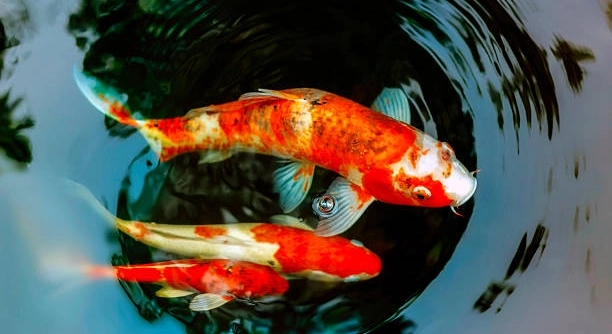
Koi fish are popular in garden ponds and admired for their bright colors and graceful movements. Many people enjoy watching them swim and want to learn more about interacting with these beautiful creatures. Knowing how to safely engage with koi is important.
Touching koi fish is generally possible but should be done cautiously and minimally. Frequent or rough handling can stress the fish and damage their protective slime coating, increasing susceptibility to infections. Proper care involves gentle, infrequent contact to avoid harm.
Understanding the best ways to interact with koi helps ensure their health and longevity. This article covers essential tips to keep your koi safe while enjoying their presence.
Can You Touch Koi Fish Safely?
Koi fish have a delicate protective layer called slime coat that keeps them healthy by preventing infections and injuries. When you touch a koi, this coating can be damaged, making them vulnerable to bacteria and parasites. It is important to limit contact to only when necessary, such as during pond cleaning or health checks. Always make sure your hands are clean and free of lotions or chemicals before touching koi. Avoid sudden movements that might startle the fish, as stress can weaken their immune system. If you must handle a koi, use wet hands or a soft, wet cloth to protect their slime coat. Handling koi too often or roughly can cause them lasting harm, so it is best to observe and enjoy them mostly from a distance.
Minimal and careful contact helps maintain koi health. Being mindful of how and when you touch koi reduces risks and supports their wellbeing.
Learning how to properly handle koi supports their longevity and beauty. Understanding their needs prevents unintentional harm. Maintaining a safe environment helps koi thrive and allows you to appreciate their calm presence without risk. Knowing these details benefits both koi and their caretakers.
When Is It Necessary to Touch Koi?
Touching koi should only happen when absolutely needed.
Situations such as treating illness, moving fish to another tank, or inspecting injuries may require handling. In these cases, preparation is key. Use clean, wet hands to avoid damaging the slime coat. Handling koi gently and for the shortest time possible limits stress. Avoid touching koi in hot or cold extreme conditions, which can weaken their immune systems. When moving koi, support their body fully to avoid injury. Using a soft net or container designed for fish helps reduce harm. If koi show signs of disease, touching them carefully to apply treatment or remove parasites is essential. Otherwise, observing koi without physical contact is safer for their health and comfort.
Following these practices ensures koi receive necessary care without unnecessary stress or damage. Understanding when and how to touch koi contributes to responsible fishkeeping.
How to Touch Koi Fish Properly
Always wet your hands before touching koi. Dry hands can remove their protective slime, causing harm.
Use slow, gentle movements when touching koi to avoid startling them. Place your hand flat and let the fish approach you rather than chasing or grabbing it. Supporting their body carefully prevents injury. Avoid squeezing or applying pressure, as koi have delicate muscles and organs. When possible, limit touching to the fins or back, areas less sensitive than the belly. Using a soft, wet cloth can help minimize direct skin contact. These methods protect the fish and reduce stress, making interaction safer for both you and the koi.
Keeping your contact gentle and brief is important. Minimizing physical handling supports koi health and comfort, maintaining their natural behavior and appearance.
Risks of Touching Koi Fish Too Often
Frequent touching increases the risk of stress for koi. Stress weakens their immune system and can lead to illness.
Repeated contact damages the slime coat, exposing koi to infections. This coating is their first defense against bacteria and parasites. Loss of slime can cause open wounds and make healing slower. Over time, physical damage may affect the koi’s scales and skin, leaving lasting scars. Stress and injury together reduce koi lifespan and overall wellbeing. Handling koi only when necessary and following proper techniques lowers these risks. Keeping handling to a minimum ensures koi stay healthier and more vibrant in your pond or tank.
Can Koi Fish Recognize Your Touch?
Koi can recognize familiar people and may respond to gentle, consistent touch. Over time, they become comfortable with regular caretakers.
This recognition helps reduce stress during necessary handling. Koi may even approach hands in the water, associating touch with feeding or care.
Signs Koi Are Stressed by Touch
Stressed koi may swim away quickly or hide. They might also show signs like clamped fins or erratic swimming.
Watching koi behavior closely helps identify when they are uncomfortable. Reducing handling or changing techniques can improve their comfort and health.
Alternatives to Touching Koi
Using feeding sticks or observing koi behavior reduces the need for physical contact.
This approach respects their natural environment and lowers stress, promoting healthier fish over time.
FAQ
Can I touch koi fish if they are sick?
Yes, but only when necessary for treatment. Handle koi gently and briefly to minimize stress and avoid further injury. Always wash your hands before and after contact to reduce the risk of spreading infections. Use clean, wet hands or a soft cloth to protect their slime coat during treatment.
How often is it safe to touch koi fish?
Touch koi only when required, such as during health checks or pond maintenance. Frequent handling can damage their protective slime and cause stress, so avoid touching them routinely. Observing koi without physical contact is best for their well-being.
What should I avoid when touching koi?
Avoid using dry or dirty hands, as this can harm their slime coat and introduce harmful bacteria. Do not squeeze, grab, or apply pressure. Sudden movements or chasing koi will cause stress. Also, avoid touching their bellies unless absolutely necessary, as this area is sensitive.
Is it harmful to feed koi by hand?
Feeding koi by hand is generally safe if done gently and with clean hands. Many koi become accustomed to hand feeding and associate it with positive interaction. However, always wash your hands before feeding and avoid sudden movements that might startle the fish.
What happens if koi lose their slime coat?
Loss of the slime coat exposes koi to infections and parasites. It may lead to open wounds and slow healing, increasing the risk of illness. Protecting this natural barrier is critical to maintaining koi health, so avoid unnecessary handling and rough contact.
Can koi recognize their caretakers?
Yes, koi can learn to recognize regular caretakers. They may swim toward familiar people and respond calmly to gentle touch over time. This recognition helps reduce stress during necessary handling and builds a positive bond.
How do I safely move koi between ponds or tanks?
Use a soft, wet net or a container designed for fish. Support the koi’s body fully to prevent injury. Handle koi gently and minimize time out of water. Keep the water temperature consistent to avoid shock. Always move koi slowly to reduce stress.
Are koi fish more sensitive during certain seasons?
Yes, koi are more vulnerable in very hot or cold weather. Handling during these times should be minimized because extreme temperatures weaken their immune systems and increase stress. Keep interactions brief and only when necessary during seasonal changes.
What signs indicate koi are stressed from handling?
Signs include erratic swimming, hiding, clamped fins, or loss of appetite. Prolonged stress can weaken their immune system and lead to illness. If you notice these behaviors after touching koi, reduce handling and ensure the environment is stable and clean.
Can touching koi cause them to become aggressive?
Koi are generally peaceful, but excessive handling can cause stress and agitation. Stressed koi may try to swim away quickly or behave nervously. Gentle and minimal contact helps maintain calm behavior. Avoid chasing or forcing interaction to prevent agitation.
Should I use gloves when touching koi?
Gloves are not typically recommended as they can be rough and remove the slime coat. If gloves are necessary, use smooth, wet gloves made for fish handling. Always rinse hands or gloves thoroughly before contact to avoid transferring harmful substances.
How can I minimize stress when handling koi?
Prepare your hands by wetting them, use slow and gentle movements, and limit handling time. Avoid loud noises and sudden actions. Handle koi in calm water conditions and keep the environment stable. Always prioritize koi health over convenience.
Is it okay to pet koi like other pets?
Koi are different from typical pets and do not enjoy being petted frequently. While gentle touch may be tolerated occasionally, constant petting can cause stress and damage their protective slime coat. Observing koi peacefully is often better for them.
What tools can help in handling koi safely?
Soft nets, clean containers, and wet cloths designed for fish are useful tools. These help reduce direct contact and protect the slime coat. Avoid rough or abrasive materials that could injure the fish. Proper tools make handling safer for both koi and caretaker.
Can koi transmit diseases to humans through touch?
Koi generally do not transmit diseases to humans through casual contact. However, always wash hands after handling fish or water to reduce risk of bacterial infections or contaminants. Practicing good hygiene protects both you and the koi.
How long does it take for koi to recover from handling stress?
Recovery time varies but generally ranges from a few hours to several days, depending on handling frequency and care. Providing clean water, proper nutrition, and minimal disturbance helps koi recover faster. Monitoring behavior helps track their recovery progress.
Final Thoughts
Touching koi fish requires care and attention to protect their health. These fish have a delicate slime coat that serves as a natural barrier against infections and injuries. When this slime is damaged by dry or rough hands, koi become vulnerable to diseases and stress. It is important to always wet your hands before making contact and to keep your movements slow and gentle. Limiting the frequency and duration of touch helps preserve the slime coat and reduces the risk of harm. Understanding these basics allows koi caretakers to enjoy close interactions without compromising the fish’s well-being.
Handling koi only when necessary is a key part of good fish care. Regular touching is not recommended because it can cause cumulative damage and stress. Koi are sensitive creatures that respond better to observation and indirect interaction, such as feeding or watching their behavior in the pond. When touching is required, such as during health checks or tank maintenance, it should be done carefully and respectfully. Using proper tools like soft nets or wet cloths can also help protect the fish. Taking these precautions ensures koi remain healthy and active, supporting their longevity and beauty.
In the end, koi fish thrive best in environments that minimize stress and physical harm. Gentle handling, clean water, and stable living conditions create the foundation for their health. While it is natural to want to touch and connect with koi, this should be balanced with their needs for protection. Respecting their sensitivity and limits promotes a positive relationship between caretaker and fish. Being mindful of how and when to touch koi contributes to their happiness and helps maintain the peaceful atmosphere of the pond. With care and knowledge, koi can be safely enjoyed as captivating aquatic companions.

Hello,
If you enjoy the content that we create, please consider saying a "Thank You!" by leaving a tip.
Every little bit helps us continue crafting quality advice that supports the health, happiness, and well-being of pets around the world, for pets of all shapes, sizes, and species.
We really appreciate the kindness and support that you show us!