
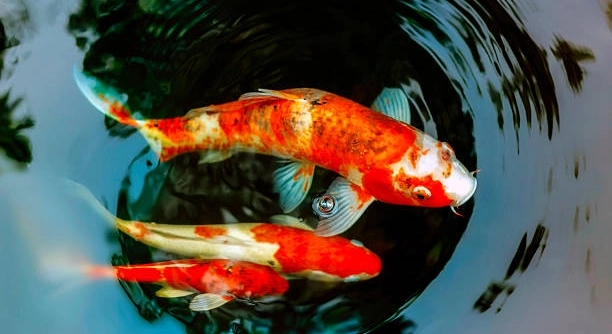
Buying baby koi can be exciting for any fish lover. These colorful fish bring life to ponds and tanks. But before you make a purchase, there are important things to keep in mind for their care and growth.
Understanding the basic needs of baby koi is essential before buying. They require proper water quality, balanced nutrition, and enough space to grow healthily. Awareness of their behavior and potential health issues ensures long-term wellbeing.
Knowing these details will help you provide a better home for your koi and avoid common mistakes many new owners face.
Preparing the Right Environment for Baby Koi
Creating a suitable environment is the first step when bringing baby koi home. They need clean, well-oxygenated water with stable temperature and pH levels. A pond or large tank with proper filtration is essential to keep the water fresh and safe. Baby koi are sensitive to sudden changes in their environment, so it’s important to introduce them gradually and monitor water conditions regularly. Avoid overcrowding, as this can stress the fish and lead to health problems. Providing hiding spots like plants or small decorations will help the koi feel secure. Good lighting also plays a role in their wellbeing, supporting natural behavior and growth. Regular maintenance and testing of water parameters are key to ensuring a healthy habitat.
Water temperature should ideally stay between 65°F and 75°F, and pH levels need to be kept around neutral to slightly alkaline.
Keeping a proper environment helps baby koi thrive, grow strong, and show off their beautiful colors over time.
Feeding Baby Koi Properly
Feeding baby koi the right food is crucial for their development and health. They need a diet high in protein but also balanced with vitamins and minerals. Specialized koi pellets designed for young fish are a good choice. Feed them small amounts multiple times a day to avoid overfeeding, which can pollute the water and harm their health. It’s important to observe how much they eat and adjust accordingly. Avoid feeding human food or too many treats, as this can upset their digestion. Fresh vegetables like peas and lettuce can be given occasionally, but not as the main diet. Maintaining a consistent feeding schedule helps baby koi develop a healthy routine and grow steadily.
Feeding practices can directly affect water quality and fish vitality, so be mindful of portion sizes and timing.
Monitoring Baby Koi Health
Regular health checks are important for baby koi. Watch for signs like changes in behavior, appetite, or appearance. Early detection of illness can prevent serious problems.
Parasites and bacterial infections are common issues in young koi. Poor water quality and stress increase their risk. Maintaining cleanliness and stable conditions lowers disease chances. Quarantining new fish before adding them helps avoid spreading illness.
If a baby koi shows symptoms like white spots, redness, or lethargy, act quickly. Treatments like medicated baths or water additives can be effective if used early. Always follow product instructions carefully to protect the fish and the pond environment.
Selecting Baby Koi
Choosing baby koi starts with checking their overall health. Look for clear eyes, smooth scales, and active swimming. Avoid fish that seem weak or have visible injuries.
Size and color variety vary among baby koi, so decide what fits your pond and personal taste. Larger babies may be more resilient, but smaller ones can grow just as well with proper care. Also, consider the reputation of the seller; trustworthy breeders ensure healthier fish.
Avoid buying koi from overcrowded tanks or dirty conditions, as this may indicate poor care. Taking the time to pick healthy baby koi helps you enjoy their beauty for many years.
Understanding Growth Rates
Baby koi grow at different rates depending on water temperature and diet. Warmer water and good nutrition speed up growth. Cooler water slows it down, so patience is important.
Growth spurts may seem sudden, but steady care ensures healthy development. Avoid rushing changes to their environment, which can cause stress.
Water Quality Maintenance
Maintaining clean water is vital for baby koi health. Regular testing for ammonia, nitrites, and nitrates helps prevent toxic buildup. Partial water changes keep the environment safe and comfortable for the fish.
Proper filtration and aeration support water quality. Cleaning filters often prevents clogging and ensures they work efficiently. Neglecting these steps can lead to illness and poor growth.
Avoid Overcrowding
Overcrowding stresses baby koi and increases waste in the water. Providing enough space helps fish grow properly and reduces disease risk.
Patience with Color Development
Baby koi colors change over time, sometimes dramatically. It can take months or even years to see their true patterns. Allow them time to develop naturally without rushing or exposing them to harsh conditions.
How often should I feed baby koi?
Baby koi need frequent, small feedings throughout the day. Typically, feeding them 3 to 4 times daily works best. This keeps their metabolism steady and avoids overfeeding. Give only what they can eat in a few minutes to prevent leftover food from polluting the water. Adjust the amount as they grow and their appetite changes. Consistency helps maintain good water quality and promotes healthy growth.
What water temperature is best for baby koi?
The ideal water temperature for baby koi is between 65°F and 75°F (18°C to 24°C). Temperatures outside this range can slow growth or stress the fish. Avoid sudden temperature changes by keeping the pond or tank environment stable. In colder months, consider using heaters if needed. Proper temperature supports digestion, immune function, and overall wellbeing.
Can I keep baby koi with other fish?
Baby koi can live with other peaceful fish species of similar size, but avoid aggressive or very small fish. Mixed groups increase the risk of disease and competition for food. Always quarantine new fish before adding them to the main pond. Proper space and hiding places reduce stress and aggression.
How do I tell if my baby koi is sick?
Watch for signs like loss of appetite, unusual swimming patterns, spots or sores on the body, clamped fins, or redness. These symptoms often indicate illness or parasites. Early detection is key to effective treatment. Test water quality as poor conditions often cause health problems. Quarantine sick fish to prevent spreading disease.
What kind of filtration system is needed?
A reliable filtration system is essential for baby koi health. It should handle biological, mechanical, and chemical filtration. Biological filtration breaks down harmful ammonia and nitrites. Mechanical filtration removes debris. Chemical filtration helps remove toxins and odors. Proper aeration works alongside filtration to keep oxygen levels high. Clean and maintain filters regularly for best results.
How much space do baby koi need?
Baby koi need enough room to swim and grow without overcrowding. A general guideline is about 10 gallons (38 liters) of water per inch of fish length. Overcrowding stresses the fish and degrades water quality. Provide a larger pond or tank as they grow to ensure their comfort and health.
Do baby koi need sunlight?
Natural sunlight helps baby koi maintain healthy behavior and develop vibrant colors. However, direct, intense sun can raise water temperature too much and encourage algae growth. Provide shaded areas in the pond or tank to balance light exposure. Artificial lighting can supplement natural light if needed.
Is it necessary to quarantine new baby koi?
Yes, quarantining new koi before adding them to the main pond helps prevent disease introduction. A separate tank for two to four weeks allows observation for signs of illness and gives time for treatment if needed. Quarantine also reduces stress from sudden environment changes and helps the fish adjust slowly.
Can baby koi live indoors?
Baby koi can live indoors in large aquariums or tanks with proper filtration, temperature control, and lighting. However, they need sufficient space to grow and clean water conditions. Indoor setups require more frequent maintenance to ensure water quality and oxygen levels are adequate.
How long do baby koi take to develop full colors?
It can take several months to a few years for baby koi to show their full colors and patterns. Color development depends on genetics, diet, water quality, and sunlight exposure. Some koi change color during their growth, so patience is necessary to appreciate their final appearance. Avoid harsh treatments or rapid environment changes that can affect their coloration.
When thinking about buying baby koi, it’s important to remember that these fish need careful care and attention. They are beautiful and can bring joy, but they also require the right environment to thrive. Proper water quality, enough space, and balanced feeding are key parts of their wellbeing. Taking time to learn about their needs before buying will help avoid common problems and keep the fish healthy for years to come. Being prepared means less stress for both the koi and the owner.
Setting up the right pond or tank is just as important as choosing the fish themselves. Baby koi are sensitive to changes, so maintaining stable water conditions and clean surroundings supports their growth and health. Feeding them well and regularly also makes a big difference. Overfeeding or poor nutrition can cause illness and water pollution. Watching their behavior and appearance will help spot any issues early. When problems arise, quick action with treatment and water care can make all the difference in their recovery.
Patience is another important part of owning baby koi. These fish grow and develop color slowly over time. It’s normal to see changes and surprises in their patterns as they mature. Giving them time to adjust and grow without rushing will help them reach their full potential. Choosing healthy baby koi from trusted sources and keeping them in good conditions makes the experience more rewarding. With proper care, baby koi can live long, vibrant lives, adding beauty and calm to any pond or tank setting.

Hello,
If you enjoy the content that we create, please consider saying a "Thank You!" by leaving a tip.
Every little bit helps us continue crafting quality advice that supports the health, happiness, and well-being of pets around the world, for pets of all shapes, sizes, and species.
We really appreciate the kindness and support that you show us!