
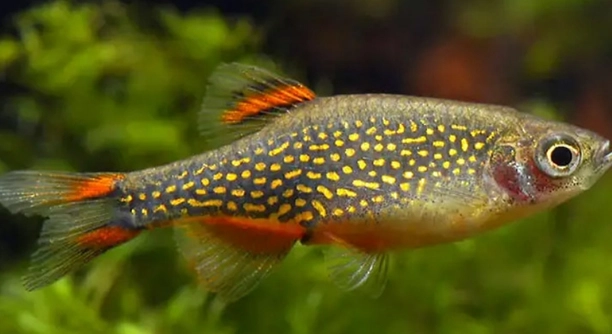
Starting a small aquarium with danios can be exciting and a little stressful. Many beginners worry about keeping the water safe while setting up a new tank. Learning simple care steps can make this process easier.
Raising danios without a full 7-day cycling period is possible by closely monitoring water parameters, performing frequent partial water changes, and using small, hardy fish. Careful observation and proper feeding reduce stress and maintain a stable environment for growth.
Even small adjustments in care can have a big impact on your fish’s health. Understanding these techniques will help you create a safer and more enjoyable aquarium experience.
Understanding the Basics of Danio Care
Danios are small, active fish that do well in beginner aquariums. They are hardy and can tolerate slight changes in water conditions. Even without a full 7-day cycling, they can survive if the water is monitored carefully. Using a reliable test kit helps track ammonia, nitrite, and nitrate levels daily. Overfeeding can quickly pollute the tank, so it’s better to feed small amounts two or three times a day. Adding live plants can help absorb waste and reduce toxins, giving the fish a more natural environment. Frequent partial water changes are essential, especially in new tanks. Even small tanks benefit from consistent care, as water quality can fluctuate quickly. Watching the fish’s behavior can give clues about stress or illness. Healthy danios are active, swim in groups, and show bright colors. Being attentive to these details helps maintain a stable and safe environment.
Maintaining the right temperature and pH is also important. Danios prefer slightly cooler water, around 68-74°F.
Observing water clarity and fish activity is key. Even subtle changes can indicate a problem. Proper aeration ensures enough oxygen for the fish. Tank decorations should allow swimming space while providing hiding spots. Avoid overcrowding, as too many fish increase waste and stress. Using small amounts of water conditioner can remove chlorine, making tap water safe. Over time, regular testing becomes routine, and feeding becomes easier to manage. By following these simple steps, you can maintain a healthy tank without relying solely on a full cycling process. Patience and attention make a big difference in creating a stable habitat.
Steps to Start Without Full Cycling
It is possible to start adding danios slowly before full cycling is complete. Start with one or two fish, not a full school.
Adding a few fish at a time reduces waste buildup and allows the tank to adjust. Monitor water daily and perform partial water changes whenever ammonia or nitrite rises above safe levels. Using beneficial bacteria supplements can help speed up the establishment of a healthy tank environment. Feed sparingly to avoid spikes in toxins. Observing the fish for signs of stress, like gasping or lethargy, is critical. Gradually increase the number of fish as water parameters stabilize. Using sponge filters or gentle air stones keeps the water oxygenated without stressing the fish. Over weeks, the tank becomes more balanced, and danios thrive with minimal risk. Being consistent with these steps prevents sudden water problems. Even small tanks benefit from careful observation and slow stocking. Once the water is stable, full school dynamics can be introduced, ensuring a healthy, active group of danios.
Monitoring Water Parameters
Daily testing is necessary to keep ammonia, nitrite, and nitrate at safe levels. Small spikes can harm danios quickly, so observing trends is just as important as individual readings.
Using a simple liquid test kit makes checking water easy. Ammonia and nitrite should stay at zero, while nitrate should remain under 20 ppm. Recording results helps track changes over time and notice patterns. If levels rise, a partial water change immediately reduces stress on the fish. Adding beneficial bacteria supplements can support biological filtration, helping the tank balance faster. Even slight adjustments, like reducing feeding or adding live plants, can stabilize the environment. Consistent monitoring prevents sudden problems and ensures danios remain active and healthy in an uncycled tank.
Observation is equally important. Watch for unusual swimming, faded colors, or gasping at the surface, which can indicate water quality issues. Responding early prevents serious harm.
Feeding and Care Tips
Feed only what the danios can consume in two minutes, once or twice daily. Overfeeding increases ammonia and nitrite, which is dangerous in a new tank.
Variety is beneficial. Mix high-quality flake food with occasional live or frozen foods like brine shrimp or daphnia. This keeps danios healthy and active while providing essential nutrients. Remove uneaten food promptly to prevent decay, which can spike toxins. Small, frequent feedings are better than one large meal. Watch the fish while eating to ensure all are getting food and no one is stressed. Adjust portions based on tank size and fish number. Consistent feeding routines and proper diet maintain strong immune systems and encourage natural behavior.
Regular water changes complement feeding habits. Change 25-30% of the water every two to three days during early tank setup. Condition new water before adding it to remove chlorine and chloramine. Using a small siphon helps clean the substrate, removing debris and uneaten food. Even a clean-looking tank can hide harmful buildup, so routine maintenance is crucial. Over time, the water becomes more stable, and feeding becomes easier to manage. Combining careful feeding, regular water changes, and monitoring ensures a healthy environment for danios even without full cycling.
Choosing Tank Size
A larger tank is easier to manage when skipping a full cycle. More water dilutes toxins, giving the danios a safer environment.
Even a ten-gallon tank can work if monitored carefully. Avoid very small tanks, as water quality can drop rapidly and stress the fish, increasing the risk of illness.
Adding Live Plants
Live plants help absorb ammonia and nitrate, supporting water stability. They also provide hiding spots and reduce stress.
Plants like Java moss, Anubias, and hornwort are low-maintenance and grow well in most setups. Adding them early improves water quality and creates a natural environment, which benefits danios during the uncycled phase.
Stocking Slowly
Start with a few danios and add more gradually. This approach prevents sudden spikes in waste and allows the tank to adjust.
Maintaining Consistency
Stick to regular feeding, water changes, and parameter checks. Consistency helps danios thrive even without a full 7-day cycling process.
FAQ
Can danios survive without a full 7-day cycling period?
Yes, danios can survive if careful monitoring is in place. By adding only a few fish at a time, performing frequent partial water changes, and checking ammonia, nitrite, and nitrate daily, the tank can remain stable enough for them to thrive. Beneficial bacteria supplements can help speed up biological filtration, supporting the uncycled environment. Live plants also help absorb toxins. Patience is key, as even hardy fish like danios are sensitive to sudden spikes in waste. Observing behavior and color daily gives clues about their stress levels, allowing quick adjustments.
How many danios should I start with in an uncycled tank?
It’s best to start with one or two danios per ten gallons of water. Adding too many fish at once can overwhelm the tank’s limited filtration and lead to dangerous ammonia and nitrite spikes. Begin with a small group, monitor water parameters closely, and gradually add more fish as the tank stabilizes. This slow introduction reduces stress, keeps water quality safer, and allows the beneficial bacteria to build up naturally.
What water parameters are safe for danios during this period?
Ammonia and nitrite should remain at zero parts per million. Nitrate should stay below 20 ppm. Temperature should be stable between 68 and 74°F, and pH should be slightly acidic to neutral, around 6.5–7.5. Frequent testing and water changes help maintain these levels, as small tanks can fluctuate quickly. Even minor deviations in ammonia or nitrite can harm the fish, so tracking daily is critical. Using a reliable test kit and recording trends over time can prevent unexpected problems.
How often should I change water in an uncycled tank?
Partial water changes should occur every two to three days. Changing 25–30% of the water each time reduces toxins and prevents stress on the fish. If ammonia or nitrite spikes unexpectedly, an additional water change may be necessary. Condition the new water before adding it to remove chlorine or chloramine, and try to match temperature to avoid shocking the fish. Even if the water looks clear, debris and uneaten food can create hidden toxins. Consistent water changes support both the fish and the gradual development of beneficial bacteria.
What should I feed danios during this period?
Feed only what they can eat in two minutes, once or twice daily. Overfeeding increases waste, raising ammonia and nitrite levels quickly. High-quality flake food works well, supplemented occasionally with live or frozen foods like brine shrimp or daphnia. Remove uneaten food promptly, and monitor fish to ensure all get fed without leftover debris. Small, frequent feedings are safer than large meals. Maintaining proper feeding routines, combined with water monitoring, ensures danios remain healthy and reduces stress in an uncycled environment.
Are there any signs that danios are stressed in an uncycled tank?
Yes. Signs include gasping at the surface, faded colors, clamped fins, unusual swimming patterns, or hiding excessively. These indicate poor water quality or other environmental stressors. Immediate action, such as a partial water change or adjusting feeding amounts, can prevent illness. Close observation is essential during early tank setup, as danios rely on stable conditions to thrive. Stress can appear quickly, especially in smaller tanks or uncycled setups, so responding promptly is critical to keeping them healthy.
Can live plants really help in an uncycled tank?
Absolutely. Plants like Java moss, Anubias, and hornwort absorb ammonia and nitrate, helping stabilize the water. They also provide hiding spots and reduce fish stress. Adding plants early in the tank setup improves water quality and creates a more natural environment. Healthy plants support the slow buildup of beneficial bacteria, making it easier to manage danios in an uncycled aquarium. Even low-maintenance plants can make a big difference, reducing the frequency of emergency water changes while keeping the fish comfortable and active.
Is it safe to add other fish with danios before full cycling?
It is not recommended. Danios are hardy, but adding multiple species at once increases waste and stress, which can harm all fish. Start with a small number of danios only, and add more fish gradually after water parameters stabilize. Different species may have different tolerances to ammonia, nitrite, and nitrate, so adding them too early can disrupt the balance and lead to illness. By focusing on danios first and maintaining careful monitoring, the tank develops stability that can later support additional species safely.
How long does it take for an uncycled tank to stabilize with danios?
Stabilization varies depending on tank size, filtration, and care. In general, it can take several weeks for beneficial bacteria to establish naturally. During this period, frequent monitoring, water changes, and careful feeding are essential. The gradual addition of fish allows the biological filter to adjust without causing dangerous spikes. Observing behavior and water quality daily helps gauge when the tank is stable. Once ammonia and nitrite consistently read zero, and nitrates remain low, the tank is considered safe for a full school of danios.
What equipment helps maintain danios without full cycling?
A reliable test kit, sponge or gentle filter, and small air stone are essential. Test kits track water parameters, filters remove debris and support bacteria, and air stones improve oxygenation. Heaters may be necessary in cooler climates to maintain stable temperature. Using these tools together creates a safer environment and makes managing an uncycled tank easier. Proper placement of equipment ensures water circulates evenly and reduces dead spots, keeping danios active and healthy while the tank stabilizes naturally.
Can overfeeding undo careful monitoring?
Yes, overfeeding can quickly raise ammonia and nitrite, even if water changes are regular. Uneaten food decomposes, producing toxins that stress fish and hinder tank stability. Always feed small amounts, remove leftovers, and observe consumption closely. Balanced feeding habits support water quality and fish health, especially in early setups without full cycling. Proper feeding ensures that even small tanks remain manageable and that danios thrive without unnecessary risks.
Final Thoughts
Raising danios without completing a full 7-day cycling process is possible, but it requires careful attention and consistency. These small fish are hardy, but they still need a stable environment to thrive. Even short-term spikes in ammonia or nitrite can harm their health, so monitoring water parameters every day is essential. Partial water changes, proper feeding, and the gradual addition of fish help maintain balance in a new tank. Using live plants can also support water quality and reduce stress, making it easier for the fish to adjust to their new surroundings. Paying attention to tank size and keeping it slightly larger than the minimum requirement helps dilute waste and gives the fish a safer environment.
Consistency is one of the most important factors when skipping full cycling. Feeding small amounts two times a day ensures that waste levels remain manageable. Observing the fish for any unusual behavior or signs of stress gives early warnings about water problems. Even with a small tank, gradual adjustments, like adding a few fish at a time or performing extra water changes when needed, make a big difference. Over time, the tank becomes more stable as beneficial bacteria establish themselves naturally, reducing the likelihood of sudden spikes in toxins. Keeping a simple routine that covers testing, water changes, and feeding will help the danios remain healthy and active.
Patience is key when managing a tank without a full cycle. It may feel slow at first, but small, consistent actions prevent serious problems and give the fish the best chance to thrive. Careful observation, gradual stocking, and proper feeding all work together to create a balanced environment. By following these steps, it is possible to enjoy watching healthy, active danios without waiting for a full 7-day cycling period. Attention to detail, combined with simple daily care, ensures the fish remain safe, the water stays clean, and the aquarium becomes a stable, thriving habitat over time.

Hello,
If you enjoy the content that we create, please consider saying a "Thank You!" by leaving a tip.
Every little bit helps us continue crafting quality advice that supports the health, happiness, and well-being of pets around the world, for pets of all shapes, sizes, and species.
We really appreciate the kindness and support that you show us!