
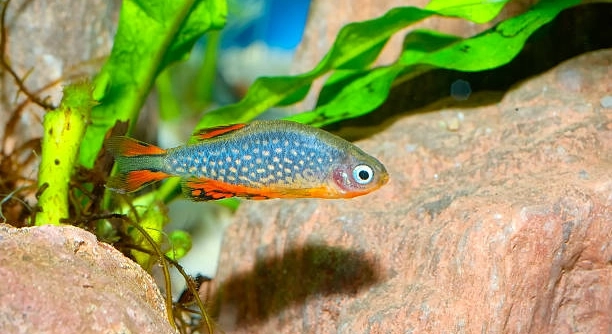
Have you ever kept danios and wanted to understand what helps them spawn comfortably in your aquarium? Stable water, soft lighting, and simple preparation create a space that supports their natural behavior and encourages breeding.
Selecting suitable substrates for danio spawning means choosing materials that shield eggs from predation and enhance natural scattering behavior. Mesh, marbles, dense plants, and breeding grids form protective areas that limit egg loss and support steady reproductive success within aquariums.
These basics guide you toward recognizing how different substrates shape spawning comfort, providing a smoother path to improved breeding habits.
Choosing Safe Substrates for Egg Protection
Using the right substrate helps protect scattered eggs and keeps spawning behavior steady. Danios release eggs that fall quickly, so a surface that prevents adults from reaching them is essential. Marbles, mesh, and breeding grids work well because they create small gaps where eggs can slip through. Fine plants or artificial spawning mats also provide dense cover that supports egg safety. I like to keep things simple by combining a clean tank, gentle filtration, and one reliable substrate that matches the space I have. This reduces stress on the fish and keeps the setup easy to manage as the eggs settle beneath the cover.
A layer of marbles is an easy option that creates enough height for eggs to drop out of reach, giving them a better chance to develop without interference from the adults.
Dense plants or spawning mats offer a soft landing for eggs while holding them in place, helping them stay protected until hatching begins.
Materials That Encourage Natural Spawning Behavior
Plants, grids, and textured materials help danios release eggs more comfortably by mimicking natural conditions while keeping everything tidy and easy to maintain.
Using specific materials can create a structured space that supports active spawning and shelters the eggs effectively. Breeding grids help separate adults from the eggs by adding a physical barrier that prevents access once the eggs fall through. Marbles are a classic choice because they’re easy to clean and provide instant protection with minimal setup. Spawning mops, whether made of yarn or soft fibers, mimic plant roots and give the fish confidence to scatter eggs into a safe area. Natural plants like Java moss add a softer touch, offering cover for both eggs and fry while blending into a planted setup. Each material works in its own way, and choosing one depends on how controlled or natural you prefer your aquarium to look. Keeping the substrate stable, clean, and well positioned ensures the fish remain comfortable and active during spawning.
Understanding How Substrates Influence Egg Survival
Using the right substrate keeps eggs safer by limiting access from adult fish and providing a stable surface that supports clean, consistent spawning. This small detail can make a noticeable difference in how many eggs remain protected.
Choosing a surface that supports easy egg collection helps maintain better conditions for the developing fry. Marbles, grids, and dense plants each create physical barriers that prevent adults from reaching the eggs. Keeping the substrate clean is important, since debris can trap moisture or block circulation. I keep my setups simple, using materials that stay in place and are easy to rinse gently after spawning. This helps maintain stable water quality and protects the fragile eggs underneath.
Soft plants or spawning mats add natural cushioning that keeps eggs from rolling into open areas. Their texture traps eggs safely, reducing movement and helping them remain undisturbed. This controlled environment makes spawning more predictable and supports steady development.
The Role of Texture in Triggering Spawning Behavior
Surface texture encourages activity by signaling a safe place for eggs to settle, helping danios feel more comfortable releasing them in a controlled space.
Rougher or layered textures create small pockets where eggs can slip in and stay protected. This is especially helpful when adults move around the tank after spawning, since smooth surfaces leave eggs exposed. I prefer materials that stay fixed in one spot because shifting items can scatter the eggs. Artificial mops, moss, or mesh give danios a familiar structure that supports their natural instincts. Textured materials also help keep the breeding area separated from the rest of the tank, which maintains order and prevents disturbance as the eggs settle. Keeping these surfaces clean while still maintaining their structure ensures the fish continue spawning reliably.
Comparing Natural and Artificial Spawning Options
Natural plants offer gentle cover that shields eggs from adults and keeps them from rolling into open areas. They blend into the tank easily, making maintenance simple while still giving enough protection for dependable spawning.
Artificial options like spawning mops or mesh provide predictable structure and stay in place. They create consistent pockets for eggs to settle, making collection easier and reducing the chance of movement during active spawning.
Why Stability Matters During Spawning
Stable substrates prevent eggs from shifting into exposed spots where adults can reach them. Keeping materials anchored helps create a controlled area that supports steady development. I prefer setups that stay firmly in place, since loose items can disrupt both water flow and egg safety. Materials like grids, marbles, or weighted mops stay fixed and minimize disturbance as the fish move around. Cleanliness also plays a big role, because debris can interfere with circulation and reduce the number of eggs that develop properly. Using stable, easy to maintain materials keeps everything predictable and supports consistent spawning results.
Keeping Substrates Clean and Effective
Clean substrates reduce waste buildup and keep eggs from being blocked by debris, helping them settle safely and develop in a healthier space.
FAQ
What substrate works best for protecting danio eggs?
Marbles are one of the easiest materials to use because they create natural gaps that eggs can slip into. This keeps them out of reach from adults and reduces the chance of damage. Breeding grids work well too, offering a clean and structured barrier that stays in place. Plants and spawning mops are also useful, especially in setups that focus on a softer or more natural look. Each option protects the eggs in its own way, so choosing one depends on the level of control you want in your tank.
How often should the spawning substrate be cleaned?
Cleaning depends on how frequently the danios spawn and how much debris builds up. I prefer checking the substrate after each spawning event to make sure nothing is clogging gaps or collecting waste. Light rinsing is usually enough, especially for marbles and mops, while plants may need trimming. Keeping everything clear allows eggs to settle properly and prevents debris from affecting water flow. A clean surface helps maintain stable conditions for both eggs and developing fry.
Can natural plants replace artificial spawning materials?
Natural plants do work, and many danio keepers love using Java moss or dense stem plants for spawning. These plants provide small pockets that hold eggs safely. They also blend into the tank and offer a softer environment. Artificial materials, however, stay more predictable and are easier to clean. Natural plants may trap more debris and need extra attention. The choice depends on how natural or controlled you want your spawning area to look and how much maintenance you are comfortable with.
Do danios spawn better with textured materials?
Textured materials give danios more confidence to release eggs because they create pockets where eggs can settle quickly. Mesh, mops, and dense plants offer this structure. Smooth surfaces allow eggs to roll around, which increases the chance of adults finding them. A textured setup keeps eggs protected while supporting natural scattering behavior. I like using materials that stay still and feel stable, because shifting items can affect how the fish move during spawning.
Should the substrate cover the entire bottom of the tank?
Covering the whole bottom is not necessary. Many breeders use only a section of substrate, such as a tray filled with marbles or a portable breeding grid. This makes cleaning and egg collection easier. A full bottom coverage can work, but it may require more maintenance. A focused spawning zone keeps things simple and gives the fish a clear place to release their eggs without complicating the rest of the tank.
How deep should the substrate layer be?
A shallow layer can work, but a deeper one usually offers better protection. Marbles should be deep enough for eggs to fall between them. Grid systems need enough height to keep adults away from the eggs. Too thin of a layer leaves eggs exposed, making it harder to keep them safe. I prefer setting up a layer that allows eggs to settle quickly without leaving open gaps. Proper depth creates a secure environment where eggs stay hidden until hatching.
Can substrates affect the fry once they hatch?
Yes, especially if debris gets trapped. Clean surfaces allow hatchlings to move freely and reach the top of the tank for air if needed. Plants, mops, and moss support fry by offering small hiding spaces until they become more active. Keeping the substrate free of clutter helps fry avoid getting stuck and keeps them from wandering into unsafe areas. A clean, organized environment improves survival and makes early development smoother.
Final Thoughts
Choosing the right substrates for danio spawning supports safer egg development and keeps the entire setup easier to manage. Each material has its own strengths, and the best choice depends on how structured or natural you want your spawning environment to feel. Marbles, grids, plants, and mops all serve a similar purpose by protecting the delicate eggs from adult fish, but they achieve this in slightly different ways. What matters most is creating a stable and predictable space where the fish can scatter their eggs without interference. I find that keeping the setup simple helps maintain focus on the essential elements, making the process smoother and more dependable each time the fish spawn. A clean, well maintained substrate works quietly in the background, yet it plays one of the most important roles in ensuring healthy development from the moment the eggs are released.
Stability and cleanliness influence the outcome more than most people realize. Substrates that shift or trap debris can make the spawning area unpredictable, which affects the eggs and the developing fry. When the materials stay in place and remain free of buildup, the water stays clearer and circulation stays steady. These small details support the eggs as they settle, helping them remain protected in sheltered spaces where adults cannot reach them. Whether using plants for a softer appearance or grids for more structured protection, the goal is to maintain a controlled area that keeps the eggs safe while still supporting natural movement in the tank. I prefer materials that require minimal adjustments during spawning because the less disturbance there is, the more reliably the fish behave. This creates a calm and safe environment where the eggs can rest until hatching.
A thoughtful choice of substrate also makes future maintenance easier. Simple rinsing, gentle cleaning, or trimming plants when needed helps keep the setup fresh without interfering with the fish or the eggs. Clean surfaces allow fry to move freely once they hatch, reducing the risk of blockage or entrapment. Substrates that balance protection with practicality become long term tools that support consistent spawning cycles. By choosing options that fit both the fish and the keeper’s routine, the entire process becomes more predictable and rewarding. Understanding how each material affects egg safety, water clarity, and overall development gives you the ability to shape a healthier breeding environment. With steady care, clean substrates, and stable conditions, your danios can thrive in a space that supports their instinctive behavior while remaining manageable and dependable over time.

Hello,
If you enjoy the content that we create, please consider saying a "Thank You!" by leaving a tip.
Every little bit helps us continue crafting quality advice that supports the health, happiness, and well-being of pets around the world, for pets of all shapes, sizes, and species.
We really appreciate the kindness and support that you show us!