
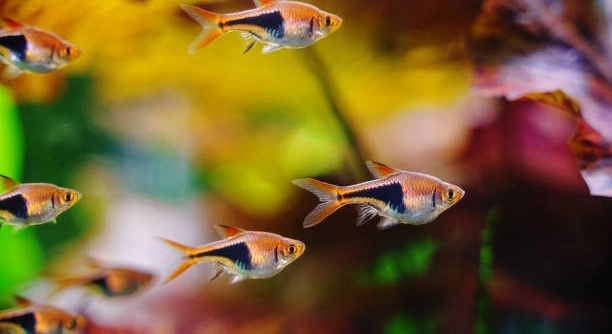
Many aquarium hobbyists enjoy keeping rasboras for their peaceful nature and vibrant colors. These small fish often bring life to community tanks. Mixing different rasbora species is a popular topic among fishkeepers seeking harmony in their aquariums.
Mixing rasbora species is generally possible because many share similar temperaments and environmental needs. However, compatibility depends on species-specific behavior, size differences, and water parameter requirements. Careful selection and monitoring are essential to maintain a balanced community tank.
Understanding how to properly combine rasboras can enhance your aquarium’s beauty and health. Learning about species traits and tank conditions helps ensure a peaceful aquatic environment for all fish involved.
What Makes Rasboras Compatible?
Rasboras are known for their peaceful behavior, which usually makes them good tank mates. Most species prefer similar water conditions—slightly acidic to neutral pH and moderate temperatures. Their small size also means they don’t usually intimidate or harm other fish. However, some rasboras can be more active or shy, so their temperament matters. For example, Harlequin rasboras tend to be calm, while some other species might be more nervous or quick-moving. When mixing species, it’s important to choose those with compatible swimming patterns and temperaments. Size is also important; very small rasboras might get stressed if housed with larger, faster species. Observing behavior in the tank during the first few weeks helps ensure everyone is settling in well. This can prevent bullying or stress, which can harm fish health. Proper hiding spots and enough swimming space improve chances for peaceful coexistence. Overall, the key is matching species that thrive under similar conditions and behave calmly around each other.
Choosing species with similar sizes and temperaments is the safest way to keep rasboras together.
By carefully selecting species and providing the right environment, you can create a harmonious tank where rasboras thrive. This means paying attention to water parameters, tank size, and their natural behaviors. Providing plenty of plants and open swimming areas reduces stress and encourages natural schooling behavior. Schooling is important because rasboras feel safer and show better colors when in groups. A mixed group of compatible species adds variety without causing aggression or competition. Avoid combining species that have different temperature or pH needs, as this can weaken their immune systems. Keep an eye on interactions to spot any signs of aggression or stress early. Making adjustments to tank setup or groupings can improve the overall health and happiness of your fish. With patience and observation, mixing rasbora species can be a rewarding part of aquarium keeping.
Common Challenges When Mixing Rasboras
Compatibility isn’t guaranteed just because species share similar environments. Sometimes subtle differences cause issues in mixed tanks.
Stress often appears when rasboras feel crowded or threatened. Smaller species may hide constantly if larger or more active fish dominate the space. This reduces their feeding and overall health. Another problem is uneven schooling. Rasboras naturally group with their own species. Mixing species might lead to fragmented schools or isolation, increasing stress. Water quality is another challenge. Different species may produce varying waste levels, so filtration must be strong enough to maintain clean water. Also, some rasboras have slightly different dietary needs; feeding a balanced diet that suits all species is important. Monitoring behavior during feeding can show if any fish are not getting enough food. Over time, unbalanced social dynamics can lead to aggression or illness. Adjusting group sizes or tank conditions often helps resolve these issues. In short, careful observation and maintenance are necessary to overcome challenges when mixing rasboras.
Selecting the Right Rasbora Species
Choosing the right rasbora species depends largely on their size, temperament, and water requirements. Avoid mixing very small species with much larger ones to prevent stress or accidental injury.
Harlequin, Lambchop, and Galaxy rasboras are commonly mixed due to their similar sizes and peaceful nature. These species thrive in slightly acidic, soft water and moderate temperatures around 72-78°F (22-26°C). Their comparable activity levels make them good companions, as none tend to dominate the tank. Avoid mixing very shy species with more active ones, as this can cause stress and hiding behavior. It’s best to research each species’ specific needs before adding them to the same aquarium. A well-planned community of compatible rasboras results in a peaceful and visually appealing tank.
Pay attention to how the fish behave after introduction. If aggression or hiding increases, consider adjusting the species mix or tank setup to improve harmony.
Tank Setup for Mixed Rasbora Species
A tank for mixed rasboras should provide plenty of swimming space and dense plant cover. Plants offer hiding places and reduce stress by mimicking their natural habitat. A minimum of 20 gallons is recommended to give enough room for schooling behavior and to prevent overcrowding. Open areas are necessary for active swimming, while plants and decorations create shelter and boundaries.
Good filtration is essential for maintaining water quality, as rasboras are sensitive to poor conditions. Regular water changes also keep the environment stable. Using a gentle filter flow mimics their natural streams and prevents exhaustion. Lighting should be moderate to encourage natural colors without causing stress. Floating plants can help diffuse light and add cover. Substrate choice is less important but natural-colored gravel or sand works well with planted tanks. Proper setup supports healthy interactions and reduces territorial disputes among mixed rasboras.
Feeding Mixed Rasbora Species
Rasboras are generally omnivores and eat a variety of foods. A balanced diet of flakes, pellets, and live or frozen foods works well for most species.
Feeding small amounts two to three times daily helps maintain water quality and keeps fish healthy. Watch to ensure all fish get enough food without overfeeding.
Monitoring Behavior in a Mixed Tank
Observe interactions regularly to catch early signs of stress or aggression. Pay attention to hiding, chasing, or unusual swimming patterns. Early detection allows for timely changes in tank setup or species grouping to improve harmony.
Signs of Stress in Rasboras
Stress may show as faded colors, rapid breathing, or loss of appetite. Early action can prevent illness and maintain a peaceful tank environment.
FAQ
Can different rasbora species live together peacefully?
Yes, many rasbora species can live together peacefully if their temperaments and size are compatible. It is important to select species with similar water requirements and activity levels. Providing enough space and hiding spots also helps reduce stress and aggression.
How many rasboras should be kept in one tank?
Rasboras are schooling fish and do best in groups of six or more. Keeping them in adequate numbers helps them feel secure and display natural behaviors. A larger school also reduces aggression since no single fish is singled out.
Do rasboras require special water conditions?
Most rasboras prefer slightly acidic to neutral water with a pH between 6.0 and 7.5. Temperatures around 72-78°F (22-26°C) are ideal. Soft to moderately hard water works best. Stability in these parameters is important to keep the fish healthy.
Can rasboras live with other fish species?
Yes, rasboras generally coexist well with other peaceful community fish like tetras, small gouramis, and danios. Avoid aggressive or very large fish that might stress or prey on them. Compatibility depends on the temperament and size of all species in the tank.
What is the best diet for rasboras?
Rasboras eat flakes, pellets, and live or frozen foods like brine shrimp, daphnia, and bloodworms. A varied diet helps maintain their health and vibrant colors. Feeding small amounts multiple times daily prevents overfeeding and water pollution.
How can I tell if rasboras are stressed?
Signs of stress include dull or faded colors, hiding more than usual, rapid gill movement, and loss of appetite. Stress can be caused by poor water quality, overcrowding, or incompatible tank mates. Early intervention helps prevent illness.
Is it necessary to quarantine new rasboras before adding them to the tank?
Quarantining new fish for at least two weeks helps prevent introducing diseases to your main tank. It also allows you to observe their behavior and ensure they are healthy before mixing with existing fish.
Can rasboras breed in a community tank?
Some rasbora species will spawn in a community tank if conditions are right, but the fry may be eaten by other fish. Breeding is easier in a separate breeding tank with controlled conditions and protection for the young.
What tank size is recommended for mixed rasboras?
A minimum of 20 gallons is recommended for a small group of rasboras. Larger tanks provide more swimming space and reduce territorial behavior. More space is needed when mixing multiple species or keeping larger groups.
How often should water changes be done?
Regular water changes of 20-30% weekly help maintain good water quality. Rasboras are sensitive to toxins like ammonia and nitrites, so clean water is essential to their health. Consistent maintenance reduces stress and disease risk.
What plants work best in a rasbora tank?
Live plants like Java fern, Anubias, and Amazon sword provide excellent cover and help maintain water quality. Floating plants add shade and reduce light intensity, which many rasboras prefer. Plants also encourage natural behaviors and reduce stress.
Are rasboras aggressive toward each other?
Most rasboras are peaceful and do not show aggression when kept in proper groups and conditions. However, overcrowding or mixing incompatible species can lead to chasing or nipping. Monitoring behavior helps catch and correct problems early.
Can rasboras adapt to different water conditions?
Rasboras are somewhat adaptable but thrive best in stable water conditions within their preferred ranges. Sudden changes in pH, temperature, or hardness can cause stress and illness. Gradual adjustments are necessary if water parameters differ significantly.
What lighting conditions do rasboras prefer?
Moderate lighting is ideal to bring out their colors without causing stress. Too bright light may cause hiding or sluggish behavior. Using floating plants can help diffuse light and create a more natural environment.
How long do rasboras typically live?
With proper care, most rasbora species live between 3 and 5 years. Good water quality, a balanced diet, and a stress-free environment contribute to their longevity.
Is it necessary to provide a specific substrate for rasboras?
Rasboras are not picky about substrate but natural-colored gravel or sand works best. A dark substrate often helps show off their colors better. Plants and decorations are more important for creating a comfortable habitat.
Can rasboras tolerate brackish water?
Rasboras are primarily freshwater fish and do not tolerate brackish conditions well. Maintaining freshwater parameters is important for their health and wellbeing.
What should I do if rasboras start fighting?
If fighting occurs, first check tank size and population density. Adding more hiding spots or increasing school sizes can reduce aggression. Separating particularly aggressive individuals may be necessary to protect the group’s harmony.
Mixing rasbora species in a community aquarium can be a rewarding experience when done thoughtfully. These small, peaceful fish often get along well, especially when their size, temperament, and environmental needs are compatible. It is important to research each species before combining them to ensure their water parameters and behaviors match. Providing enough space and hiding spots also helps reduce stress and aggression. When rasboras are comfortable, they show their natural colors and schooling behavior, which can make a tank more lively and attractive.
Careful tank setup plays a big role in success with mixed rasbora species. A minimum tank size of around 20 gallons is recommended to allow enough swimming room and reduce territorial conflicts. Live plants, decorations, and floating plants add shelter and break up the swimming area, helping fish feel secure. Good filtration and regular water changes maintain water quality, which is vital since rasboras are sensitive to poor conditions. Feeding a balanced diet suited to all species in the tank keeps fish healthy and active. Watching behavior closely during the first weeks can help detect any problems early, making it easier to adjust the setup or groupings.
While mixing rasbora species usually works well, it requires ongoing attention and care. Stress signs like hiding, faded colors, or loss of appetite should never be ignored, as they can lead to illness. Quarantining new fish, monitoring water parameters, and ensuring a peaceful environment all contribute to the well-being of the community. Mixing rasboras is not just about adding variety—it’s about creating a balanced and healthy tank where each fish can thrive. With patience and proper care, a mixed rasbora tank can be a peaceful and beautiful part of any aquarium collection.

Hello,
If you enjoy the content that we create, please consider saying a "Thank You!" by leaving a tip.
Every little bit helps us continue crafting quality advice that supports the health, happiness, and well-being of pets around the world, for pets of all shapes, sizes, and species.
We really appreciate the kindness and support that you show us!