
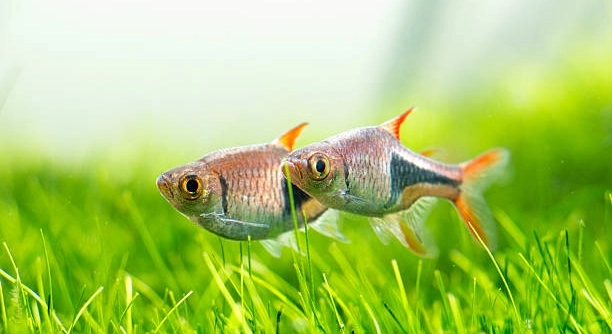
Many aquarium enthusiasts enjoy keeping rasboras for their peaceful nature and vibrant colors. However, these small fish can live shorter lives than expected due to some common care mistakes. Knowing these errors helps improve their well-being and lifespan.
The primary mistakes that reduce rasbora lifespan include poor water quality, inadequate tank size, improper diet, lack of hiding spaces, stress from aggressive tank mates, irregular maintenance, and sudden environmental changes. Each factor negatively impacts their health and longevity.
Recognizing these key issues allows owners to create a healthier environment for their rasboras. Addressing these points supports longer, happier lives for these delicate fish.
Poor Water Quality
Maintaining clean and stable water conditions is essential for rasboras. These fish are sensitive to changes in water parameters such as ammonia, nitrites, and nitrates. If these levels rise, it can cause stress, illness, and eventually shorten their lifespan. Regular water testing and partial water changes help keep the environment safe. Filtration systems must be efficient but gentle enough to avoid disturbing the fish. Avoid overcrowding the tank, as too many fish increase waste and make maintaining water quality more difficult. Also, sudden shifts in temperature or pH levels can harm rasboras. Consistency in water parameters is key to their health.
Testing water twice a week and changing 20-30% regularly prevents toxic buildup. A stable environment reduces stress and disease risks for rasboras.
Water quality directly influences fish health by affecting their immune system. Clean, well-maintained tanks support natural behavior and reduce disease risk. Monitoring and adjusting water parameters ensures a comfortable habitat. Many fish diseases start from poor water conditions. By keeping the water clean and balanced, rasboras can thrive and live longer. Use reliable water test kits and replace filters as recommended. Avoid overfeeding to reduce waste production. Overall, consistent water care is the foundation of good rasbora husbandry.
Inadequate Tank Size
Rasboras need enough space to swim freely and socialize. A small tank limits their movement, which can lead to stress and weakened immune systems. For a small group, a minimum of 10 gallons is recommended, but larger tanks are better for their comfort. A cramped environment increases aggression and can cause injuries or death. Providing enough swimming space also allows them to display natural behaviors, which contributes to better health.
A properly sized tank supports physical and mental well-being. Small tanks lead to quicker water quality degradation.
In addition to swimming space, the tank should have a proper layout with plants and hiding spots. This setup reduces stress and mimics their natural habitat. Larger tanks allow better water stability and easier maintenance. Fish living in spacious environments are less prone to illness and live longer. Planning for tank size before adding rasboras avoids common health problems. Regular monitoring of tank conditions combined with sufficient space leads to a healthier aquarium. Consider future growth and stocking plans when choosing tank size to provide a lasting home.
Improper Diet
Feeding rasboras the wrong food can weaken their health and shorten their lifespan. A balanced diet with variety is important.
Rasboras thrive on a mix of high-quality flakes, pellets, and live or frozen foods like brine shrimp or daphnia. Feeding only one type of food, especially low-nutrient flakes, causes malnutrition. Overfeeding leads to poor water quality and obesity, which stresses the fish. Feeding small amounts two to three times daily is ideal. Pay attention to their appetite and avoid leftovers that can pollute the tank.
Providing a diverse diet helps support their immune system and growth. Live foods offer essential nutrients and encourage natural hunting behavior. Avoid feeding human food or inappropriate items, as these can harm digestion. When introducing new food, do so gradually to prevent digestive upset. Regularly adjusting the diet based on fish condition promotes longer, healthier lives for rasboras.
Lack of Hiding Spaces
Rasboras need places to retreat to feel safe and reduce stress. Without hiding spots, their health and lifespan suffer.
Plants, rocks, and decorations create shelter and mimic natural environments. Stress from constant exposure increases vulnerability to disease and reduces lifespan. Providing ample hiding places helps fish relax and recover if threatened. Dense vegetation or floating plants also soften lighting and create calm zones, which rasboras prefer.
Hiding spaces encourage natural behavior and reduce aggression among tank mates. Using live plants adds oxygen and benefits water quality, supporting overall health. Decorations should avoid sharp edges that could injure fish. A well-structured tank with multiple shelters helps rasboras feel secure, promoting longer survival. Regularly rearranging the tank can refresh their environment and keep stress low. Including hiding spots is an easy but essential step in responsible fish care.
Stress From Aggressive Tank Mates
Rasboras are peaceful and do not cope well with aggressive fish. Keeping them with fin-nippers or dominant species can cause constant stress and even physical harm. Long-term stress weakens their immune system and shortens their lifespan.
Choose tank mates carefully. Suitable companions include other small, calm fish like tetras or corydoras. Avoid overcrowding and always observe for signs of bullying or hiding.
Irregular Maintenance
Neglecting routine maintenance creates unstable conditions that affect rasbora health. Skipping water changes or filter cleanings leads to toxic buildup and stress. Simple weekly care keeps their environment safe, prevents disease, and helps them thrive for a longer time.
Sudden Environmental Changes
Quick shifts in temperature, pH, or lighting can shock rasboras. Always make gradual changes to avoid stressing their systems. Stable conditions support health and prevent early death.
FAQ
How long do rasboras typically live in a well-maintained tank?
Rasboras can live between 5 to 7 years when kept in optimal conditions. Their lifespan depends on consistent care, including good water quality, proper tank mates, a balanced diet, and stable environmental conditions. Skipping routine care or exposing them to stress can reduce their lifespan significantly. To help them reach their full potential, provide a spacious tank, keep the water parameters stable, and monitor their behavior regularly for signs of stress or illness. Feeding a varied diet and avoiding sudden changes in their environment also contribute to longer, healthier lives.
Can rasboras live alone or do they need to be in groups?
Rasboras are schooling fish and should never be kept alone. Being in a group of at least six helps them feel safe and reduces stress. When isolated, they become shy, less active, and more vulnerable to illness. In a proper group, they display natural swimming patterns and social behavior, which supports their overall health. A stressed, lonely rasbora is at greater risk of a shortened lifespan. Always aim to keep them in an appropriate school size to support mental and physical well-being. Larger groups often result in calmer, more confident fish.
What signs show that my rasbora is stressed or unwell?
Look for changes in swimming behavior, loss of appetite, dull colors, or hiding more than usual. Flicking against objects or gasping near the surface can also indicate water quality issues or health problems. Stress and sickness can develop quickly if conditions are poor or tank mates are aggressive. Act quickly if behavior changes—check water parameters, temperature, and recent feeding or environmental changes. Early action can prevent the problem from worsening. Regular observation helps catch subtle changes before they become serious. Healthy rasboras should be active, eat well, and interact with their group.
How often should I feed rasboras, and how much?
Feed rasboras two to three small meals per day. Only offer what they can eat in about two minutes. Overfeeding causes leftover food to break down, leading to poor water quality and digestive issues. Rotate their diet with flakes, pellets, and occasional live or frozen foods. Skipping feeding once a week is also helpful for digestion. If food remains after a few minutes, reduce the amount next time. Keeping portions small and feeding regularly supports their metabolism and helps avoid problems like bloating or water contamination.
What should I do if a rasbora is being bullied?
Separate the aggressive fish if possible, or rearrange the tank layout to reduce territorial behavior. Increasing the number of rasboras can also help spread out aggression. Sometimes, adding more hiding spaces calms the situation. Avoid housing rasboras with fin-nipping species or larger aggressive fish. If the bullying continues, consider relocating the dominant fish to a different tank. Always monitor the group after introducing new fish. Injured or stressed rasboras are more likely to get sick, so early intervention is important. Keeping the tank peaceful supports longer lifespans and healthier behavior.
Is it safe to use tap water in a rasbora tank?
Tap water is generally safe if properly treated. Always use a water conditioner to remove chlorine, chloramine, and heavy metals. Let the treated water reach room temperature before adding it to the tank to avoid shocking the fish. Test your tap water’s pH and hardness, as rasboras prefer slightly acidic to neutral water. If needed, adjust the parameters gradually. Untreated tap water can cause skin irritation, gill damage, and long-term stress. Using a good conditioner and monitoring the water regularly helps maintain a safe and stable habitat for rasboras.
Do rasboras need lighting in their tank?
Yes, but keep lighting moderate. Bright, harsh lighting can stress rasboras, especially if the tank lacks plant cover or shaded areas. Use soft lighting with a consistent day-night cycle of 8–10 hours. Floating plants or taller plants help create shaded areas. Proper lighting supports plant growth if live plants are present and helps regulate fish activity. Sudden changes in lighting—turning it on or off abruptly—can startle the fish. A timer can keep the schedule consistent. Balanced lighting contributes to overall well-being without causing unnecessary stress or disrupting their natural behavior.
Final Thoughts
Caring for rasboras takes time, attention, and consistency. These small fish are peaceful and active, but they need the right conditions to stay healthy. Many problems that shorten their lifespan come from simple mistakes that are easy to avoid. Poor water quality, improper diet, and stress from the wrong tank mates can all affect how long rasboras live. By taking the time to understand their needs and create a safe environment, you can help them thrive. Regular care and observation make a big difference, even for fish that seem low-maintenance.
A stable tank setup plays an important role in rasbora health. Clean water, proper tank size, and plenty of hiding spots help reduce stress and prevent illness. Feeding a balanced diet and keeping a consistent care routine supports their immune system. Avoiding sudden changes in temperature, light, or water parameters protects them from shock. Each of these steps may seem small on its own, but together, they shape the overall health of the fish. Paying attention to these details can prevent many common problems and give your rasboras a better chance at living a full life.
Watching rasboras swim calmly in a healthy tank is rewarding. They are social, peaceful fish that do best when their needs are met. Creating a stable, comfortable space is not only good for the fish—it also makes your aquarium more enjoyable to maintain. Caring for rasboras is about more than feeding them and cleaning the tank; it’s about noticing small signs, making thoughtful choices, and staying consistent. When you support their natural behavior and needs, they live longer and stay healthier. With a little care and planning, rasboras can remain active and colorful members of your aquarium for years.

Hello,
If you enjoy the content that we create, please consider saying a "Thank You!" by leaving a tip.
Every little bit helps us continue crafting quality advice that supports the health, happiness, and well-being of pets around the world, for pets of all shapes, sizes, and species.
We really appreciate the kindness and support that you show us!