
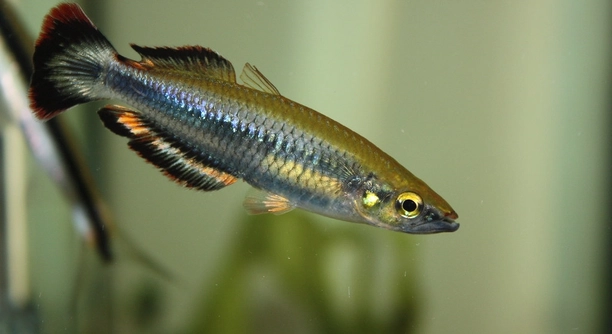
Rainbowfish are small, colorful freshwater fish that brighten any aquarium. They are known for their playful behavior and lively movements, often swimming in groups. Many aquarium owners enjoy watching their daily activities and interactions with each other.
Rainbowfish often display increased activity before feeding time. This behavior is a result of anticipatory responses to regular feeding schedules. Fish become more alert, swim faster, and gather near the feeding area as a natural reaction to upcoming meals.
Observing these patterns can help you better understand your fish’s behavior. Recognizing their routines provides insight into their health and daily needs.
Understanding Rainbowfish Activity Patterns
Rainbowfish often show predictable activity patterns throughout the day. Their movement tends to increase in the morning and late afternoon, which aligns with their natural feeding instincts. Many aquarists notice that the fish swim more energetically near the water surface or gather around decorations when feeding time approaches. These behaviors are influenced by light, water temperature, and feeding schedules. Consistent feeding times help reinforce this activity, as the fish learn to anticipate food. Observing these patterns can give insight into their well-being, as sudden changes in behavior may indicate stress or illness. Their social nature also plays a role, as group swimming and chasing are common, especially before meals. Understanding these activity patterns helps you provide better care and ensures the fish remain healthy, active, and vibrant, which contributes to a lively aquarium environment that reflects their natural habits and instincts.
Predictable behavior before feeding indicates a strong connection between routine and activity. Observing this helps monitor fish health.
Watching rainbowfish before feeding reveals subtle social interactions. They often gather, display excitement, and communicate non-verbally with each other, which makes the aquarium feel alive. Paying attention to these details can guide adjustments in feeding amounts, timing, or tank environment, ensuring balanced behavior and healthy activity levels.
Factors Affecting Pre-Feeding Behavior
Activity levels before feeding can be influenced by multiple factors, including tank size, light exposure, and water quality. Smaller tanks may restrict movement, while clean, well-maintained water encourages healthy swimming patterns.
Consistency in feeding schedules plays a major role in behavior. Rainbowfish quickly learn when to expect food and often respond with increased swimming, jumping, or darting near the surface. Light conditions also matter; gradual changes in lighting can trigger natural activity peaks. Social dynamics in the tank further affect pre-feeding activity, as fish may compete or synchronize movements within their group. Stress from overcrowding, sudden temperature shifts, or poor water quality can reduce their responsiveness, making them less active before meals. Understanding these factors allows better management of tank conditions to support healthy, natural behavior. By observing and adjusting these elements, you can maintain a vibrant environment where rainbowfish thrive, respond predictably to feeding times, and remain visually engaging for daily observation.
Signs Your Rainbowfish Are More Active
Increased movement near the water surface or around decorations often shows anticipation for feeding. They may swim in small circles, dart quickly, or gather in groups, displaying clear excitement. Observing these signs regularly helps gauge their behavior and overall health effectively.
Heightened activity before feeding is a natural response to routine. Rainbowfish often become alert, swim faster, and interact more with tankmates. This behavior can also include jumping or chasing, reflecting both excitement and instinct. Keeping a consistent feeding schedule reinforces these patterns and allows the fish to anticipate meals, creating a predictable daily routine. Monitoring these responses helps identify changes in energy levels, indicating whether adjustments in feeding, tank conditions, or water quality are needed to maintain optimal fish health and comfort.
Social interaction among rainbowfish also intensifies before feeding. Groups often swim together, displaying coordinated movements and playful chasing. This behavior shows both anticipation for food and their instinct to stay alert in a shared environment. Observing these interactions provides insight into tank dynamics, allowing better care for all fish. Recognizing individual personalities helps in adjusting feeding practices, ensuring no fish is left out, and maintaining harmony within the aquarium. It also reflects their natural behavior patterns in the wild.
How Feeding Schedules Influence Activity
Feeding schedules strongly impact pre-feeding activity. Fish quickly learn the timing of meals, and deviations can reduce or increase excitement. Regular timing helps maintain consistent energy patterns and overall well-being.
Rainbowfish are creatures of habit, responding to predictable routines. When feedings occur at the same time daily, fish show increased alertness and movement prior to the meal. The anticipation often includes swimming to the surface, gathering near decorations, and interacting with tankmates. Consistent feeding strengthens their internal clock, reducing stress and preventing erratic behavior. Irregular schedules can confuse fish, lowering activity and causing competition during feeding. Careful observation of their response to feeding times helps optimize timing and quantity, supporting healthy growth and social behavior.
Adjusting feeding schedules can also correct overactive or underactive behavior. If fish show excessive excitement or aggression, slightly altering timing or dividing food into smaller portions helps maintain calm. Observation of responses to these adjustments informs the best routine for your aquarium. Combining regular schedules with proper tank maintenance, water quality, and social balance ensures rainbowfish remain active, healthy, and comfortable, providing a lively and harmonious tank environment for long-term care.
Environmental Factors Affecting Activity
Water temperature, light levels, and tank size all influence rainbowfish activity. Warmer water within the appropriate range encourages movement, while dim lighting may reduce alertness. Ensuring the tank environment meets their needs supports natural behavior patterns.
Plants, decorations, and open swimming areas also impact activity. Fish feel more secure in well-structured spaces, which encourages exploration and interaction. Crowded or bare tanks can lead to stress or reduced movement, affecting pre-feeding behavior. Regular monitoring of these conditions ensures rainbowfish remain lively and responsive to feeding routines.
Feeding Types and Their Impact
Different types of food can change how active rainbowfish become before feeding. Flakes, pellets, frozen, or live foods each trigger unique responses, with live foods often prompting the most excitement due to natural hunting instincts. Adjusting food type can influence anticipation and overall activity.
Monitoring Rainbowfish Energy Levels
Keeping track of energy levels helps identify health or environmental issues. Changes in pre-feeding behavior often indicate adjustments are needed in diet, tank conditions, or social dynamics.
FAQ
Why do rainbowfish become more active before feeding?
Rainbowfish increase activity before feeding due to learned routines and natural instincts. Over time, they associate certain cues, like light changes or your presence near the tank, with mealtime. This anticipation triggers faster swimming, gathering near decorations, and social interactions, reflecting excitement and alertness. Regular feeding schedules strengthen this behavior, making it predictable and easier to monitor.
How can I tell if their pre-feeding activity is normal?
Normal pre-feeding activity includes swimming near the surface, mild chasing, and alert movement. Fish should not appear frantic, constantly hitting tank walls, or showing signs of stress like rapid gill movement. Observing them daily helps distinguish typical anticipation from unusual behavior, which may indicate health or environmental issues.
Does the type of food affect their activity level?
Yes, food type significantly impacts pre-feeding behavior. Live foods like brine shrimp or daphnia often trigger the most excitement, as they stimulate natural hunting instincts. Frozen or pellet foods cause moderate activity, while some flake foods may generate only mild anticipation. Rotating food types can help maintain healthy responses.
Can lighting affect how active they are before feeding?
Lighting plays a crucial role in rainbowfish activity. Gradual changes that mimic natural daylight encourage normal behavior, while sudden or dim lighting can reduce movement. Consistent light schedules, ideally aligned with feeding times, reinforce anticipatory activity and help maintain their internal clock.
Do tank size and environment influence their pre-feeding behavior?
Absolutely. Larger tanks allow more swimming space, promoting natural activity. Well-decorated tanks with plants and hiding spots provide security, reducing stress and encouraging exploration. Overcrowded or bare tanks can limit movement and diminish pre-feeding excitement. Adjusting environment supports healthy behavior and prevents conflicts among fish.
Is it normal for some rainbowfish to be less active than others before feeding?
Yes, individual differences are common. Some fish may naturally be more timid or less food-motivated, while others display high energy. Observing their regular patterns helps ensure each fish remains healthy. Minor differences are normal, but sudden decreases in activity may indicate illness or stress.
How often should I feed rainbowfish to maintain healthy activity patterns?
Most rainbowfish do well with two small feedings per day. Consistent timing encourages predictable pre-feeding activity without overfeeding. Avoid irregular schedules, as these can reduce anticipation or trigger excessive competition. Dividing portions helps maintain energy levels and supports long-term health.
Can pre-feeding activity indicate health problems?
Yes, changes in energy or behavior can signal issues. Reduced activity, loss of coordination, or abnormal swimming may indicate stress, poor water quality, or illness. Monitoring patterns allows early intervention, ensuring water parameters, diet, and tank conditions are adjusted to maintain fish health.
Should I interact with my rainbowfish before feeding?
Minimal interaction is enough to reinforce routines. Simply approaching the tank or tapping lightly can signal feeding time. Avoid excessive disturbance, which can stress fish. Observing their response helps gauge their comfort and anticipation, supporting predictable and healthy behavior.
How long before feeding should I expect increased activity?
Rainbowfish typically begin showing signs of anticipation 10–15 minutes before scheduled feeding. They may swim more energetically, gather near favorite spots, and interact with tankmates. Consistency in schedule helps them predict mealtime, strengthening natural activity patterns over time.
Can feeding too much or too little affect pre-feeding activity?
Yes, overfeeding can reduce activity as fish become sluggish, while underfeeding may lead to constant agitation or stress. Balanced portions and consistent schedules ensure healthy energy levels, maintain interest in feeding times, and prevent health problems.
Are younger rainbowfish more active than older ones before feeding?
Generally, younger rainbowfish show higher pre-feeding activity due to faster metabolism and curiosity. Older fish may still display anticipation but in a calmer, less energetic way. Observing age-related differences helps tailor feeding portions and tank conditions to suit all life stages.
Can water temperature changes impact activity levels?
Yes, rainbowfish are sensitive to temperature. Optimal ranges encourage natural movement and feeding anticipation. Sudden drops or rises can reduce energy, causing lethargy or erratic behavior. Maintaining stable, appropriate water temperature supports healthy pre-feeding activity and overall well-being.
How can I encourage healthy pre-feeding activity?
Maintaining consistent feeding schedules, clean water, appropriate temperature, and balanced nutrition encourages predictable, healthy activity. Providing a comfortable environment with space to swim and hiding spots allows natural behavior, including social interaction and exploration, to thrive before meals.
Is it okay if activity levels vary day to day?
Minor variations are normal due to mood, environmental factors, or slight schedule changes. Sudden or prolonged reductions in movement may indicate problems. Daily observation and awareness of typical behavior help identify unusual changes, supporting timely care and adjustments in tank management.
Do rainbowfish learn to anticipate feeding through observation?
Yes, they quickly learn routines by observing cues like your approach, sound of food containers, or tank lighting changes. This learning process strengthens anticipation and allows predictable activity patterns, reflecting their intelligence and adaptability within a home aquarium environment.
Can stress interfere with pre-feeding behavior?
Stress from overcrowding, aggressive tankmates, poor water quality, or sudden changes can reduce pre-feeding activity. Stress management through proper tank setup, stable water conditions, and compatible social groups ensures rainbowfish remain alert and responsive to feeding routines, maintaining healthy energy and behavior.
How long should pre-feeding activity last?
Typically, heightened activity lasts until the food is offered, around 10–15 minutes before mealtime. Extending beyond this may indicate impatience or stress. Observing consistent, moderate activity is a good sign of healthy anticipation and proper care.
What are signs that pre-feeding excitement is excessive?
Excessive activity includes frantic swimming, aggression, or constant hitting against tank walls. These behaviors suggest overfeeding, insufficient space, or stress. Adjusting feeding portions, timing, or tank environment helps moderate behavior and maintain safety for all fish.
Can pre-feeding activity be used to monitor growth and health?
Yes, consistent activity patterns reflect energy levels, appetite, and overall health. Noticing declines or sudden changes allows early intervention for dietary, environmental, or health issues. Tracking these patterns supports long-term well-being and ensures rainbowfish remain active and thriving.
Is it normal for rainbowfish to stop moving after feeding?
After feeding, fish may slow down to digest food, which is normal. A brief rest period is expected. Prolonged lethargy, however, may indicate overfeeding or water quality issues. Observing post-feeding behavior helps maintain balance in diet and tank conditions.
How does tank noise affect pre-feeding behavior?
Excessive noise can distract or stress rainbowfish, reducing anticipatory activity. Quiet surroundings before feeding help maintain focus and allow natural routines to develop. Minimal disturbance encourages predictable behavior and healthier energy levels.
Can introducing new fish affect pre-feeding activity?
Yes, new additions may disrupt established routines temporarily. Rainbowfish may become cautious or more aggressive. Maintaining a calm introduction process and observing interactions ensures existing fish retain normal pre-feeding activity while newcomers adjust safely.
How does age affect response to feeding schedules?
Younger fish typically respond faster and more energetically. Older fish may anticipate meals calmly. Adjusting feeding size and timing to age differences ensures all fish remain healthy, active, and comfortable in their shared environment.
Does water flow impact pre-feeding activity?
Moderate water flow encourages swimming and alertness, enhancing pre-feeding activity. Too strong a current can stress fish, reducing movement, while stagnant water may limit engagement. Proper flow supports natural behavior and anticipation for feeding.
Can seasonal changes affect pre-feeding behavior?
Slight variations in temperature and daylight hours can influence energy levels. Rainbowfish may show reduced or increased activity depending on these changes. Maintaining consistent indoor conditions helps minimize seasonal impacts and supports predictable pre-feeding patterns.
How can I safely increase pre-feeding activity?
Offering live or varied foods, maintaining clean water, consistent schedules, and stimulating tank environments encourages activity. Providing hiding spots and open swimming areas supports natural behavior while keeping anticipation healthy and engaging.
Is it normal for fish to compete during pre-feeding activity?
Mild competition is typical, especially in social groups. Aggression should remain controlled. Dividing food and ensuring adequate space helps prevent conflicts and supports a balanced, healthy pre-feeding response.
Can I train rainbowfish to recognize specific feeding cues?
Yes, repeated cues like tapping the tank, turning on lights, or shaking a food container help fish learn to anticipate feeding. Over time, this enhances pre-feeding activity and creates predictable, manageable routines.
How important is observation in managing pre-feeding activity?
Observation is key. Watching swimming patterns, energy levels, and interactions provides insight into health, social dynamics, and feeding needs. Consistent monitoring allows timely adjustments, ensuring rainbowfish remain active, comfortable, and healthy.
What role does water quality play in pre-feeding behavior?
High water quality supports energy and alertness. Poor conditions can reduce movement, increase stress, and affect appetite. Regular testing, cleaning, and maintenance ensure fish remain active and responsive to feeding schedules.
Can pre-feeding activity indicate readiness for breeding?
In some cases, increased activity and heightened alertness may signal reproductive readiness. Observing behavior alongside other breeding signs helps identify potential mating periods, supporting careful management of tank conditions.
How long does it take for rainbowfish to adapt to new feeding routines?
Typically, 1–2 weeks of consistent schedules are enough for rainbowfish to adjust. Gradual changes reduce stress and maintain healthy anticipation. Observing responses ensures the new routine is effective and sustainable.
Is it normal for rainbowfish to ignore food sometimes?
Occasional disinterest may occur due to stress, illness, or temporary distraction. Persistent refusal, however, signals potential health or water issues. Monitoring appetite alongside pre-feeding activity ensures timely intervention and care.
Can pre-feeding activity be used to identify dominant fish?
Yes, more active fish often assert dominance during group anticipation. Watching interactions helps identify social hierarchy and manage feeding to prevent stress or aggression, ensuring a balanced environment for all tank inhabitants.
How does temperature consistency affect pre-feeding activity?
Stable temperatures promote reliable energy patterns. Fluctuations can reduce alertness, making fish less responsive before feeding. Maintaining proper conditions supports healthy metabolism, normal activity, and predictable anticipation.
Are there differences in pre-feeding activity between rainbowfish species?
Yes, some species naturally show higher energy levels, while others are calmer. Knowing species-specific behavior helps set realistic expectations and tailor feeding routines for optimal care and stimulation.
How does overcrowding influence pre-feeding behavior?
Overcrowding can reduce activity due to stress or competition. Providing enough space and hiding spots helps maintain calm, predictable pre-feeding behavior and prevents aggression, ensuring all fish can feed safely and comfortably.
Can changing tank decorations affect pre-feeding activity?
Yes, rearranging plants or ornaments can temporarily reduce movement as fish adjust. Gradual changes help maintain anticipation without causing stress, allowing natural behavior to continue in a slightly altered environment.
How do rainbowfish communicate excitement before feeding?
They display body movements, color intensity, and group swimming patterns to indicate anticipation. Social cues between fish reinforce collective activity, signaling readiness and reinforcing group cohesion before meals.
What is the safest way to increase excitement before feeding?
Introduce consistent cues, provide varied food types, and maintain clean, stimulating environments. Avoid sudden disturbances or overcrowding, focusing instead on subtle encouragement that promotes natural, healthy pre-feeding behavior.
Can pre-feeding activity predict overall aquarium health?
Yes, consistent activity shows good water quality, proper nutrition, and balanced social dynamics. Deviations may signal problems, making pre-feeding behavior a useful tool for ongoing observation and maintenance of a healthy aquarium ecosystem.
How often should I observe pre-feeding behavior?
Daily observation is ideal. Tracking patterns before feeding helps identify trends, changes, or health issues. Consistent monitoring supports proper care, encourages natural behavior, and ensures rainbowfish remain active and comfortable.
Can pre-feeding behavior affect long-term health?
Healthy anticipatory activity reflects proper diet, environment, and social structure. Supporting predictable, moderate pre-feeding energy helps maintain metabolism, reduces stress, and ensures long-term growth and vitality for rainbowfish.
What should I do if pre-feeding activity suddenly decreases?
Check water quality, tank conditions, and health of the fish. Stress, illness, or environmental changes may be factors. Early intervention ensures the fish return to normal behavior and maintain overall well-being.
Can multiple feeding cues improve pre-feeding activity?
Yes, using consistent light signals, container sounds, or gentle tapping can strengthen anticipatory behavior. Multiple cues reinforce routines, making activity predictable and healthy without stressing the fish.
Does tank placement affect pre-feeding behavior?
Yes, location matters. Tanks in high-traffic areas may cause stress, while quiet, stable spots encourage normal anticipation. Proper placement supports healthy activity, calm interactions, and predictable feeding responses.
Is pre-feeding activity affected by tankmates?
Other fish influence behavior. Aggressive or overly timid tankmates can alter movement patterns. Observing interactions and adjusting stocking or space ensures balanced pre-feeding activity for all inhabitants.
Can pre-feeding activity help with weight management?
Indirectly, yes. Observing how fish respond to portion sizes and activity levels helps adjust feeding to prevent overfeeding or underfeeding, supporting healthy growth and energy balance.
Are there seasonal adjustments I should make for pre-feeding activity?
Maintain consistent indoor temperature and lighting. Minor seasonal variations are fine, but extreme changes may alter energy levels. Stable conditions support predictable behavior year-round.
Does water hardness affect pre-feeding behavior?
Yes, proper hardness supports metabolism and movement. Incorrect hardness may reduce activity or cause stress. Maintaining recommended parameters promotes natural, healthy anticipation before feeding.
Can pre-feeding activity indicate compatibility among fish?
Observing how individuals respond together helps identify social harmony. Fish that consistently display calm and coordinated activity are likely compatible, while frequent chasing or stress signals may indicate conflicts.
How long should I wait before feeding after observing pre-feeding activity?
Feeding should follow shortly after activity begins, typically within 10–15 minutes. Delaying too long may stress the fish or disrupt routines. Consistency supports healthy energy levels and anticipation.
Is it normal for rainbowfish to switch spots in the tank before feeding?
Yes, movement between preferred locations is typical as they anticipate food. This exploration reflects alertness and social interaction, contributing to healthy pre-feeding behavior and engagement within the aquarium environment.
Can pre-feeding behavior be used to teach new fish feeding routines?
Yes, established fish display cues that newcomers can learn. Observing and mimicking the group helps integrate new fish, encouraging predictable and healthy pre-feeding activity across the tank.
What is the best way to track pre-feeding activity over time?
Use a simple observation log or notes on behavior patterns, energy levels, and social interactions. Tracking trends helps identify changes, monitor health, and maintain consistent care for all rainbowfish.
Does water pH affect pre-feeding behavior?
Yes, stable pH within the recommended range supports metabolism and activity. Fluctuating or inappropriate pH can reduce energy, alter behavior, or stress fish, affecting their response to feeding cues.
Can pre-feeding behavior indicate mood or comfort level?
Yes, active, alert, and coordinated movement reflects comfort and low stress. Lethargy, hiding, or frantic behavior may indicate discomfort or environmental issues, guiding adjustments for a healthier tank environment.
How important is variety in feeding to maintain activity?
Variety keeps fish engaged and motivated. Offering different textures, flavors, and food types stimulates natural behavior, encourages consistent pre-feeding activity, and supports balanced nutrition for overall health.
Can sudden changes in feeding time disrupt activity patterns?
Yes, irregular feeding schedules can confuse fish, reduce anticipation, or cause stress. Maintaining consistency ensures predictable energy levels and healthy pre-feeding behavior.
How can I minimize stress to support healthy pre-feeding activity?
Ensure stable water conditions, appropriate tankmates, consistent feeding schedules, and proper tank structure. Minimizing sudden changes promotes calm, predictable, and active pre-feeding behavior.
Does observing pre-feeding activity improve overall aquarium management?
Yes, it provides insight into fish health, social dynamics, and tank conditions. Using these observations to adjust care practices ensures a balanced, vibrant, and healthy aquarium environment for rainbowfish.
How long does it take to see changes after adjusting conditions?
Behavioral changes are often noticeable within a few days to a week, depending on the adjustment. Consistent monitoring ensures modifications have the desired effect on pre-feeding activity.
Can pre-feeding activity predict feeding success?
Yes, active and alert behavior usually indicates fish are ready to feed and will accept food readily. Reduced activity may signal disinterest, stress, or environmental issues that need attention.
Are there differences in activity between male and female rainbowfish?
Males often show slightly higher pre-feeding energy due to natural territorial or display behaviors. Females may be calmer but still anticipate meals. Recognizing these differences helps manage group dynamics and feeding strategies effectively.
Can pre-feeding activity indicate tank overcrowding?
Yes, frequent chasing, stress, or erratic swimming may indicate insufficient space. Adjusting stocking levels or rearranging the tank helps maintain calm and healthy pre-feeding behavior.
How does water filtration affect activity?
Efficient filtration keeps water clean, reducing stress and supporting energy levels. Poor filtration can decrease activity, cause stress, and reduce pre-feeding excitement, affecting overall fish health.
Can pre-feeding activity be used to detect aggression?
Yes, chasing or nipping before feeding may signal dominance issues. Observing patterns allows interventions like adjusting space, food distribution, or group composition to reduce stress and maintain harmony.
What role does diet play in consistent pre-feeding activity?
Balanced nutrition supports energy levels and natural anticipation. Poor diet can reduce movement, increase stress, or disrupt feeding patterns. Providing varied, high-quality food encourages predictable and healthy pre-feeding behavior.
Can observing pre-feeding behavior help plan tank layout?
Yes, watching where fish gather and swim before feeding highlights preferred areas. This information guides placement of plants, decorations, and feeding zones to encourage natural movement and reduce stress.
Does water oxygenation impact pre-feeding activity?
Yes, adequate oxygen supports metabolism and alertness. Low oxygen reduces energy and responsiveness, diminishing pre-feeding activity. Maintaining proper aeration ensures healthy anticipation and overall well-being.
How long should a healthy pre-feeding response last in total?
Typically, 10–15 minutes before meals is normal. Activity should gradually reduce after feeding begins. Longer or shorter periods may indicate environmental, health, or feeding issues requiring attention.
Can pre-feeding activity help identify shy or hidden fish?
Yes,
Rainbowfish are naturally active and social fish, and observing their behavior before feeding can provide a lot of insight into their health and well-being. Pre-feeding activity is often a sign of anticipation, alertness, and engagement with their environment. When rainbowfish gather near the surface, swim energetically, or interact with tankmates before meals, it reflects both instinctive behavior and learned routines. Regular feeding schedules and consistent care strengthen these patterns, making the fish more predictable and easier to monitor. Watching these behaviors closely allows you to notice changes that could indicate stress, illness, or environmental issues, helping maintain a healthy and balanced aquarium.
Maintaining proper tank conditions is essential for supporting pre-feeding activity. Factors like water temperature, lighting, tank size, and decorations all influence how lively the fish appear. Warmer, stable water encourages natural movement, while appropriate lighting helps maintain their internal clock and alertness. Well-structured tanks with plants, hiding spots, and open swimming areas allow rainbowfish to explore and interact safely, reducing stress and promoting healthy energy levels. Overcrowding or poorly maintained water can diminish activity and lead to conflicts or health problems. Paying attention to these details helps ensure that rainbowfish not only remain active before feeding but also thrive overall.
Feeding routines and food types play a significant role in how rainbowfish behave. Live or varied foods often trigger the most excitement, stimulating natural hunting instincts, while flakes or pellets may produce a calmer response. Consistency in meal times encourages predictable anticipation, reducing stress and allowing all fish to access food fairly. Observing how different foods and feeding schedules affect behavior helps fine-tune care to meet the needs of the fish. By monitoring their pre-feeding activity and adjusting environmental and dietary factors as needed, you can support both the physical health and natural instincts of rainbowfish. Over time, this attentiveness ensures that the aquarium remains a lively, balanced, and engaging environment, where the fish display natural behavior patterns that reflect their well-being.

Hello,
If you enjoy the content that we create, please consider saying a "Thank You!" by leaving a tip.
Every little bit helps us continue crafting quality advice that supports the health, happiness, and well-being of pets around the world, for pets of all shapes, sizes, and species.
We really appreciate the kindness and support that you show us!