
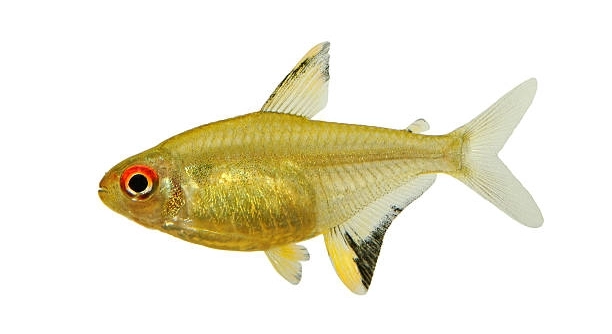
Keeping lemon tetras can be a delightful experience for many aquarium enthusiasts. Their bright colors and peaceful nature make them a popular choice, especially for beginners looking to create a lively, attractive tank environment.
Lemon tetras can survive in a 10-gallon tank, but it requires careful management. Maintaining proper water conditions, providing adequate swimming space, and keeping a small, compatible group are essential to support their health and behavior.
Proper planning and understanding their needs will help ensure your lemon tetras thrive and remain active in a smaller tank setup.
Tank Size and Space Requirements
A 10-gallon tank can house lemon tetras, but space is limited. These fish are active swimmers and enjoy moving in small groups. Overcrowding can stress them, leading to illness or aggression. Ideally, a group of six or fewer lemon tetras fits comfortably, allowing each fish enough room to swim freely. The tank should also have plants, hiding spots, and open areas to mimic their natural environment. Regular maintenance, such as water changes and monitoring water quality, is crucial in smaller tanks, as waste accumulates faster. A tank with a tight setup may require careful planning of decorations and filtration systems to maintain water clarity and oxygen levels. Keeping water parameters stable—temperature, pH, and hardness—supports healthy behavior and reduces the likelihood of stress-related issues. Observing the fish daily helps detect early signs of illness, making it easier to address any problems before they become serious. Proper space ensures your tetras live a longer, healthier life.
Smaller tanks need frequent attention to maintain water quality and avoid overcrowding issues.
Even in a 10-gallon tank, careful placement of plants and rocks can create zones for swimming, hiding, and exploring. This setup encourages natural behavior, reduces stress, and enhances the tank’s aesthetic appeal. A balance between open water and decoration helps maintain a healthy environment.
Water Quality and Maintenance
Water quality is critical for lemon tetras’ health in smaller tanks.
Maintaining clean, stable water prevents disease and promotes activity. Regular water changes, proper filtration, and monitoring of pH, ammonia, nitrites, and nitrates are essential. Small tanks are more prone to fluctuations, so consistent care is necessary.
Because lemon tetras are sensitive to sudden changes, a routine maintenance schedule is important. Weekly water changes of 25-30% keep the environment stable, while a quality filter ensures oxygenation and removes debris. Using a water conditioner removes harmful chemicals from tap water, making it safe for the fish. Monitoring temperature is equally important, as these fish prefer 72-78°F. Testing kits help track pH and ammonia levels, allowing early intervention if parameters drift. Even small mistakes can quickly impact fish health in a compact tank, so observation and action are key. Adequate aeration, combined with live plants, contributes to oxygen levels and reduces stress. Maintaining these standards allows lemon tetras to thrive, showing brighter colors and active schooling behavior, even in a smaller setup.
Feeding and Diet
Lemon tetras need a balanced diet for health and color. They thrive on small flakes, pellets, and occasional live or frozen foods like brine shrimp or daphnia.
A varied diet helps prevent nutritional deficiencies and keeps the fish active. Feeding small amounts two to three times a day ensures they consume all food quickly, reducing waste buildup in the tank. Overfeeding can cause water quality issues, so measuring portions carefully is important. Live or frozen foods provide protein and stimulate natural hunting behaviors, while high-quality flakes or pellets supply vitamins and minerals. Observing their eating habits helps determine if adjustments are needed.
Introducing occasional vegetable-based foods, like blanched spinach or zucchini, can enhance digestion and add variety. Proper feeding schedules and portion control directly support their growth, immune system, and schooling behavior. Small tanks especially benefit from careful feeding to maintain clean water and healthy fish.
Tank Mates and Compatibility
Lemon tetras are peaceful and do well with similar-sized, non-aggressive fish.
Choosing compatible tank mates prevents stress and aggression. Species like small rasboras, guppies, or corydoras catfish are suitable companions. Avoid larger or aggressive fish that could harm or outcompete them.
Schooling behavior is important for lemon tetras’ comfort, so a small group should remain together. Introducing new fish gradually allows the tank to adjust and reduces territorial disputes. Monitoring interactions helps ensure harmony and safety for all species. Proper selection and placement of tank mates contribute to a balanced, stress-free environment, promoting vibrant colors and natural activity patterns in the lemon tetras.
Lighting and Plant Setup
Lemon tetras prefer moderate lighting that mimics their natural habitat. Too bright lighting can stress them, while dim lighting supports calm behavior and highlights their yellow coloration.
Live plants improve water quality and provide hiding spots. Hardy plants like Java fern or Anubias are ideal for small tanks, creating natural cover and enhancing the tank’s appearance.
Water Temperature and pH
Maintaining a stable temperature of 72-78°F and a pH between 6.5 and 7.5 ensures lemon tetras remain healthy. Sudden shifts can cause stress, weaken immunity, and reduce lifespan. Regular monitoring with a thermometer and test kits is essential for stability.
Breeding Lemon Tetras
Breeding lemon tetras requires separate breeding tanks and controlled conditions. Soft, slightly acidic water and fine-leaved plants encourage spawning. Eggs must be protected from adult fish to ensure successful hatching.
Common Health Issues
Lemon tetras can face fin rot, ich, or stress-related illnesses. Observing behavior, maintaining clean water, and quarantining new fish reduce risk. Early intervention improves survival and overall health.
FAQ
Can lemon tetras live happily in a 10-gallon tank?
Yes, lemon tetras can live in a 10-gallon tank if the group size is small and conditions are carefully managed. Maintaining clean water, stable temperature, and proper filtration is essential. Overcrowding or poor water quality can cause stress and illness.
How many lemon tetras can I keep in a 10-gallon tank?
A group of six is ideal for a 10-gallon tank. This allows each fish enough space to swim and display natural schooling behavior. Larger groups may lead to overcrowding, stress, and increased waste, which can harm water quality and fish health.
What should I feed lemon tetras in a small tank?
Lemon tetras thrive on a mix of high-quality flakes or pellets, supplemented with live or frozen foods like brine shrimp, daphnia, or bloodworms. Feeding small portions two to three times a day prevents leftover food from polluting the water. Occasional vegetable matter can support digestion.
Can I mix lemon tetras with other fish?
Yes, they are peaceful and compatible with small, non-aggressive fish. Good tank mates include small rasboras, guppies, and corydoras. Avoid large or aggressive species that might bully or eat the tetras. Gradual introductions help maintain a peaceful tank.
How often should I change the water?
In a 10-gallon tank, weekly water changes of about 25-30% are recommended. This keeps nitrate and ammonia levels low and maintains water clarity. Consistent monitoring with test kits ensures that the water remains safe and healthy for your tetras.
What temperature and pH are best for lemon tetras?
Lemon tetras prefer a temperature between 72-78°F and a pH from 6.5 to 7.5. Sudden changes in temperature or pH can stress the fish and weaken their immune system. Using a heater, thermometer, and pH test kit ensures stable conditions.
Do lemon tetras need live plants in the tank?
Live plants are not required but highly recommended. They provide hiding spots, improve water quality, and help reduce stress. Hardy plants like Java fern, Anubias, or floating plants work well in a 10-gallon tank and create a more natural environment.
Can lemon tetras breed in a 10-gallon tank?
Breeding is possible but more successful in a separate breeding tank. Soft, slightly acidic water and fine-leaved plants encourage spawning. Eggs should be protected from adult fish, as adults may eat them. Maintaining ideal water parameters is key to successful breeding.
What are common health problems in lemon tetras?
Fin rot, ich, and stress-related illnesses are common if water quality is poor or the fish are overcrowded. Observing behavior daily, maintaining clean water, and quarantining new fish can prevent many issues. Prompt treatment improves recovery chances.
How do I know if my lemon tetras are stressed?
Signs of stress include clamped fins, faded colors, erratic swimming, or hiding excessively. Stress often results from poor water quality, overcrowding, or incompatible tank mates. Addressing these issues promptly helps restore their health and natural behavior.
Can I keep a 10-gallon tank with only lemon tetras?
Yes, a small group of six lemon tetras can thrive alone in a 10-gallon tank. This setup simplifies care, reduces aggression risks, and allows proper swimming space. Adding live plants and decorations enhances their environment and supports natural schooling behavior.
How can I maintain water quality in a small tank?
Regular water changes, proper filtration, and avoiding overfeeding are essential. Monitoring ammonia, nitrite, nitrate, and pH levels ensures a safe environment. Small tanks are more prone to rapid fluctuations, so consistent care is necessary to keep lemon tetras healthy.
What is the best lighting for a 10-gallon lemon tetra tank?
Moderate lighting is best. Too bright lighting can stress the fish, while dim lighting helps them feel secure and displays their yellow coloration. Combining live plants with proper lighting enhances their environment and promotes calm, natural behavior.
Do lemon tetras need a heater in a small tank?
Yes, a heater helps maintain a stable temperature, which is crucial for their health. Sudden temperature drops can weaken the immune system and lead to illness. Setting the heater within their preferred range keeps them active and healthy.
How long do lemon tetras live in captivity?
With proper care, lemon tetras can live 3-5 years. Maintaining clean water, stable temperature, a balanced diet, and a stress-free environment supports longevity. Regular observation helps detect early signs of illness, improving survival and quality of life.
Lemon tetras can be a great choice for a smaller tank like a 10-gallon, but success depends on careful planning and attention to detail. Their small size and peaceful nature make them suitable for compact setups, but they still need space to swim and a stable environment to stay healthy. Keeping a group of six or fewer ensures they can school naturally and reduces stress caused by overcrowding. In a small tank, even minor mistakes in water quality or maintenance can quickly affect the fish, so consistent care is essential. Paying attention to water parameters like temperature, pH, ammonia, nitrite, and nitrate is important to keep the fish thriving. Using a reliable heater and filter, and testing the water regularly, will help create a stable environment that supports their natural behavior and overall health.
Feeding lemon tetras the right diet is another key factor in maintaining a healthy tank. They need a combination of high-quality flakes or pellets for daily nutrition and live or frozen foods for protein. Occasional vegetable-based foods can help digestion and add variety. Overfeeding should be avoided, especially in a 10-gallon tank, because leftover food can quickly pollute the water and harm the fish. Dividing the daily amount into two or three small feedings ensures the fish eat everything and minimizes waste. Observing how the fish respond to their meals allows adjustments and helps identify potential health problems early. A balanced diet directly affects their coloration, activity levels, and immune system, which is especially important in a smaller tank where stress and competition for resources can impact overall well-being.
Creating a proper environment involves more than just tank size and food. Decorations, live plants, and moderate lighting contribute to a natural and comfortable space for lemon tetras. Plants like Java fern or Anubias provide hiding spots and improve water quality, while open swimming areas allow the fish to school naturally. Choosing compatible tank mates ensures the tank remains peaceful, and gradual introductions prevent aggression. Regular maintenance, such as weekly water changes and filter cleaning, keeps the tank healthy and stable. Even though a 10-gallon tank is compact, careful attention to these factors can support vibrant, active lemon tetras. With patience and consistent care, a small tank can provide a thriving environment that showcases their bright colors, natural behaviors, and peaceful schooling patterns, allowing owners to enjoy a healthy and lively aquarium.

Hello,
If you enjoy the content that we create, please consider saying a "Thank You!" by leaving a tip.
Every little bit helps us continue crafting quality advice that supports the health, happiness, and well-being of pets around the world, for pets of all shapes, sizes, and species.
We really appreciate the kindness and support that you show us!