
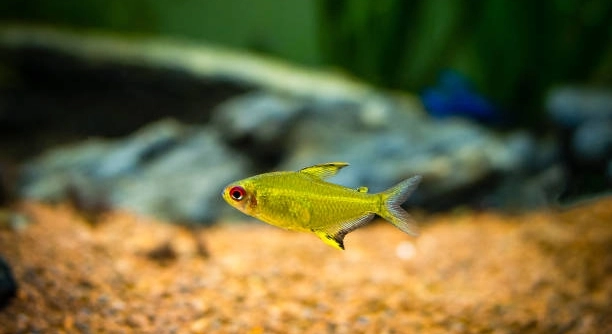
Have you ever cared for lemon tetras and felt unsure about the best way to support their feeding routine while keeping their tank environment calm and balanced each day in your home aquarium setup properly.
Lemon tetras rely on consistent feeding habits that match their small size, active nature and peaceful behavior. Offering varied foods, steady schedules and proper portions supports strong coloration, stable energy levels and long term health within a maintained community aquarium.
Exploring these feeding habits helps you build a smoother routine that supports brighter colors and steady comfort for your tetras.
Understanding Feeding Frequency
Lemon tetras thrive when their feeding schedule stays steady each day, keeping them relaxed and supported in a shared tank. As a woman who enjoys simple routines, I find that planning their meals brings a gentle rhythm to aquarium care. These fish handle small portions well, and offering food they can finish within a short moment helps reduce leftover debris. When their meals stay consistent, their colors appear brighter, and their activity stays smooth. Many keepers notice that lemon tetras respond well to gentle patterns because it mirrors the natural environments they evolved in. A steady pattern also helps limit stress, allowing them to settle comfortably in a group. Preparing their meals in advance can make feeding less hectic, especially when balancing other tasks at home. This method keeps your tetras safe, reduces waste and supports stable water conditions without forcing constant adjustments to the tank’s setup at any time.
Keeping a steady feeding pattern encourages cleaner water, calmer behavior and stronger color in lemon tetras. Small meals offered on time prevent overeating and limit leftover particles that disrupt the tank. This simple approach builds a reliable routine that supports their comfort and overall health in your home aquarium daily.
A clear schedule also helps your tetras adjust to life in a group. Lemon tetras rely on predictable cues to move through their day without stress, making a stable feeding plan valuable. Consistent timing prevents frantic behavior near the surface and limits competition within the group. When each fish receives enough food, their immune systems stay supported and their energy stays balanced. This practical method fits well into everyday routines, especially for keepers who enjoy calm spaces. Maintaining this structure improves water quality, reduces debris and keeps the tank running smoothly while giving your tetras a foundation for lasting wellness.
Choosing Appropriate Foods
Lemon tetras stay healthier when offered foods that match their size and active nature. Flake foods, micro pellets and small frozen items support their natural feeding style. Selecting balanced options helps maintain their color, reduces stress and keeps them comfortable within a calm and stable aquarium environment at all times.
Selecting suitable foods for lemon tetras supports their long term comfort and overall stability in a shared tank environment. These fish have small mouths and quick movements, so they benefit from items that are easy to consume without creating excess debris. Flake foods break apart softly, allowing each fish to capture pieces at a steady pace. Micro pellets sink slowly, giving the group time to feed without rushing. Frozen options like daphnia and brine shrimp add variety that supports vibrant color and consistent energy. Offering a mix of these foods ensures a balanced intake that supports digestion and limits stress during feeding. Many keepers find that alternating between floating and slow sinking foods prevents competition, as different individuals feel comfortable feeding at different levels. This approach keeps your tetras engaged while maintaining steady activity throughout the tank. Maintaining proper food size also reduces leftover waste, leading to cleaner water and fewer adjustments. When you pair suitable foods with regular feeding patterns, the tank remains stable and your tetras display smoother behavior. Over time this method strengthens their well-being, giving you a comfortable rhythm to follow while observing their bright colors and peaceful movements.
Managing Portion Sizes
Offering small portions keeps lemon tetras comfortable and prevents excess debris from settling in the tank. Their small mouths and quick feeding style work best with light servings that can be finished within moments, keeping the water clear and reducing unnecessary stress within the group each day.
Maintaining proper portion sizes supports cleaner water and smoother behavior in lemon tetras. These fish eat quickly, so giving them more than they can finish leads to waste that breaks down fast and affects water quality. I find that offering tiny pinches works best, especially when balancing care with other tasks. Light feedings keep their colors bright and their movements steady. This method also helps prevent overeating, which can cause bloating and digestive discomfort. Keeping portions small allows each fish to feed without pressure, maintaining a calm and organized atmosphere within a shared aquarium.
Adjusting portions based on the number of fish in the tank ensures every tetra receives enough food without crowding. Lemon tetras do well when meals stay predictable and manageable. Small portions help maintain a balanced environment, reducing spikes in ammonia caused by leftover particles. This habit keeps the tank easier to maintain and supports consistent energy levels in your fish. When you watch how quickly they finish their food, it becomes easier to measure the right amount each time. This simple approach keeps their feeding routine steady and prevents unnecessary disruptions.
Balancing Feeding Variety
Offering a balanced mix of foods supports strong coloration, steady energy and better digestion in lemon tetras. A rotation of flakes, micro pellets and small frozen items helps cover their nutritional needs, keeping their feeding routine consistent and manageable within a peaceful aquarium environment.
Rotating different foods keeps your lemon tetras healthy and engaged during mealtime. These fish respond well to a blend of floating and slow sinking items, allowing each individual to feed comfortably. I like using flakes for quick surface feeding, then adding micro pellets to support those that feed lower. Frozen daphnia and brine shrimp offer variety that improves color and supports proper digestion. Balanced rotation prevents repetitive feeding habits that may limit essential nutrients. This method also reduces stress by providing familiar textures and tastes in steady intervals. Maintaining this mix supports stable energy levels and keeps the group coordinated in their movements.
Offering varied foods makes it easier to maintain a healthy tank. Different items break down at different rates, so mixing them carefully helps reduce waste and maintain water clarity. A balanced selection encourages natural feeding patterns and prevents boredom, which can lead to restless behavior. Lemon tetras handle diversity well when introduced gradually, allowing them to adjust without discomfort. Preparing a small weekly rotation helps keep their routine easy to follow without creating extra work. This structure keeps your tetras comfortable, supports lasting health and helps maintain the calm environment they rely on for steady activity.
Avoiding Overfeeding
Keeping portions small prevents digestive issues and limits leftover particles that quickly disrupt water quality. Lemon tetras stay more relaxed when meals remain light, giving them just enough to support their activity without overwhelming their system or increasing the maintenance required in the tank each day.
Feeding lightly also helps maintain stable conditions, especially in a community setup. Extra food breaks down fast and affects water clarity, so I prefer giving only what they can finish within a moment. This simple habit supports steady energy levels and keeps their environment balanced.
Incorporating Occasional Treats
Adding treats like frozen daphnia or brine shrimp offers extra enrichment and supports brighter coloration. I like using them sparingly to avoid disrupting their routine. These small additions give variety without overwhelming their diet, making feeding time smooth and manageable while supporting better digestion and comfort.
Understanding Feeding Behavior
Observing how your lemon tetras eat helps you adjust their feeding plan. Their quick movements and group patterns show when portions or food types need small changes, helping you maintain a stable and comforting routine that fits their natural feeding style.
FAQ
How often should lemon tetras be fed each day
Feeding lemon tetras one to two times per day keeps them comfortable and balanced. I prefer offering very small portions during each feeding because it prevents waste and supports steady digestion. These fish eat quickly, so smaller feedings allow them to finish their food without creating leftover particles that settle in the tank. Maintaining a light routine also helps keep the water clear, which is important for their comfort. When the schedule stays consistent, they remain calmer and more coordinated as a group. Keeping feedings simple and predictable makes the tank easier to manage while supporting stable health.
What foods help support their color and overall condition
Lemon tetras show better color when given a mix of high quality flakes, micro pellets and occasional frozen items like daphnia or brine shrimp. Rotating these foods provides nutrients that support their appearance and energy. I like using flakes for quick surface feeding and micro pellets for those that prefer to eat slightly lower. Frozen foods add variety and create a little extra excitement during feeding time without overwhelming their routine. This balanced approach helps them maintain brighter tones while staying active and calm in a shared environment.
How do I know if I am feeding too much at once
If food remains floating or sinking after a brief moment, the portion was likely too large. Leftover particles break down fast and affect water clarity, so I monitor how quickly my tetras finish their meals. When portions are correct, they eat steadily without rushing or crowding each other. Overfeeding can lead to bloating and digestive discomfort, so keeping meals small keeps them comfortable. Clear water and relaxed swimming patterns usually show that their feeding routine is balanced.
Do lemon tetras need treats or extra enrichment during feeding
Treats are not required every day, but occasional additions can support their comfort and help them stay engaged. Small amounts of frozen daphnia or brine shrimp work well. These treats offer extra nutrients and texture without disturbing their regular diet. I like using them when I want to give the group something a little different, especially when I notice they are especially active. Offering treats sparingly keeps their feeding schedule consistent while maintaining water stability. The fish respond well to the variety as long as portions stay small.
How can I reduce competition during feeding time
Lemon tetras feel more secure when food reaches different areas of the tank. Using both floating and slow sinking foods allows each fish to eat at its own pace. Spreading the food slightly across the surface or letting pellets drift down helps prevent crowding. When the environment stays calm, their group movements look smoother and more coordinated. Maintaining small portions also decreases rushing and pushing, creating a comfortable routine for the entire group.
What signs show that their diet is supporting their health properly
Healthy lemon tetras display steady movement, bright color and relaxed schooling behavior. When their diet is balanced, they show interest during feeding without frantic behavior. Clear eyes, smooth scales and consistent energy also indicate proper nourishment. I watch how they interact as a group because coordinated swimming usually reflects stable digestion and comfort. Clean water, minimal waste and steady behavior confirm that the tank environment supports their feeding routine well. A consistent mix of suitable foods keeps them comfortable long term, making daily care easier and more enjoyable.
Final Thoughts
Caring for lemon tetras becomes easier once you understand how their feeding habits shape their comfort, color and behavior. These fish respond well to routines that stay steady, clear and manageable, especially when living in a peaceful community tank. I find that simple habits, like offering small portions and choosing foods that match their size, make their care feel more natural rather than overwhelming. Their needs are not complicated, but they do rely on consistency. When their meals stay balanced and predictable, they remain calm, coordinated and bright in appearance. This steady behavior reflects how secure they feel in their environment. Clear water, gentle movement and relaxed schooling all show that their feeding routine supports their overall well being. These details create a sense of harmony in the tank, making care feel smoother while still giving you the chance to appreciate their soft colors and lively patterns every day. Keeping things uncomplicated helps build confidence in caring for them while maintaining a stable aquarium.
Maintaining variety in their diet while still keeping their meals light makes a noticeable difference in how they behave. A simple rotation of flakes, micro pellets and frozen treats gives them enough nutrients to stay active without overwhelming their system. I prefer using foods that break down gently and do not cloud the water because these choices help maintain clarity and reduce cleanup. Their feeding habits can shift slightly depending on their energy levels, group dynamics and tank layout, but the core routine remains the same. When you watch them during mealtime, you can easily notice how they move, how quickly they eat and whether they look relaxed or restless. These small signals help guide your feeding decisions and allow you to make adjustments without disrupting their comfort. Watching their interactions helps you learn their preferences and gives a clearer picture of what works for your specific group. Over time these habits turn into an easy pattern that supports both their health and the tank’s balance.
Choosing a calm and consistent approach to their feeding gives you better control over the tank’s condition. Lemon tetras thrive when meals remain light, predictable and suited to their natural behavior. The way they gather, swim and explore the tank becomes more stable when their diet stays balanced and their environment remains clear. I appreciate how these small choices lead to long term stability, reducing stress for both the fish and the keeper. When their feeding routine is handled with care, everything else in the tank becomes easier to manage. The water stays cleaner, their colors stay vibrant and their movements stay smooth. This type of care does not require complicated steps, only steady attention and gentle adjustments. Lemon tetras reward that consistency with peaceful behavior and a visually calming presence, making them enjoyable to keep in a home aquarium.

Hello,
If you enjoy the content that we create, please consider saying a "Thank You!" by leaving a tip.
Every little bit helps us continue crafting quality advice that supports the health, happiness, and well-being of pets around the world, for pets of all shapes, sizes, and species.
We really appreciate the kindness and support that you show us!