
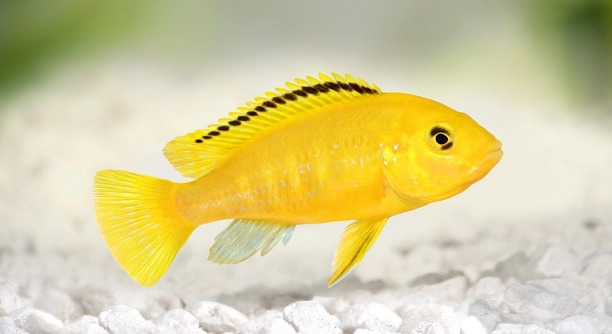
Are your aquarium plans starting to include vibrant, electric yellow cichlids? These colorful fish are popular among hobbyists for their striking appearance and lively behavior. Their presence can bring energy and beauty to a home tank.
Electric yellow cichlids can be kept in a 20-gallon tank, but careful management of their space, water quality, and territorial behavior is essential. Proper filtration, regular maintenance, and appropriate stocking levels are required for their well-being.
Understanding the specific needs of these cichlids will help maintain a healthy, balanced aquarium environment. This guide will provide practical insights for successful care.
Tank Size and Space Requirements
A 20-gallon tank can house electric yellow cichlids, but it is important to monitor their activity and territorial behavior. These fish are active swimmers and need open spaces to move freely, as well as hiding spots to reduce stress. Overcrowding can lead to aggression, so maintaining proper stocking levels is essential. Decorations like rocks and small caves can help break up lines of sight and provide natural barriers. Avoid placing too many plants in the tank, as cichlids may dig them up. Regular water changes and a strong filtration system are necessary to maintain water quality. Temperature should be kept stable between 74 and 80 degrees Fahrenheit. A balanced diet of flakes, pellets, and occasional live food supports their health. Observation is key, as aggressive or stressed fish may need temporary separation. The goal is a healthy, active environment where cichlids can display natural behaviors without overcrowding.
Maintaining proper space reduces stress and aggression, promoting healthier fish. Adequate hiding spots and open swimming areas are critical.
Keeping a 20-gallon tank balanced requires careful planning. Decorations must provide security without restricting swimming space. Rocks and caves create territories, reducing fights. Filtration and water changes prevent buildup of harmful substances. Feeding a varied diet supports growth and vitality. Observing behavior helps identify early signs of stress or aggression. Avoid overstocking, and ensure water temperature stays stable. With consistent care, electric yellow cichlids can thrive even in smaller tanks, allowing their bright colors and active nature to stand out. Strategic placement of hiding spots, regular maintenance, and careful attention to fish behavior ensure a stable, healthy environment. Monitoring interactions between fish prevents prolonged conflicts. Choosing the right number of cichlids and providing a well-structured tank will maintain harmony while allowing each fish to display natural behaviors. Consistency in care creates a sustainable habitat.
Water Quality and Filtration
Maintaining water quality is essential for electric yellow cichlids. High ammonia and nitrite levels are harmful and can stress or kill fish. Filtration systems must handle the bio-load of cichlids effectively. Regular water changes, at least 25% weekly, help maintain a stable environment. Testing water for pH, hardness, and other parameters is recommended to keep conditions within safe ranges. Keeping the tank clean reduces the risk of disease, and removing uneaten food prevents toxins from accumulating. Cichlids are sensitive to sudden water changes, so adjustments should be gradual.
A stable filtration system supports healthy water and fish longevity.
Filtration must be strong enough for a 20-gallon tank but not create excessive currents that stress cichlids. Mechanical filters remove debris, while biological filtration supports beneficial bacteria that break down waste. Chemical filtration, like activated carbon, can help remove toxins and maintain clarity. Monitoring pH levels and water hardness is important, as electric yellow cichlids prefer slightly alkaline conditions. Temperature control is also crucial, preventing sudden fluctuations. Performing routine partial water changes ensures ammonia and nitrite levels remain low. Consistent care avoids common problems like algae growth, cloudy water, or fish illness. Proper placement of filter outlets helps maintain even circulation without disturbing territories. A well-maintained filtration system, combined with careful observation, supports a healthy and vibrant aquarium. This approach reduces stress, minimizes aggression, and allows cichlids to display their natural colors and behaviors. Ultimately, reliable water management is the foundation of a successful 20-gallon cichlid tank.
Feeding and Diet
Electric yellow cichlids require a balanced diet of high-quality flakes, pellets, and occasional live or frozen food. Overfeeding can cause water quality issues, so portion control is essential. A varied diet promotes vibrant coloration and supports overall health and energy levels.
Providing a mix of protein and vegetable matter ensures proper nutrition. Feed small amounts two to three times daily, removing uneaten food after a few minutes. Occasional treats like brine shrimp or bloodworms can be offered, but should not replace staple foods. Vitamin-enriched flakes or pellets help maintain immune system strength. Observing feeding behavior allows you to notice any changes in appetite, which may indicate stress or illness. Consistent feeding routines reduce aggression during mealtimes and prevent dominant fish from monopolizing food. Balancing quantity and variety supports growth, activity, and the bright coloration electric yellow cichlids are known for.
It is important to avoid low-quality or filler-heavy foods, as they can harm digestion. Proper nutrition helps prevent health problems and maintains energy for active swimming. Regular feeding routines also reinforce natural behaviors and keep the tank environment stable. By carefully monitoring portions and selecting nutrient-rich foods, you can ensure each fish receives adequate sustenance without overloading the system. Offering occasional protein treats enhances their diet without disrupting water quality. Observing their response to food allows adjustments to maintain optimal health. This approach encourages longevity and resilience, while supporting natural coloration. Well-fed cichlids are more active, reducing stress and improving overall tank dynamics.
Tank Mates and Compatibility
Electric yellow cichlids can be territorial, so choosing compatible tank mates is critical. Avoid very small or passive fish that may be bullied. Other similarly sized African cichlids are often suitable companions, provided there is enough space.
Careful selection of tank mates prevents aggression and ensures harmony. Matching fish with similar temperaments reduces stress and competition for food. Introducing fish gradually allows time to establish territories without excessive fighting. Rocks, caves, and hiding spots help mediate conflicts, giving each fish a safe space. Overcrowding increases aggression, so tank population must be carefully monitored. Observation is necessary to intervene if disputes escalate, as electric yellow cichlids may chase or nip new additions. Maintaining consistent water parameters and feeding schedules helps reduce tension. Choosing compatible species and providing proper shelter promotes a stable environment, allowing all fish to thrive.
When selecting companions, consider both size and temperament. Aggressive or overly dominant fish may intimidate cichlids, while passive species can be stressed. Providing multiple hiding spaces and visual barriers reduces conflict. Regular observation is key to identifying early signs of aggression. Adjustments, such as rearranging decorations or temporarily separating fish, can prevent injuries. Avoid introducing too many new fish at once, as this can disrupt established territories. Balanced stocking ensures all fish have access to food and space. Proper pairing enhances social behavior and reduces stress, supporting a healthier, more vibrant aquarium. Environmental enrichment and thoughtful planning create a more peaceful and stable tank.
Lighting and Environment
Proper lighting helps electric yellow cichlids display their bright colors. Moderate lighting is sufficient, avoiding extremes that stress fish or encourage excessive algae growth. Consistent day-night cycles promote natural behavior and activity.
Lighting should complement tank decorations and plants. Avoid placing the tank in direct sunlight, which can raise temperature and fuel algae.
Breeding Considerations
Electric yellow cichlids are mouthbrooders, carrying eggs and fry in their mouths for protection. Breeding requires stable water conditions and a stress-free environment. Providing flat rocks or caves encourages spawning behavior, while a separate breeding tank may prevent aggression from other fish.
Common Health Issues
Regular observation helps detect early signs of illness, such as changes in appetite or coloration. Maintaining clean water, proper diet, and stable conditions reduces risks of infections and parasites. Prompt action ensures fish remain healthy and active.
FAQ
Can electric yellow cichlids live happily in a 20-gallon tank?
Yes, they can live in a 20-gallon tank, but careful attention to space and behavior is essential. Maintaining proper stocking levels, providing hiding spots, and monitoring territorial disputes help create a balanced environment where cichlids can thrive. Regular water changes are necessary to prevent stress.
How many electric yellow cichlids can a 20-gallon tank hold?
A 20-gallon tank can usually house two to three electric yellow cichlids comfortably. Overcrowding increases aggression and stress, which can lead to injuries or health issues. Using rocks and caves helps establish territories, reducing conflict among fish while giving each enough space to swim freely.
What is the ideal diet for electric yellow cichlids?
A balanced diet includes high-quality flakes or pellets, supplemented with occasional live or frozen food. Protein sources like brine shrimp or bloodworms support growth, while vegetable matter helps maintain digestion. Feeding small portions two to three times daily prevents overfeeding and water quality problems. Vitamin-enriched foods boost immunity and overall health.
Do electric yellow cichlids need special water conditions?
Yes, they prefer slightly alkaline water with a stable pH between 7.8 and 8.6. Temperature should remain between 74 and 80 degrees Fahrenheit. Consistent water parameters reduce stress and prevent common diseases. Regular testing and partial water changes help maintain these conditions.
Can they be kept with other fish?
Electric yellow cichlids are territorial and may show aggression toward smaller or passive species. They are best housed with similarly sized African cichlids. Proper hiding spots and visual barriers reduce conflict, and gradual introductions prevent fights. Careful observation ensures compatibility and maintains harmony in the tank.
How often should I change the water?
Weekly partial water changes of 20-25% help maintain healthy conditions. Removing uneaten food and debris prevents ammonia and nitrite buildup. Consistency in water changes supports stable water parameters, reducing stress and minimizing the risk of disease.
How do I encourage breeding in a 20-gallon tank?
Provide flat rocks or small caves for spawning, maintain stable water conditions, and reduce stress from tank mates. Using a separate breeding tank can protect eggs and fry from aggression. Mouthbrooding behavior requires patience, as the female will carry eggs in her mouth until fry are ready.
What are common health issues and how can I prevent them?
Electric yellow cichlids are prone to fin rot, parasites, and bacterial infections if water quality is poor. Proper filtration, regular water changes, and a balanced diet prevent most problems. Observing fish for changes in appetite, color, or behavior allows early intervention and reduces mortality risk.
How can I reduce aggression in a small tank?
Providing multiple hiding spots, visual barriers, and open swimming areas helps minimize territorial disputes. Avoid overstocking, introduce new fish gradually, and monitor interactions closely. Adjusting tank layout or temporarily separating aggressive individuals can maintain a stable environment.
What type of filtration is recommended?
A strong filtration system suitable for a 20-gallon tank is essential. Mechanical filters remove debris, biological filters support beneficial bacteria, and chemical filters maintain water clarity. Proper water flow without strong currents ensures comfort while keeping the tank clean and safe for cichlids.
How important is observation for maintaining a 20-gallon cichlid tank?
Observation is critical to notice early signs of stress, aggression, or illness. Monitoring behavior, feeding patterns, and territorial interactions allows timely adjustments in care. Consistent attention ensures the tank environment remains stable, helping fish stay healthy and vibrant.
Can lighting affect cichlid health?
Moderate lighting highlights coloration and supports natural behaviors. Avoid direct sunlight or excessive brightness, which can stress fish and promote algae growth. Consistent day-night cycles help maintain a stable routine, keeping cichlids active and reducing anxiety.
Are electric yellow cichlids suitable for beginners?
They can be kept by beginners with proper research and preparation. Understanding water quality, diet, tank mates, and territorial behavior is essential. Consistent maintenance, careful observation, and a well-structured tank environment make them manageable for those willing to invest effort in their care.
Final Thoughts
Electric yellow cichlids are vibrant and active fish that can bring life to a home aquarium. While a 20-gallon tank is on the smaller side for these cichlids, it is possible to maintain a healthy environment with careful planning. Proper tank setup, including rocks, caves, and hiding spots, helps manage their territorial behavior. Open swimming areas are equally important, giving each fish enough space to move freely and display natural behaviors. Consistent observation of their interactions is necessary, as cichlids can become aggressive if overcrowded or stressed. Paying attention to these details allows a smaller tank to function smoothly and supports the overall well-being of the fish.
Maintaining water quality is one of the most important aspects of keeping electric yellow cichlids in a 20-gallon tank. These fish are sensitive to changes in water conditions, so regular testing and partial water changes are essential. Proper filtration is required to handle waste and prevent harmful ammonia or nitrite levels from building up. Temperature and pH stability also play a critical role in reducing stress and supporting their health. Feeding them a balanced diet with high-quality flakes or pellets, supplemented with occasional live or frozen food, ensures they receive the necessary nutrients for growth, color, and energy. Avoiding overfeeding helps maintain water quality while preventing digestive issues. Keeping these practices consistent will make a smaller tank suitable for their needs and help prevent common health problems.
Choosing tank mates carefully is equally important for creating a peaceful environment. Electric yellow cichlids are territorial, so introducing smaller or overly passive fish can lead to stress or injury. Similarly sized African cichlids or compatible species work best, especially when the tank includes adequate hiding places. Gradual introductions and observation are essential to prevent disputes. Even in a smaller tank, creating visual barriers with rocks or decorations can reduce conflict and give each fish its own territory. By managing space, diet, water quality, and tank mates, a 20-gallon setup can support these cichlids effectively. With consistent care and attention, electric yellow cichlids can thrive, displaying their vibrant colors and lively personalities while remaining healthy in a smaller aquarium environment.

Hello,
If you enjoy the content that we create, please consider saying a "Thank You!" by leaving a tip.
Every little bit helps us continue crafting quality advice that supports the health, happiness, and well-being of pets around the world, for pets of all shapes, sizes, and species.
We really appreciate the kindness and support that you show us!