
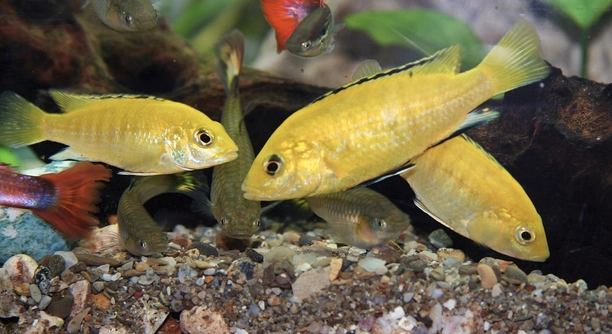
Are your electric yellow cichlids showing signs of stress, such as hiding or losing color? Stress can impact their health and behavior, making it important to create a calm and stable environment for these vibrant fish.
Reducing electric yellow cichlid stress involves maintaining stable water conditions, providing proper nutrition, offering hiding spaces, minimizing sudden changes, monitoring tank mates, controlling light exposure, and establishing a consistent feeding schedule. These steps support their overall well-being efficiently.
Applying these strategies can improve your cichlids’ behavior and health, helping them thrive in a comfortable and secure aquarium environment.
Maintain Stable Water Conditions
Keeping the water conditions stable is essential for electric yellow cichlids. These fish are sensitive to sudden changes in temperature, pH, and hardness. Regularly test the water to ensure it stays within optimal ranges: 24–28°C for temperature, pH between 7.5 and 8.5, and moderate hardness. Frequent water changes of 20–30% weekly help remove toxins and maintain water quality. Using a reliable filtration system ensures ammonia and nitrite levels remain low. Avoid overfeeding, as uneaten food can quickly degrade water quality. Observe your fish for any unusual behavior, such as gasping at the surface, which may indicate poor water conditions. Stability in the tank reduces stress and supports their immune system, making them less prone to diseases. Keep decorations and plants consistent to avoid unnecessary stress from rearrangements. A well-maintained tank promotes natural behavior and vibrant coloration in your cichlids.
Regular monitoring prevents sudden spikes and keeps your cichlids healthy, calm, and thriving.
Creating a stable environment ensures your cichlids feel secure. Clear water, steady temperature, and minimal changes help them stay active, maintain bright colors, and reduce stress-related illnesses over time.
Provide Hiding Spaces
Electric yellow cichlids feel safer with adequate hiding spots in the tank. Rocks, caves, and dense plant areas give them places to retreat and reduce anxiety.
Adding hiding spots prevents territorial disputes and allows shy fish to relax without constant exposure.
Hiding spaces mimic their natural habitat, giving them control over their surroundings. This reduces stress and encourages natural behavior like exploring and foraging. Arrange rocks to create small caves and add tall plants for vertical cover. Avoid overcrowding, as too many hiding spots can limit swimming space. Observe which areas your cichlids use most, adjusting placement for comfort. Consistent hiding spots help them feel secure while allowing them to interact with tank mates safely. By creating a balance between open swimming areas and safe retreats, you foster a calm and enriching environment that supports their physical and emotional health.
Minimize Sudden Changes
Sudden changes in water, temperature, or tank layout can stress electric yellow cichlids. Keep adjustments gradual to help them adapt without panic or hiding excessively.
Even minor shifts, like a new filter setting or changing water too quickly, can trigger stress responses. Introducing new tank mates or decorations slowly allows cichlids to adjust comfortably. Gradual water changes prevent shocking their system and maintain a consistent environment. Monitor their behavior after any change and adjust the pace if they show signs of stress, such as rapid breathing or hiding. Maintaining predictability in the tank routine reduces stress and promotes healthier interactions between fish, encouraging natural swimming and feeding behaviors.
Keeping transitions slow ensures your cichlids remain calm. Small, careful adjustments prevent sudden reactions and support long-term health, while giving them time to acclimate naturally to their surroundings.
Monitor Tank Mates
Aggressive or incompatible tank mates increase stress in electric yellow cichlids. Observe interactions closely to prevent bullying or dominance struggles.
Choose compatible species that share similar water requirements and temperaments. Avoid overcrowding, as too many fish can lead to constant stress. Remove aggressive individuals promptly to maintain a peaceful environment. Providing adequate hiding spots helps reduce conflicts by giving subordinate fish safe retreats. Monitor body language and coloration, as changes can indicate tension or intimidation.
Introducing new fish gradually is key. Quarantine them first, then add slowly while observing responses. Tank layout and territory boundaries reduce conflicts, ensuring that each cichlid feels secure. Over time, compatible tank mates foster social behavior without triggering anxiety, while aggressive fish can be isolated to protect stressed individuals. Adjusting the tank setup and monitoring interactions consistently keeps your fish healthy, active, and stress-free.
Control Light Exposure
Bright or fluctuating light can stress electric yellow cichlids. Use consistent lighting and provide shaded areas in the tank to help them feel secure.
Avoid placing the tank in direct sunlight. Gradual changes in lighting reduce anxiety and prevent sudden reactions that may affect feeding or activity levels.
Provide Proper Nutrition
A balanced diet is essential for reducing stress. Feed high-quality cichlid pellets or flakes, supplemented with occasional live or frozen foods like brine shrimp or bloodworms. Avoid overfeeding, as excess food can pollute the water, impacting their health and comfort. Maintain a consistent feeding schedule to reinforce a sense of security. Proper nutrition supports vibrant coloration, strong immunity, and overall vitality. Include variety to prevent nutritional deficiencies, offering occasional vegetables such as spinach or peas. Observe your cichlids’ appetite and adjust portions accordingly. Consistent feeding practices, along with quality food, directly reduce stress and encourage natural foraging behaviors, keeping your fish healthy and active.
Establish a Feeding Routine
Electric yellow cichlids thrive on a regular feeding schedule. Consistent timing helps reduce stress and encourages predictable behavior.
FAQ
How often should I change the water for my electric yellow cichlids?
Frequent water changes are crucial for maintaining a healthy environment. A 20–30% water change weekly is generally sufficient to remove waste and toxins. Always treat tap water with a dechlorinator and ensure the new water matches the tank’s temperature and pH. Sudden, large water changes can shock your cichlids, so gradual replacement is key. Regular water testing for ammonia, nitrites, and nitrates helps you determine if additional changes are needed. Clean water directly reduces stress and supports their immune system, keeping your fish active and vibrant.
What hiding spaces work best for these cichlids?
Electric yellow cichlids prefer rocks, caves, and dense plant areas. Use smooth rocks or aquarium-safe decorations to avoid injuries. Arrange formations with small caves and overhangs that provide retreat areas without crowding swimming space. Tall plants or artificial decor can create vertical cover, giving shy fish comfort while allowing them to observe the tank safely. Avoid sudden rearrangements, as consistency helps reduce stress. Observing which areas your fish frequent allows you to adjust the setup for maximum security and natural behavior. A proper balance of open areas and hiding spaces ensures reduced aggression and anxiety.
Can aggressive tank mates increase stress?
Yes, incompatible or aggressive tank mates are a common source of stress. Electric yellow cichlids thrive with fish of similar temperament and size. Avoid overcrowding, which can escalate competition and anxiety. Quarantine new fish and introduce them gradually, monitoring interactions closely. Providing adequate hiding spaces and clearly defined territories helps mitigate aggression. Aggressive individuals should be isolated to protect more submissive cichlids. Observing body language, such as chasing or color changes, indicates tension. Choosing compatible species, along with careful monitoring, ensures a peaceful environment and reduces stress-related behaviors.
How do temperature fluctuations affect cichlids?
Sudden changes in water temperature can cause stress, leading to hiding, loss of appetite, or illness. Maintain a stable temperature between 24–28°C using a reliable heater and thermometer. Avoid placing the tank near drafts, windows, or heating vents. Gradual adjustments are necessary if temperature changes are required. Consistent conditions help regulate metabolism and encourage normal activity. Stress from fluctuating temperatures can weaken the immune system, making fish more susceptible to disease. Monitoring daily ensures stability and allows quick action if readings fall outside safe ranges, supporting both health and behavior.
Is lighting important for reducing stress?
Yes, electric yellow cichlids benefit from consistent lighting with shaded areas. Bright or rapidly changing light can trigger anxiety, affecting feeding and swimming patterns. Avoid direct sunlight, which can increase algae growth and temperature fluctuations. A timer can provide a steady light cycle, mimicking natural day and night patterns. Creating shaded areas with plants or decor gives your fish places to rest. Proper lighting reduces stress and promotes natural behavior, helping your cichlids display vibrant colors and maintain overall well-being in the tank.
What diet helps lower stress?
A balanced diet supports health and reduces stress. High-quality pellets or flakes formulated for cichlids provide essential nutrients. Supplement with live or frozen foods like brine shrimp, daphnia, or bloodworms to increase variety. Occasional vegetables, such as spinach or peas, add fiber and micronutrients. Feed small portions several times a day to prevent overfeeding and water contamination. Consistent feeding routines help fish feel secure, while proper nutrition strengthens immunity and enhances coloration. Observing appetite and adjusting portions ensures all fish receive adequate nutrition, minimizing stress-related health issues.
How can I tell if my cichlids are stressed?
Signs include hiding frequently, loss of color, reduced appetite, rapid breathing, or unusual aggression. Behavioral changes are often the first indicator before physical symptoms appear. Monitoring interactions and daily routines helps detect subtle stress. Maintaining stable water conditions, proper diet, and safe tank mates addresses common causes. Providing hiding spaces and a predictable environment reduces stress, encouraging active swimming, normal feeding, and vibrant coloration. Early detection allows corrective measures, preventing long-term health problems and ensuring your electric yellow cichlids remain lively and healthy in their aquarium.
Can rearranging the tank cause stress?
Yes, sudden rearrangements can confuse and stress cichlids. They rely on familiar territories and visual cues for comfort. Any changes to rocks, caves, or plants should be done gradually, giving fish time to adapt. A stable layout reduces anxiety, supports natural behavior, and minimizes conflicts among tank mates. Observing their reactions after adjustments helps determine if more time or additional hiding spaces are needed. Consistency in tank setup, combined with gradual changes, ensures your fish feel secure while allowing them to explore safely and maintain normal routines.
How important is a consistent feeding schedule?
Electric yellow cichlids thrive on predictable feeding routines. Feeding at the same times each day reduces stress and establishes security. Irregular feeding can cause anxiety, competition, and aggression. A consistent schedule, combined with appropriate portions and balanced nutrition, promotes stable behavior, vibrant coloration, and long-term health. Monitoring appetite and adjusting quantities ensures all fish receive adequate food, preventing overfeeding and water quality issues. A steady routine helps cichlids feel comfortable, supports digestion, and reinforces natural foraging instincts while maintaining calm interactions in the tank.
Electric yellow cichlids are naturally vibrant and active fish, but they can be sensitive to changes in their environment. Stress can affect their color, appetite, and overall health, making it important to maintain a calm and stable tank. Key factors like stable water conditions, proper nutrition, compatible tank mates, and hiding spaces play a major role in keeping these cichlids healthy. Even small changes, like fluctuations in temperature or light, can trigger stress responses, so consistency is crucial. By paying attention to these details, you can create an environment where your cichlids feel secure and thrive.
Providing a structured and predictable environment reduces anxiety for your fish. Regular water testing and scheduled water changes ensure optimal conditions while avoiding sudden disturbances. High-quality food given on a consistent schedule strengthens immunity and supports natural behavior. Adding rocks, caves, and plants gives your cichlids safe spaces to retreat when they feel threatened or overwhelmed. Observing your fish daily allows you to notice early signs of stress, such as hiding, rapid breathing, or changes in coloration, so corrective steps can be taken quickly. A calm environment encourages natural swimming, foraging, and social interaction, which is vital for their overall well-being.
Consistency and attention to detail make a big difference in reducing stress. Avoid overcrowding and aggressive tank mates, and introduce new fish gradually to prevent conflicts. Small adjustments in lighting and tank layout can have a noticeable impact on behavior, so implement changes slowly and thoughtfully. Understanding the specific needs of electric yellow cichlids, from water chemistry to nutrition, allows you to maintain a healthy and balanced aquarium. With proper care, your cichlids will display vibrant colors, active behavior, and a longer, healthier life. Creating a secure and predictable environment ensures they remain calm, reduces stress, and allows you to enjoy observing these beautiful fish at their best.

Hello,
If you enjoy the content that we create, please consider saying a "Thank You!" by leaving a tip.
Every little bit helps us continue crafting quality advice that supports the health, happiness, and well-being of pets around the world, for pets of all shapes, sizes, and species.
We really appreciate the kindness and support that you show us!