
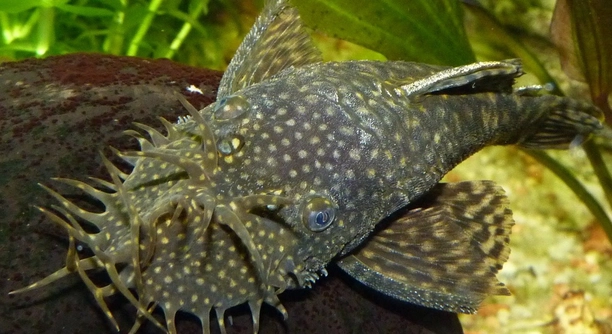
Bristlenose plecos are small, peaceful fish that many aquarists enjoy keeping. They are hardy and can adapt to a variety of environments. Some fish enthusiasts consider outdoor tubs as a possible habitat for these unique algae eaters.
Bristlenose plecos can be kept in outdoor tubs if the conditions are carefully managed. Water temperature, quality, and shelter must be monitored consistently to ensure their health and prevent stress or disease in an uncontrolled environment.
Outdoor tubs offer flexibility and space for plecos, but proper care is essential. Understanding their needs ensures these fish can thrive safely outside a traditional aquarium.
Choosing the Right Outdoor Tub
Selecting the right outdoor tub is critical for keeping bristlenose plecos healthy. A tub should be large enough to allow swimming and hideouts, with a depth of at least 18 inches. Material matters too; non-toxic plastic or resin tubs are ideal since they won’t leach harmful chemicals into the water. Shade is important because these fish do not tolerate direct sunlight for long periods. Placing the tub under partial shade or using a cover can prevent water temperature from fluctuating too quickly. Avoid tubs that collect debris easily or are difficult to clean, as water quality directly impacts pleco health. Additionally, consider positioning the tub where it is protected from heavy rain or wind. You can add floating plants or driftwood to provide cover and simulate a natural habitat. Regular monitoring and adjustments are essential to maintain a safe and comfortable environment for the plecos outdoors.
Outdoor tubs should also have proper drainage options. This makes cleaning simpler and reduces stress for the fish.
When filling the tub, use dechlorinated water and check pH levels, aiming for a slightly acidic to neutral range. Add a few hiding spots with rocks or PVC pipes, ensuring plecos have places to rest during the day. Installing a small filter helps circulate water and maintain oxygen levels, while partial water changes keep the environment stable. Regularly remove uneaten food and plant debris to prevent buildup that could harm water quality. Temperature fluctuations can be managed with floating heaters in colder months or insulating covers. Observing the fish daily helps catch early signs of stress or illness. By planning carefully, you can provide a balanced, low-maintenance outdoor habitat that meets the plecos’ needs without constant intervention.
Feeding and Maintenance
Feeding bristlenose plecos outdoors requires attention to portion and type. They mainly eat algae, but supplementary vegetables are beneficial.
Plecos need a consistent feeding routine. Offer vegetables like zucchini or cucumber sliced into small pieces to prevent spoilage. Algae wafers can be added to supplement nutrition, especially if natural algae is scarce in the tub. Remove leftover food within a few hours to avoid water contamination. Monitor the tub daily to ensure that all fish are feeding well. Adjust portions seasonally, as plecos’ metabolism slows in colder months and increases during warmer periods.
Maintaining the tub involves checking water parameters regularly. Temperature, pH, and ammonia levels must be stable to avoid stress. Clean the tub weekly by removing debris and performing partial water changes of 20–30 percent. Filters should be rinsed without soap, using water from the tub to preserve beneficial bacteria. Adding plants or driftwood not only provides hiding spaces but also helps absorb excess nutrients, supporting a healthier ecosystem. Observing the fish closely allows quick action if illness appears. With consistent feeding and maintenance, outdoor tubs can provide a safe, enjoyable habitat for bristlenose plecos, letting them thrive outside a traditional aquarium.
Water Quality Management
Maintaining clean water is essential for plecos. Regular checks of ammonia, nitrite, and nitrate levels prevent stress and illness.
Filtration is key in outdoor tubs, even small ones. Using a sponge or hang-on-back filter ensures circulation and removes debris. Partial water changes of 20–30 percent weekly help maintain stability. Avoid sudden changes in pH or temperature, as bristlenose plecos are sensitive to fluctuations. Adding live plants can aid in absorbing excess nutrients and provide additional oxygen. Monitoring water clarity and clarity-related factors ensures the environment stays healthy. Cleaning the tub without removing all beneficial bacteria preserves the ecosystem, helping plecos thrive with minimal stress.
Sunlight exposure affects water quality. Too much direct sunlight can increase algae growth, leading to oxygen swings. Positioning tubs in partial shade or adding floating plants moderates sunlight, keeping water conditions more stable. Aeration devices can also assist in maintaining oxygen levels. Regular observation of both fish and water helps catch early warning signs of deteriorating conditions. A consistent routine of cleaning, testing, and minor adjustments ensures long-term water quality, allowing plecos to live comfortably and healthily outdoors.
Temperature and Seasonal Care
Outdoor tubs require temperature management, especially in changing seasons. Plecos thrive in moderate, stable temperatures.
In summer, water can heat quickly in shallow tubs. Providing shade or partially covering the tub helps prevent overheating. During winter, plecos’ activity slows, and colder water can stress them. Using insulating materials or moving the tub to a protected location can reduce temperature swings. Sudden drops or spikes in temperature can cause illness or death. Regular monitoring with a thermometer allows timely adjustments. Consider seasonal feeding changes, reducing portions in cooler months to match their slower metabolism. Avoid abrupt water changes with cold or hot water.
Seasonal care also involves adjusting maintenance routines. Leaves, debris, and fallen branches can accumulate in autumn, so more frequent cleaning is necessary. In winter, water circulation may slow, requiring aeration or partial water changes to maintain oxygen levels. Observing the plecos’ behavior during temperature shifts helps identify stress early. Providing extra hiding spaces during colder months allows plecos to remain comfortable and reduces exposure to fluctuating temperatures. By adapting care with the seasons, outdoor tubs can remain a stable, safe environment year-round.
Hiding Spots and Shelter
Plecos need hiding places to feel secure. Driftwood, PVC pipes, or dense plants provide daytime shelter and reduce stress in outdoor tubs.
Adding multiple hiding spots ensures all plecos have access. Position them in shaded or quieter areas to mimic natural conditions and allow resting spaces away from activity.
Algae Growth Control
Algae is a primary food source for bristlenose plecos, but excessive growth can harm water quality. Regular monitoring and light management help maintain balance. Introducing fast-growing plants can compete with algae, reducing overgrowth while still providing a natural feeding source for the fish.
Monitoring Fish Health
Check plecos regularly for changes in behavior, color, or appetite. Early detection of illness allows for quick intervention and prevents larger problems in the outdoor tub environment.
Predator Protection
Outdoor tubs are vulnerable to predators like birds, raccoons, and neighborhood cats. Adding netting or covers over the tub helps protect plecos while still allowing sunlight and air circulation.
FAQ
Can bristlenose plecos survive in outdoor tubs year-round?
Bristlenose plecos can survive outdoors if the tub environment is stable and carefully monitored. They prefer water temperatures between 72–82°F (22–28°C). In cooler climates, winter insulation or moving the tub indoors is necessary. Sudden temperature drops or freezing conditions can be fatal, so seasonal adjustments are important.
How often should I change the water in an outdoor tub?
Perform partial water changes of about 20–30 percent weekly. This helps maintain water quality by reducing ammonia, nitrite, and nitrate buildup. Removing debris, uneaten food, and plant matter during these changes prevents harmful bacteria growth and keeps the tub environment balanced.
What should I feed bristlenose plecos outdoors?
Bristlenose plecos primarily eat algae, but supplementing with vegetables like zucchini, cucumber, or spinach is important. Algae wafers provide extra nutrients if natural algae is scarce. Feed in small amounts, removing leftovers after a few hours to prevent water contamination. Adjust feeding based on seasonal metabolism changes.
How do I prevent algae overgrowth in the tub?
Algae is natural and needed for plecos, but too much can harm water quality. Partial shading, floating plants, or moderate feeding helps control growth. Fast-growing plants absorb excess nutrients, and regular tub maintenance prevents algae from becoming excessive or toxic.
What kind of hiding spots are best for outdoor plecos?
Driftwood, PVC pipes, and dense plants work well. Provide multiple shelters to reduce stress and mimic natural habitats. Position some in shaded or quieter areas to give plecos places to rest during the day. This also helps reduce aggression and ensures all fish have access.
How do I protect plecos from predators?
Covering the tub with netting or a secure lid prevents birds, raccoons, and neighborhood cats from reaching the fish. Ensure covers allow sunlight and airflow while keeping the fish safe. Positioning tubs near fences or walls can also reduce predator access.
How do I monitor the health of outdoor plecos?
Observe behavior, color, and appetite daily. Healthy plecos are active at night and may rest in hiding spots during the day. Look for signs of stress like faded color, lethargy, or unusual swimming patterns. Early detection of illness allows faster treatment and prevents the spread of disease.
Can outdoor plecos tolerate direct sunlight?
Direct sunlight can heat shallow tubs and increase algae growth, which may cause oxygen fluctuations. Partial shade or floating plants protect plecos while maintaining natural light. In hot climates, monitor water temperature carefully to prevent overheating.
Is a filter necessary in an outdoor tub?
A small filter is recommended to circulate water and remove debris. Even simple sponge filters help maintain oxygen levels and prevent ammonia buildup. Filters reduce maintenance frequency and create a more stable environment for bristlenose plecos to thrive outdoors.
How large should an outdoor tub be for bristlenose plecos?
A tub should be at least 18 inches deep and wide enough for swimming and hiding spaces. Larger tubs provide more stable water conditions and reduce stress. Space also allows for multiple hiding spots, plants, and decorations that mimic natural habitats.
Can plecos reproduce in outdoor tubs?
Bristlenose plecos may breed if conditions are favorable, including stable water temperature, proper diet, and hiding places. Providing caves or PVC tubes encourages spawning. However, outdoor tubs can be unpredictable, so eggs and fry may require extra care to survive environmental changes.
How do I handle winter care for outdoor plecos?
In colder climates, insulate the tub or relocate it indoors. Reduce feeding as metabolism slows. Use gentle aeration to maintain oxygen levels and prevent water from freezing completely. Provide extra hiding spots to reduce stress and give plecos secure areas during colder months.
What common mistakes should I avoid with outdoor tubs?
Avoid overfeeding, ignoring water quality, and exposing plecos to extreme temperatures. Do not rely solely on natural algae, and ensure hiding spots are sufficient. Protect the tub from predators and maintain consistent monitoring. Small oversights can lead to stress, illness, or death.
How often should I test water parameters?
Test at least once a week for pH, ammonia, nitrites, and nitrates. Frequent checks allow early detection of issues and prevent long-term stress. Quick adjustments maintain stable conditions and help plecos stay healthy in an outdoor environment.
Can outdoor tubs support multiple plecos?
Yes, if space, hiding spots, and food are adequate. Avoid overcrowding, as it leads to stress, aggression, and water quality problems. Providing multiple shelters and monitoring fish behavior ensures all plecos can coexist peacefully.
Are live plants helpful in outdoor tubs?
Yes, plants provide cover, absorb excess nutrients, and compete with algae. Floating or rooted plants help stabilize water conditions, improve oxygen levels, and create a more natural environment for bristlenose plecos to explore and graze.
Can I use tap water in outdoor tubs?
Tap water must be dechlorinated before use. Chlorine or chloramine can harm plecos. Test pH and hardness levels to ensure the water is suitable. Allow water to settle or treat it with a water conditioner to make it safe for fish.
What signs indicate stress in outdoor plecos?
Stress may appear as fading color, erratic swimming, hiding constantly, or reduced appetite. Causes include poor water quality, temperature swings, overcrowding, or lack of hiding spots. Identifying and correcting these factors quickly improves overall health.
Is it okay to leave outdoor plecos unattended for a few days?
Plecos can tolerate short absences if water quality is stable and food is sufficient. Automatic feeders or careful feeding in advance may help, but extended neglect increases risk of water quality issues, stress, and health problems. Daily checks are still recommended whenever possible.
How do I clean an outdoor tub without harming plecos?
Remove debris carefully, perform partial water changes, and rinse filters using tub water to preserve beneficial bacteria. Avoid soap or harsh chemicals. Maintaining the ecosystem while cleaning prevents stress and supports a healthy, stable environment.
This FAQ section provides practical guidance to ensure bristlenose plecos thrive safely in outdoor tubs while minimizing risks and maintenance challenges.
Final Thoughts
Keeping bristlenose plecos in outdoor tubs can be a rewarding experience if approached with careful planning and consistent care. These small, hardy fish are adaptable, but they still have specific needs that must be met to ensure their health and comfort. Choosing the right tub is the first step. It should be large enough to allow swimming, hiding, and exploration. Depth matters, as shallow tubs can experience rapid temperature changes, while deeper tubs help stabilize the environment. Materials like non-toxic plastic or resin are ideal, as they do not leach chemicals into the water. Positioning the tub in partial shade helps regulate water temperature and prevents excessive algae growth while still allowing sunlight for a natural habitat. Adding hiding spots such as driftwood, PVC pipes, or dense plants provides shelter and reduces stress, mimicking the fish’s natural environment. Proper placement also protects the fish from wind, heavy rain, or direct sunlight, all of which can cause sudden fluctuations in water quality or temperature.
Water quality is one of the most important aspects of outdoor pleco care. Even hardy species like bristlenose can suffer if ammonia, nitrite, or nitrate levels rise. Using a small filter and performing regular partial water changes keeps the water clean and oxygenated. Removing uneaten food and debris prevents the buildup of harmful bacteria while keeping the ecosystem balanced. Temperature monitoring is equally important, as extreme heat or cold can be dangerous. During summer months, floating plants or shading can prevent overheating, while in colder months, insulating the tub or moving it to a sheltered area reduces stress and keeps the water at a survivable temperature. Maintaining a stable environment also involves observing the fish daily for signs of stress, illness, or unusual behavior. By monitoring water quality and temperature consistently, you can catch problems early and make adjustments before they become serious.
Feeding and seasonal care are additional areas that require attention. Bristlenose plecos primarily eat algae, but supplemental vegetables and algae wafers ensure proper nutrition. Feeding small amounts and removing leftovers helps prevent water contamination. Seasonal adjustments are necessary because plecos’ metabolism slows in cooler months, meaning they need less food, while warmer weather increases activity and appetite. Protection from predators is also important, as outdoor tubs can be vulnerable to birds, raccoons, or neighborhood cats. Simple measures such as netting, covers, or strategic placement can reduce these risks. Overall, outdoor tubs can provide a flexible and enjoyable habitat for bristlenose plecos, but success relies on regular maintenance, careful observation, and adjustments for changing seasons. With consistent attention and proper care, plecos can thrive safely and comfortably outside a traditional aquarium.

Hello,
If you enjoy the content that we create, please consider saying a "Thank You!" by leaving a tip.
Every little bit helps us continue crafting quality advice that supports the health, happiness, and well-being of pets around the world, for pets of all shapes, sizes, and species.
We really appreciate the kindness and support that you show us!