
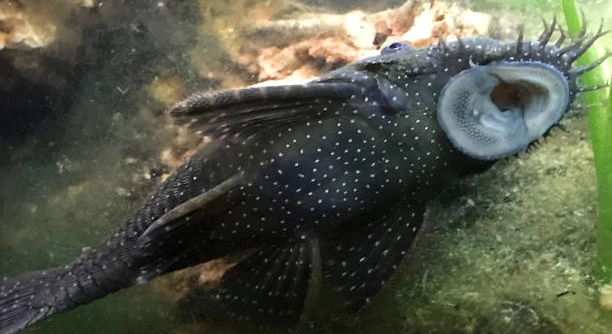
Do you enjoy watching your aquarium thrive but notice your Bristlenose Pleco hiding most of the time? These small, peaceful fish are fascinating, and learning to interact with them can bring new enjoyment to your daily care routine.
Bristlenose Plecos can be hand-fed under controlled conditions, but they require patience and consistency. They respond to gentle feeding practices and familiar food offerings, allowing them to associate human presence with nourishment without causing stress or harm.
Hand-feeding can improve your connection with your fish and provide insight into their unique behaviors and preferences in the aquarium.
Understanding Bristlenose Pleco Behavior
Bristlenose Plecos are naturally cautious and nocturnal, often staying hidden during the day. Observing their behavior is key to successful hand-feeding. They rely on their sense of smell more than sight, so introducing food gradually helps them recognize you as a source of nourishment. These fish enjoy driftwood and algae-based foods, which provide essential nutrients and a natural environment for foraging. Over time, they may become more comfortable approaching the front of the tank during feeding times, responding to consistent routines. Stress can occur if movements are sudden or if the tank environment changes drastically. Maintaining stable water parameters and providing adequate hiding spaces encourages confidence in the Pleco. Hand-feeding should be gentle and slow to allow them to acclimate to your presence. Observing subtle signs, like tail flicks or fin movements, can indicate curiosity or hesitation. Recognizing these signals ensures feeding sessions remain safe and stress-free.
Building trust with Plecos requires patience and a calm approach, allowing them to gradually accept hand-feeding over several weeks.
Consistency in feeding schedules and types of food directly affects the Pleco’s comfort level. Offering small portions repeatedly encourages recognition and reduces fear.
Preparing for Hand-Feeding
Start with small, manageable food pieces to avoid overwhelming the Pleco.
Before hand-feeding, ensure your Pleco’s tank is clean and free from sudden disturbances. Introduce food at regular times, so the fish begin to associate your presence with nourishment. Use a pair of feeding tongs or your fingers carefully, placing the food near them without forcing contact. Repeated exposure to gentle feeding will gradually reduce their instinctive wariness. Observing their reactions during each session helps adjust approach and timing. Variety in diet, including algae wafers and fresh vegetables like zucchini, keeps them interested and encourages approach. Never feed excessively, as leftover food can affect water quality. Over time, Plecos begin to recognize feeding patterns and may swim closer when you approach. Avoid sudden hand movements, which may trigger stress or retreat. Each fish has its own pace, and some may take longer to acclimate. Respecting their individual comfort levels ensures a positive experience. Patience, consistency, and attention to water conditions are essential for successful hand-feeding.
Choosing the Right Food
Bristlenose Plecos respond best to algae wafers, fresh vegetables, and occasional protein treats. Avoid processed foods with additives, as these can harm their digestive system and reduce their willingness to hand-feed. Small, consistent portions encourage regular interaction.
Algae wafers are a staple, providing necessary nutrients while being easy to offer by hand. Fresh vegetables like zucchini, cucumber, and spinach are ideal for variety, keeping your Pleco interested and healthy. Protein-rich foods, such as bloodworms or shrimp, should be given sparingly to avoid overfeeding. Rotate these options to maintain balance and prevent picky habits. Observing which foods attract your Pleco most helps guide hand-feeding practices. Introducing new foods gradually ensures the fish adapts without stress. Avoid overfeeding, as uneaten food affects water quality and may discourage future feeding interactions.
Proper preparation of food is crucial. Blanch vegetables to soften them and cut them into manageable sizes. Ensure algae wafers are soaked briefly if they are too hard. Using tongs or your fingers, present the food calmly near your Pleco’s hiding area. Watching their response allows adjustment of placement and timing. Over time, the fish will begin approaching more confidently. Recognizing individual preferences in food types and textures enhances successful hand-feeding, making the experience rewarding for both you and your Pleco.
Timing and Patience
Consistent feeding times train your Pleco to anticipate interaction, making hand-feeding smoother.
Establish a routine by feeding at the same times each day, ideally during low-light periods when Plecos are naturally active. Sudden changes in schedule can stress them, reducing their willingness to approach. Start with brief sessions and gradually increase duration as comfort grows. Monitor the fish’s behavior closely, noting when it feels most confident coming forward. Avoid rushing the process, as forcing contact can create fear and setbacks. Patience is key, allowing the Pleco to develop trust slowly. Small, repeated exposures help them recognize your presence as safe.
Over several weeks, your Pleco will begin to anticipate hand-feeding and may approach proactively. Observe reactions carefully; some days may show hesitation due to environmental changes or mood. Adjust feeding times and food types according to these observations. Avoid aggressive movements or loud noises during sessions, as these can undo progress. Providing a stable, calm environment encourages learning and fosters positive associations with your presence. Celebrate small milestones, such as the Pleco taking food directly from your hand. Persistence, consistency, and understanding their natural behaviors make hand-feeding an achievable and rewarding experience.
Creating a Comfortable Environment
Providing plenty of hiding spots makes your Pleco feel secure during hand-feeding. Driftwood, caves, and plants reduce stress and encourage approach.
Stable water conditions are essential. Regular testing and gentle maintenance prevent sudden changes that may frighten the fish. A calm environment supports trust and consistent feeding behavior.
Techniques for Hand-Feeding
Start by offering food near the Pleco without touching it. Gradually move closer over multiple sessions, allowing the fish to become comfortable. Use slow, steady movements and avoid sudden gestures. Repetition builds familiarity. Over time, the Pleco may take food directly from your fingers.
Safety Considerations
Avoid overfeeding or using unsuitable foods, as this can harm your Pleco. Always wash hands before feeding to prevent contamination.
FAQ
Can Bristlenose Plecos eat directly from my hand?
Yes, they can, but it takes time and patience. Start by placing food close to them and allow the fish to approach at their own pace. Avoid forcing contact. Over repeated sessions, the Pleco may begin to accept food directly from your fingers, especially if it is a favorite treat like algae wafers or softened vegetables. Gentle, consistent interactions are key. Avoid sudden movements and maintain a calm environment, as stress can make the fish retreat and delay hand-feeding progress.
How long does it take for a Pleco to get used to hand-feeding?
The process varies by individual fish but usually takes several weeks of consistent effort. Some Plecos may respond quickly within a few days, while others require patience over one or two months. Consistency in feeding times, type of food, and gentle movements encourages faster adaptation. Observe their behavior to gauge comfort, and never rush the process. Building trust gradually ensures the Pleco feels secure and reduces the risk of stress or illness.
What types of food work best for hand-feeding?
Algae wafers are the most reliable staple, providing essential nutrients. Fresh vegetables like zucchini, cucumber, and spinach are excellent for variety and can be softened for easier consumption. Occasionally, small portions of protein-based foods, like bloodworms, can be offered, but these should not be frequent to prevent digestive issues. Rotate foods to maintain interest and prevent picky habits. Always cut vegetables into manageable sizes and monitor how much is eaten, removing any uneaten portions to maintain water quality.
Can hand-feeding harm my Pleco?
Hand-feeding itself is safe if done properly. Risks arise mainly from overfeeding, using inappropriate foods, or causing stress through sudden movements. Always wash hands before feeding, use small portions, and avoid forcing interaction. Monitor water quality and remove leftover food promptly to prevent bacterial growth. Over time, careful hand-feeding can strengthen your observation of the Pleco’s behavior without negative effects.
What if my Pleco refuses to take food from my hand?
Refusal is common initially. Reduce the distance between the food and the fish gradually, and ensure the environment is calm. Try different foods, ideally those already part of their diet. Some Plecos may never fully accept hand-feeding, and that is normal. Respecting their comfort level prevents stress and maintains overall health. Patience and consistency are more effective than forcing the fish to feed.
Is it necessary to hand-feed every day?
No, daily hand-feeding is not required. Plecos can receive food normally from the tank without interaction. Hand-feeding is more about building trust and observation. Consistent sessions a few times per week are sufficient for the Pleco to recognize your presence and associate it with food. Overdoing it may increase stress or overfeeding risks.
How do I know if my Pleco is stressed during feeding?
Signs include rapid swimming, hiding more than usual, clamped fins, or ignoring food. If stress appears, pause hand-feeding and allow the fish to calm down. Check water parameters, ensure hiding spots are adequate, and resume slowly when the Pleco feels secure. Stress can delay trust-building, so observation is critical.
Can hand-feeding improve my connection with the Pleco?
Yes, it allows you to observe individual behaviors and preferences closely. Plecos are subtle in their responses, and hand-feeding provides insight into their comfort levels and dietary choices. The fish may become more confident approaching the front of the tank, making feeding a more interactive and rewarding experience.
Do Plecos ever bite during hand-feeding?
Bristlenose Plecos are not aggressive and rarely bite. Their mouths are adapted for scraping algae, not biting fingers. Occasionally, a slight nudge may occur when taking food, but it is harmless. Gentle movements and small food pieces prevent any accidental discomfort.
How do I transition from hand-feeding back to normal feeding?
Once trust is established, the Pleco will eat from your hand and the tank naturally. Gradually reduce hand-feeding sessions if desired, keeping normal feeding routines consistent. The fish will retain familiarity with your presence, and occasional hand-feeding can continue as a bonding practice.
Can multiple Plecos be hand-fed at the same time?
Yes, but it requires careful observation to prevent competition. Offer enough food to ensure each fish gets its share and monitor interactions closely. Start with individual sessions if one Pleco is more hesitant, then gradually introduce group hand-feeding once comfort levels increase.
Are juvenile Plecos easier to hand-feed than adults?
Juveniles often adapt more quickly due to curiosity and higher activity levels. Adults can be slower but still respond well with consistent routines. Respecting each fish’s personality and comfort level ensures successful hand-feeding regardless of age.
What is the best time of day for hand-feeding?
Low-light periods, such as early morning or late evening, work best because Plecos are naturally more active during these times. Bright lights may make them retreat, so dim lighting or shaded areas improve interaction and encourage feeding directly from your hand.
How do I handle picky eaters?
Introduce a variety of foods gradually, focusing on textures and flavors they already accept. Avoid forcing new items. Observe preferences and adjust offerings accordingly. Picky habits can be managed through patience, consistency, and by presenting food in small, manageable portions that encourage exploration without stress.
Can hand-feeding replace regular feeding?
No, hand-feeding supplements normal feeding but should not replace it entirely. Plecos still require a balanced diet available in the tank. Hand-feeding is mainly for interaction, observation, and reinforcing trust, not as the sole source of nutrition.
Final Thoughts
Bristlenose Plecos are unique fish that respond well to patient and gentle care. Hand-feeding them is not only possible but can also strengthen observation of their behaviors and preferences. These fish are naturally cautious, and their comfort with human interaction develops slowly over time. By providing consistent feeding routines and maintaining a stable, calm environment, you create conditions that encourage them to approach and accept food from your hand. This process requires patience, as forcing interaction or rushing can easily stress the fish. Understanding their natural behaviors, such as their preference for low-light periods and hiding spots, is essential to successful hand-feeding. Over time, Plecos may learn to recognize your presence and associate it with food, making feeding sessions smoother and more interactive. Careful attention to their diet, including algae wafers, fresh vegetables, and occasional protein treats, supports their health while promoting interest in hand-fed meals.
Consistency is key when introducing hand-feeding. Establishing regular feeding times helps the Pleco anticipate your presence and builds trust gradually. Observing subtle behaviors, like fin movements or tail flicks, provides insight into their comfort level and readiness to approach. Gradually moving food closer to the fish over multiple sessions encourages interaction without causing fear. Small portions are important to avoid overfeeding and maintain water quality. The addition of hiding spaces, such as caves, driftwood, and plants, makes the environment feel secure and supports confidence during hand-feeding. Even with careful efforts, not every Pleco will fully accept food from your hand, and that is normal. Respecting each fish’s personality ensures a positive and stress-free experience. Regular monitoring of water conditions and cleanliness further enhances the Pleco’s well-being and encourages consistent feeding behavior.
Hand-feeding Bristlenose Plecos is a rewarding practice that requires commitment and understanding. While it can take weeks or months for some fish to become comfortable, the process strengthens the bond between the caretaker and the fish. Each successful interaction offers an opportunity to observe preferences and adapt feeding techniques for optimal results. Patience, gentle movements, and respect for the fish’s natural instincts are crucial throughout the process. By maintaining a stable environment, offering suitable food, and approaching sessions calmly, you encourage a sense of trust and routine. Even small progress, like the Pleco swimming closer to your hand or nibbling on food, represents a meaningful step forward. Over time, these interactions can make feeding a more engaging and insightful part of aquarium care, benefiting both the fish and the caretaker.

Hello,
If you enjoy the content that we create, please consider saying a "Thank You!" by leaving a tip.
Every little bit helps us continue crafting quality advice that supports the health, happiness, and well-being of pets around the world, for pets of all shapes, sizes, and species.
We really appreciate the kindness and support that you show us!