
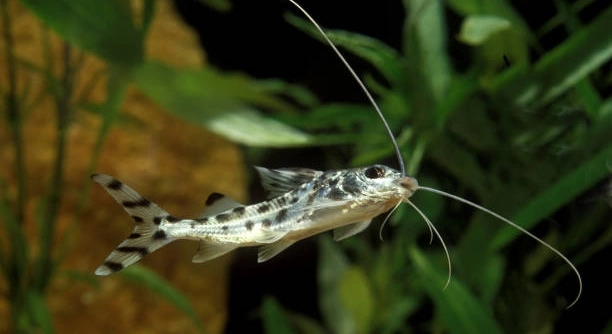
Do you ever find yourself wondering if your favorite aquarium fish can actually live together in peace without causing problems?
Pictus catfish and loaches can be housed together if the tank is large enough, the water conditions match, and both species have enough hiding spaces. However, their compatibility depends on specific loach species and individual behavior.
These factors matter more than you might think, especially when it comes to keeping your tank community stress-free and healthy.
What to Know About Pictus Catfish and Loaches
Pictus catfish are active, fast swimmers that prefer being in groups and need plenty of open swimming space. They are known for their peaceful but energetic nature. Loaches, on the other hand, vary widely depending on the species. Some, like clown loaches, can be peaceful and sociable, while others may become territorial. The key to keeping them together is understanding their individual needs. Both types of fish prefer soft, slightly acidic to neutral water and enjoy hiding spots like caves or driftwood. A tank size of at least 75 gallons is recommended if you plan to house them together, especially to reduce stress and potential competition. Proper filtration and regular water changes are also important to maintain a healthy environment. Since pictus catfish are nocturnal and loaches are often active during the day, they may not compete directly for food or space if the tank is set up thoughtfully.
Choosing the right loach species matters. Avoid aggressive or overly shy loaches that might struggle with the pictus catfish’s energy.
Both fish types do best in soft substrates like sand to protect their sensitive barbels. Hiding spaces placed at different levels in the tank can also help reduce interactions and keep the fish calm.
Signs They May Not Be a Good Match
Watch for signs of stress such as hiding, loss of appetite, or unusual aggression. These can mean the setup needs adjustment.
While pictus catfish and loaches can sometimes share a tank, it doesn’t always work out. Some loaches may become overwhelmed by the pictus catfish’s constant movement. Others might try to claim territory or compete during feeding time. It’s important to monitor how they interact during the first few weeks. If you notice any biting, chasing, or excessive hiding, it may be best to separate them. Another factor to consider is the tank layout. If the tank doesn’t have enough hiding spots or space, tension can build quickly. Make sure each fish has room to retreat and feel secure. Feeding them at separate times or places can also help reduce conflict. Ultimately, success depends on careful planning and paying attention to how the fish behave once they are in the same environment.
How to Set Up the Tank for Both Species
Start with a tank that’s at least 75 gallons. This gives both the pictus catfish and loaches enough room to move freely without running into each other constantly. Use soft substrate and add plenty of driftwood, caves, and plants for hiding.
Good filtration is essential because both species produce a fair amount of waste. Pictus catfish need strong water flow, while loaches prefer moderate flow, so try to balance it with a filter that has adjustable settings. Keep the temperature between 74–80°F and maintain a pH between 6.5 and 7.5. Add hiding places at different levels to allow each fish its own space. Smooth decorations will help protect their sensitive barbels. Avoid sharp edges, as both fish are prone to injury. Lighting should be soft or dim to support the pictus catfish’s nocturnal habits while keeping loaches comfortable during their daytime activity.
When adding both species to the tank, it’s best to introduce them at the same time. This prevents one species from claiming territory before the other arrives. Feed them a mix of sinking pellets, frozen foods, and occasional live treats to meet their dietary needs. Watch their behavior closely in the first days. Rearranging décor slightly can help ease any tension.
Feeding and Daily Care Tips
Feed both fish once or twice a day with a variety of sinking foods. Frozen bloodworms, sinking pellets, and blanched vegetables are great options. Remove uneaten food to avoid cloudy water and maintain stable tank conditions.
Pictus catfish are quick eaters and often dominate feeding time. To prevent the loaches from missing out, scatter food across the tank or use feeding zones at opposite ends. Since pictus catfish are more active at night, consider adding a small portion of food after lights go off. Loaches, depending on the species, can be shy and need a calm space to eat. Watch for signs of hunger, like increased digging or skimming the substrate constantly. Clean the tank weekly and check water parameters regularly. Their health depends heavily on water quality. If you notice sluggish movement or fading color, test the water immediately and adjust as needed. Stability is key to keeping both species comfortable long-term.
Things to Watch Out for When Housing Them Together
Some loaches may become stressed by the constant movement of pictus catfish. If you notice hiding during the day or sudden darting, it could mean the loach feels overwhelmed. Adjusting the layout can sometimes help reduce this stress.
Aggression during feeding or over territory can show up early. Keep an eye out for fin nipping or chasing. These signs often mean the tank is too small or lacks enough hiding areas. Adding more cover can calm things down.
Best Loach Species to Consider
Peaceful loaches like clown loaches, kuhli loaches, and yoyo loaches are the most suitable for sharing a tank with pictus catfish. Clown loaches are social and playful but require a large tank as they grow. Kuhli loaches stay smaller, are gentle, and spend most of their time at the bottom. Yoyo loaches are a bit more active but usually adapt well if there’s enough space. Avoid loaches known for aggression or those that get too large, like skunk loaches. Stick to species that match the pictus catfish in temperament and environmental needs. Introducing them slowly and watching their interactions helps prevent problems early on.
When to Separate Them
If you see signs like torn fins, lack of eating, or constant hiding, it’s time to separate them. These behaviors often mean the fish are not getting along.
FAQ
Can pictus catfish live alone?
Pictus catfish are schooling fish, so they prefer to live in groups of at least three. While they can technically live alone, they tend to become more skittish and less active. In a group, they feel more secure and display natural behaviors. If you’re limited on space, it’s better to wait until you can provide a large enough tank to house multiple pictus catfish together. A single pictus in a small tank is likely to hide more and interact less with its surroundings.
Do loaches need to be in groups too?
Yes, most loach species are social and do better in groups of five or more. Kuhli loaches, for example, are often seen piled together under decorations. Being in a group reduces their stress and brings out more active behavior. Without companions, loaches may become shy, hide constantly, or refuse to eat. Grouping helps them feel safer and encourages natural foraging habits. Always research the specific loach type, but in general, they’re happiest with others of their kind.
Can both fish types handle strong water flow?
Pictus catfish enjoy strong currents, especially near the bottom of the tank where they like to swim. Some loaches also appreciate moderate flow, but others prefer calmer areas. To balance both, use filters with adjustable flow and create zones within the tank. Add driftwood or plants to block strong flow in some areas so the loaches can rest. This lets each fish choose the flow level they prefer without conflict. Observing their behavior will help you tweak flow as needed.
How do I stop food competition between them?
Pictus catfish are fast and tend to grab food quickly. Loaches are slower and can miss out. To help, spread food out across different areas of the tank. Use sinking pellets that land in separate zones so each fish gets a chance to eat. Feeding the pictus catfish slightly earlier or at one end of the tank can also help the loaches eat in peace. Offering food after lights go off may work too, especially for nocturnal feeders.
What are signs of poor compatibility?
Look for torn fins, hiding, refusal to eat, or constant chasing. These usually show up within the first few days or weeks. If one fish is always dominant and the other is clearly stressed, separation might be needed. Also, if a loach becomes aggressive or a pictus hides more than usual, these are signs that they’re not adjusting well. Try rearranging tank décor first, but be prepared to rehome one of the species if things don’t improve.
Do they have similar temperature and pH needs?
Yes, both pictus catfish and common loaches like water temperatures between 74°F and 80°F. Their preferred pH range is also close, from 6.5 to 7.5. This makes it easier to manage a shared tank. Just be sure to maintain stability. Big swings in temperature or pH can stress both species quickly. Using a reliable heater and testing water weekly helps prevent problems before they start. Soft, slightly acidic water works best for long-term health.
Will they breed in the same tank?
Breeding in a community tank is unlikely for both pictus catfish and loaches. Pictus rarely breed in home aquariums due to their space and environmental needs. Loaches, like kuhli or clown loaches, also rarely breed in captivity without special setups. In most cases, the fish will live peacefully without trying to breed, which simplifies tank care. You won’t need to worry about fry or territorial behavior tied to mating. This makes maintenance a bit easier.
Can other fish live with them too?
Yes, but choose tank mates carefully. Peaceful, mid-to-top dwellers like tetras, rasboras, or gouramis often do well. Avoid fish that nip fins or are too small, as pictus may eat tiny fish. Also skip overly aggressive species, as they can stress both loaches and pictus. Aim for calm, similarly sized fish that won’t compete too hard for food or space. Always monitor the tank when adding new fish. Compatibility depends on behavior, not just size or species.
Final Thoughts
Keeping pictus catfish with loaches can work well if you take the time to understand each species and set up the tank properly. Both fish enjoy similar water conditions and prefer soft, sandy substrate with lots of hiding spaces. They can live together peacefully when the tank is large enough and has enough room for both to swim and rest without constant interaction. Watching how they behave in the first few weeks is important. It helps you catch any early signs of stress or discomfort. Making small changes in the tank layout or feeding schedule can often fix minor issues before they turn into bigger problems.
Not all loach species are a good fit, though. Some are more sensitive or territorial and may not handle the energy of pictus catfish very well. Choosing loaches that are peaceful, active, and able to handle moderate water flow will increase your chances of success. Always plan for the long-term size and needs of both types of fish. Pictus catfish grow quickly and need plenty of space. Loaches also grow, depending on the type, and need to be in groups to stay healthy. A tank that works at first may feel too small later if these needs aren’t considered. Thinking ahead will help avoid stress for you and your fish.
Daily care also plays a big role in keeping both species happy. Clean water, balanced feeding, and stable conditions all matter. Feeding them at different ends of the tank or offering food after the lights go off can help ensure they both get what they need. Soft lighting, a calm environment, and places to hide or explore will help them feel secure. If one fish starts to act differently—like hiding all day, refusing to eat, or acting aggressive—it’s a sign that something isn’t right. Paying attention to small changes can help you fix problems early. With the right setup and a little patience, pictus catfish and loaches can live together peacefully and even thrive in the same tank.

Hello,
If you enjoy the content that we create, please consider saying a "Thank You!" by leaving a tip.
Every little bit helps us continue crafting quality advice that supports the health, happiness, and well-being of pets around the world, for pets of all shapes, sizes, and species.
We really appreciate the kindness and support that you show us!