
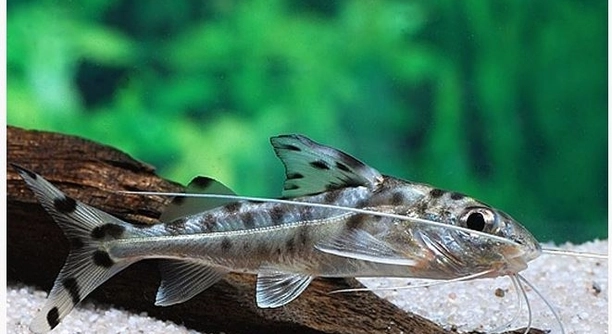
Have you ever found yourself staring at your pictus catfish, wondering if it’s a male or a female? These fish look almost identical, making it tricky to tell them apart without close attention to detail.
Male pictus catfish are generally slimmer and have a more streamlined body shape, while females tend to be rounder, especially when carrying eggs. In some cases, males may also have slightly longer fin rays, though differences are subtle.
Subtle features like body shape, behavior, and fin length can reveal more about your pictus catfish than you might think.
Physical Differences Between Male and Female Pictus Catfish
Telling male and female pictus catfish apart can be tricky because they have similar sizes and patterns. However, females usually have a rounder, fuller body, especially when they are carrying eggs. Males, on the other hand, tend to be slimmer and more torpedo-shaped. This difference is easier to notice when you observe them from above. In some cases, the males may have slightly longer and thinner pelvic and anal fins. These traits become more visible during the breeding season, though the change is still subtle. To get a clear idea, place your catfish side by side and compare their body shapes. Lighting and tank setup can affect how clearly you see these details, so take your time and observe them in a calm environment where they feel safe and relaxed.
You might also notice males swimming more actively while females tend to stay calmer and closer to cover.
Watching them during feeding or swimming times can make it easier to notice body differences.
Behavior and Breeding Clues
Males often swim with more energy and try to claim space in the tank, especially when females are nearby.
Breeding behavior can also help you tell the difference. In a well-maintained tank with stable water conditions, males may begin to follow females closely, nudging or swimming alongside them. This behavior is usually a sign that the male is ready to spawn. Females that are full of eggs may respond by staying near hiding spots or decorations where they feel secure. If the conditions are just right, you may even see egg-laying behavior. However, it’s rare for pictus catfish to breed in a home aquarium. They typically need very specific environmental triggers to spawn, such as changes in water temperature or flow. But even without actual breeding, watching how the fish interact—especially if you have a group—can give you helpful clues. Consistent behavior over time is often the best way to spot the small differences between sexes.
Other Subtle Signs to Watch For
In some cases, females may appear slightly wider near the midsection even when they’re not carrying eggs. This shape is more noticeable after feeding. Males may also show more intense movement or interest during social interactions with tank mates.
Lighting can also help you spot differences more easily. When viewed under brighter conditions, male pictus catfish may appear more streamlined and sleeker in profile. The light helps highlight their longer, thinner fin rays, especially when they’re fully extended. Meanwhile, females sometimes display a duller sheen and may not stretch their fins as much. It’s also useful to observe the way they interact with the tank. Males may claim more space, chase others, or swim more in open areas. Females often stay near the bottom or among plants. These changes are subtle, but they become more noticeable when you observe them regularly over time.
Behavior patterns are key when visual traits don’t give a clear answer. If you keep more than one pictus catfish, track how they behave when new fish are added or during feeding. A more dominant fish showing increased motion and posturing is likely male. A fish that remains calm, maintains distance, or lingers near hiding spots could be female. Observing over weeks—rather than relying on one moment—will help you see consistent clues. Some fish may behave out of character occasionally, but when patterns repeat, you’ll get a clearer idea. It’s helpful to jot down quick notes or compare photos if you’re unsure. This approach works best in calm, stable environments where fish are less stressed and more likely to show natural behaviors.
Challenges in Sexing Juvenile Pictus Catfish
Young pictus catfish are almost impossible to sex accurately. Their bodies haven’t developed noticeable differences yet, so relying on shape or behavior won’t help much. Most visible traits don’t appear until they reach full maturity.
You’ll need to wait until the fish are at least several months old. At that point, subtle shape changes and fin details start to show. Watching how they swim and interact also becomes more helpful as they grow and settle into the tank.
Tips for Easier Identification
Raising a small group together in the same tank can make it easier to notice differences as they grow. When you see them side by side, their size, shape, and activity levels become clearer. Keep the tank setup simple, with consistent lighting and a balanced diet to encourage healthy development. Avoid overcrowding, and maintain water quality to reduce stress, which can mask natural behavior. Take pictures monthly for comparison—visual records make subtle changes more obvious. Give the fish time and space, and eventually, their traits will be easier to spot with regular observation.
When to Ask for Expert Help
If you still can’t tell the difference after several months, contacting a breeder or experienced aquarist may help.
FAQ
How old do pictus catfish need to be before you can tell their sex?
Most pictus catfish need to be at least 6 to 8 months old before you’ll notice any differences. Before that age, both males and females look very similar. As they grow, females typically begin to appear rounder and males become more slender. You may also notice behavior changes as they mature, with males becoming more active. If your fish are still small and hard to tell apart, patience is key. Keeping a small group and observing them regularly will make it easier to recognize differences once they mature.
Can body size alone tell you the sex of a pictus catfish?
Body size is not always a reliable sign on its own, especially if your fish are young or have different diets. However, adult females are often a bit rounder through the midsection, especially after eating or when carrying eggs. Males tend to be more streamlined with a narrower shape overall. Comparing multiple fish at the same time is more useful than judging one fish by itself. Look at body shape alongside behavior and fin length for a clearer picture.
Do males and females behave differently in the tank?
Yes, males are usually more active and may chase or follow other fish during feeding or when exploring. Females are often calmer and may stay closer to the tank bottom or hide among plants and décor. These behaviors aren’t always obvious unless you observe them regularly. Watching them during feeding time or when they’re swimming freely is often when differences stand out the most. Also, if one fish starts nudging or swimming alongside another repeatedly, it could be a male showing interest in spawning.
What’s the best way to observe sex differences in pictus catfish?
The best method is regular observation in a stress-free environment. Keep tank lighting bright enough to see body shape and fins clearly. Watch how they behave during feeding, when interacting with each other, and at rest. Taking monthly pictures from above can help track changes in body shape. Also, avoid adding too many new fish at once, as this can cause stress and disrupt natural behavior. Subtle differences are easier to notice when your fish feel comfortable in their environment.
Is it possible to breed pictus catfish at home?
Breeding pictus catfish in home aquariums is very rare and challenging. These fish usually require very specific water changes, flow conditions, and even hormonal triggers to breed successfully. While it’s possible in controlled environments like breeding tanks with professional setup, most home tanks won’t create the right conditions. Still, some owners notice breeding behavior, such as males chasing females or females appearing full with eggs. These signs can help with sexing even if breeding doesn’t occur.
Can stress affect how easy it is to tell the sexes apart?
Yes, stressed fish may hide more often, lose their natural coloring, or stop showing typical behavior. This makes it harder to tell males from females. Poor water quality, overcrowding, loud noise, and frequent tank changes can all lead to stress. To help your pictus catfish show natural differences, maintain clean water, avoid sudden changes, and offer a quiet, stable tank setup. Give them time to settle, especially after introducing new fish or moving tank decorations.
Should I separate males and females?
There’s no need to separate males and females unless aggressive behavior becomes a problem. Pictus catfish are usually peaceful, but males may show more activity or nudge females if they’re interested in spawning. Keeping a balanced group in a well-decorated tank usually prevents issues. If chasing becomes excessive or stressful, adding more hiding spots and adjusting the tank layout can help reduce tension. Watching how they interact will let you know if adjustments are needed.
Final Thoughts
Telling the difference between male and female pictus catfish takes time and patience. These fish do not have strong physical markers, especially when they are young. Many of the clues are subtle, like body shape, fin length, or behavior patterns. Most owners find that observing their fish regularly is the best way to spot these differences. It’s helpful to compare several fish at once, especially if they are the same age and size. Over time, you may start to notice one is slightly rounder or another one swims more actively and explores more.
Behavior plays a big part in figuring out the sex of your pictus catfish. Males often move with more energy and may be seen nudging or chasing others. Females are typically calmer and rounder in appearance, especially when they have eaten or are carrying eggs. Watching them during feeding time or when they are relaxed gives you a better chance to notice these behaviors. It also helps to take photos from above once a month, so you can compare how their bodies change over time. Keeping a journal or quick notes on what you observe can make it easier to track any changes.
If you’re still unsure, that’s completely normal. These fish are not easy to sex, and even experienced aquarists sometimes have trouble telling them apart. The good news is that knowing their sex is not necessary unless you plan to breed them. Pictus catfish are peaceful, hardy, and active fish that do well in community tanks. As long as they are healthy, eating, and swimming normally, there’s no need to worry too much about figuring out their sex. Give them a safe, clean environment and plenty of space to swim, and they’ll thrive. Whether male or female, your pictus catfish can live a happy life in your care.

Hello,
If you enjoy the content that we create, please consider saying a "Thank You!" by leaving a tip.
Every little bit helps us continue crafting quality advice that supports the health, happiness, and well-being of pets around the world, for pets of all shapes, sizes, and species.
We really appreciate the kindness and support that you show us!