
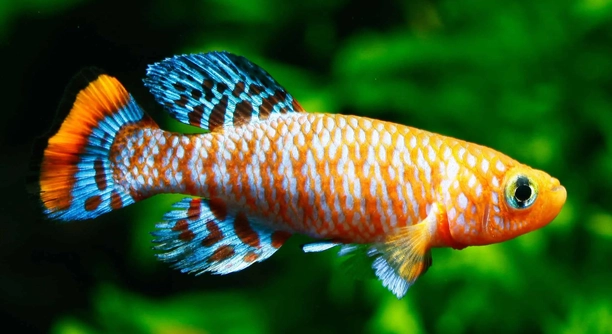
Killi fish are popular among aquarium enthusiasts for their bright colors and interesting behaviors. Many hobbyists enjoy breeding them to expand their collections. Understanding their breeding habits can help keep these fish healthy and thriving.
Killi fish can be bred year-round under controlled conditions that simulate their natural environment. Maintaining stable temperature, water quality, and lighting is essential for successful continuous breeding. Providing proper diet and habitat also supports their reproductive cycles.
Learning how to create the right environment will improve breeding success and keep your killi fish healthy throughout the year. This article will guide you through important factors to consider.
Understanding Killi Fish Breeding Conditions
Killi fish naturally breed during warmer months when water temperatures rise, and daylight increases. In captivity, replicating these conditions helps encourage breeding year-round. Keeping the tank temperature between 72°F and 78°F is ideal, as this range mimics their natural environment. Lighting also plays a key role; about 12 hours of light daily supports their reproductive cycle. Water quality must be carefully maintained with regular changes to avoid stress or disease. Soft, slightly acidic water is preferred by most killi species. Providing plenty of hiding spots and plants helps reduce aggression and gives the females places to lay eggs. Feeding a varied diet of live or frozen foods rich in protein can boost spawning frequency. Paying close attention to these factors creates a stable environment where killi fish can breed continuously without interruption.
Maintaining consistent conditions is crucial for reliable breeding success. Sudden changes may cause stress and halt reproduction.
Proper care and attention to water, temperature, light, and diet ensure your killi fish stay healthy and ready to breed throughout the year.
Setting Up the Breeding Tank
A separate breeding tank is recommended to protect eggs and fry from adult fish, which may eat them. The tank should be small, around 5 to 10 gallons, with a gentle filter to maintain water quality without strong currents. Adding fine-leaved plants like Java moss or spawning mops gives females a safe place to lay eggs. Keep water parameters stable, with a temperature of about 75°F. Use a soft substrate or none at all to make egg collection easier. Gentle lighting and quiet surroundings reduce stress. Regular feeding of nutritious foods encourages breeding behavior. Monitoring the tank daily helps detect eggs or fry early so you can adjust care as needed. This setup increases the chances of successful hatching and growth.
Proper tank setup protects developing eggs and supports fry survival during their early stages.
Breeding tanks tailored to killi fish needs provide a safe environment that encourages frequent spawning and healthy offspring.
Feeding for Continuous Breeding
Feeding high-quality, protein-rich foods is essential for killi fish to breed year-round. Live or frozen foods like brine shrimp, daphnia, and bloodworms help trigger spawning behavior. A varied diet supports their health and fertility, increasing chances of successful breeding.
Regular feeding of nutritious food improves the fish’s condition and encourages spawning. It’s best to feed small amounts two to three times daily to prevent overfeeding and water quality issues. Including live foods stimulates natural hunting instincts, which can boost breeding readiness. Supplementing with high-quality flakes or pellets ensures they receive all necessary nutrients. Proper nutrition strengthens the fish and supports egg production.
During breeding, females need extra protein to develop healthy eggs, while males benefit from energy-rich foods for courtship displays. Consistent feeding schedules help maintain stable breeding cycles. Avoid sudden diet changes, as these can stress the fish and reduce spawning frequency. Monitoring feeding habits closely helps you adjust portions and food types to optimize reproductive success.
Managing Breeding Challenges
Breeding killi fish year-round can come with challenges like aggression, stress, and water quality issues. Aggression increases during breeding, especially among males, so providing ample hiding places and enough space reduces conflicts. Stress from overcrowding or poor water conditions can stop spawning.
Maintaining good water quality through regular changes is critical to prevent disease and keep fish healthy. Removing uneaten food and debris helps avoid harmful buildup. Observing behavior daily allows early detection of stress or illness, enabling quick intervention. Adjusting environmental factors like temperature and lighting when needed can restore breeding activity. Patience and careful attention to the fish’s needs help overcome common obstacles and support continuous breeding success.
Recognizing When Killi Fish Are Ready to Breed
Signs that killi fish are ready to breed include increased activity and males displaying brighter colors. Females may appear fuller as eggs develop inside them. These behaviors indicate that the fish are in good condition and the environment supports spawning.
Pay close attention to how the fish interact. Males will often chase females gently, and you might see courtship displays like fin flaring. These signs help you know when to expect eggs soon.
Caring for Eggs and Fry
Once eggs are laid, they need gentle care. Remove adults from the breeding tank to prevent them from eating the eggs. Keep the water clean and slightly warmer to support development. Eggs usually hatch within 10 to 14 days.
Maintaining Ideal Water Conditions
Stable water conditions are key to successful breeding. Regular monitoring and adjustments help keep parameters steady and avoid stress that can halt reproduction.
When to Separate Fry from Adults
Separating fry from adults soon after hatching increases survival rates. Adults may view fry as food, so early removal protects young fish during their most vulnerable stage.
FAQ
Can killi fish breed without a specific breeding season?
Killi fish can breed year-round if the tank conditions mimic their natural environment. Stable temperature, proper lighting, and good water quality are necessary. By maintaining these factors consistently, you encourage spawning regardless of season. Sudden changes in the environment can pause breeding.
How often can killi fish lay eggs?
Depending on species and care, killi fish may lay eggs every few weeks. Females need time to recover between spawns, so overworking them should be avoided. Feeding nutritious food and maintaining stress-free conditions helps increase the frequency of egg laying.
What is the best water temperature for breeding killi fish?
A temperature between 72°F and 78°F is ideal for most killi species during breeding. This range supports egg development and encourages spawning. It’s important to avoid rapid temperature fluctuations, which can stress the fish and reduce breeding success.
How important is water quality for breeding success?
Water quality is critical. Poor water conditions cause stress and can lead to disease, stopping reproduction. Regular water changes, filtration, and monitoring parameters like pH and hardness keep the environment safe for eggs and fry.
Do killi fish require special lighting for breeding?
Yes, about 12 hours of light per day works best to mimic natural daylight cycles. Proper lighting supports hormone regulation tied to spawning. Too much or too little light can disrupt breeding behavior.
Can killi fish breed in a community tank?
Breeding in a community tank is possible but challenging. Other fish may eat eggs or fry, reducing survival rates. It’s better to use a separate breeding tank to protect young fish and increase hatch rates.
How do I know when eggs are fertilized?
Fertilized eggs usually appear clear or slightly yellow and develop visible embryos over several days. Unfertilized eggs often turn white or cloudy and may fungus over. Removing unfertilized eggs helps keep water clean.
What should I feed baby killi fish (fry)?
Fry need tiny live foods like infusoria, newly hatched brine shrimp, or microworms. These small foods provide essential nutrients for growth. Gradually, they can be introduced to finely crushed flakes or pellets.
How long does it take for killi fish eggs to hatch?
Eggs typically hatch within 10 to 14 days, depending on species and temperature. Warmer water speeds development, but too much heat can harm eggs. Watching eggs daily helps you track progress.
What are common problems when breeding killi fish?
Aggression, poor water quality, and improper diet are common issues. Aggressive males can stress females, stopping spawning. Regular tank maintenance and proper feeding reduce these problems. Patience and observation help identify issues early.
Is it necessary to remove adults after eggs are laid?
Yes, removing adults protects eggs and fry from being eaten. Some killi fish are more aggressive or opportunistic feeders. Keeping adults separate increases survival chances for offspring.
How do I encourage spawning behavior in killi fish?
Provide stable temperature, quality food, and plenty of hiding spots. Regular water changes and controlled lighting support natural instincts. Minimizing stress by avoiding overcrowding also encourages breeding.
Can breeding killi fish year-round affect their health?
If conditions are right and fish aren’t overbred, year-round breeding is possible without health issues. However, overbreeding or poor care can weaken fish. Give females time to recover and monitor their condition closely.
What is the role of plants in a breeding tank?
Plants offer hiding places and surfaces for eggs. Fine-leaved plants like Java moss help protect eggs and fry from adults. They also improve water quality by absorbing waste.
How do I care for fry after hatching?
Keep water clean and feed small live foods often. Avoid strong currents and provide shelter. Regularly check water parameters and remove any dead fry to prevent disease.
This FAQ covers the most common concerns and helps you maintain a healthy breeding setup for killi fish year-round.
Breeding killi fish year-round is definitely possible when you provide the right conditions. These fish respond well to stable environments that closely match their natural habitat. Key factors include maintaining a consistent temperature between 72°F and 78°F, providing about 12 hours of light daily, and keeping water quality high through regular changes and filtration. Paying attention to these details reduces stress on the fish and encourages them to breed continuously. It’s important to create a peaceful environment with enough plants and hiding spots to help reduce aggression and make the fish feel secure.
Nutrition plays a major role in supporting year-round breeding. Feeding your killi fish a varied diet rich in protein, such as live or frozen brine shrimp, bloodworms, and daphnia, boosts their health and increases their readiness to spawn. Females especially benefit from extra protein to develop healthy eggs. Feeding small amounts multiple times a day keeps the fish well-nourished without overfeeding or polluting the water. Maintaining a steady routine and avoiding sudden changes in diet also helps keep breeding cycles stable. Remember that a strong, healthy fish is more likely to reproduce successfully and produce healthy offspring.
Lastly, setting up a proper breeding tank and caring for eggs and fry carefully improves survival rates. Using a separate tank with gentle filtration and plenty of fine-leaved plants gives eggs a safe place to develop. Removing adult fish after eggs are laid prevents them from eating the eggs or fry. Once the fry hatch, feeding them tiny live foods like infusoria or baby brine shrimp helps them grow strong. Watching water conditions closely and making adjustments as needed keeps the environment healthy. With patience and attention to these factors, breeding killi fish throughout the year can be rewarding and enjoyable.

Hello,
If you enjoy the content that we create, please consider saying a "Thank You!" by leaving a tip.
Every little bit helps us continue crafting quality advice that supports the health, happiness, and well-being of pets around the world, for pets of all shapes, sizes, and species.
We really appreciate the kindness and support that you show us!