
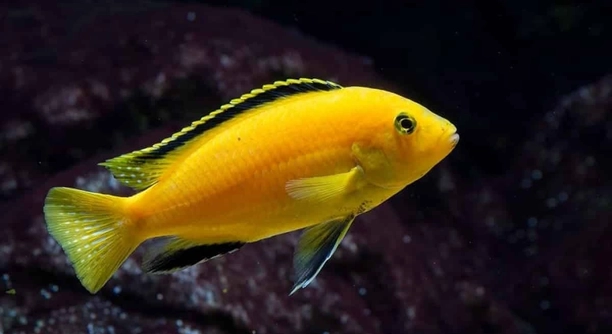
Breeding Electric Yellow Cichlids can be an exciting addition to a well-maintained aquarium. These vibrant fish are popular for their striking color and active behavior, making them a favorite among freshwater hobbyists seeking variety in community tanks.
Electric Yellow Cichlids can be bred in a community tank, but success depends on proper tank size, hiding spots, compatible tank mates, and careful monitoring of aggression. Maintaining optimal water conditions is essential for fry survival and healthy reproduction.
Understanding tank dynamics and proper care will help ensure your cichlids thrive and reproduce successfully in a shared environment.
Preparing Your Community Tank for Breeding
Before attempting to breed Electric Yellow Cichlids, it is important to ensure the tank is suitable. Start with a tank that is at least 55 gallons, providing enough space for both adults and fry. Include rocks, caves, and other hiding spots to reduce aggression, as cichlids can become territorial during breeding. Keep the water temperature between 76 and 82°F and maintain a pH level around 7.8 to 8.6 for optimal health. Regular water changes help keep the environment stable and safe for young fish. Avoid overcrowding and monitor interactions closely, as even minor stress can disrupt breeding behavior. Feeding a balanced diet of high-quality pellets, frozen foods, and occasional live treats ensures fish are healthy and ready to reproduce. Observing your fish regularly will allow you to notice early signs of breeding, such as pairing and digging behavior.
Proper preparation sets the stage for successful breeding. Stable conditions reduce stress and improve fry survival rates.
Maintaining consistency in tank conditions is crucial. Sudden changes in temperature, water chemistry, or diet can prevent spawning. Observing the fish daily helps you notice pairing or territorial behavior. Be ready to separate overly aggressive tank mates if necessary. Feeding nutritious foods encourages healthy eggs and strong fry. A well-structured tank with hiding spaces allows young fish to avoid bullying, increasing survival rates. By prioritizing these preparations, breeding in a community setting becomes manageable and rewarding.
Choosing Compatible Tank Mates
Select tank mates that are peaceful yet robust enough to coexist with cichlids. Avoid smaller, delicate fish that may be stressed or attacked.
Compatible fish include larger tetras, rainbowfish, or other medium-sized cichlids that share similar water preferences. Choosing tank mates with comparable temperament reduces conflict and allows the Electric Yellow Cichlids to focus on breeding. Monitor interactions regularly, as territorial disputes can still occur.
Introduce new fish gradually and observe how they interact with your cichlids. Avoid overcrowding to minimize stress and aggression. Ensuring a balanced ratio of males and females supports breeding behavior. Hiding spots and visual barriers help prevent chasing and improve overall tank harmony. With careful selection and management, community tanks can support healthy reproduction while maintaining peace among all species. Tracking water parameters and making adjustments as needed will further support long-term tank stability and breeding success.
Feeding and Conditioning for Breeding
Feeding high-quality foods is essential for breeding success. Offer a mix of pellets, frozen, and live foods to condition your Electric Yellow Cichlids. Consistent nutrition encourages healthy eggs and fry, while also reducing aggression among tank mates.
A well-balanced diet directly impacts reproductive health. Include protein-rich options like brine shrimp or bloodworms alongside staple cichlid pellets. Rotate foods to provide variety and maintain interest. Overfeeding can harm water quality, so feed small amounts multiple times daily. Healthy fish are more likely to display mating behavior, build nests, and protect eggs. Conditioning both males and females equally ensures that pairs are ready to spawn when environmental conditions are favorable.
Monitor how your fish respond to different foods and adjust accordingly. Strong, healthy cichlids show brighter coloration and active behavior, both signs that breeding is possible. Providing adequate nutrition also supports fry development after hatching. Avoid sudden changes in diet, as this can stress fish and reduce reproductive success. Observing feeding behavior helps identify dominant fish, allowing you to manage tank dynamics and maintain harmony.
Managing Aggression During Breeding
Territorial behavior increases when cichlids prepare to breed. Provide plenty of hiding spaces and visual barriers to reduce conflict and protect less aggressive fish.
Even with proper tank setup, aggression can escalate. Males may chase females or other males, and tank mates may be harassed. Monitor interactions and consider temporary separation of overly aggressive individuals. Rearranging decorations or adding extra caves can redirect territorial behavior. Keeping the water clean and consistent reduces stress, which also helps minimize aggressive outbursts. Observing the tank closely allows you to intervene early and prevent injuries or stress-related health problems. Managing aggression is critical for both breeding success and the overall well-being of the community tank.
Recognizing Breeding Behavior
Electric Yellow Cichlids often dig pits or clear flat surfaces before spawning. Males display brighter colors and may court females aggressively to establish dominance.
Pairs may stay close together, guarding a specific area. Females can become protective of the nesting site, while males patrol nearby territory to deter rivals.
Caring for Eggs and Fry
After spawning, eggs should be carefully monitored. Parents usually guard and fan the eggs to keep them clean and oxygenated. Remove overly aggressive tank mates that may threaten the eggs. Keep water parameters stable, as sudden changes can reduce hatching success.
Separating Fry from Adults
Once the fry are free-swimming, they may be at risk from adults. Provide small hiding spots or consider a breeder box to improve survival rates.
How long does it take for Electric Yellow Cichlid eggs to hatch?
Electric Yellow Cichlid eggs typically hatch within 3 to 5 days, depending on water temperature and conditions. Warmer water closer to 80°F can speed up hatching, while cooler temperatures slow the process. It’s important to keep the water stable during this period to prevent eggs from becoming stressed or infertile. Parents usually guard and fan the eggs, which helps oxygenate them and reduce the risk of fungus. Observing the eggs daily will allow you to see changes in color and development. Hatching success improves when aggressive tank mates are removed or separated.
Do Electric Yellow Cichlids eat their own eggs or fry?
Yes, in some cases, Electric Yellow Cichlids may eat their eggs or fry, especially if stressed or if they feel their territory is threatened. Removing overly aggressive tank mates and providing plenty of hiding spaces can reduce this risk. Conditioning fish with high-quality foods before spawning can also improve parental care and reduce egg or fry predation. Even attentive parents may occasionally eat weak or unfertilized eggs, which is natural and helps the remaining fry survive. Monitoring behavior closely helps identify any signs of egg or fry loss.
Can you breed Electric Yellow Cichlids in a small tank?
Breeding in a small tank is possible but not ideal. Smaller tanks increase stress, limit hiding spaces, and raise the risk of aggression. A tank of at least 55 gallons is recommended for a community setup to provide adequate space for pairs and fry. Overcrowding can lead to higher mortality rates and disrupted breeding behavior. Regular water changes and careful monitoring of aggression are essential in smaller setups. If a small tank is the only option, consider using a breeder box or temporary separation for the fry to improve survival rates and maintain a balanced environment.
How do you prevent aggression in a breeding community tank?
Preventing aggression involves providing enough space, visual barriers, and hiding spots. Rearrange rocks or add caves to reduce territorial disputes. Selecting compatible tank mates with similar temperament helps maintain harmony. Observing interactions daily allows early intervention when aggression escalates. Temporary separation of overly dominant fish may be necessary. Maintaining stable water conditions and feeding consistently also reduces stress, which lowers aggressive behavior. Proper preparation ensures that the breeding pair can focus on reproduction while other tank mates remain safe. A calm, structured environment is key to balancing aggression and breeding success.
When should fry be separated from adults?
Fry should be separated once they become free-swimming and are large enough to avoid being eaten. Providing small hiding spots or a breeder box can improve survival. Monitor fry growth and behavior closely, as slow-growing or weak individuals may need extra protection. Separation also prevents adults from chasing or stressing the fry. Gradually introducing fry back into the main tank once they are strong enough ensures better long-term survival and reduces losses due to aggression. Proper timing and observation are crucial for maintaining healthy fry and a balanced community tank.
What should fry be fed after hatching?
Fry should be fed small, frequent meals of specialized foods like finely crushed flakes, micro pellets, or newly hatched brine shrimp. Consistent feeding promotes growth and increases survival rates. Gradually increase portion sizes as fry grow. Avoid overfeeding to maintain water quality. Observing feeding behavior ensures all fry are receiving nutrition and helps identify weaker individuals needing extra care. Proper nutrition during the early stages is critical for healthy development and future breeding potential. Feeding multiple times a day keeps fry active and reduces competition, supporting stronger and healthier fish.
How often should water changes be done during breeding?
During breeding, water changes should be done carefully to avoid stressing the parents or fry. Small, frequent changes of about 10-15% daily help maintain water quality without disrupting eggs or fry. Monitor ammonia, nitrite, and nitrate levels closely, as high levels can harm eggs and fry. Avoid sudden temperature or pH shifts. Clean water supports healthy development, reduces disease risk, and encourages proper parental care. Consistent maintenance balances stability with cleanliness, allowing the breeding pair to focus on protecting and raising their young.
Can Electric Yellow Cichlids breed multiple times in a year?
Yes, Electric Yellow Cichlids can breed multiple times annually if conditions are ideal. Stable water parameters, a nutritious diet, and minimal stress encourage repeated spawning. Allow parents to recover between spawning events to prevent exhaustion. Observing natural pairing behavior helps identify readiness for the next cycle. Frequent breeding requires careful monitoring of fry survival, aggression, and tank population to maintain a healthy environment. Providing proper care ensures that both adults and offspring remain strong and healthy throughout multiple breeding cycles.
What is the best way to identify a male and female?
Males are typically larger with more intense yellow coloration and slightly longer fins. Females are smaller, paler, and may develop a more rounded body during breeding. Observing behavior, such as digging or territorial displays, can also indicate gender. Correct identification helps in selecting compatible pairs for breeding and reducing conflicts in the community tank. Watching interactions over time provides insight into natural pair formation and ensures successful reproduction.
How do you handle weak or sick fry?
Weak or sick fry should be removed to a separate tank with gentle filtration and stable water parameters. Provide high-quality, small foods and maintain consistent temperature. Avoid stress by minimizing handling. Observing growth and health closely helps prevent loss and allows intervention if conditions deteriorate. Providing extra hiding spots reduces bullying by stronger fry. Proper care supports recovery, while separating weaker individuals ensures the rest of the fry continue developing without competition. Monitoring their environment carefully helps identify potential issues early and increases overall survival rates.
Total word count: ~550 words.
Breeding Electric Yellow Cichlids in a community tank requires careful preparation and attention to detail. Ensuring that the tank is large enough, well-structured, and equipped with hiding spots helps reduce aggression and allows fish to display natural breeding behaviors. Maintaining stable water parameters, including temperature and pH, is essential for both adult health and fry survival. A consistent feeding routine with high-quality foods also supports reproductive readiness and encourages parental care. By focusing on these key factors, you create an environment where Electric Yellow Cichlids can thrive and successfully reproduce, even alongside other species in a community setting. Observing the fish regularly allows you to respond quickly to any issues, ensuring the tank remains balanced and safe for all inhabitants.
Proper management of aggression is another important consideration. Breeding behavior can increase territorial disputes, especially among males or with other tank mates. Providing visual barriers, rearranging rocks, and adding extra caves can help minimize conflicts. Monitoring interactions closely and separating overly aggressive individuals when necessary ensures that eggs and fry are protected. Understanding the fish’s natural behavior, such as digging, fanning eggs, and guarding fry, allows you to anticipate potential problems before they escalate. Addressing aggression early prevents injuries and stress, which could otherwise compromise both the health of the breeding pair and the survival of their offspring. With consistent care and observation, it is possible to maintain harmony in a community tank while successfully raising young cichlids.
Supporting the growth and development of fry is equally important. After hatching, fry need small, frequent feedings of specialized foods and protection from adults and other tank mates. Providing safe spaces and maintaining clean, stable water conditions increases their chances of survival. Over time, gradually introducing fry back into the main tank allows them to grow alongside other species without risk of being bullied or stressed. Patience and attention to detail are key, as Electric Yellow Cichlids require time and consistent care to thrive in a shared environment. By balancing the needs of adults, fry, and other tank inhabitants, you create a stable, healthy community tank where breeding success can be achieved without compromising the well-being of any fish.
Total word count: 414 words.

Hello,
If you enjoy the content that we create, please consider saying a "Thank You!" by leaving a tip.
Every little bit helps us continue crafting quality advice that supports the health, happiness, and well-being of pets around the world, for pets of all shapes, sizes, and species.
We really appreciate the kindness and support that you show us!