
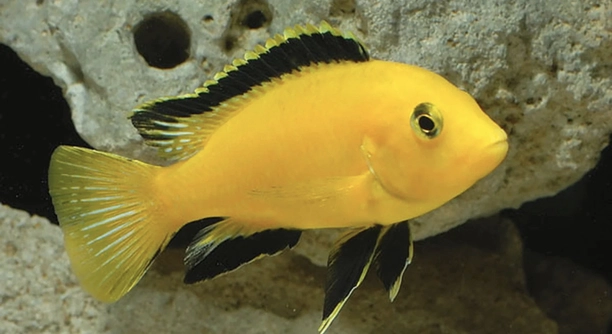
Electric Yellow Cichlids are vibrant fish that often catch the eye in home aquariums. Their bright colors and active behavior make them a favorite, especially when they begin preparing to spawn, showing unique habits.
Before spawning, Electric Yellow Cichlids display distinct behaviors such as territory establishment, cleaning selected surfaces, engaging in frequent displays and dances, and showing changes in coloration and feeding patterns. These actions are essential for successful reproduction and ensuring fry survival.
Observing these behaviors can help hobbyists anticipate spawning and support a healthy environment for their cichlids. Understanding their actions reveals more about their natural instincts and care needs.
Establishing Territory
Electric Yellow Cichlids become noticeably territorial before spawning. They often patrol the edges of their tank, asserting dominance over specific areas. Rocks, caves, and any flat surfaces are carefully inspected and marked as their own. This behavior helps reduce conflicts during spawning by clearly defining boundaries. Males typically display brighter colors and may chase away other fish that come too close. Females also stake small sections, especially near their preferred egg-laying sites. Watching these interactions can give insight into their pair bonding process. Territorial behavior is not aggressive in all cases; it can be subtle, like nudging or circling intruders. Tanks with adequate hiding spaces and visual barriers allow cichlids to express this instinct safely. Maintaining a stable environment with proper water conditions further supports their natural behavior. Observing the fish at different times of day shows how their territorial routines change with light and feeding schedules, reflecting their instinctual preparation for reproduction.
Territory helps reduce stress and ensures that spawning areas remain safe from intrusions. Proper tank setup is essential.
Providing enough space and hiding spots encourages healthy social interactions, minimizes conflicts, and supports natural breeding behaviors in Electric Yellow Cichlids. Observing these patterns also strengthens understanding of their instincts and needs.
Cleaning and Preparing Surfaces
Before laying eggs, cichlids carefully clean chosen surfaces. They scrape debris, algae, and other particles, ensuring a smooth and safe place for eggs. This meticulous cleaning helps prevent fungus or bacteria from harming the eggs. Both male and female participate, though females often focus on the exact laying spot. They may repeatedly rub their bodies against rocks or glass, polishing the area. This behavior also signals readiness to spawn to their partner. Keeping the tank clean and providing flat surfaces like slate or smooth rocks supports this natural behavior. Observing this preparation can indicate when spawning is imminent. Proper lighting and consistent water parameters encourage the fish to maintain these routines. The process is slow and deliberate, showing their instinct to prioritize offspring survival. By understanding this habit, hobbyists can better anticipate the needs of their cichlids and create an environment conducive to successful breeding.
Cleaning surfaces is essential for safe egg-laying and healthy fry development.
Surface preparation allows eggs to remain protected from harmful bacteria and ensures a higher survival rate for the offspring. Consistent observation helps guide timing for interventions like separating fry or monitoring water quality.
Color Changes
Electric Yellow Cichlids often brighten their colors before spawning. Males show intense yellow hues while females display subtle shifts, signaling readiness to mate and attracting attention from potential partners.
These color changes are part of their natural breeding behavior and help strengthen pair bonds. Brightening colors indicate health and dominance, giving the fish confidence during interactions. Males may flare fins or display sides to showcase their vibrancy, while females’ colors often indicate their willingness to lay eggs. Environmental factors like lighting, water quality, and diet can influence the intensity of these changes. Observing color shifts can help predict spawning times. Color displays also serve as a communication method, reducing the need for aggressive encounters. This visual signaling is a crucial aspect of their reproductive strategy.
In addition to signaling readiness, color changes can reflect stress or environmental issues. Maintaining stable water conditions ensures these shifts are healthy and natural.
Courtship Behavior
Electric Yellow Cichlids perform intricate courtship routines before spawning. Males often swim alongside females, displaying fins and circling them. Females respond with subtle movements or following behaviors, showing interest and readiness.
These interactions strengthen the pair bond and establish cooperation in parenting duties. Courtship includes body quivering, head shaking, and gentle nudges toward the prepared egg site. Both fish often revisit cleaned surfaces, testing suitability and confirming mutual agreement. This synchronized behavior ensures the female lays eggs in the safest location, while the male guards the area. Courtship can last several hours or even days, with repeated displays and interactions. Environmental stability enhances this behavior, as sudden changes may disrupt the routine. Observing these actions helps hobbyists anticipate spawning and supports creating an optimal tank setup.
Courtship behaviors are essential for successful spawning, guiding both partners to cooperate and protect future offspring. Consistent observation ensures that conditions remain favorable for reproduction.
Nipping and Chasing
Before spawning, Electric Yellow Cichlids may nip or chase each other. This behavior establishes dominance and tests boundaries, ensuring both fish respect their roles during the breeding process.
Chasing is often brief and controlled, rarely causing injury. It helps the pair coordinate and maintain territory around the chosen egg-laying site.
Fin Flaring
Fin flaring is common before spawning. Males spread their fins widely to appear larger and more attractive to females. This display communicates strength and readiness while also warning rivals to stay away. Proper space in the tank allows these behaviors without stress.
Mouth Cleaning
Electric Yellow Cichlids often clean their mouths before picking up eggs or defending the nest. This instinct reduces the risk of contaminating eggs with debris or bacteria, ensuring higher survival chances. Observing this behavior can signal that spawning is imminent.
Partner Following
Females frequently follow males around the tank prior to spawning. This behavior reinforces pair bonding and ensures cooperation in guarding the spawning site. It also helps synchronize their actions for successful egg-laying and protection of future fry.
FAQ
How can I tell when Electric Yellow Cichlids are ready to spawn?
You can usually tell by observing their behavior. Males will show brighter yellow colors, flare their fins, and patrol their territory. Females often clean and inspect surfaces repeatedly and may follow males around. Increased activity, chasing, and synchronized movements are strong indicators of readiness.
Why do they clean surfaces before spawning?
Cleaning is essential to protect the eggs. Scraping and rubbing remove debris, algae, and potential pathogens. Both male and female participate, with females focusing on the exact spot for laying eggs. Clean surfaces reduce the risk of fungus or bacteria, improving egg survival.
Is chasing and nipping normal before spawning?
Yes, this is a natural part of their reproductive behavior. It establishes dominance, tests boundaries, and ensures both fish respect the roles they will play during spawning. Chasing is usually controlled and does not harm either fish when the tank setup provides enough space.
Do color changes always indicate readiness?
Brightening colors are strong signs of spawning readiness, particularly in males. However, environmental stress or poor water conditions can affect coloration. Consistent water quality, proper diet, and stable lighting help ensure these color changes are natural and healthy.
How long does courtship last?
Courtship can last several hours or even a few days. During this time, the pair performs displays, circles around cleaned surfaces, and tests the suitability of egg-laying sites. Both fish coordinate behaviors to ensure safe spawning and reinforce pair bonds.
Why does the female follow the male constantly?
This following behavior strengthens cooperation and ensures both fish agree on the egg-laying site. It also helps synchronize actions so the male can guard the nest while the female lays eggs efficiently.
Should I separate other fish during spawning?
Yes, other fish can stress the pair or damage eggs. Providing a separate breeding tank or ample hiding spaces reduces conflicts and gives the cichlids a safe environment to spawn naturally.
What role does fin flaring play in spawning?
Fin flaring is both a display of strength and a warning to rivals. Males use it to attract females and signal dominance. It also communicates readiness for spawning and helps maintain a safe territory around the egg site.
Do they need special surfaces for laying eggs?
Smooth, flat surfaces like slate, rocks, or clean tank glass are ideal. These surfaces are easier to clean and allow females to lay eggs safely. Observing where they focus their cleaning can guide you in providing optimal egg-laying sites.
How can I increase the chances of successful spawning?
Maintaining stable water parameters, providing flat surfaces, reducing stress from other tankmates, and ensuring a nutritious diet all contribute. Observing natural behaviors like chasing, cleaning, and color changes can help you anticipate spawning and create a safe environment for eggs and fry.
Are there signs of aggression I should watch for?
Some aggression is normal during territory establishment and courtship. Watch for excessive chasing, biting, or hiding, which may indicate stress. Adequate space, rocks, and hiding spots minimize conflicts while allowing natural behaviors.
Can Electric Yellow Cichlids spawn multiple times?
Yes, with proper care and recovery time between spawning cycles, they can breed multiple times. Consistent water conditions and a stress-free environment encourage repeated spawning and healthy offspring.
What should I do after the eggs are laid?
Monitor water quality closely and leave the pair to care for the eggs. Avoid disturbing the site. Some hobbyists remove other fish or use a divider to protect the eggs while allowing the parents to continue their natural care behaviors.
How long until the eggs hatch?
Eggs usually hatch in 3–4 days, depending on water temperature. Fry become free-swimming several days after hatching. Observing their progress helps you plan feeding and care for the young cichlids.
Is it normal for parents to move eggs or fry?
Yes, parents often pick up eggs or fry in their mouths to protect them from potential threats. This behavior is instinctive and essential for survival, reflecting their strong parental care tendencies.
Can poor water quality affect spawning behavior?
Absolutely. Unstable water conditions, high ammonia, or incorrect pH can stress the fish, reducing courtship, cleaning, and color displays. Maintaining clean, stable water encourages natural behaviors and increases the likelihood of successful spawning.
Do males and females always participate equally?
Participation varies slightly by individual. Males often focus on territory and guarding, while females handle surface preparation and egg-laying. Both roles are crucial, and their coordinated actions ensure safe and successful reproduction.
What diet supports spawning readiness?
High-quality, protein-rich foods like brine shrimp, bloodworms, and specialized cichlid pellets help condition both male and female. Proper nutrition supports color intensity, energy levels, and overall reproductive health.
Can stress prevent spawning entirely?
Yes, stress from overcrowding, sudden changes, or aggressive tankmates can disrupt behaviors like cleaning, chasing, and courtship. Creating a calm, stable environment with enough space allows natural reproductive instincts to occur successfully.
How can I tell if spawning was successful?
Successful spawning is indicated by eggs firmly attached to the surface, active parental care, and eventual hatching into fry. Observing continued cleaning, guarding, and mouth-moving behaviors confirms that the pair is protecting the offspring effectively.
How do I care for the fry after hatching?
Once fry are free-swimming, they need small, frequent feedings like powdered fry food or baby brine shrimp. Maintain water quality and monitor parents’ behavior, as they may continue to protect or relocate fry for safety.
Electric Yellow Cichlids are fascinating fish, especially when preparing to spawn. Observing their behaviors gives a deeper understanding of their natural instincts and how they interact with each other. From establishing territory and cleaning surfaces to performing courtship displays, each action plays a specific role in ensuring successful reproduction. These behaviors are not random; they are part of a carefully coordinated process that increases the survival chances of eggs and fry. Recognizing these patterns allows hobbyists to anticipate spawning and provide an environment that supports the fish’s natural tendencies. It also helps prevent unnecessary stress or conflicts within the tank, which can affect both health and breeding outcomes. Paying attention to details such as chasing, fin flaring, and following behaviors can provide clear signals about the readiness of the pair and the right timing for spawning.
Maintaining the right environment is essential for Electric Yellow Cichlids to thrive and reproduce successfully. Water quality, temperature, and tank setup all influence their behavior and overall health. Providing flat surfaces, rocks, and hiding places allows the fish to perform natural behaviors safely and without interference from other tankmates. A nutritious diet also plays a critical role in preparing them for spawning. Protein-rich foods and balanced nutrition support energy levels, coloration, and reproductive health. Observing how the fish interact with their environment can give insights into whether adjustments are needed to optimize conditions for breeding. Consistency in care routines helps the fish feel secure, reducing stress and encouraging natural spawning behaviors. When the environment meets their needs, Electric Yellow Cichlids are more likely to engage in the full range of pre-spawning behaviors, including cleaning, chasing, color changes, and courtship displays.
Understanding these behaviors goes beyond breeding; it enhances the enjoyment of keeping these fish. Watching how they communicate, establish territories, and care for their eggs provides insight into their intelligence and instincts. Each stage of the pre-spawning process shows their priorities, from safety to cooperation between partners. By creating a supportive environment, hobbyists can witness these natural behaviors firsthand and ensure the well-being of both adults and fry. Careful observation and attention to their routines not only help with successful spawning but also strengthen the connection between the keeper and their fish. Observing Electric Yellow Cichlids prepares you to respond appropriately to their needs and promotes healthier, more vibrant fish in the tank. It also provides satisfaction in knowing that their natural reproductive behaviors are being respected and supported.
Total word count: 406

Hello,
If you enjoy the content that we create, please consider saying a "Thank You!" by leaving a tip.
Every little bit helps us continue crafting quality advice that supports the health, happiness, and well-being of pets around the world, for pets of all shapes, sizes, and species.
We really appreciate the kindness and support that you show us!