
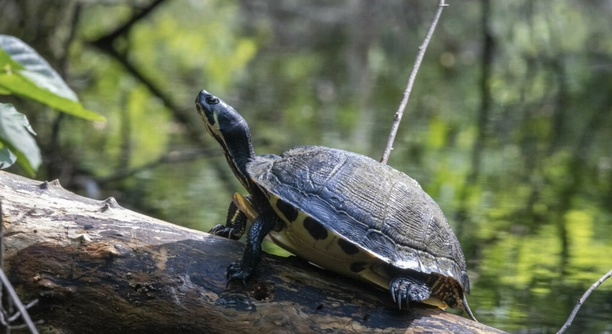
A Yellow-Bellied Slider’s habitat plays a crucial role in its health and well-being. Creating the right environment is key to its long-term happiness and growth. Proper habitat features will ensure your turtle thrives and feels secure.
An ideal habitat for a Yellow-Bellied Slider must include access to water, basking spots, and proper heating. Providing both land and water areas with a filtered water source ensures the turtle’s comfort and prevents health issues.
A suitable environment supports your turtle’s natural behaviors, offering the proper conditions to stay active and healthy.
Proper Water Quality
Maintaining clean, clear water is essential for the health of a Yellow-Bellied Slider. The water should be filtered and free of harmful bacteria or chemicals that could harm your turtle. It is important to change the water regularly to keep it fresh and to prevent any buildup of waste. You should also monitor the water temperature, as they thrive in temperatures between 75°F and 85°F. Using a thermometer will help ensure the environment is ideal for your turtle’s well-being. A proper filtration system will help keep the water clean without needing frequent water changes.
A high-quality filtration system ensures water is clear and clean. It reduces the buildup of harmful toxins and keeps the turtle’s habitat free of waste.
Without a proper filtration system, harmful bacteria and algae can build up quickly. This can lead to health problems for your slider, such as skin infections or respiratory issues. By investing in a good filter and cleaning the water regularly, you can reduce these risks and promote a healthy habitat. Clean water encourages active behavior, proper digestion, and prevents the spread of diseases. It is also important to test water regularly to make sure its pH and hardness are within the appropriate range. A healthy water environment allows your turtle to feel comfortable and thrive.
Basking Area
Your Yellow-Bellied Slider needs a basking area to dry off, absorb UVB light, and regulate its body temperature.
Proper Lighting
A Yellow-Bellied Slider requires both UVA and UVB lighting to stay healthy. UVA light helps with general activity and metabolism, while UVB light is necessary for calcium absorption and shell health. You’ll need to set up a light source that mimics natural sunlight, placing it above the basking area.
UVB lighting must be on for about 10-12 hours a day. Using a specialized UVB bulb ensures your turtle can produce vitamin D3, which is essential for bone and shell development. Without adequate UVB exposure, your turtle may develop shell deformities or weakened bones. Replace the UVB bulb every 6-12 months to maintain its effectiveness.
If your turtle is not getting enough UVB light, it may become lethargic, lose its appetite, or show signs of shell deformities. The light should be positioned at the proper distance from the basking area to ensure the turtle can absorb the correct amount. It’s also important to keep the basking spot warm, ideally between 85°F and 90°F, to help your slider stay active and healthy.
Temperature Regulation
Yellow-Bellied Sliders require both water and air temperature control. The water should remain between 75°F and 85°F, while the air temperature should be slightly cooler, around 75°F to 80°F. This difference between water and air temperature helps regulate your turtle’s body heat and promotes natural behaviors.
To maintain proper temperatures, use a reliable water heater and a thermometer to monitor the conditions regularly. Placing a heat lamp above the basking area will help maintain the correct air temperature. It’s essential that your slider has access to a warm, dry spot to regulate body temperature after swimming.
If the temperatures are too low, your slider may become sluggish or stop eating altogether. If it’s too high, the turtle may become stressed. Finding the perfect balance ensures your Yellow-Bellied Slider remains active and healthy. Both temperature extremes should be avoided for long periods of time, as they can have a negative effect on your turtle’s health.
Safe Substrate
Choosing the right substrate for your Yellow-Bellied Slider is essential. Avoid fine gravel or sand, as it can lead to accidental ingestion, causing digestive issues. Instead, opt for smooth river rocks or a water-safe mat.
The substrate should be easy to clean and non-toxic. Regular cleaning prevents bacteria buildup and keeps the tank environment safe. It should also provide a natural look to the habitat, encouraging your turtle to feel secure and comfortable.
Hiding Spots
Providing hiding spots in the habitat allows your turtle to feel secure. These spots can be created using rocks, plants, or caves. Turtles need privacy for resting or escaping from the light, which reduces stress.
A well-hidden area gives your slider the opportunity to retreat when feeling vulnerable. Ensure the space is large enough for your turtle to fully retreat and feel protected. These spots not only offer comfort but also mimic the turtle’s natural environment. A safe, stress-free turtle is more likely to thrive in captivity.
Space to Move
Yellow-Bellied Sliders need ample space to move around. A cramped tank can result in stress and hinder your turtle’s growth. Make sure your habitat includes enough water and land space for your slider to swim, bask, and explore.
FAQ
What size tank is ideal for a Yellow-Bellied Slider?
A minimum of a 40-gallon tank is recommended for a single Yellow-Bellied Slider. However, the size should increase as your turtle grows. Each additional turtle requires an extra 10-20 gallons of space. A larger tank provides enough swimming area and allows the slider to thrive. Make sure the tank has both water and land areas, with enough space for the turtle to bask and swim freely. A bigger tank helps reduce stress and promotes a healthier environment.
How often should I clean the tank?
The tank should be cleaned regularly, with water changes every 1-2 weeks. A partial water change (about 25%) is enough to maintain good water quality. Additionally, you should clean the filter and scrub the tank surfaces every month to prevent algae buildup and bacteria growth. Ensure that all areas are properly cleaned without removing beneficial bacteria from the filter. Proper cleaning prevents disease and ensures your turtle has a safe environment.
Do I need to add plants to the habitat?
Live plants can be beneficial but are not required. They provide hiding spots, oxygenate the water, and help keep the tank looking natural. However, some turtles may eat the plants, so you may want to choose tougher species like anacharis or java moss. Artificial plants can also be used as a substitute if live plants aren’t an option. Plants add a more natural feel to the environment and give your slider an opportunity to forage and explore.
Can I use tap water for my turtle’s tank?
Tap water can be used, but it should be dechlorinated. Chlorine and chloramine in tap water can harm your turtle’s health. You can use a water conditioner or let the water sit for 24-48 hours to allow chlorine to dissipate. If your tap water is particularly hard or soft, it’s a good idea to test the water and adjust its pH and hardness as necessary. Consistent water quality is essential for the health of your turtle.
How can I ensure the temperature is ideal?
A water heater with an adjustable thermostat will help maintain the water temperature between 75°F and 85°F. For the basking area, use a heat lamp to ensure temperatures range from 85°F to 90°F. Use a thermometer to monitor both water and air temperature regularly. Temperature fluctuations can stress your turtle, affecting its digestion and immune system. Proper heating helps your slider stay active and healthy.
Is it necessary to have a filter for the tank?
Yes, a filter is highly recommended. It helps maintain clean water by removing debris, waste, and toxins. Without a filter, water quality will quickly deteriorate, leading to bacterial growth and health problems for your turtle. Choose a filter designed for tanks larger than your current size to ensure adequate filtration. Make sure to clean the filter regularly and replace its parts when needed.
What kind of food should I feed my Yellow-Bellied Slider?
A balanced diet is essential for your Yellow-Bellied Slider’s health. Feed your turtle a variety of foods, including pellets, leafy greens, vegetables like carrots and squash, and occasional protein such as insects, fish, or worms. Young turtles require more protein than adults. Overfeeding protein can lead to obesity and shell deformities, so always keep the diet balanced. Also, avoid feeding them iceberg lettuce, as it has little nutritional value.
How long do Yellow-Bellied Sliders live?
Yellow-Bellied Sliders can live for 20-30 years in captivity with proper care. Providing a stable, clean environment and a balanced diet contributes to their longevity. Regular veterinary checkups also help in detecting any potential health problems early on. The longer your turtle lives, the more attention it requires, so be prepared for a long-term commitment.
Do I need to take my turtle outside for sunlight?
While a UVB light can provide essential exposure indoors, occasional outdoor time under direct sunlight is beneficial. Natural sunlight helps your slider absorb vitamin D3, which is crucial for calcium absorption and shell health. However, make sure the outdoor area is safe, secure, and free of predators. Always supervise your turtle when outside to prevent accidents.
Why isn’t my turtle eating?
A lack of appetite could be due to various factors such as incorrect water temperature, stress, or illness. If the water is too cold or the basking area isn’t warm enough, it can cause a lack of interest in food. Stress from a dirty environment or changes in the habitat could also affect eating habits. If your turtle refuses to eat for more than a few days, it’s advisable to consult a vet.
Final Thoughts
Creating the ideal habitat for a Yellow-Bellied Slider is not only about meeting their basic needs but also ensuring they feel safe, comfortable, and engaged. It requires a balance of clean water, adequate space, and the right lighting conditions. Providing a tank with a good filtration system and maintaining proper water temperature is essential. Your turtle’s overall health depends on consistent care and the environment you provide.
In addition to the physical space, it’s important to focus on their behavior and mental stimulation. Offering hiding spots and plants gives your turtle the opportunity to exhibit natural behaviors, like exploring and foraging. It’s crucial to understand that Yellow-Bellied Sliders are active creatures that enjoy swimming, basking, and interacting with their environment. A stimulating, well-maintained habitat helps your slider feel more at ease, leading to better health and a longer life.
Lastly, as with any pet, commitment is key. Yellow-Bellied Sliders have long lifespans, sometimes living up to 30 years with the right care. This means your responsibility doesn’t end once the habitat is set up. Regular maintenance of the tank, monitoring the health of your turtle, and adjusting the habitat as they grow are all important aspects of responsible pet ownership. By providing a well-balanced, suitable environment, you ensure your turtle’s happiness and longevity.

Hello,
If you enjoy the content that we create, please consider saying a "Thank You!" by leaving a tip.
Every little bit helps us continue crafting quality advice that supports the health, happiness, and well-being of pets around the world, for pets of all shapes, sizes, and species.
We really appreciate the kindness and support that you show us!