
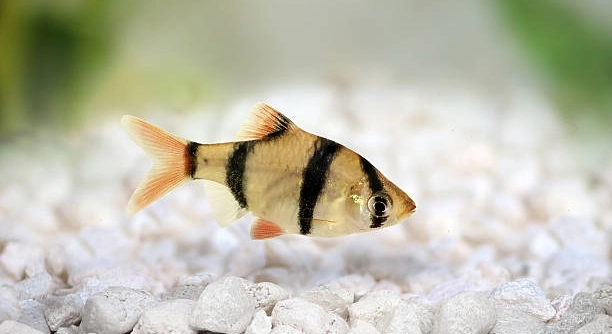
Tiger Barbs are popular aquarium fish known for their active behavior and bright colors. Many fishkeepers want to understand how these fish respond to changes in their environment, especially temperature swings that can affect their well-being. Maintaining a stable habitat is important for their health.
Tiger Barbs can detect temperature changes to some extent through sensory cells, allowing them to respond behaviorally to maintain comfort. However, their temperature sensitivity is moderate and relies on environmental cues rather than precise thermal sensing.
Knowing how Tiger Barbs sense temperature changes helps in creating a suitable tank environment. This information supports better care practices and improves the overall health of these lively fish.
How Tiger Barbs Detect Temperature Changes
Tiger Barbs detect temperature changes primarily through their skin and sensory organs called thermoreceptors. These receptors allow them to notice when the water is getting warmer or cooler. Sudden shifts in temperature can stress the fish, causing changes in behavior such as hiding, reduced activity, or erratic swimming. In natural environments, fish have time to adjust slowly, but in aquariums, rapid changes often occur. Monitoring water temperature and keeping it stable is essential to avoid stressing the fish. Temperature swings can also impact their immune system, making them more vulnerable to illness. Maintaining consistent temperature helps keep Tiger Barbs healthy and active. Understanding their temperature sensitivity is important for any aquarium keeper looking to provide the best care for these fish.
Thermoreceptors in Tiger Barbs are not highly sensitive, so the fish rely more on overall water conditions and gradual changes.
Careful temperature control creates a stable environment. This reduces stress and supports their natural behavior and health, leading to a longer, happier life for the fish.
Ideal Temperature Range for Tiger Barbs
Tiger Barbs thrive best in water temperatures between 74°F and 79°F (23°C to 26°C). This range mimics their natural tropical habitat and supports proper metabolism and activity levels.
Maintaining a consistent temperature within this range helps prevent stress and disease. Sudden drops or rises can weaken the fish, making it harder for them to fight infections or adapt. Aquarium heaters and thermometers are essential tools to keep track of temperature. It’s also helpful to avoid placing the tank near windows or vents where temperature fluctuations are more likely. In addition, frequent water changes with properly tempered water contribute to a stable environment. By respecting their temperature needs, fishkeepers can create a balanced habitat that encourages healthy growth and vibrant colors. Proper temperature care is a simple yet effective way to ensure Tiger Barbs remain lively and stress-free.
Effects of Temperature Swings on Tiger Barbs
Rapid temperature swings can cause significant stress to Tiger Barbs. These changes disrupt their metabolism and immune system, making them more prone to illness and behavioral issues.
Temperature fluctuations confuse the fish’s natural balance. Stress from sudden shifts may lead to lethargy, loss of appetite, or increased aggression. Their immune response weakens, increasing susceptibility to infections like ich or fin rot. Consistent temperatures reduce this risk and support recovery if illness occurs. Providing a stable environment helps Tiger Barbs stay healthy and active.
Gradual temperature changes are less harmful, allowing Tiger Barbs to adjust. Small, frequent water changes with matching temperature help maintain stability. Avoid placing tanks near drafts or direct sunlight, which cause rapid fluctuations. Keeping equipment like heaters and filters reliable ensures a more consistent habitat, reducing stress and encouraging normal behavior.
How to Maintain Stable Temperature in Your Aquarium
Using a reliable heater with a built-in thermostat is essential for keeping water temperature stable. Thermometers should be used to monitor the temperature daily to catch any variations early.
Regular maintenance also helps maintain temperature stability. Checking equipment, cleaning filters, and avoiding sudden large water changes contribute to consistent water conditions. Insulating the tank or positioning it away from windows and vents prevents environmental influences on temperature. Automated temperature controllers can provide additional security against unexpected swings. These steps help maintain a healthy and calm environment for Tiger Barbs, allowing them to thrive with minimal stress.
Signs of Temperature Stress in Tiger Barbs
Tiger Barbs under temperature stress often show signs like clamped fins, reduced movement, and loss of appetite. These behaviors indicate discomfort and a need for immediate attention.
Watch for sudden changes in color or increased hiding. These signs suggest the fish is struggling with its environment and may require adjustments to water temperature.
Temperature and Tiger Barb Breeding
Stable temperature is crucial for successful breeding of Tiger Barbs. Fluctuations can interrupt spawning and reduce egg viability. Maintaining water between 77°F and 79°F encourages breeding behaviors. Consistent conditions help eggs develop properly and support healthy fry growth, increasing the chance of survival in captivity.
Monitoring Tools for Temperature
Using accurate thermometers and digital controllers ensures precise temperature monitoring. Consistent checks prevent unexpected changes that could harm the fish.
Temperature and Tank Mates
Choosing tank mates with similar temperature needs helps maintain harmony. Mixed temperature requirements can stress fish and disrupt the aquarium balance.
FAQ
Can Tiger Barbs tolerate sudden temperature changes?
Tiger Barbs are moderately tolerant but sudden temperature swings can stress them significantly. They prefer gradual changes in water temperature. Rapid shifts can cause lethargy, loss of appetite, and weaken their immune system, increasing the risk of disease. Keeping temperature stable helps avoid these problems.
How quickly can Tiger Barbs adapt to temperature changes?
Adaptation speed depends on how drastic the change is. Small, slow shifts over several hours or days are manageable. Sudden changes in minutes or a few hours often cause stress and may harm the fish. Gradual adjustments are best to keep Tiger Barbs healthy.
What is the ideal temperature range for Tiger Barbs?
The ideal range is between 74°F and 79°F (23°C to 26°C). This range supports their metabolism, activity levels, and overall health. Keeping water within these limits reduces stress and encourages natural behavior.
What happens if the temperature drops below the ideal range?
Temperatures below 74°F slow down Tiger Barbs’ metabolism. They become less active and may eat less. Prolonged exposure to cold water can suppress their immune system, making them vulnerable to infections and diseases.
Can Tiger Barbs survive in temperatures above 79°F?
Short periods above 79°F might be tolerated but extended exposure can cause stress. High temperatures lower dissolved oxygen levels, making it harder for fish to breathe. Overheating also accelerates metabolism, leading to exhaustion and reduced lifespan.
How can I stabilize aquarium temperature?
Use a reliable heater with a thermostat and monitor with an accurate thermometer. Avoid placing tanks near windows or air vents. Regular water changes should use water at the same temperature as the tank. Insulating the tank or using automated temperature controllers can help maintain steady conditions.
Are temperature swings harmful during breeding?
Yes, temperature swings can disrupt spawning behavior and affect egg viability. Consistent water temperature between 77°F and 79°F is recommended to support successful breeding and healthy fry development.
What are common signs of temperature stress in Tiger Barbs?
Signs include clamped fins, hiding more than usual, erratic swimming, color fading, and loss of appetite. Stress may also cause increased aggression or lethargy. These behaviors signal the need to check and stabilize water temperature.
Can Tiger Barbs sense temperature changes directly?
They sense temperature changes through thermoreceptors in their skin, but these sensors are not highly sensitive. Tiger Barbs mainly rely on general environmental cues and water conditions to respond to temperature changes.
Do other tank conditions affect how Tiger Barbs handle temperature swings?
Yes, poor water quality, overcrowding, and stress from aggressive tank mates can worsen the effects of temperature swings. Maintaining clean water, proper stocking, and compatible tank mates supports overall health and helps fish cope better.
What equipment is best for monitoring temperature?
Digital thermometers with external probes and aquarium heaters with built-in thermostats provide accurate temperature control. Automated temperature controllers can alert you to changes and adjust heaters, giving extra security against sudden shifts.
How often should I check my aquarium temperature?
Daily checks are recommended, especially if the tank is in an area prone to temperature fluctuations. Frequent monitoring helps catch any problems early and allows quick adjustments to maintain stability.
Is it okay to use room temperature water for water changes?
Room temperature water can be used only if it matches the tank temperature closely. Significant differences can cause temperature swings that stress Tiger Barbs. Always measure and adjust new water before adding it to the tank.
Can temperature swings cause diseases in Tiger Barbs?
Yes, stress from temperature swings weakens the immune system, making fish more susceptible to diseases like ich, fin rot, and bacterial infections. Preventing temperature fluctuations is a key part of disease prevention.
Do Tiger Barbs show different behaviors in cold vs. warm water?
In cooler water, they tend to be less active and eat less. In warmer water within their ideal range, they are more active and display normal schooling and foraging behavior. Outside this range, abnormal behavior like hiding or aggression may appear.
Can I keep Tiger Barbs with fish that prefer different temperatures?
It’s best to choose tank mates with similar temperature requirements to avoid stress. Mixing species that need cooler or warmer water can create an unstable environment and affect all fish’s health.
How does temperature affect Tiger Barb coloration?
Stable temperatures help maintain vibrant colors. Stress from temperature swings may cause fading or dullness. Healthy, consistent conditions encourage bright and clear coloration.
What should I do if my aquarium heater fails?
Have a backup heater ready. If a failure occurs, immediately replace or repair the heater and monitor fish closely for signs of stress. Moving the tank to a warmer room temporarily may help prevent rapid cooling.
Are outdoor tanks suitable for Tiger Barbs?
Outdoor tanks face natural temperature swings and are harder to control. Without proper regulation, Tiger Barbs can become stressed. Indoor tanks with controlled heating are preferable for their well-being.
Can Tiger Barbs recover from temperature shock?
Recovery is possible if stress is mild and conditions stabilize quickly. Providing clean water, proper temperature, and reducing stress factors helps fish regain health. Severe or prolonged shock may cause lasting damage or death.
Tiger Barbs are fascinating fish that add energy and color to any aquarium. Understanding how they respond to temperature changes is important for their care. These fish have a limited ability to sense temperature shifts through sensory cells, but they mainly react to changes in their environment. Sudden or large temperature swings can cause stress, affecting their behavior, health, and immune system. By keeping the water temperature stable within their preferred range, aquarium keepers can help Tiger Barbs stay active and healthy. Temperature control is one of the key factors in providing a comfortable and safe habitat for these fish.
Maintaining the ideal temperature between 74°F and 79°F is essential for Tiger Barbs. This range supports their natural metabolism and normal activities such as swimming, feeding, and breeding. When the temperature falls outside this range, either too low or too high, Tiger Barbs may become less active or stressed. Prolonged exposure to unsuitable temperatures weakens their immune system, increasing the risk of illness. Aquarium heaters with thermostats, along with regular temperature monitoring, are valuable tools to prevent unwanted fluctuations. Avoiding rapid changes by adjusting water temperature slowly and protecting the tank from drafts or direct sunlight also helps keep conditions steady. These simple steps reduce stress and support overall fish health.
It is important to recognize signs of temperature stress early, such as changes in behavior, reduced appetite, or unusual hiding. If you notice these signs, checking and adjusting the tank temperature should be a priority. Keeping water clean and stable, alongside compatible tank mates, further supports Tiger Barbs’ well-being. While these fish can tolerate some variation, consistent care is the best way to ensure they thrive. With careful attention to temperature and environment, Tiger Barbs can live a long and vibrant life, enriching the aquarium with their lively presence.

Hello,
If you enjoy the content that we create, please consider saying a "Thank You!" by leaving a tip.
Every little bit helps us continue crafting quality advice that supports the health, happiness, and well-being of pets around the world, for pets of all shapes, sizes, and species.
We really appreciate the kindness and support that you show us!