
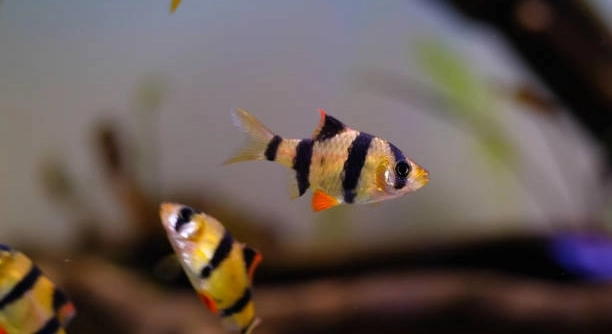
Barbs are lively fish often kept in home aquariums, known for their active swimming and bright colors. Sometimes, you might notice your barb breathing faster than usual, which can be concerning. Understanding why this happens can help you care for your fish better.
Rapid breathing in barbs can be caused by several factors, including poor water quality, low oxygen levels, stress, illness, or changes in water temperature. Each of these conditions affects the fish’s ability to breathe comfortably, leading to faster gill movement.
Learning about these causes will help you recognize potential problems early and provide the best environment for your barb’s health and comfort.
Poor Water Quality
Poor water quality is one of the main reasons a barb might breathe fast. When the water in the tank becomes dirty or contains harmful chemicals, it can irritate the fish’s gills and make breathing difficult. Waste buildup, leftover food, and dead plants all contribute to a decline in water quality. Barbs are sensitive to ammonia, nitrites, and nitrates, which are common toxins in poorly maintained tanks. These substances reduce oxygen availability, forcing your fish to work harder to breathe. Testing the water regularly and doing timely water changes are key to keeping your barb healthy. Using a good filtration system also helps maintain clean water. When water quality improves, your barb’s breathing should return to normal.
Regular water testing and maintenance help prevent oxygen depletion and gill irritation in barbs.
Maintaining good water quality means checking parameters like pH, ammonia, nitrites, and nitrates frequently. Keeping these within safe levels reduces stress and respiratory strain. Avoid overfeeding and remove uneaten food to prevent decay. Performing weekly water changes of about 20-30% can effectively reduce toxins. Also, make sure the tank is not overcrowded, as too many fish increase waste production and lower oxygen. A healthy tank environment supports your barb’s breathing and overall wellbeing.
Low Oxygen Levels
Low oxygen levels can cause a barb to breathe rapidly. When there isn’t enough oxygen dissolved in the water, fish try to compensate by moving their gills faster.
In tanks with poor aeration or overcrowding, oxygen levels drop. Warmer water also holds less oxygen. Adding an air stone or increasing water movement can boost oxygen. Monitoring temperature and avoiding overcrowding keep oxygen sufficient.
Stress and Anxiety
Stress can cause a barb to breathe faster than usual. Changes in the environment, aggressive tank mates, or sudden noises can make fish anxious.
When barbs feel threatened or uncomfortable, their breathing speeds up as part of a stress response. Stress weakens their immune system and can lead to illness. Sudden changes like moving the tank or rearranging decorations may cause stress. Keeping a stable environment and peaceful tank mates helps reduce anxiety. Providing hiding places gives barbs a safe space to relax.
Stress may also arise from poor water conditions or overcrowding. Regular tank maintenance and monitoring behavior are important. Observing your barb’s interactions and making sure they have enough space supports calmer breathing and better health overall.
Illness and Parasites
Illness and parasites often cause increased breathing rates in barbs. These conditions affect the gills and respiratory system directly.
Diseases like gill flukes or bacterial infections can damage gill tissue, making oxygen exchange less efficient. Parasites attach to the gills and skin, causing irritation and rapid breathing. Sick fish may also show lethargy, loss of appetite, or abnormal swimming. Early detection is crucial for effective treatment. Quarantining new fish before adding them to the main tank reduces disease risk. Using medications or treatments recommended by an expert helps clear infections. A healthy diet strengthens the barb’s immune system, making recovery easier. Monitoring water quality and keeping stress low supports healing and prevents recurring illness.
Temperature Changes
Rapid temperature changes can make barbs breathe fast. Fish are sensitive to water temperature shifts, which affect their metabolism.
When water gets too warm, oxygen levels drop, causing faster breathing. Sudden cooling can also stress the fish, leading to similar reactions. Keeping the tank temperature stable is important for your barb’s comfort.
Overcrowding in the Tank
Too many fish in a tank reduce oxygen availability and increase waste, causing stress and rapid breathing in barbs. Overcrowding makes it harder for fish to swim freely, which adds to their discomfort. Ensuring enough space per fish improves water quality and helps maintain normal breathing rates.
Ammonia or Nitrite Poisoning
Ammonia or nitrite poisoning causes gill damage and breathing difficulty in barbs. These toxins accumulate from waste and uneaten food in poorly maintained tanks. Prompt water changes and filtration improvements reduce these harmful substances and support recovery.
Natural Activity
Barbs often breathe faster during active swimming or play. Increased movement requires more oxygen, so their breathing rate rises temporarily. This is normal and not a concern if the tank conditions are healthy.
Why is my barb breathing so fast all of a sudden?
Sudden fast breathing in barbs is often linked to a quick change in their environment. This could be a spike in water temperature, a drop in oxygen levels, or exposure to toxins like ammonia. Stress from new tank mates or moving the tank can also cause this reaction. Checking water parameters and the tank setup usually helps identify the cause.
How can I tell if poor water quality is affecting my barb’s breathing?
If your barb breathes fast and you notice cloudy water, strong odors, or dead plant material, water quality may be the issue. Testing for ammonia, nitrites, nitrates, and pH can confirm this. Poor water irritates gills, making it hard for fish to get oxygen, which leads to rapid breathing.
Can low oxygen in the tank be fixed easily?
Yes, improving oxygen levels is often simple. Increasing water surface agitation with an air stone or filter helps oxygen dissolve better. Reducing overcrowding and lowering water temperature slightly can also improve oxygen availability. Proper aeration supports healthier fish and normal breathing.
Is stress really a big factor in fast breathing?
Stress is a major factor. Barbs react quickly to stress by breathing faster. Causes include aggressive tank mates, loud noises, sudden changes, and poor water conditions. Stress weakens their immune system, so managing the environment and keeping a calm tank is important for their health.
How do I know if my barb has parasites or illness?
Fast breathing combined with other signs like rubbing against surfaces, lethargy, loss of appetite, or visible spots may mean illness or parasites. Parasites often irritate the gills, making breathing difficult. Quarantine new fish and observe carefully to catch problems early.
What’s the best way to treat gill parasites?
Treating gill parasites usually involves medication designed for fish, such as antiparasitic baths or water treatments. Follow the instructions carefully and maintain excellent water quality during treatment. Removing affected fish to a quarantine tank helps prevent spread.
Can temperature changes really affect my barb’s breathing that much?
Yes, barbs are cold-blooded and rely on stable water temperature. Warm water holds less oxygen and speeds up metabolism, causing faster breathing. Cold water can shock them, also causing stress. Keeping the tank temperature steady is key to avoiding these issues.
How many barbs should I keep in one tank?
A good rule is about one inch of fish per gallon of water, but barbs need room to swim and avoid stress. Overcrowding reduces oxygen and increases waste, causing breathing problems. Providing enough space improves water quality and helps keep breathing steady.
Could my barb’s fast breathing be normal behavior?
Sometimes, yes. Barbs breathe faster during active swimming or feeding. This increase is temporary and not a problem if the tank is well-maintained. Watch for signs of stress or illness to be sure it’s not a health issue.
What can I do daily to keep my barb’s breathing normal?
Daily observation is important. Check for fast or labored breathing and look for any behavior changes. Keep water clean by removing uneaten food and debris. Ensure the filter is working well and maintain a consistent feeding schedule.
Are there foods that can help improve my barb’s respiratory health?
A balanced diet supports overall health, including breathing. High-quality flakes or pellets designed for tropical fish provide good nutrition. Occasionally adding live or frozen foods like brine shrimp or bloodworms can boost their immune system and energy.
When should I call a vet or fish specialist?
If your barb’s fast breathing continues for several days despite good water quality and tank conditions, or if other symptoms like swelling, discoloration, or lethargy appear, it’s time to seek professional help. Early treatment can save your fish’s life.
Can tank decorations cause stress and fast breathing?
Yes, decorations that overcrowd the tank or block swimming space can stress barbs. Sharp or rough surfaces may also injure them. Providing enough open areas and safe hiding spots helps reduce stress and keep breathing normal.
How important is regular water testing for barb health?
Regular water testing is crucial. It helps detect problems like ammonia spikes or pH shifts before they harm your fish. Maintaining safe water parameters supports steady breathing and overall health. Many hobbyists test weekly or biweekly.
Is it okay to keep barbs with other fish species?
Barbs can live with other fish, but compatibility matters. Aggressive or very shy tank mates can cause stress, leading to faster breathing. Choose species with similar temperaments and environmental needs to keep peace and reduce stress in the tank.
What role does filtration play in my barb’s breathing?
Filtration removes waste and toxins that reduce water quality and oxygen levels. A good filter keeps the water clean and oxygenated, supporting easy breathing. Regular filter maintenance is necessary to avoid buildup that can harm your barb’s health.
When you notice your barb breathing fast, it’s important to pay attention because it usually signals something in their environment needs attention. Fish rely on clean water with enough oxygen to breathe properly, so changes in water quality, temperature, or tank conditions can cause them to breathe harder. Fast breathing is often the first sign that something isn’t right, whether it’s poor water quality, stress, or illness. Taking time to check the water, observe your fish, and maintain a calm, clean tank will help your barb stay healthy and comfortable.
Keeping a regular routine of tank maintenance is one of the best ways to prevent problems that lead to rapid breathing. This includes testing water parameters like ammonia, nitrites, and pH, doing partial water changes, and making sure the tank is not overcrowded. Overcrowding not only reduces oxygen levels but also increases waste, both of which affect breathing. Also, keeping the water temperature steady and avoiding sudden changes help your barb feel safe and stress-free. Stress weakens their immune system and makes breathing more difficult. Providing hiding places and compatible tank mates can reduce stress and encourage natural behavior.
If fast breathing continues despite good water conditions, illness or parasites may be the cause. It’s important to act quickly by isolating the affected fish and seeking advice on proper treatment. Many illnesses affect the gills, making it hard for the fish to get enough oxygen. Early detection and care improve the chance of recovery. By maintaining good tank habits, monitoring your fish closely, and acting on changes, you can create a healthy environment where your barb can thrive. Paying attention to breathing patterns is a helpful way to catch problems early and ensure your fish lives a happy, healthy life.

Hello,
If you enjoy the content that we create, please consider saying a "Thank You!" by leaving a tip.
Every little bit helps us continue crafting quality advice that supports the health, happiness, and well-being of pets around the world, for pets of all shapes, sizes, and species.
We really appreciate the kindness and support that you show us!