
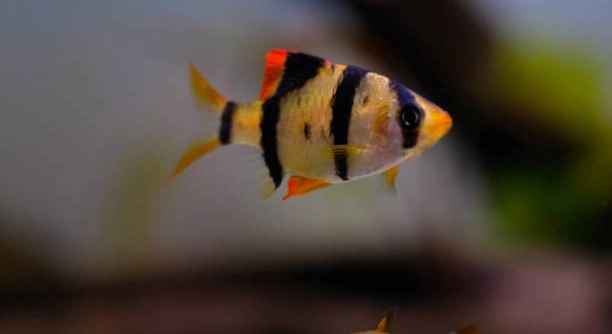
Tiger Barbs are popular freshwater fish known for their vibrant colors and active nature. Many fishkeepers wonder about their specific care requirements, especially regarding temperature needs in home aquariums. Understanding these needs helps create a healthy environment for them.
Tiger Barbs can survive without a heater if the room temperature remains stable between 74°F and 79°F. Sudden drops below this range may cause stress or illness. Consistent temperature regulation is critical for their overall health and well-being.
Knowing how temperature affects Tiger Barbs can help maintain their vitality and prevent common health problems related to improper care. This article explores important factors for their comfort in various home setups.
Temperature Requirements for Tiger Barbs
Tiger Barbs thrive best in water temperatures between 74°F and 79°F. This range mimics their natural habitat, ensuring they remain active and healthy. When the temperature falls below 74°F, their metabolism slows down, making them more vulnerable to diseases. On the other hand, temperatures above 79°F can increase their stress levels and shorten their lifespan. Many people keep their tanks without heaters in warmer climates where room temperature stays within this range year-round. However, in cooler or fluctuating environments, a heater becomes necessary to maintain a stable temperature. Sudden changes in temperature are especially harmful, so avoiding quick drops or spikes is important. Monitoring your aquarium temperature regularly can help keep Tiger Barbs comfortable and reduce the risk of illness. Proper temperature control supports their immune system and encourages natural behavior.
Keeping the tank at a steady temperature improves the overall health of Tiger Barbs and prevents common problems caused by temperature stress.
Temperature management is a key factor in ensuring your Tiger Barbs live a full, active life. Small adjustments to tank conditions can make a significant difference in their well-being.
Can Tiger Barbs Live Without a Heater?
In warm climates where indoor temperatures remain steady, Tiger Barbs can live without a heater if water temperature stays within their ideal range. This works well during summer months or in heated homes with stable room temperatures. However, relying on ambient temperature alone can be risky in places where temperatures fluctuate, especially during winter. Without a heater, tanks may experience temperature drops at night or on colder days, which can stress the fish. Stress weakens their immune systems and increases the chances of disease outbreaks. A heater ensures consistent warmth, avoiding harmful temperature swings. For those with fluctuating temperatures, a heater provides peace of mind by maintaining stability. Investing in a reliable aquarium heater is often a worthwhile step to protect Tiger Barbs from temperature-related issues. It also simplifies care and reduces worries about sudden cold spells affecting their health.
Ideal Tank Conditions for Tiger Barbs
Stable water temperature is essential for Tiger Barbs to remain healthy and active. Besides temperature, water quality must be maintained with regular changes and proper filtration. They prefer slightly acidic to neutral pH levels between 6.5 and 7.0.
Maintaining stable water parameters helps reduce stress and supports the immune system of Tiger Barbs. Their tank should have plenty of hiding spots and space for swimming since they are active fish. A well-planted aquarium with moderate lighting mimics their natural environment and encourages natural behaviors. Avoid overcrowding the tank, as it increases waste and lowers water quality, leading to health problems. Proper tank size, usually 20 gallons or more, is important for their well-being. Monitoring ammonia and nitrate levels keeps the water safe and healthy for these fish.
Consistent maintenance and careful attention to water chemistry create a suitable habitat that supports the longevity and vitality of Tiger Barbs in home aquariums.
Risks of Not Using a Heater
Sudden temperature drops without a heater can cause stress and illness in Tiger Barbs. Their immune system weakens, making them susceptible to infections. Temperature fluctuations also affect their behavior, causing lethargy or hiding.
Cold stress often leads to fungal or bacterial infections, which require treatment and can sometimes be fatal. Fish may stop eating and lose color, signs that should never be ignored. While Tiger Barbs can tolerate some variation, long-term exposure to colder water harms their health. Consistent temperature with a heater helps prevent these risks. For owners in cooler climates, a heater is essential to avoid the negative effects of temperature swings. Choosing a heater with a reliable thermostat provides stable warmth, reducing stress and promoting natural activity levels.
Maintaining consistent tank temperature is a critical factor in preventing illness and ensuring Tiger Barbs remain vibrant and energetic.
Signs Your Tiger Barbs Need a Heater
If your Tiger Barbs become sluggish or hide more than usual, it may be due to cold water. Loss of appetite and faded colors are other common signs of temperature stress.
Watch for increased breathing rates or unusual swimming patterns. These symptoms indicate discomfort and possible health issues caused by low temperatures. Early detection helps prevent serious problems.
Choosing the Right Heater for Your Tank
Selecting a heater with an adjustable thermostat is important for keeping water temperature stable. The heater wattage should match your tank size to ensure even heating. For a 20-gallon tank, a 50-watt heater is usually sufficient.
Reliable brands offer safety features like automatic shutoff to prevent overheating. Position the heater near water flow to distribute heat evenly. Regularly check the heater’s function to avoid unexpected failures that could harm your fish.
Temperature Fluctuations and Their Impact
Frequent temperature changes weaken Tiger Barbs’ immune systems and increase stress levels. This makes them more vulnerable to infections and reduces their lifespan. Maintaining stable temperatures is essential for their health.
Maintaining Tank Temperature Without a Heater
In stable warm environments, using insulation and avoiding drafts can help keep the tank temperature consistent without a heater.
FAQ
Can Tiger Barbs survive in room temperature without a heater?
Tiger Barbs can live without a heater if the room temperature stays consistently between 74°F and 79°F. If the temperature drops below this range often, the fish can become stressed and susceptible to illness. It is important to monitor both the room and water temperature closely in such cases.
What happens if the water gets too cold for Tiger Barbs?
When water temperature falls below their preferred range, Tiger Barbs may become lethargic, lose appetite, and show faded colors. Prolonged exposure to cold water weakens their immune system, making them more vulnerable to infections and diseases.
Is a heater necessary year-round?
A heater is not always necessary year-round. In warm climates or heated homes where temperatures remain stable, you may not need one. However, during cooler months or in places with fluctuating temperatures, a heater is essential to maintain stable conditions.
How do I know if my heater is working properly?
Check the heater regularly for any signs of malfunction, such as unusual noises, inconsistent heating, or temperature swings. Using a reliable aquarium thermometer can help track water temperature accurately. If the heater has an automatic shutoff feature, test it periodically to ensure safety.
What size heater should I use for my tank?
Heater size depends on the tank volume. A general rule is 3 to 5 watts per gallon of water. For a typical 20-gallon tank with Tiger Barbs, a 50-watt heater usually provides sufficient and stable warmth.
Can sudden temperature changes harm Tiger Barbs?
Yes, sudden temperature changes cause stress, weaken the immune system, and increase the risk of illness. Avoid placing the tank near windows, doors, or air conditioners where drafts or temperature swings occur.
What are signs that Tiger Barbs are stressed due to temperature?
Signs include hiding more often, reduced activity, erratic swimming, loss of appetite, and pale coloration. These symptoms indicate the need to check and stabilize tank temperature promptly.
Are there alternatives to using a heater?
In very warm climates, insulation or maintaining room temperature can sometimes suffice. However, these methods are less reliable and risk exposing fish to temperature fluctuations. A heater remains the safest way to ensure consistent warmth.
How often should I monitor the tank temperature?
Daily temperature checks are recommended, especially without a heater or in changing seasons. Consistent monitoring helps catch issues early and prevents stress-related problems.
Can Tiger Barbs live in cooler water if acclimated slowly?
Tiger Barbs can tolerate minor variations if acclimated gradually. Sudden exposure to cold water is harmful, but slow adjustment to slightly lower temperatures may be tolerated for short periods. Long-term cold exposure is not recommended.
Does temperature affect Tiger Barbs’ behavior?
Yes, temperature influences their activity level and feeding habits. Warmer water encourages movement and appetite, while cooler water slows metabolism and reduces activity.
What is the ideal pH for Tiger Barbs?
The ideal pH range is 6.5 to 7.0, slightly acidic to neutral. Stable pH combined with proper temperature supports their health and prevents stress.
Can temperature fluctuations cause diseases?
Fluctuations can trigger stress-related diseases like fin rot, ich, and fungal infections. Stable temperature helps maintain a strong immune system to resist pathogens.
How do I prevent temperature drops without a heater?
Keep the tank away from cold drafts, insulate it with foam or blankets, and avoid opening tank covers frequently. Using room heaters or moving the tank to warmer areas may also help maintain stable temperature.
What maintenance supports temperature stability?
Regular water changes with water at the correct temperature prevent sudden shifts. Testing water temperature before adding it to the tank avoids stressing the fish. Consistent care helps maintain a healthy environment.
Can multiple heaters be used in one tank?
Using multiple heaters is possible but usually unnecessary for typical home tanks. If used, ensure they are set to the same temperature to avoid uneven heating or damage.
How important is lighting in relation to temperature?
Lighting slightly raises tank temperature but usually not enough to replace a heater. Proper lighting supports plant growth and fish activity but should be balanced to avoid overheating.
Should I adjust feeding based on temperature?
Yes, fish eat less in cooler water due to slower metabolism. Adjust feeding amounts to avoid overfeeding, which can harm water quality.
How long can Tiger Barbs tolerate low temperatures?
They can survive short periods of cooler temperatures if stress is minimized. Long-term exposure below 74°F increases health risks significantly.
Can I use a thermometer to check water temperature?
Using a reliable aquarium thermometer is essential to monitor temperature accurately. Digital or stick-on thermometers provide constant readings and help maintain stable conditions.
Tiger Barbs are lively fish that need stable conditions to stay healthy. Temperature plays a key role in their well-being. While they can survive without a heater if the room temperature stays steady within their preferred range, sudden changes or drops in temperature can cause stress. This stress can lead to illness or reduce their lifespan. For this reason, many fishkeepers choose to use a heater to maintain a consistent water temperature, especially in places where the climate is cooler or less predictable. Keeping the tank environment stable helps Tiger Barbs remain active and vibrant, showing their natural colors and behavior.
Maintaining ideal tank conditions goes beyond just temperature. Water quality, tank size, and proper filtration also affect Tiger Barbs’ health. A clean, well-planted aquarium with stable pH levels and good oxygenation supports their immune system and reduces stress. When the temperature fluctuates or falls outside their comfort zone, the fish become vulnerable to diseases like fin rot and fungal infections. Using a heater with a reliable thermostat can prevent these problems by providing consistent warmth. Monitoring the tank regularly with a thermometer allows you to detect any changes early and respond quickly to protect your fish.
In summary, Tiger Barbs can live without a heater in specific situations where room temperature is steady and within the right range. However, a heater offers a safer and more reliable way to ensure their health over time. It eliminates risks related to temperature swings and creates a comfortable environment that encourages natural activity. Consistent care, including attention to temperature, water quality, and tank setup, is essential to keep Tiger Barbs thriving. Making these adjustments helps create a balanced habitat that meets their needs and supports their long-term well-being.

Hello,
If you enjoy the content that we create, please consider saying a "Thank You!" by leaving a tip.
Every little bit helps us continue crafting quality advice that supports the health, happiness, and well-being of pets around the world, for pets of all shapes, sizes, and species.
We really appreciate the kindness and support that you show us!