
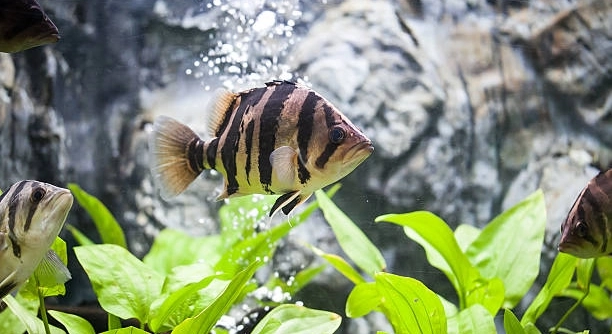
Tiger barbs are popular aquarium fish known for their bright colors and active nature. Many fish keepers enjoy watching their behaviors and interactions in the tank. Understanding how these fish relate to their owners can add to the enjoyment of keeping them.
Tiger barbs do not form strong bonds with humans like some pets do. While they can recognize feeding routines and become less shy over time, their interactions remain mostly instinctual rather than emotional. These fish respond primarily to environmental cues rather than personal attachment.
Learning more about tiger barbs’ behavior and care can help you create a better environment for them. This article will explain their nature and what to expect when keeping them in your home aquarium.
Understanding Tiger Barbs’ Behavior
Tiger barbs are naturally active and social fish that do best in groups. They display schooling behavior and often interact with each other more than with their owners. These fish can become familiar with feeding times and may swim closer when they recognize a person approaching the tank. However, their response is mainly driven by hunger or curiosity rather than affection. Their bold colors and constant movement make them interesting to watch, but they don’t show signs of bonding like mammals or some other pets. Tiger barbs communicate mostly through body language within their group, using fin displays and chasing to establish hierarchy. This behavior can sometimes appear aggressive, but it is normal for them. Understanding this helps set realistic expectations when keeping tiger barbs, allowing owners to appreciate their natural traits without expecting emotional connection.
While tiger barbs may become accustomed to human presence, they don’t seek interaction or attention.
Respecting their nature ensures a healthier, less stressful environment for these fish, improving their overall well-being.
How to Build Trust with Tiger Barbs
Building trust with tiger barbs requires patience and consistency. These fish respond well to regular feeding schedules, which can make them more comfortable when you approach the tank. Over time, they may swim closer or follow your finger along the glass, but this is mostly linked to food anticipation. Creating a calm environment with stable water conditions reduces stress and encourages natural behavior. Avoid sudden movements or loud noises near the tank, as this can frighten them. Using slow, gentle motions when feeding or cleaning helps tiger barbs feel safer. Providing hiding places with plants or decorations also allows them to retreat when needed, making them more willing to explore the tank and show their true colors. While true bonding is limited, these steps can improve your interaction and help you better understand your fish’s habits and needs.
Recognizing Tiger Barbs’ Limits
Tiger barbs have limited ability to bond compared to other pets. They rely mostly on instinct and routine, which means their behavior stays predictable but not personal.
Their recognition is based on patterns like feeding times and movements near the tank. They do not respond to affection or physical contact, and forcing interaction can cause stress. These fish are better appreciated for their natural behaviors than for forming emotional attachments. Understanding these limits helps in managing expectations and ensuring the fish remain healthy and comfortable.
Accepting these boundaries lets you focus on creating a suitable habitat where your tiger barbs can thrive naturally without pressure to bond beyond their instincts.
Caring for Tiger Barbs to Encourage Comfort
Providing stable water conditions is essential to tiger barbs’ well-being. Consistent temperature, clean water, and balanced nutrition reduce stress, which helps them appear more relaxed and responsive. A proper diet with quality flakes, pellets, and occasional live or frozen food supports their health and coloration.
Regular tank maintenance is important to keep the environment clean. Stress from poor conditions can lead to illness or aggression, making the fish less interactive. Adding plants and hiding spots allows tiger barbs to feel secure, encouraging them to swim openly when comfortable. These care steps do not increase bonding but improve their overall behavior and longevity in your aquarium.
Signs of Stress in Tiger Barbs
Tiger barbs may show stress through erratic swimming or hiding excessively. Loss of color and refusal to eat are common indicators.
Stress can weaken their immune system, making them prone to disease. Recognizing these signs early helps prevent serious health problems.
Creating a Balanced Aquarium Environment
Maintaining proper water parameters is key for tiger barbs. They thrive in slightly acidic to neutral pH, around 6.5 to 7.0, and temperatures between 74°F and 79°F. Regular water changes keep the tank clean and reduce harmful toxins. Avoid overcrowding since tiger barbs are active and need space to swim. Providing live plants and places to hide can reduce stress and encourage natural behavior. A well-balanced environment supports their health, making them more active and easier to observe, though it won’t create emotional bonding. Understanding these needs helps you care for them better and enjoy their vibrant presence.
How Feeding Affects Interaction
Regular feeding schedules help tiger barbs become more predictable around you. Consistency builds comfort but does not create a bond.
FAQ
Can tiger barbs recognize their owners?
Tiger barbs can recognize patterns, such as the time when they are usually fed, and may become less shy when someone approaches the tank. However, this recognition is not personal. It is mostly linked to food and routine, not emotional attachment. They do not understand owners like pets such as dogs or cats do.
Do tiger barbs enjoy being touched or handled?
No, tiger barbs do not enjoy physical contact. They are delicate fish and can become stressed or injured if handled. Unlike some pets, they do not seek or enjoy being touched. It is best to observe and appreciate them from outside the tank.
How can I make my tiger barbs less shy?
Consistency helps reduce shyness. Feeding them at the same time daily and moving slowly around the tank can make them more comfortable. Avoid sudden movements or tapping on the glass, as this frightens them. Over time, they may swim closer when you approach, but this behavior is mainly linked to food anticipation.
Are tiger barbs social fish?
Yes, tiger barbs are social and prefer living in groups of at least six. They interact more with their own kind than with humans. Keeping them in a group helps reduce aggression and promotes natural schooling behavior, which is important for their well-being.
Can tiger barbs become aggressive toward each other?
Tiger barbs do show some aggression, especially when kept in small numbers. They nip fins and chase one another to establish hierarchy. Providing enough space and hiding spots helps reduce this aggression. Keeping a larger group spreads out aggressive behavior and keeps it from focusing on one fish.
Do tiger barbs show signs of affection?
Tiger barbs do not show affection like mammals. Their interactions are based on instincts and survival behaviors rather than emotions. They may swim near you or follow your finger when expecting food, but this should not be mistaken for affection or bonding.
What is the best environment for tiger barbs to thrive?
Tiger barbs need stable water conditions with temperatures between 74°F and 79°F, and a pH near neutral (6.5 to 7.0). A tank with plenty of space, live plants, and hiding places helps them feel secure. Clean water and a balanced diet are essential for their health and natural behavior.
Can feeding habits improve interaction with tiger barbs?
Feeding regularly at the same time creates routine and helps the fish feel safe. They may swim closer or become more active around feeding time. This increases interaction but is driven by hunger, not emotional connection.
Is it possible to train tiger barbs?
Tiger barbs cannot be trained like some animals, but they can learn to associate feeding times with specific cues, such as your presence near the tank. This is a basic form of conditioning but does not mean they understand commands or form bonds.
What should I do if my tiger barbs seem stressed?
Look for signs like hiding, loss of color, or refusal to eat. Check water quality and temperature immediately. Make sure the tank is not overcrowded and provide plenty of hiding spaces. Reducing sudden noise and movements around the tank helps them relax.
How long do tiger barbs live?
Tiger barbs typically live for 5 to 7 years with proper care. Maintaining a clean tank, balanced diet, and suitable environment helps maximize their lifespan.
Can tiger barbs live with other fish?
Tiger barbs can live with other fish, but choose tank mates carefully. Avoid slow-moving or long-finned fish, as tiger barbs may nip fins. Good tank mates include other active, similarly sized fish that can handle their energetic behavior.
Are there any health problems common to tiger barbs?
Tiger barbs can suffer from common freshwater fish illnesses like ich, fin rot, and swim bladder problems. Stress, poor water quality, or injury increases the risk. Regular tank maintenance and proper feeding reduce these health issues.
Do tiger barbs require special lighting or decorations?
They do best with moderate lighting and plenty of plants or decorations for hiding. These help reduce stress and encourage natural behaviors. Avoid overly bright lights or empty tanks, as this can make them feel exposed and anxious.
Tiger barbs are lively and colorful fish that bring energy to any aquarium. While they do not form emotional bonds with their owners, they respond well to regular care and a stable environment. Understanding their natural behaviors helps set realistic expectations. These fish recognize routines like feeding times, which can make them seem more familiar over time. However, their interaction is mostly instinctual, driven by hunger and curiosity rather than affection.
Providing a proper home for tiger barbs is key to their health and activity. Clean water, stable temperature, and balanced nutrition all contribute to their well-being. A tank with enough space for swimming, hiding spots, and live plants creates a comfortable environment that encourages natural behaviors. When tiger barbs feel secure, they are more active and visible, which can make them enjoyable to watch. Although they do not bond like other pets, consistent care builds a positive relationship based on trust and routine.
In the end, keeping tiger barbs is about appreciating their nature and needs. These fish offer visual appeal and lively movement without the emotional connection of mammals or birds. Focusing on their care rather than expecting affection helps create a stress-free environment for both owner and fish. By learning about tiger barbs’ habits and limits, owners can enjoy the beauty and activity these fish bring to their home aquarium. This approach leads to healthier fish and a more satisfying experience for everyone involved.

Hello,
If you enjoy the content that we create, please consider saying a "Thank You!" by leaving a tip.
Every little bit helps us continue crafting quality advice that supports the health, happiness, and well-being of pets around the world, for pets of all shapes, sizes, and species.
We really appreciate the kindness and support that you show us!