
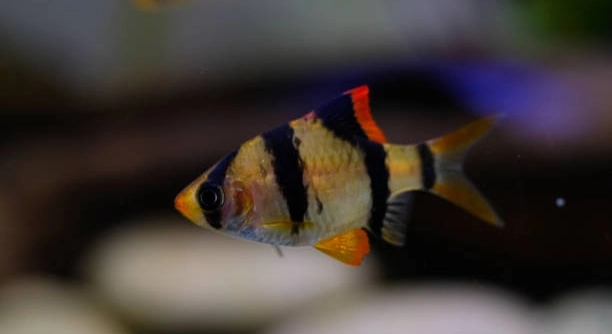
Tiger barbs are popular aquarium fish known for their lively behavior and striking appearance. Many fishkeepers wonder about the best lighting conditions to support their health and natural behavior. Lighting can affect fish activity and tank aesthetics.
Tiger barbs benefit from varied lighting that mimics their natural environment. Consistent changes between light and dark periods help regulate their biological rhythms and promote normal behavior. Proper lighting also supports plant growth and overall tank health.
Understanding the role of lighting can improve the well-being of tiger barbs and enhance the aquarium environment for both fish and owners.
Importance of Lighting Variation for Tiger Barbs
Lighting variation plays a crucial role in maintaining the health and natural behavior of tiger barbs. These fish come from environments where daylight changes gradually from bright to dim, and replicating this cycle in an aquarium helps them adjust their biological rhythms. Consistent lighting prevents stress, which can lead to illness or aggression among tiger barbs. Varied lighting also supports the growth of live plants, which provide shelter and improve water quality. When the lighting remains the same all day, it may cause the fish to become inactive or display unnatural behavior. Using timers to create gradual light changes can simulate dawn and dusk, making the aquarium environment more natural. This variation also enhances the colors of tiger barbs, making their stripes more vivid and attractive. Providing a proper lighting schedule is essential for a balanced aquarium where fish feel secure and thrive.
Proper lighting variation reduces stress and supports natural fish behavior while improving plant growth and tank aesthetics.
Lighting plays a significant role in fish well-being beyond just visibility. Tiger barbs rely on light cues to regulate feeding, activity, and rest cycles. A varied lighting schedule promotes healthier fish by mimicking natural environments, which reduces stress and aggression. This also helps maintain a stable ecosystem within the tank, supporting beneficial plants and microorganisms. Using adjustable lighting or LED systems with timers offers control over light intensity and duration, ensuring gradual transitions. Avoiding sudden or harsh lighting changes helps tiger barbs feel more comfortable. A well-planned lighting setup encourages natural swimming patterns and proper coloration, improving the aquarium’s visual appeal. Overall, varying light conditions supports both the physical and psychological health of tiger barbs.
Recommended Lighting Setup for Tiger Barbs
A lighting schedule of about 8 to 10 hours per day with gradual changes is ideal for tiger barbs.
Using LED lights with adjustable brightness can help simulate natural light conditions effectively.
LED lights are preferred for tiger barb tanks because they offer flexibility in controlling light intensity and color temperature. These lights can be programmed to mimic natural daylight cycles, including sunrise and sunset effects, which help reduce fish stress. LED systems also produce less heat compared to traditional bulbs, maintaining a stable water temperature. It is important to avoid very bright or harsh lighting, as it can cause discomfort and promote algae growth. Instead, softer, diffused light enhances the tank’s appearance and supports plant health. Incorporating timers ensures consistent light periods without manual adjustments. This setup provides an environment close to the fish’s natural habitat, promoting active swimming and healthy coloration. Proper lighting management is a simple but effective way to keep tiger barbs comfortable and healthy.
Effects of Constant Lighting on Tiger Barbs
Constant lighting can negatively impact tiger barbs by disrupting their natural behaviors. Without periods of darkness, fish may become stressed, leading to health issues and increased aggression. Proper lighting cycles are essential for maintaining their normal activity and rest patterns.
Extended exposure to constant light prevents tiger barbs from resting properly. This can weaken their immune systems and make them more vulnerable to disease. Fish may exhibit unusual swimming or hiding behavior as a response to stress. Additionally, constant light can cause excessive algae growth, which affects water quality and reduces oxygen levels. Maintaining a regular light-dark cycle helps create a stable environment that supports both the fish and the tank’s ecosystem.
In aquariums, sudden or irregular lighting can confuse tiger barbs, leading to erratic behavior. Using timers to ensure consistent lighting periods supports their health. It also helps regulate feeding schedules, since tiger barbs rely on light cues for routine activities. Balanced lighting encourages natural coloration and reduces stress-related aggression, promoting a peaceful tank atmosphere.
Best Practices for Lighting Control
Using timers is the most effective way to manage lighting for tiger barbs. It ensures consistency without manual effort.
Timers help automate lighting, providing predictable periods of light and darkness that mimic natural conditions. This reduces stress and supports the fish’s circadian rhythms. Consistent lighting schedules also benefit live plants and limit algae growth. Adjusting light intensity gradually with dimmable LED systems can further improve tank conditions. Avoid placing the aquarium in direct sunlight to prevent overheating and uncontrolled light fluctuations. Monitoring the lighting setup regularly allows adjustments based on the tank’s needs. Well-managed lighting creates a healthier, more balanced environment for tiger barbs to thrive.
Lighting Duration Recommendations
Tiger barbs do best with about 8 to 10 hours of light daily. This balance supports their natural behaviors without causing stress or fatigue.
Too much light can disrupt their resting cycles, while too little may reduce activity and color vibrancy. Maintaining a consistent daily schedule is key.
Natural Light vs. Artificial Light
Artificial lighting is preferred in most aquariums because it allows precise control over intensity and duration. Natural sunlight can cause temperature fluctuations and excessive algae growth, which may harm the fish and plants.
Signs of Poor Lighting Conditions
If tiger barbs appear dull, inactive, or hide frequently, it may indicate improper lighting. Adjusting the light cycle often improves their behavior and appearance.
Lighting and Plant Growth
Proper lighting supports healthy plant growth, which benefits tiger barbs by improving water quality and providing hiding spots.
What happens if tiger barbs do not get varied lighting?
Without varied lighting, tiger barbs can become stressed and show unnatural behavior. Constant bright light may cause them to hide more or become aggressive. Their colors might fade, and their immune systems can weaken, making them prone to illness. Proper lighting variation helps maintain their natural daily rhythms and overall health.
Can tiger barbs live under constant lighting?
Tiger barbs can survive under constant lighting, but it is not ideal. Continuous light exposure disrupts their sleep patterns and causes stress. Over time, this can lead to health problems and shortened lifespan. A natural light-dark cycle is important for their well-being.
How long should the light be on for tiger barbs?
Light should be on for about 8 to 10 hours each day. This duration mimics the natural daylight period these fish experience in the wild. Using timers helps maintain consistent lighting schedules, which supports normal fish behavior and plant growth.
Is natural sunlight good for tiger barbs?
Natural sunlight can be problematic for aquarium tanks. It may cause sudden temperature changes and promote excessive algae growth. These factors can stress tiger barbs and reduce water quality. Artificial lighting is safer and easier to control in an aquarium setting.
What type of light is best for tiger barbs?
LED lighting is the best choice for tiger barb tanks. It allows control over brightness and color temperature and produces less heat. LED lights can simulate natural light cycles with gradual transitions, which reduce fish stress and support plant health.
Can lighting affect the aggression levels of tiger barbs?
Yes, lighting affects aggression in tiger barbs. Poor lighting conditions or constant bright light can increase stress, leading to more aggressive behavior. Properly varied lighting helps maintain a calm environment and reduces unnecessary conflict among fish.
How does lighting impact plant growth in a tiger barb aquarium?
Lighting directly affects plant growth by providing energy for photosynthesis. Healthy plants improve water quality and offer hiding spaces for tiger barbs. Balanced lighting supports both the plants and the fish, creating a stable ecosystem within the aquarium.
Should lighting be changed seasonally in a tiger barb tank?
Changing lighting to reflect seasonal shifts can benefit tiger barbs. Gradually adjusting light duration and intensity mimics natural environments, supporting their biological rhythms. However, abrupt changes should be avoided to prevent stress.
What are signs that the lighting setup needs adjustment?
Signs include faded fish colors, unusual hiding or inactivity, and excessive algae growth. If plants look unhealthy or the water appears cloudy, lighting may be too strong or too weak. Monitoring fish behavior and plant condition helps identify needed changes.
Can dimming lights help reduce stress in tiger barbs?
Dimming lights during certain periods, such as early morning or late evening, can simulate natural dawn and dusk. This gradual light change reduces stress and helps fish transition between activity and rest, promoting healthier behavior and better overall health.
Proper lighting is an important part of keeping tiger barbs healthy and comfortable in an aquarium. These fish come from natural habitats where light changes gradually throughout the day. Replicating this pattern in the tank helps support their biological rhythms, which affects how they behave and stay healthy. Consistent and varied lighting prevents stress, encourages natural activity, and keeps their colors bright. Without proper light cycles, tiger barbs may become stressed, leading to illness or aggressive behavior.
Using timers and adjustable LED lights makes managing lighting easier and more effective. Timers ensure the fish get a regular day and night cycle, while LEDs allow for control over brightness and gradual changes. This combination creates a more natural environment in the tank. Lighting also affects the plants that live in the aquarium, which in turn improves water quality and offers hiding spots for the fish. Maintaining a good balance of light helps both fish and plants thrive, leading to a healthier and more enjoyable aquarium.
Overall, paying attention to lighting is a simple but essential part of tiger barb care. It benefits their well-being and supports a balanced ecosystem inside the tank. By following recommended lighting durations and using proper equipment, it is possible to provide a comfortable and stable environment for tiger barbs. This approach helps fish display their natural behavior and maintain their vivid colors, making the aquarium more attractive and lively. Taking care of lighting shows respect for the fish’s needs and contributes to a successful aquarium setup.

Hello,
If you enjoy the content that we create, please consider saying a "Thank You!" by leaving a tip.
Every little bit helps us continue crafting quality advice that supports the health, happiness, and well-being of pets around the world, for pets of all shapes, sizes, and species.
We really appreciate the kindness and support that you show us!