
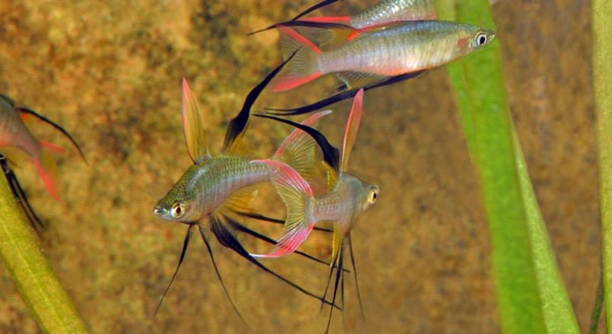
Do you ever notice how your Threadfin Rainbowfish move around differently at different times of the day? Observing them in your aquarium may make you wonder about their natural habits and how they respond to light changes.
Threadfin Rainbowfish can differentiate between day and night through their sensitivity to light. Their visual system allows them to detect changes in brightness, helping regulate their activity patterns, feeding behavior, and resting periods in a consistent daily cycle.
Knowing how these fish perceive light is useful for maintaining a healthy aquarium environment. Understanding their day-night behavior can improve feeding schedules and overall fish well-being.
How Threadfin Rainbowfish Sense Light
Threadfin Rainbowfish rely heavily on their eyesight to understand changes in their environment. During the day, they are more active, swimming throughout the tank and exploring hiding spots. Their eyes detect shifts in light intensity, which helps them adjust their behavior naturally. At night, when light diminishes, their activity slows, and they find safe areas to rest. Observing these changes closely, I noticed my own rainbowfish become calmer as the sun sets. This pattern shows how their internal clock is influenced by light levels. Aquarists can support this rhythm by keeping a consistent lighting schedule, using natural or artificial light. Over time, the fish adapt to this cycle, improving overall health. Sudden changes in lighting can stress them, so gradual adjustments are important. Knowing these details helps me create a stable, peaceful environment for them while still allowing for occasional variation in light.
Maintaining a regular light schedule encourages predictable activity and reduces stress in Threadfin Rainbowfish.
Consistent lighting routines affect feeding times, energy levels, and overall tank harmony. By observing how light impacts behavior, it becomes clear that these fish have a natural rhythm. Providing moderate light during the day and dim light or darkness at night helps them thrive. I found that using a timer for the aquarium lights ensures these patterns remain steady. This also aids in maintaining healthy sleep and feeding habits. Changes in brightness should be gradual to avoid startling the fish. Their sensitivity to light is a key factor in tank management. With proper care, Threadfin Rainbowfish show more vibrant colors and active swimming patterns.
Tips for Supporting Day-Night Cycles
Using a timer simplifies maintaining regular lighting for your rainbowfish.
Gradual light transitions help Threadfin Rainbowfish adjust naturally and reduce sudden stress in the aquarium.
A stable day-night cycle is essential for health and activity in Threadfin Rainbowfish. Sudden changes in light can disrupt feeding and resting behavior, leading to stress and weaker immune responses. Observing the fish, I realized that keeping lights on for roughly ten to twelve hours a day allowed them to display natural swimming patterns and interactions. Dimming lights slowly in the evening signals that it is time to rest, while gradual morning light encourages feeding and exploration. This simple adjustment supports their internal clock and promotes overall vitality. Additionally, maintaining a consistent schedule benefits other tank inhabitants, reducing aggressive behavior and ensuring a calm environment. Implementing timed lighting also makes daily care easier, as feeding and observation can align with the fish’s natural activity. Understanding and respecting these rhythms is one of the most effective ways to ensure Threadfin Rainbowfish thrive in captivity.
Observing Nighttime Behavior
Threadfin Rainbowfish become noticeably less active when the lights go out. They tend to stay near plants or decorations, minimizing movement. Watching them settle down in these spots made me realize how important darkness is for their rest and overall well-being in the tank.
During nighttime, their metabolism slows, and they conserve energy. I noticed that even small changes in light, like a hallway light turning on, would make them briefly move before returning to their hiding spots. They rely on low-light cues to decide when to swim or remain still. Keeping their environment quiet and dark helps them follow natural patterns. Over time, I saw that a consistent night routine reduced stress and kept them calmer. Their ability to adjust is impressive but delicate, showing how closely linked behavior and light are.
Even subtle differences in nighttime conditions, like reflection from outside lights, affected their activity. I started covering parts of the tank at night to ensure true darkness. It surprised me how sensitive they were. This awareness led me to pay closer attention to all light sources near the tank, even small ones. Their response is gradual but noticeable, with movements slowing and fins tucked closer to their body. Providing a stable dark period made feeding schedules easier, as they became predictably active in the morning. Nighttime observation became a useful way to understand their needs without interference.
Adjusting Aquarium Lighting
Proper lighting helps Threadfin Rainbowfish stay healthy and active. I found that slowly changing light intensity mimics natural conditions and keeps them comfortable.
Using dimmers or timers allows me to control light changes effectively. Sudden bright lights caused temporary stress, while gradual transitions encouraged normal swimming and feeding behavior. I also noticed that plants in the tank benefited from these controlled lighting patterns, creating a balanced ecosystem. Adjusting light according to a consistent schedule makes it easier to monitor the fish’s health. Observing how they interact with light sources gave me insights into their preferences, like shaded areas for hiding and bright spots for exploration. Keeping track of these responses ensures the fish remain active and vibrant throughout the day, improving both their physical and behavioral well-being in captivity.
Feeding Patterns and Light
Threadfin Rainbowfish eat more actively during well-lit periods. I noticed my fish waiting near the surface when the lights turned on, showing clear anticipation. Consistent lighting helped me predict feeding times and avoid overfeeding.
Nighttime feeding is minimal. When I tried feeding them in darkness, they barely moved, confirming that light strongly influences their appetite and energy.
Impact of Sudden Light Changes
Sudden bright lights caused noticeable stress in my rainbowfish. They darted around and hid, showing that abrupt changes disrupt their routine. Consistent, gradual lighting is essential for keeping them calm and maintaining natural behavior patterns.
Using Timers for Consistency
Timers help maintain a stable day-night cycle. I set mine to mimic sunrise and sunset, allowing the fish to adjust naturally.
Observing Activity Levels
Activity levels fluctuate with light intensity. I noticed peak movement in mid-morning and early evening, aligning with gradual light changes and supporting their natural rhythm.
FAQ
Do Threadfin Rainbowfish sleep at night?
Yes, Threadfin Rainbowfish do rest at night. I noticed that as the lights dimmed, my fish slowed down and settled among plants or decorations. They don’t close their eyes like mammals, but their activity decreases significantly. This rest period is essential for their health, energy conservation, and proper feeding patterns during the day. Keeping nighttime dark and quiet helps them maintain this natural rhythm, reducing stress and supporting immune function.
Can they adapt to artificial lighting?
Threadfin Rainbowfish adapt well to artificial lighting, but it needs to mimic natural day-night cycles. I use a timer to gradually turn lights on and off, simulating sunrise and sunset. Sudden bright lights can startle them, while consistent gradual changes help them remain calm and active at the right times. Over time, they recognize the light schedule and adjust their swimming, feeding, and resting behavior accordingly.
How much light do they need during the day?
Moderate lighting for ten to twelve hours per day works best. I observed that too much light stressed my fish, causing them to hide, while too little made them lethargic. Balanced lighting keeps them active, supports plant growth in the aquarium, and maintains their natural behavior. Gradual increases in the morning and decreases in the evening are most effective.
What happens if the lights stay on all night?
If lights remain on overnight, my rainbowfish became restless and displayed unusual swimming patterns. Constant light disrupts their internal clock, reducing the effectiveness of resting periods and potentially affecting feeding and growth. Darkness is necessary for proper metabolic slowdown and energy recovery. Providing at least ten hours of darkness each night restores balance.
Do reflections or room lights affect them?
Yes, reflections or lights from nearby rooms can disturb their routine. I noticed my fish reacting to hallway lights or window reflections, moving away from bright areas. Covering parts of the tank or adjusting its location reduced this disturbance. Even subtle light changes can interrupt resting patterns and cause stress.
Is their color affected by light cycles?
Yes, consistent day-night lighting influences their coloration. I found that my rainbowfish displayed brighter colors during stable daylight hours, while irregular lighting made colors duller. Proper light cycles improve not only behavior but also visual vibrancy, making them appear healthier.
Can feeding be adjusted according to light?
Feeding should align with light periods. My fish became more responsive to food during daylight, especially after lights fully turned on. Attempting to feed during darkness led to minimal activity. Coordinating feeding with natural activity peaks ensures proper nutrition and avoids leftover food that can pollute the tank.
How long does it take for them to adjust to a new light schedule?
Adjustment usually takes a few days to a week. I gradually changed lighting by 15–30 minutes each day, allowing the fish to adapt. Sudden changes caused stress and erratic swimming. Patience and consistent timing made the transition smooth and kept their activity predictable.
Are there signs of light-related stress?
Yes, darting, hiding, or staying at the bottom of the tank are signs. I noticed these behaviors when lights were too bright or changed suddenly. Observing these signs helped me adjust lighting gradually, ensuring calmer and healthier fish.
Do they need complete darkness at night?
Complete darkness is important. Even dim lights can disrupt their sleep cycle. Covering the tank or ensuring no external light reaches it helped my fish rest properly. This improves energy levels, feeding behavior, and overall health the next day.
How does light affect breeding behavior?
Proper lighting supports natural breeding cycles. I noticed more consistent courtship and spawning behavior when the day-night schedule was stable. Irregular lighting delayed or inhibited these activities, showing that light is an important environmental cue for reproduction.
Can aquarium plants help with light balance?
Yes, plants create shaded areas that give fish options to avoid direct light. I arranged taller plants in bright areas, which allowed my fish to rest comfortably without completely hiding. This creates a more natural environment and reduces stress from fluctuating light intensity.
Is it necessary to simulate sunrise and sunset?
Simulating gradual light changes is very beneficial. I found that using timers to slowly increase and decrease light intensity mirrored natural conditions. This helps my rainbowfish prepare for feeding and resting, reducing sudden movements and stress. It also encourages a natural daily rhythm.
How do they behave in total darkness?
In total darkness, they mostly remain stationary, hiding among plants or decorations. I noticed minimal movement, showing that light is the main cue for activity. Total darkness is essential for resting periods, energy conservation, and overall health.
Can inconsistent light cycles affect long-term health?
Yes, inconsistent light cycles lead to stress, weakened immune systems, and disrupted feeding patterns. I observed less vibrant coloration and lower activity in my fish when the lighting was irregular. Maintaining a consistent schedule improves longevity, behavior, and overall vitality.
Do they notice changes in light gradually?
Threadfin Rainbowfish are sensitive to gradual light changes. I found that slowly adjusting lighting over several minutes prevented panic swimming. Sudden changes caused stress and hiding, showing that they respond better to gentle transitions, which supports their natural rhythm.
Are timers essential for beginners?
Timers make maintaining a regular light schedule much easier. I rely on them to ensure lights turn on and off at the same time daily. This prevents accidental overexposure or prolonged darkness and keeps my fish calm and healthy, especially for aquarists with busy schedules.
Can seasonal changes affect their behavior?
Yes, natural seasonal light changes influence activity and feeding. I noticed slight adjustments in swimming patterns and appetite when daylight hours changed. Replicating consistent seasonal light cycles in aquariums helps maintain stable behavior and supports natural rhythms throughout the year.
Do they respond to sudden shadows?
Sudden shadows trigger brief stress responses. I saw my rainbowfish dart when I moved near the tank, showing that they react to quick changes in light. Providing a stable environment with predictable light patterns reduces these responses and keeps them relaxed.
How important is light compared to water quality?
Light is important for activity, feeding, and rest, but water quality remains critical. I learned that even with perfect lighting, poor water conditions caused stress and health problems. Both light and water need consistent care to ensure thriving Threadfin Rainbowfish.
Threadfin Rainbowfish are fascinating creatures that show a clear response to light in their environment. Observing my own fish, I noticed that their activity changes noticeably between day and night. During well-lit hours, they swim more actively, exploring the tank, interacting with other fish, and responding to feeding times. As the lights dim, their movements slow, and they seek out shaded areas or plants to rest. This behavior demonstrates that they rely on light cues to regulate daily activity patterns. A consistent light schedule helps them maintain a natural rhythm, reducing stress and supporting overall health. I realized that even small changes in light, such as reflections from nearby windows or sudden bright lights, can alter their behavior. By paying attention to these details, it became easier to create a stable and comfortable environment for them. Over time, the fish adapted to the routine, showing predictable patterns in activity, feeding, and resting, which made caring for them simpler and more enjoyable.
Maintaining a proper day-night cycle is essential not only for activity but also for feeding, color, and general vitality. I found that feeding the fish during active light periods led to better consumption of food and reduced waste in the tank. When I tried feeding them in dim light or darkness, they were less responsive and often left food uneaten. Proper lighting also seemed to enhance their colors; during consistent daylight hours, the Threadfin Rainbowfish displayed more vibrant hues, while irregular lighting made them appear duller. Using timers and dimmers helped create gradual transitions between light and darkness, mimicking natural sunrise and sunset. These gradual changes reduced stress and prevented sudden darting or hiding behaviors. Additionally, nighttime darkness gave them a period of rest necessary for energy recovery and proper metabolism. Observing the fish through these cycles showed me how sensitive they are to light, and how much it affects not only their behavior but also their overall well-being. Simple adjustments, like covering external light sources and arranging plants for shaded areas, made a significant difference in helping them follow a natural rhythm.
Consistent light management also has long-term benefits for health and breeding behavior. When the lighting routine is regular, Threadfin Rainbowfish exhibit normal activity levels and feeding patterns, which supports growth and immune function. Irregular or prolonged light exposure can lead to stress, erratic swimming, or reduced appetite, potentially impacting long-term vitality. I noticed that when lights stayed on too long, my fish became restless at night, and their natural rhythm was disrupted. Simulating gradual light changes and ensuring complete darkness during nighttime allowed them to rest fully and wake naturally ready for daytime activity. Plants in the tank also play a supportive role, offering shaded areas that give the fish options to adjust to different light intensities. Paying attention to light and its effects has improved my understanding of their behavior and made caring for them more rewarding. Overall, the right light cycle promotes activity, calmness, health, and even reproduction, showing that managing light is just as important as maintaining water quality in a thriving aquarium.

Hello,
If you enjoy the content that we create, please consider saying a "Thank You!" by leaving a tip.
Every little bit helps us continue crafting quality advice that supports the health, happiness, and well-being of pets around the world, for pets of all shapes, sizes, and species.
We really appreciate the kindness and support that you show us!