
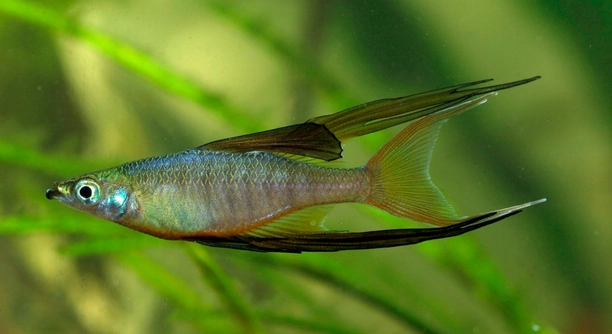
Shy threadfins often struggle to adjust to new surroundings, which can affect their feeding and social behaviors. Small changes in their care and environment can make a noticeable difference to their comfort and confidence.
Minor adjustments in tank structure, water quality, feeding schedules, and gentle interaction can significantly reduce stress and encourage natural behaviors in shy threadfins. Implementing these small changes supports their growth, health, and overall well-being in captivity.
These subtle improvements can transform your threadfins’ environment, making them more active, confident, and easier to care for over time.
Create Safe Hiding Spaces
Shy threadfins feel stressed in open tanks without cover. Adding plants, rocks, or small caves gives them areas to retreat when they feel threatened. These spaces reduce stress and allow fish to explore at their own pace. Threadfins often become more active when they have places to hide, as it mimics natural conditions. Providing varied textures and heights also encourages movement and curiosity, helping them adjust to their environment. Even small additions like floating plants can make a difference, giving them shaded areas and visual breaks. Observing where your fish spend most of their time can guide you in placing these hiding spots. Avoid overcrowding the tank, as too many structures can restrict swimming and create more stress. Keep pathways open for feeding and swimming, ensuring the environment is balanced. Regularly check that these decorations are safe, free from sharp edges or harmful materials that could injure your fish.
Adding safe spaces helps threadfins feel more secure and encourages natural, stress-free behavior in the tank.
Threadfins with hiding areas tend to feed better and interact more with their surroundings. This simple change supports health and confidence, making the tank a calmer environment for everyone.
Maintain Stable Water Conditions
Shy threadfins are sensitive to sudden changes in water temperature, pH, and salinity. Keeping these conditions consistent reduces stress and prevents illness. Regular testing and small, gradual adjustments are key. Sudden fluctuations can cause hiding behavior, loss of appetite, or weaker immune responses. Establishing a routine for water changes helps maintain clarity and quality. Using a reliable thermometer, pH meter, and salinity monitor ensures you can detect minor shifts early. Filtration and aeration are also important, as stagnant or low-oxygen water can create discomfort. Clean equipment regularly to prevent buildup of debris or harmful bacteria. Avoid overfeeding, as uneaten food can quickly degrade water quality. Observe your fish after any changes, noting behavior or signs of stress. Consistency over time helps them acclimate and display normal swimming, feeding, and social patterns.
Regular monitoring and small, careful adjustments create a stable environment where threadfins can thrive. Over time, stable water conditions support their health, reduce stress, and enhance natural activity levels. Paying attention to temperature, pH, and salinity consistency allows shy fish to gradually become more comfortable and responsive. Even minor improvements in water quality, combined with proper filtration and aeration, significantly impact behavior. Creating a calm, predictable environment encourages feeding, growth, and social interaction. Threadfins exposed to sudden changes may hide or refuse food, but a steady routine reassures them. Proper cleaning and careful observation prevent problems before they escalate. Maintaining water clarity and oxygenation also helps prevent disease. By prioritizing stability, you foster a safer, more comfortable space. These measures contribute to long-term well-being and make the fish easier to observe and enjoy.
Feed Smaller, Frequent Meals
Smaller, more frequent feedings help shy threadfins eat comfortably without competition. They can access food without feeling rushed or threatened, improving nutrition and reducing stress.
Offering small portions multiple times a day encourages regular feeding habits. Threadfins often avoid eating during large feedings if other fish dominate the area. Breaking meals into manageable amounts ensures each fish gets enough nutrition. Use sinking pellets or finely chopped food to match their natural feeding style. Watching how they respond allows you to adjust portion sizes and timing. Consistency in feeding schedules also builds confidence, letting them anticipate meals without fear. Avoid overfeeding, which can foul water and create unhealthy conditions. Frequent feedings mimic natural conditions where food is scattered and available gradually. This method helps weaker or more timid fish thrive alongside more dominant tank mates.
Threadfins eating smaller meals often become more active and social, gaining strength and confidence.
Regular, divided feedings ensure shy fish maintain health, reduce stress, and encourage normal behavior. Observing their eating patterns helps fine-tune the approach, creating a calmer tank environment.
Reduce Sudden Movements
Quick actions near the tank can startle shy threadfins, causing stress and hiding. Moving slowly during feeding or maintenance helps them feel safe.
Minimizing sudden movements around the tank allows fish to acclimate to your presence and observe without panic. Using slow hand motions when adding food or cleaning reduces fear responses. Even shadows or quick taps on the glass can trigger stress, so approach deliberately. Over time, they may begin to explore more openly, interacting naturally with the environment. Consider performing maintenance routines at consistent times to build familiarity. This reduces surprise and improves overall comfort. Subtle, gentle interaction helps them recognize safe conditions, fostering calm and regular activity. Avoid startling noises or vibrations near the tank, as these can reverse progress. Repetition of quiet, slow movements encourages shy fish to gradually leave hiding spots and engage with surroundings.
Consistent calm handling strengthens their trust in the environment, promoting health and normal behavior. Gradual exposure to activity near the tank fosters confidence, reduces stress, and improves feeding habits. By maintaining a steady, gentle approach, shy threadfins adjust more quickly, exploring and swimming freely without fear. This method supports both physical and psychological well-being, creating a balanced and safe habitat. Over time, patience and consistency help timid fish become more comfortable and responsive, allowing them to display natural behaviors.
Keep Tank Lighting Gentle
Bright lights can make shy threadfins anxious and hide more often. Soft or dim lighting encourages them to explore without stress.
Using adjustable or indirect lighting replicates their natural environment. Avoid sudden changes in light, as it can trigger panic and hiding behavior.
Introduce Tank Mates Carefully
Choosing calm, non-aggressive tank mates prevents intimidation and competition. Gradually introducing new fish reduces stress. Observe interactions closely to ensure shy threadfins feel secure and can access food without fear.
Provide Gentle Water Flow
Strong currents overwhelm shy threadfins and may limit movement. A gentle, steady flow allows them to swim comfortably, reducing stress.
FAQ
How can I tell if my threadfin is stressed?
Signs of stress in shy threadfins include hiding frequently, refusing food, rapid gill movement, or erratic swimming. They may stay near the bottom or corners of the tank. Changes in coloration or frayed fins can also indicate prolonged stress. Observing behavior consistently helps identify early signs.
What is the best type of food for shy threadfins?
Shy threadfins do best with small, easily digestible foods. Sinking pellets, finely chopped live or frozen foods like brine shrimp, daphnia, or bloodworms suit them well. Feeding smaller portions multiple times a day encourages regular eating without competition from other tank mates.
How often should I clean the tank?
Maintaining a clean tank is essential for shy threadfins’ health. Partial water changes of 15–20% once a week help maintain water quality. Remove uneaten food and debris daily. Regular filter maintenance prevents buildup and ensures oxygenation remains consistent.
Can shy threadfins live with other fish?
Yes, but choose calm, non-aggressive species. Avoid large or territorial fish that may intimidate them. Gradually introduce new tank mates and observe interactions closely. Provide enough hiding spots so threadfins feel secure while maintaining swimming space for everyone.
How do I reduce sudden stress in the tank?
Keep movements around the tank slow and deliberate. Avoid tapping on glass or creating sudden shadows. Introduce changes gradually, whether adding decorations, adjusting lighting, or modifying feeding schedules. Gentle water flow and consistent water parameters also reduce stress.
Is it okay if my threadfin hides a lot at first?
Yes. Shy threadfins naturally take time to adapt. Hiding is a normal coping mechanism. With proper shelter, stable water, gentle handling, and gradual exposure to tank mates, they usually become more active and confident over time. Patience is key.
What water parameters are best for shy threadfins?
Maintain stable temperature, pH, and salinity appropriate for your threadfin species. Sudden fluctuations cause stress and health issues. Regular testing and small, gradual adjustments help fish acclimate. Proper filtration and aeration support stable conditions, keeping fish comfortable and healthy.
Can I handle or touch my threadfins?
Direct handling is not recommended, as it stresses shy threadfins. Instead, use feeding tools or gentle nets only when necessary. Frequent, calm observation without touching allows them to become familiar with your presence while staying safe.
How do I encourage feeding in timid threadfins?
Feed smaller portions multiple times a day in safe, accessible areas. Use sinking foods that reach them easily. Observe their habits and adjust placement or timing to match their comfort. Consistent schedules build confidence and reduce competition stress.
Do shy threadfins need special decorations?
Yes. Include plants, rocks, caves, and floating elements to create hiding spots. Varied textures and heights mimic natural habitats, allowing exploration and safe retreat. Ensure decorations are secure, non-sharp, and do not overcrowd the tank, maintaining swimming space and safety.
How long does it take for shy threadfins to adjust?
Adjustment times vary. Some fish become confident within weeks, while others may take months. Providing consistent care, stable water, proper feeding, gentle tank interactions, and adequate shelter accelerates adaptation. Observing behavior over time helps gauge comfort and progress.
Are shy threadfins prone to illness?
Stress from poor environment, overcrowding, or sudden changes can weaken their immune system. Maintaining clean water, stable conditions, proper diet, and minimal stress reduces the risk of disease. Early detection of abnormal behavior allows prompt care.
Can I use lighting to help them feel safe?
Yes. Soft or dim lighting encourages exploration without anxiety. Avoid sudden changes in intensity. Providing shaded areas or floating plants gives visual breaks, reducing stress while simulating natural conditions.
What is the ideal tank size for shy threadfins?
A spacious tank allows hiding spots and open swimming areas. Overcrowding increases stress and competition. Ensure adequate filtration, aeration, and space for decorations. The exact size depends on species and number of fish, but generally larger tanks are better for comfort.
How do I monitor their health effectively?
Observe daily for changes in appetite, behavior, swimming patterns, and coloration. Regular water testing ensures safe conditions. Early detection of stress signs or illness allows prompt intervention, preventing long-term problems and supporting overall well-being.
Can shy threadfins coexist with aggressive feeders?
It’s challenging. Aggressive feeders may dominate food and intimidate timid threadfins. If they must coexist, provide multiple feeding zones, ample hiding spots, and smaller, frequent meals to ensure all fish receive proper nutrition without excessive stress.
Are there specific cleaning routines for their tank?
Yes. Partial weekly water changes, daily removal of uneaten food, and regular filter maintenance are recommended. Avoid harsh chemicals or complete water replacements, which can disrupt water parameters. Gentle, consistent care preserves their comfort and health.
Is it normal for shy threadfins to avoid the surface?
Yes. Timid threadfins often prefer lower or mid-level areas, especially when adjusting. With adequate hiding spots, gentle feeding, and minimal stress, they may explore higher areas over time. Observing comfort zones helps guide tank arrangement.
Do shy threadfins interact with owners?
Indirectly, yes. Over time, they recognize slow, calm presence and may swim closer during feeding. Avoid touching or sudden movements. Patience and consistent, gentle observation foster trust, making them more responsive to your presence.
How important is tank stability for long-term health?
Extremely important. Stable water, gentle lighting, slow introduction of changes, and consistent feeding routines reduce stress, improve immunity, and encourage natural behavior. A predictable environment supports both physical and psychological well-being of shy threadfins, helping them thrive.
Final Thoughts
Shy threadfins require thoughtful care and attention to feel comfortable in a home aquarium. They are naturally timid and easily stressed by sudden changes or aggressive tank mates. Providing safe hiding spots, gentle water flow, and stable water parameters helps them adjust at their own pace. Small details like soft lighting and gradual introduction of new fish can make a big difference in their behavior and overall health. Observing their habits regularly allows you to notice early signs of stress or illness, ensuring timely intervention. Over time, even minor improvements in their environment can lead to noticeable increases in activity and confidence.
Feeding plays a critical role in supporting shy threadfins. Smaller, frequent meals allow them to eat without competition and reduce anxiety. Using sinking foods or finely chopped live or frozen items matches their natural feeding style, making it easier for them to access nutrition. Establishing a consistent feeding schedule helps them anticipate meals and reduces fear of other fish. Overfeeding should be avoided, as leftover food can affect water quality, which in turn impacts fish health. Proper nutrition combined with a calm and stable environment supports natural behavior, growth, and long-term well-being.
Patience is essential when caring for shy threadfins. They may hide for weeks or even months before becoming more confident. Gradual exposure to movement around the tank, gentle observation, and a predictable routine all help them feel secure. Avoid forcing interaction or handling, as this can increase stress. Instead, focus on creating a stable and enriched environment that encourages exploration at their own pace. By maintaining clean water, providing appropriate decorations, and monitoring their behavior, you support both physical health and mental comfort. With consistent care and understanding, shy threadfins can gradually become more active, social, and comfortable, making the tank a calmer and healthier space for all fish.

Hello,
If you enjoy the content that we create, please consider saying a "Thank You!" by leaving a tip.
Every little bit helps us continue crafting quality advice that supports the health, happiness, and well-being of pets around the world, for pets of all shapes, sizes, and species.
We really appreciate the kindness and support that you show us!