
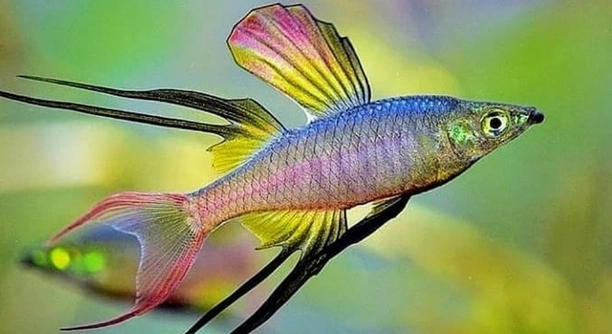
Male and female Threadfin Rainbowfish are popular choices for home aquariums, admired for their shimmering colors and graceful movements. Observing them closely reveals subtle visual differences that distinguish one from the other. Their delicate fins and body shapes are unique.
Male and female Threadfin Rainbowfish differ primarily in size, coloration, and fin structure. Males are typically larger, exhibit brighter hues, and have elongated dorsal and anal fins, whereas females present a more subdued coloration and shorter, rounded fins, aiding in sex identification.
Recognizing these distinctions can enhance aquarium care and ensure proper pairing for breeding, making your aquarium a visually harmonious and healthy environment for both sexes.
Body Size Differences
Male Threadfin Rainbowfish tend to grow noticeably larger than females, often reaching lengths of up to 4 inches, while females usually stay around 3 inches. This size difference is not just about appearance—it also affects swimming behavior, territory, and interactions with other fish in the aquarium. Larger males often take the lead when swimming, showing more dominance and confidence, whereas females maintain a calmer presence. Observing them in a tank allows for easy identification, especially when males display their full fins. While some size variation exists depending on diet and environment, the general pattern remains clear. In mixed groups, males’ larger size makes them more prominent during feeding times, but females still maintain social balance within the school. These differences are subtle but important for anyone maintaining a healthy and harmonious tank. Knowing the size patterns helps with tank planning and ensures proper space allocation to prevent overcrowding or stress.
Males are larger and more dominant, while females remain smaller, calmer, and less aggressive within the tank environment.
Size affects behavior, feeding hierarchy, and interaction patterns. Males’ larger bodies make them more visible, while females’ smaller frames allow them to navigate crowded spaces efficiently. Observing this can guide feeding schedules and tank layout, ensuring both sexes thrive. Maintaining adequate space is crucial to prevent stress, aggression, or injury, especially when males become territorial during breeding periods. Proper tank design accommodates both sizes, supporting natural behavior. Adjusting hiding spots and swimming areas allows females to retreat safely while males maintain their presence. This consideration improves overall harmony, reduces tension, and encourages healthy growth. Additionally, understanding these size differences helps in selecting compatible tankmates and prevents accidental overcrowding. Keeping males slightly larger than females enhances visual balance and minimizes dominance disputes. The difference is a natural, observable aspect of their biology, making careful observation essential for anyone managing these fish successfully.
Coloration and Pattern Variations
Males display brighter, more vivid colors, while females show subtler, muted tones, making males more eye-catching during tank displays.
Male Threadfin Rainbowfish typically show iridescent blues, greens, and reds, which intensify during courtship or in well-lit aquariums. Females maintain soft silver or light blue hues with less pronounced patterns. The vivid coloration in males serves as a signal for breeding readiness and helps establish hierarchy within groups. Females’ muted tones allow them to blend in, providing a natural camouflage that can reduce stress in shared tanks. These color differences are influenced by genetics, diet, and water quality. Providing a nutrient-rich diet enhances males’ hues while supporting females’ overall health. Lighting conditions also play a role; bright, full-spectrum lighting highlights males’ colors, whereas subdued lighting brings out subtle tones in females. Observing these visual cues helps identify sex early and assists in pairing fish for breeding or maintaining harmonious group dynamics. The distinction is clear and useful for anyone managing Threadfin Rainbowfish.
Fin Shape Differences
Males have longer, more pointed dorsal and anal fins, while females’ fins are shorter and rounded, making them easier to distinguish at a glance.
The elongated fins in males serve multiple purposes. During displays, males spread these fins to appear larger and more impressive, particularly when attracting females or asserting dominance. Females’ rounded fins are more functional than decorative, allowing smoother swimming and quicker maneuvering in tight spaces. Observing fin shape provides a reliable visual cue, especially when color differences are subtle. Tank lighting and viewing angle can affect how these fins appear, but careful observation usually makes sex identification straightforward. These differences are consistent across healthy adults.
Fin shape also impacts swimming patterns. Males with long fins move with deliberate, sometimes slower motions, emphasizing display behavior, while females navigate more efficiently through dense plants or crowded areas. Long fins may require careful tank maintenance to prevent snagging, while shorter fins make females less prone to injury. Breeding setups should consider fin shapes to avoid stress or accidental damage. Recognizing these differences ensures proper care and supports natural behavior, particularly in mixed-sex tanks where interactions depend on clear physical cues.
Body Shape and Thickness
Males tend to have slightly more elongated, slender bodies, whereas females appear shorter and rounder, especially around the abdomen.
The thicker, more rounded body of females becomes particularly noticeable when they are carrying eggs. Males maintain a streamlined, angular profile that enhances their display appeal and agility. These differences affect how they swim, feed, and interact within the group. Females’ rounder bodies allow for egg development and generally more stable buoyancy. In contrast, males’ leaner forms emphasize showiness and territorial presence. Noticing subtle curves or angles along the body helps distinguish sex even before breeding signs appear, making observation rewarding for aquarium caretakers. Environmental factors like diet and water quality can slightly influence body shape, but genetic traits remain dominant.
Body thickness also influences social behavior. Males’ slimmer forms encourage active displays and chasing during courtship, while females’ broader bodies provide resilience against minor skirmishes. Monitoring these traits helps maintain a balanced tank and ensures both sexes receive appropriate nutrition and care. Paying attention to shape variations also helps anticipate breeding readiness, making tank management smoother. Tank layout can be adjusted to accommodate swimming styles, providing open areas for males to display and sheltered zones for females to rest or hide. Overall, body shape is a practical, observable trait in Threadfin Rainbowfish.
Tail Fin Differences
Males often have longer, more flowing tail fins, while females’ tails are shorter and more rounded, creating a subtle but noticeable contrast.
The tail fin length in males enhances visual appeal during swimming displays and courtship, whereas females’ compact tails support quicker, more agile movements through plants and tight spaces.
Head and Jaw Structure
Males tend to have slightly more pronounced heads with sharper jawlines, while females show softer, rounded facial features. This distinction becomes noticeable when observing them side by side in the tank. Head structure affects feeding habits and social interactions, as males often appear more assertive when competing for food or territory. Females’ softer jawlines allow for efficient grazing and less aggressive positioning within schools. These differences are subtle but consistent, helping in identification before breeding signs are visible. Careful observation over time makes distinguishing the sexes straightforward, even in younger fish.
Behavior Differences
Males are generally more active and display-oriented, often patrolling and chasing, while females maintain calmer, more social behavior patterns.
FAQ
How can I quickly tell male and female Threadfin Rainbowfish apart?
Males are usually larger, with brighter colors and longer, pointed dorsal and anal fins. Females are smaller, with muted tones and shorter, rounded fins. Body shape also helps—males are more streamlined, while females have a slightly rounder abdomen, especially when carrying eggs.
Do males’ longer fins affect their swimming?
Yes. Males’ elongated fins make their movements appear slower and more deliberate, emphasizing display behaviors. Females, with shorter fins, swim more efficiently and navigate tight spaces easily. Both can adapt to normal aquarium conditions, but males may need more open swimming areas to avoid stress or fin damage.
Why are male colors more vivid than females’?
Males display bright colors to attract females and establish dominance. Females have softer, muted tones that help them blend in and reduce stress. Diet, lighting, and water quality enhance coloration. Observing these color differences can also indicate health and breeding readiness.
Do size differences affect feeding behavior?
Yes. Larger males often eat first and assert dominance during feeding, while females may wait or graze in less competitive areas. Proper tank management, such as spreading food and providing hiding spots, ensures both sexes get adequate nutrition.
How does body shape influence breeding?
Females’ rounder bodies allow room for egg development, while males’ slimmer, streamlined forms support courtship displays and territorial behavior. Recognizing these shapes helps in identifying breeding pairs early and maintaining a harmonious tank environment.
Are there differences in social behavior?
Males are more active and assertive, often patrolling and chasing other fish, particularly during courtship. Females are calmer, schooling together or hiding among plants. Understanding these patterns helps maintain balance in a mixed-sex tank and prevents stress.
Do tail and fin differences impact tank care?
Yes. Males’ longer fins are prone to snagging on decorations or plants, so tank setup should minimize hazards. Females’ shorter fins are less at risk. Observing fin health regularly helps prevent injury and infection.
Can young fish be sexed reliably?
Sexing juveniles is challenging because colors and fin shapes are less developed. Size differences may not be obvious. Observing gradual growth and changes over several weeks provides better accuracy, especially as males develop brighter colors and elongated fins.
Does environment affect visual differences?
Water quality, diet, and lighting impact color intensity and fin growth. A nutrient-rich diet enhances males’ coloration, while poor conditions can dull colors and affect overall appearance. Maintaining stable conditions ensures natural differences are expressed clearly.
Are there signs of stress linked to sex differences?
Yes. Males may become aggressive if overcrowded, while females may hide excessively if stressed. Tank layout, hiding spots, and compatible companions help reduce tension. Recognizing behavioral cues alongside physical traits helps maintain a healthy environment.
Do males and females interact differently in groups?
Males assert dominance and display frequently, while females form smaller social clusters and move cautiously. Monitoring interactions ensures no fish is bullied or neglected. Understanding these dynamics improves feeding strategies and tank harmony.
Can visual differences change over time?
Minor changes can occur with age, diet, or stress, but primary traits—fin length, body shape, and coloration—remain consistent. Regular observation allows adjustments in care to support natural development and healthy interactions.
Why is identifying sex important for aquarium management?
Knowing the sex ratio helps plan breeding, manage aggression, and provide adequate space. Proper identification prevents overcrowding, reduces stress, and promotes healthy growth for both males and females.
Do these differences affect compatibility with other fish?
Yes. Males may display aggression toward similar species or other males. Females’ calmer nature makes them less likely to provoke conflicts. Understanding sex-specific behavior aids in selecting compatible tankmates.
How often should I check for visual differences?
Regular observation is helpful, ideally weekly, to monitor growth, fin condition, coloration, and social interactions. Tracking changes supports health management and early detection of issues, ensuring both males and females thrive.
Are there special considerations during breeding?
Yes. Males’ displays can stress females if space is limited. Providing ample swimming areas and hiding spots reduces aggression. Monitoring body shape and fin development helps determine the optimal timing for pairing and increases the likelihood of successful spawning.
What should I do if I misidentify sex?
Misidentification is common with juveniles. Observing growth patterns, fin development, and coloration over time usually clarifies sex. Adjusting tank setup and monitoring interactions ensures all fish remain healthy during the correction period.
How do I support coloration and fin growth in males?
Provide a balanced diet, stable water conditions, and appropriate lighting. Minimizing stress and avoiding fin damage enhances natural color intensity and fin length, helping males display their full visual traits effectively in the aquarium.
Can females’ muted colors change during breeding?
Females may show slight changes in hue when ready to spawn, though not as vivid as males. These subtle shifts indicate readiness and overall health. Monitoring for these changes helps identify optimal breeding conditions.
Are visual differences enough to separate males and females?
While visual differences are reliable, observing behavior and body shape provides additional confirmation. Combining multiple traits—size, coloration, fin length, body shape, and social behavior—ensures accurate identification and better tank management.
How do I maintain a balanced male-to-female ratio?
A balanced ratio prevents excessive aggression from males and allows females to move freely. Observing growth and sex ratios early aids in planning tank population and ensures healthy social dynamics. Proper care supports both sexes long-term.
Can lighting or tank design exaggerate differences?
Yes. Bright lighting highlights males’ colors and fins, while plants and hiding spots emphasize females’ subtle tones. Adjusting light placement and tank layout can enhance natural differences without causing stress.
How long does it take to clearly identify sex?
Identification may take several weeks to months, depending on age and development. Observing growth, fin elongation, color intensification, and behavior over time ensures accurate distinction between males and females.
Are there health considerations linked to sex traits?
Yes. Males with long fins are more prone to injury and fin rot if stressed. Females’ rounder bodies require monitoring during egg development. Supporting nutrition, water quality, and tank environment reduces health risks for both sexes.
Do visual differences affect overall tank aesthetics?
Absolutely. Males’ bright colors and flowing fins create dynamic displays, while females’ softer tones add balance. Understanding these differences allows careful planning of stocking and arrangement for a visually appealing tank.
What is the best approach to teaching children or beginners about sexing these fish?
Use clear visual cues like fin shape, coloration, and body shape. Demonstrate observation over time and explain behavioral patterns. Simple, consistent monitoring helps beginners recognize differences without overwhelming them.
How do I combine visual and behavioral observation for accuracy?
Watch swimming patterns, feeding order, displays, and fin movements along with physical traits. Combining multiple indicators ensures correct identification and helps maintain a peaceful, well-managed aquarium.
Are visual differences consistent across all Threadfin Rainbowfish strains?
Most strains show similar sex-specific traits, though slight variations exist depending on genetics and selective breeding. Observing multiple traits rather than a single characteristic ensures accurate identification across different strains.
What tools or equipment help in identifying sex?
Good lighting, a clear tank, and occasional close-up photography assist in observing subtle differences. Magnifying lenses or careful hand-held viewing can clarify fin shapes and body contours for more precise identification.
Is it necessary to separate males and females in a shared tank?
Not always. Balanced ratios and ample space typically prevent aggression. Separation may be needed during breeding periods or if males become overly territorial, ensuring safety and reducing stress for females.
How often should I monitor fin and coloration health?
Weekly checks are sufficient. Look for fraying, dullness, or unusual patterns. Early detection allows intervention to prevent disease and ensures males and females display their natural visual traits optimally.
Can diet alone enhance sex-specific traits?
A balanced diet improves color intensity, fin growth, and overall health but cannot change genetic traits. Proper feeding complements other factors like water quality, lighting, and tank setup to support natural male and female characteristics.
Are there any signs that indicate a male or female is unwell?
Dull coloration, frayed fins, abnormal swimming, or lethargy can indicate illness. Observing sex-specific traits helps distinguish normal variation from health issues, allowing timely intervention to protect both males and females.
How do I maintain clarity when comparing multiple fish?
Observe one fish at a time, noting fin shape, coloration, body shape, and behavior. Recording observations or photographing differences aids in comparison, ensuring accurate sex identification in mixed groups.
Can environmental stress mask visual differences?
Yes. Poor water quality, overcrowding, or inadequate diet can dull colors, stunt fin growth, and alter behavior. Maintaining stable conditions allows natural male and female traits to remain visible and reliable for identification.
Is it common for males to be aggressive toward females?
Some chasing and display behavior is normal. Excessive aggression may indicate overcrowding or insufficient space. Providing hiding spots and monitoring interactions ensures females are not harmed and maintains tank harmony.
How can I track developmental changes over time?
Regular observation and occasional photographs help monitor fin length, color intensity, body shape, and behavior. Tracking these changes confirms sex identification and allows adjustments in care to support natural growth.
Do females ever display male traits?
Rarely, some females may show slightly elongated fins or subtle color shifts, but these traits are usually minor. Observing multiple characteristics ensures accurate differentiation and prevents misidentification.
What is the simplest method for beginners to identify sex?
Start with color and fin length. Combine with body shape and behavior over time. Observation under good lighting and noting gradual changes simplifies accurate sexing for beginners without stress.
How does age affect visual differences?
Young fish show less pronounced traits. As they mature, males develop longer fins and brighter colors, while females’ body roundness becomes more visible. Patience and consistent observation reveal clear differences.
What should I do if a male loses fin length or color?
Check water quality, diet, and tank interactions. Stress or poor conditions can cause deterioration. Adjust care, provide proper nutrition, and reduce aggression to restore natural traits.
Are there seasonal or reproductive influences on appearance?
Yes. Males intensify colors during breeding periods, while females may show slight changes in hue. Monitoring these shifts helps anticipate breeding and ensures a balanced environment.
How can I maintain harmony in a mixed-sex tank?
Provide open swimming areas, hiding spots, and balanced male-to-female ratios. Observe interactions and adjust feeding or decor as needed. Awareness of sex-specific behavior ensures peaceful coexistence and optimal health.
Do males or females require different tank setups?
Generally, both share the same environment. Males benefit from open display areas; females appreciate plants and shelter. Small adjustments accommodate natural differences and reduce stress.
Can stress permanently affect visual traits?
Prolonged stress may cause dull colors, frayed fins, or slowed growth, particularly in males. Reducing stressors and maintaining stable conditions helps recover natural appearance.
Are visual differences important for breeding success?
Yes. Correctly identifying males and females ensures proper pairing and reduces aggressive encounters. Understanding traits like coloration, fin length, and body shape supports successful reproduction and healthy offspring.
How do I teach others to identify sex accurately?
Use side-by-side comparisons, point out fin, color, and body differences, and emphasize observation over time. Practical demonstration and patience improve understanding without causing stress to the fish.
Can observing behavior alone identify sex?
Behavior helps but is less reliable than physical traits. Combining behavior with fin shape, body form, and coloration provides accurate sex identification and better tank management.
Is it possible for males and females to appear identical?
Juveniles or stressed fish may look similar, making identification challenging. Observing multiple traits over time resolves uncertainty and prevents misidentification in the tank.
What long-term benefits come from recognizing visual differences?
Accurate identification ensures proper care, balanced populations, successful breeding, and reduced stress. Observing and understanding these traits enhances aquarium management and supports healthy, visually appealing fish.
How does observation improve overall tank health?
Monitoring sex-specific traits allows early detection of illness, aggression, or developmental issues. Maintaining awareness ensures both males and females thrive in a balanced, stable environment.
Do males require extra care compared to females?
Males’ longer fins and bright colors may need attention to prevent damage and stress. Females’ care focuses on nutrition and hiding spaces. Both require stable water and diet for optimal health.
How often should visual differences be reassessed?
Periodic reassessment, ideally weekly or monthly, ensures ongoing accuracy. Fish grow, colors change, and behavior shifts, making regular observation essential for maintaining tank harmony and proper identification.
Can visual traits indicate overall health?
Yes. Bright colors, intact fins, and proper body shape reflect good health. Dull colors, fin damage, or abnormal shapes signal stress or illness, prompting corrective action.
Are there any quick identification tips for large groups?
Focus on the most obvious traits first: males’ brighter colors and longer fins. Use behavior, body shape, and schooling patterns to confirm individual identification in mixed groups.
Does water temperature influence visual differences?
Temperature affects metabolism and activity, indirectly influencing color intensity and behavior. Stable temperatures help maintain natural male and female traits without stress-induced changes.
How do I balance observation with minimal disturbance?
Watch fish calmly without tapping the glass or sudden movements. Consistent, gentle observation preserves natural behavior and accurate visual assessment without causing stress.
What are common mistakes in sex identification?
Relying on a single trait, misjudging juveniles, or not accounting for environmental effects can lead to errors. Combining multiple indicators over time improves accuracy and tank management.
Can I use photographs for identification?
Yes. Clear images help compare fins, coloration, and body shape over time, making it easier to track development and confirm sex without stressing the fish.
Are visual differences the same in all lighting conditions?
Lighting can exaggerate or mute traits. Full-spectrum light enhances males’ colors, while subdued lighting may make females’ traits less visible. Adjust lighting to observe differences accurately.
How do I prevent aggression linked to male displays?
Provide ample space, hiding spots, and balanced male-to-female ratios. Observing interactions allows intervention if chasing or stress becomes excessive. Proper layout supports peaceful coexistence.
Do males and females respond differently to tank changes?
Males may become more territorial or display frequently, while females may hide or reduce activity. Understanding these responses helps minimize stress during adjustments.
Can visual differences be exaggerated by selective breeding?
Yes. Some strains emphasize males’ colors and fin length. Females may remain more subdued. Awareness of strain characteristics aids in accurate identification and care.
How important is patience in observing visual differences?
Extremely important. Traits develop gradually, and rushing identification can cause errors. Consistent, careful observation over weeks ensures accurate sexing and better tank management.
Are there any health risks if differences are ignored?
Ignoring sex differences can lead to aggression, overcrowding, or improper breeding setups. Recognizing traits early helps maintain health, reduces stress, and ensures a balanced tank.
What is the role of diet in maintaining traits?
Balanced nutrition supports coloration, fin growth, and overall health. Males benefit from foods enhancing brightness, while females need diet supporting egg development and general resilience.
Can differences be seen in juvenile fish?
Juveniles show subtle traits that become clearer with age. Fin length, body shape, and color intensity gradually develop, making observation over time necessary for accurate sexing.
How can observation improve breeding outcomes?
Recognizing males and females accurately ensures proper pairing, reduces stress, and increases spawning success. Observing coloration, fins, and body shape guides timing and tank setup for optimal results.
Do environmental factors ever reverse expected traits?
Severe stress, poor diet, or overcrowding can temporarily mask coloration and fin differences. Once conditions improve, natural traits usually reappear. Maintaining stability preserves reliable visual cues.
How do I teach visual differences to beginners without overwhelming them?
Focus on one or two obvious traits first, like fin length and color. Gradually introduce body shape and behavior cues. Patience and repetition help beginners learn without causing confusion or stress.
Can observing traits help predict growth patterns?
Yes. Males’ fins and colors often indicate future size and display potential. Females’ body shape predicts reproductive development. Tracking these traits informs tank planning and care strategies.
Is there a difference in lifespan between sexes?
Generally, both sexes live similarly with proper care. Males’ brighter colors or longer fins do not shorten life but require careful tank management to prevent stress or injury.
Do visual differences affect compatibility with plants or decorations?
Males’ long fins may snag on plants or decor, requiring cautious placement. Females’ shorter fins navigate easily. Adjusting tank layout accommodates both sexes safely and reduces damage risk.
How can I track differences in large tanks?
Observe in sections or small groups, note key traits, and use photos or diagrams to track individuals. Breaking observation into manageable parts ensures accuracy and minimizes stress.
What signs indicate a male is ready for breeding?
Bright coloration, fully extended fins, and active display behavior signal readiness. Observing these alongside female body shape helps time pairing for successful spawning.
Are females’ subtle color changes reliable indicators?
Yes, slight hue shifts often indicate reproductive readiness or health status. Combined with behavior and body shape, these cues support effective breeding management.
How do I maintain a stress-free environment while monitoring sex?
Provide hiding spots, balanced ratios, stable water conditions, and minimal disturbance. Gentle observation preserves natural behavior and allows accurate identification without causing anxiety.
Can visual differences predict temperament?
Generally, males are more active and display-oriented, while females are calmer. Observing these tendencies helps anticipate interactions, feeding order, and tank layout needs.
Is sexing necessary for all Threadfin Rainbowfish owners?
Not always, but it improves breeding management, tank harmony, and feeding strategies. Awareness of sex-specific traits enhances care and overall enjoyment of the aquarium.
Do visual differences vary with age or health status?
Yes. Males’ fins and colors develop with maturity, and females’ bodies may round when carrying eggs. Health issues can temporarily mask these traits, making observation over time essential.
How can observation improve long-term care?
Regular monitoring of fins, colors, body shape, and behavior allows early intervention for health issues, reduces aggression, and ensures both sexes thrive in a balanced, stable tank.
What is the best combination of traits for reliable sexing?
Use fin shape, body shape, coloration, behavior, and size together. Observing multiple traits over time ensures accurate identification and supports proper tank
Threadfin Rainbowfish are fascinating fish to keep in an aquarium because of their vibrant colors, graceful movements, and subtle sex differences. Recognizing the differences between males and females is not only useful for breeding purposes but also for maintaining a harmonious tank environment. Males tend to stand out with brighter colors, elongated fins, and streamlined bodies, while females are generally smaller, with more muted tones and rounder shapes. Observing these characteristics carefully allows you to identify their sex accurately and plan your aquarium setup accordingly. Over time, these visual cues become easier to spot, and you can notice even small changes in coloration, body shape, and behavior.
Understanding the distinctions between male and female Threadfin Rainbowfish also helps improve overall care. Males, with their longer fins and active displays, require enough open space to swim without getting their fins damaged or stressed. Females, with their calmer behavior and rounder bodies, benefit from plants or hiding spaces that allow them to rest and feel secure. Feeding routines can also be adjusted based on social behaviors; larger males often eat first, so providing food in multiple areas ensures both sexes receive adequate nutrition. Maintaining stable water quality, proper lighting, and a balanced diet further supports the health and visual traits of both males and females. Recognizing these differences is practical, not just for breeding, but also for reducing stress, preventing aggression, and keeping the tank visually balanced.
Overall, paying attention to visual and behavioral differences between male and female Threadfin Rainbowfish adds depth to aquarium care. These traits are consistent across healthy adults, though juveniles may require more time and observation to distinguish. Males’ colors and fins are indicators of health and readiness for breeding, while females’ body shape provides insight into reproductive status. By observing size, coloration, fin shape, body structure, and behavior, you can manage your aquarium more effectively and ensure the well-being of both sexes. Regular monitoring and thoughtful tank management create a peaceful environment where males and females can thrive together, displaying their natural traits fully. Taking note of these details not only helps with identification but also enhances the overall enjoyment of keeping these fish, making your aquarium a balanced, visually appealing, and healthy space.

Hello,
If you enjoy the content that we create, please consider saying a "Thank You!" by leaving a tip.
Every little bit helps us continue crafting quality advice that supports the health, happiness, and well-being of pets around the world, for pets of all shapes, sizes, and species.
We really appreciate the kindness and support that you show us!