
Have you ever been fascinated by the way fish behave, noticing little details that make you wonder if they feel emotions like we do?
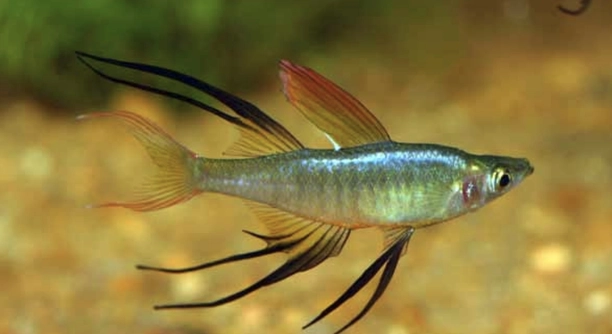
Threadfin rainbowfish are capable of showing signs that resemble emotions, supported by research into their behavior and brain activity. While these responses are not emotions in the human sense, they indicate sensitivity, awareness, and social interactions that suggest emotional-like states.
By looking closely at how they interact, from subtle movements to social bonds, we can begin to understand the complexity hidden in these small creatures.
Understanding Emotional Displays in Threadfin Rainbowfish
Threadfin rainbowfish may be small, but their behavior can tell us a lot about how they respond to their surroundings. Scientists have observed that these fish react differently to changes in their environment, such as the presence of potential threats or the introduction of new companions. Their movements and group dynamics often shift, showing patterns that suggest awareness and sensitivity. Unlike simple reflexes, these actions seem to carry a purpose, hinting at a deeper capacity for response. While not directly comparable to human emotions, these patterns reveal that fish are more complex than they may appear. Observations indicate that they can distinguish between safe and stressful situations, responding in ways that suggest some level of feeling. This makes them fascinating to watch, as their behaviors may hold clues to how emotional-like states evolve across species, reminding us that even small creatures can display surprising depth.
Their body language, such as quick darting movements or changes in swimming rhythm, often reflects stress, comfort, or curiosity, making them highly expressive within their own aquatic environment.
Research shows that these behaviors are not random but closely tied to brain activity, social interactions, and survival instincts. While scientists remain cautious about labeling them as emotional in the human sense, their responses highlight an important aspect of animal behavior. Observing them closely helps us see that emotions, or at least states resembling them, may not be exclusive to mammals or birds. The study of threadfin rainbowfish gives us valuable insights into how animals experience their environments. It reminds us that even fish are capable of communication and awareness that goes beyond instinct alone. This understanding can help fish keepers provide better environments, ensuring their well-being. It also broadens the way we think about life underwater, showing us that emotional-like behaviors are more widespread than we often imagine.
Why It Matters to Recognize These Behaviors
Noticing these emotional-like signs in threadfin rainbowfish can influence how we care for them, ensuring healthier and more balanced environments.
By acknowledging their capacity for emotional-like states, we begin to treat their needs more thoughtfully. This means offering stable habitats, consistent care, and social conditions that support their well-being. When fish are stressed, their immune systems weaken, making them more prone to illness. Recognizing behavioral signals allows us to make changes that reduce stress, like adjusting tank mates, improving water conditions, or adding hiding spaces. Beyond care, this recognition also shapes how we value fish in general, reminding us that they are more than decorations in a tank. They are living beings with needs and responses shaped by both biology and environment. Understanding them better not only improves their quality of life but also deepens our appreciation for the quiet complexity they bring into aquatic spaces.
Observing Subtle Signs in Daily Behavior
Threadfin rainbowfish often reveal their states through simple body language. Quick darting movements, sudden stillness, or slight changes in swimming speed can all indicate stress, curiosity, or comfort within their surroundings.
Social interaction plays a strong role in how threadfin rainbowfish express themselves. They may group together more tightly when threatened, while spreading out calmly when relaxed. Watching these shifts can help identify whether the fish feel safe or unsettled. Feeding time also reveals differences—eager, bold swimmers often display confidence, while hesitant ones may signal unease or low standing within the group. Such observations allow keepers to better understand their emotional-like responses.
Environmental changes further highlight their subtle expressions. Adjustments in light, noise, or water quality may alter their movements and spacing. When conditions are favorable, they display smooth, coordinated swimming patterns. Under stress, however, their movements often become erratic, with individuals breaking away from the group. These patterns emphasize that their behavior is sensitive to surroundings, reflecting more than just instinctual reactions. Close observation offers insight into their capacity for awareness and response, showing how even small fish can exhibit meaningful behavioral cues.
The Role of Environment in Emotional-Like States
A well-maintained tank environment plays an essential role in the behavior of threadfin rainbowfish. Clean water, proper temperature, and balanced lighting reduce stress and support calmer, healthier movements that resemble emotional stability.
When threadfin rainbowfish are placed in stable, enriched environments, they often display smoother swimming and stronger social bonds. Tanks that include plants, hiding spaces, and gentle water flow encourage natural behaviors. Without these conditions, their stress levels rise, leading to restless swimming, fin clamping, or withdrawal from the group. Studies suggest these reactions connect directly to brain activity, highlighting that environment influences more than survival—it affects their state of being. Understanding this connection allows keepers to create spaces that not only meet physical needs but also encourage healthier, more expressive behaviors, suggesting a depth of awareness that should not be overlooked.
Social Bonds and Group Dynamics
Threadfin rainbowfish rely heavily on their groups for comfort and safety. Tight schooling often shows a sense of security, while isolation or erratic movement can suggest unease or stress within their environment.
During calm moments, their coordinated swimming patterns reflect harmony among the group. When disrupted, shifts in spacing or sudden retreats often signal tension. Watching these changes makes it easier to understand how social dynamics shape their emotional-like behaviors.
Feeding Responses as Behavioral Clues
Feeding time provides clear insight into their state of being. Bold fish that rush toward food often display confidence and comfort, while hesitant individuals may reflect stress or lower social standing. These reactions go beyond simple hunger—they reflect how safe and secure the fish feel. By paying attention to such behavior, it becomes easier to identify when conditions need adjusting, ensuring the fish experience an environment that supports stability and well-being while reducing unnecessary stress.
Signs of Stress to Watch For
Erratic swimming, faded colors, or reduced appetite are common stress signals in threadfin rainbowfish. Identifying these behaviors early helps prevent health issues and ensures their environment supports both physical and emotional-like stability.
FAQ
Can threadfin rainbowfish really show emotions like humans?
Threadfin rainbowfish do not experience emotions exactly like humans, but they exhibit behaviors that resemble emotional responses. Quick movements, changes in swimming patterns, and social interactions often indicate stress, comfort, or curiosity. Observing these behaviors helps keepers understand their needs and provide a stable, supportive environment.
What behaviors indicate that a fish is stressed?
Common stress behaviors include erratic swimming, hiding for long periods, fin clamping, or faded colors. These signs often occur after sudden environmental changes, aggressive tank mates, or poor water conditions. Monitoring these behaviors allows caretakers to adjust conditions promptly, reducing stress and promoting better health.
How can I tell if my fish is happy or comfortable?
A comfortable fish usually swims smoothly, maintains consistent group cohesion, and actively explores its environment. Bright, vibrant colors and eagerness during feeding also reflect positive states. Consistent observation over time provides the clearest insight, as behaviors can vary between individuals and situations.
Do threadfin rainbowfish interact socially with each other?
Yes, they form tight groups or schools and rely on social interactions for safety and comfort. Changes in group cohesion, spacing, or behavior often indicate shifts in environmental comfort or stress levels, making social observation a useful tool for understanding their emotional-like states.
How does the tank environment affect their behavior?
Tank conditions greatly impact their well-being. Clean water, stable temperature, hiding spaces, and plants promote calm, natural behavior. Poor water quality, overcrowding, or lack of shelter can trigger stress responses, erratic movements, or reduced feeding, showing how sensitive they are to their surroundings.
Can feeding behavior indicate emotional states?
Yes, feeding behavior can reveal confidence, curiosity, or stress. Bold fish that eagerly approach food typically feel secure, while hesitant or withdrawn fish may be experiencing stress, low social standing, or environmental discomfort. Feeding patterns are a practical and observable way to assess their state.
Do threadfin rainbowfish remember stressful experiences?
They show signs of memory related to stress. Fish that have experienced sudden threats or disturbances often alter future behavior, such as increased hiding or heightened alertness. This suggests they can associate certain situations with discomfort, highlighting their capacity to respond based on past experiences.
How can I reduce stress for my threadfin rainbowfish?
Maintaining stable water parameters, providing adequate space and hiding spots, and monitoring social dynamics are key. Avoid sudden changes in lighting, water temperature, or tank mates. Regular observation and small adjustments to the environment can significantly reduce stress and encourage natural, expressive behavior.
Are certain tank mates better for promoting emotional well-being?
Choosing peaceful, compatible species supports their comfort. Aggressive or overly dominant tank mates can trigger stress behaviors, while similar-sized, calm species help maintain group cohesion. Observing interactions is essential to prevent conflict and ensure a harmonious social environment.
How often should I observe their behavior for signs of stress or comfort?
Daily observation is recommended, even for short periods. Watching how they respond to feeding, environmental changes, or each other provides insight into their state. Noticing gradual shifts over time helps identify stress triggers and improve their overall well-being.
Can environmental enrichment improve their emotional-like state?
Yes, adding plants, rocks, and spaces to explore encourages natural behavior and reduces stress. Enrichment stimulates curiosity and exploration, resulting in smoother swimming, more interaction with tank mates, and overall healthier patterns of behavior that suggest comfort and awareness.
Is it normal for some fish to be more shy than others?
Individual differences are common. Some fish naturally display more cautious behavior, while others are bold and active. Both can indicate healthy emotional-like states when compared to extreme signs of stress, making it important to understand individual personalities within the group.
How do I differentiate between natural behavior and stress signals?
Natural behaviors include regular schooling, exploration, feeding, and interactions without abrupt changes. Stress signals tend to appear suddenly or consistently, such as frantic swimming, prolonged hiding, or color fading. Comparing normal routines with unusual patterns helps identify when intervention is necessary.
Do these behaviors change with age or size?
Yes, juvenile and adult fish may behave differently. Younger fish might be more active and curious, while adults show established social hierarchies. Both stages can display stress or comfort differently, making ongoing observation essential to understand each life stage.
Can observing their behavior improve their long-term health?
Absolutely. Recognizing signs of stress or comfort allows keepers to adjust environmental conditions, feeding routines, and social dynamics. Proactive observation ensures healthier, more balanced fish, reducing disease risk and supporting natural, expressive behavior throughout their lifespan.
Final Thoughts
Threadfin rainbowfish are small but surprisingly expressive creatures. While they do not feel emotions in the same way humans do, their behaviors can resemble emotional responses. Observing their movements, body language, and social interactions gives us insight into how they experience their environment. Quick swimming, hiding, or group cohesion can all provide clues about comfort or stress. By paying attention to these subtle signs, it becomes easier to understand their needs and respond appropriately. Even small changes in behavior can indicate how they are feeling, making careful observation an important part of keeping them healthy. Over time, these observations allow caretakers to anticipate their needs and provide a stable and supportive environment, which is essential for their overall well-being.
The environment plays a crucial role in their behavioral patterns. Clean water, consistent temperature, and appropriate lighting all contribute to calmer, more natural behaviors. Enrichment, such as plants, hiding spots, or gentle water currents, encourages exploration and social interaction, reducing stress and promoting more expressive behavior. Stressful conditions, on the other hand, can trigger erratic swimming, faded colors, or withdrawal, which may lead to health issues if not addressed. By maintaining stable tank conditions, caretakers can help threadfin rainbowfish display behaviors that reflect comfort and security. Social dynamics are equally important, as these fish rely on group interactions for safety and reassurance. Observing their schooling patterns, spacing, and feeding responses offers valuable insight into how they respond to their surroundings and to each other.
Understanding the emotional-like behaviors of threadfin rainbowfish is not just about improving their environment—it also enhances our appreciation of their complexity. These fish demonstrate awareness, responsiveness, and social cohesion, showing that even small species can exhibit behaviors that go beyond simple survival instincts. By recognizing their responses, we can create conditions that support their well-being while learning more about animal behavior in general. Watching them navigate their environment, interact with one another, and respond to changes provides a deeper understanding of life beneath the water’s surface. Paying attention to these subtle cues encourages careful, thoughtful care, helping the fish live healthier, more balanced lives. Observing and responding to their needs fosters a relationship built on respect for their sensitivity, showing that attentive care can make a meaningful difference in their daily experiences.

Hello,
If you enjoy the content that we create, please consider saying a "Thank You!" by leaving a tip.
Every little bit helps us continue crafting quality advice that supports the health, happiness, and well-being of pets around the world, for pets of all shapes, sizes, and species.
We really appreciate the kindness and support that you show us!