
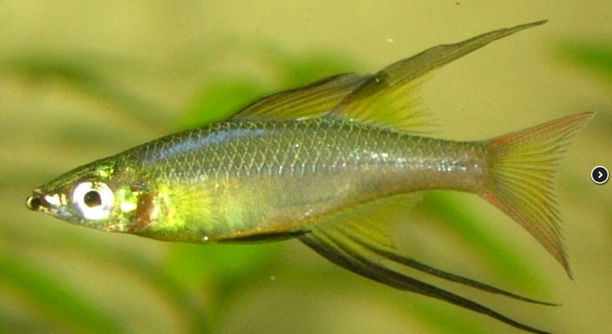
Threadfin Rainbowfish are lively, colorful additions to home aquariums. They explore their surroundings actively, weaving through plants, rocks, and decorations. Observing their movements can reveal interesting patterns of behavior that make them engaging to watch daily.
Threadfin Rainbowfish do not form emotional attachments to tank decor in the way mammals bond with objects. Their interaction with decorations is driven by shelter-seeking, territory establishment, and exploration rather than emotional attachment or preference.
Understanding their natural behavior helps in setting up a tank that meets their needs while keeping them active and healthy. The choice of decor can influence comfort and activity levels.
How Threadfin Rainbowfish Interact With Tank Decor
Threadfin Rainbowfish are naturally curious and active swimmers. They often move through plants, rocks, and artificial structures, using them for cover or a temporary resting spot. While they don’t attach emotionally to these objects, the decor plays a practical role in their daily routine. A well-structured tank with varied hiding spots and open swimming areas encourages exploration and reduces stress. Rounded rocks, smooth driftwood, and soft plants allow them to weave around without injury. Their behavior includes darting between decorations, hovering near surfaces, and sometimes inspecting areas repeatedly. These actions are instinctive, aimed at feeling secure and navigating the tank efficiently. Observing how they use these elements can help in arranging a setup that suits their natural tendencies. Over time, they may return to favorite areas, not from attachment, but because these spots offer comfort, safety, and visual stimulation. Tank design directly affects how confident and active they appear.
Tank decor primarily serves as environmental enrichment and shelter for Rainbowfish.
The placement and type of decorations influence movement patterns and stress levels. For instance, vertical structures encourage vertical swimming, while clustered plants provide refuge. Smooth surfaces reduce injury risk, and open spaces allow schooling behavior. Observing which areas fish revisit helps optimize tank layout, ensuring a balance between exploration and security. Choosing durable, non-toxic materials supports long-term aquarium health. Decorations also affect water flow and lighting, indirectly influencing fish activity. Proper arrangement minimizes aggressive encounters and keeps the fish engaged, creating a visually appealing and functionally suitable environment for Threadfin Rainbowfish.
Choosing the Right Decorations
Decor selection impacts both appearance and fish behavior. Simple designs with varied textures and heights work best.
Selecting safe, stable decorations is crucial for Rainbowfish. Materials like resin, driftwood, and soft plants reduce injury risk, while hollow structures provide shelter without overcrowding the tank. Proper spacing ensures easy swimming paths, preventing stress from confined areas. Decorations should not alter water chemistry, avoiding harmful leaching or pH changes. Experimenting with placement can reveal preferred spots, allowing adjustment for optimal comfort. Variety in texture, color, and shape maintains engagement and natural behavior. Routine observation helps identify which elements are utilized most, guiding future adjustments. Incorporating live or artificial plants adds hiding spaces and visual barriers, enhancing the sense of security. Well-chosen decor supports activity levels, schooling tendencies, and overall health, making the tank both practical and attractive.
Signs Rainbowfish Are Comfortable
Observing Threadfin Rainbowfish near decorations can indicate comfort levels. Calm swimming, exploring corners, and occasionally resting near structures are positive signs. Sudden darting or hiding excessively may signal stress, showing that the tank setup needs adjustment.
When Threadfin Rainbowfish navigate their tank smoothly, it reflects a sense of security. They often hover near plants or driftwood, using these structures for cover without becoming overly dependent on them. Consistent interaction with certain areas usually relates to safety or preferred lighting rather than emotional attachment. A tank that balances open swimming space with strategically placed hiding spots encourages healthy activity and reduces aggressive behavior. Watching their patterns helps identify how well the layout meets their needs and where minor improvements could enhance comfort.
Resting behavior is another indicator of a well-set-up environment. Fish may pause near decorations, not out of attachment, but because these areas feel secure. They may also hover in open water when confident in the tank design. Providing variety in textures, heights, and spaces ensures they remain active and engaged. Decorations can influence social interactions as well, allowing fish to school, chase, or retreat comfortably. Observing these patterns gives insight into their well-being.
Maintenance Tips for Decor
Cleaning and positioning decorations correctly is essential for fish health. Avoid overcrowding the tank and remove debris promptly.
Decorations can affect water flow, quality, and fish activity. Regularly rinsing or scrubbing driftwood, rocks, and artificial plants prevents algae buildup and reduces harmful bacteria. Stability matters—loose items can shift, injuring fish or blocking swimming paths. Soft plants or smooth surfaces prevent cuts and abrasions during play or rest. Placement should maintain open areas for schooling and movement while offering hiding spaces for stress relief. Monitoring decorations for wear or sharp edges ensures a safe environment. Adjusting items periodically can stimulate exploration and prevent boredom, promoting natural behavior and well-being.
Proper decor care also supports long-term tank stability. Materials should be non-toxic, resistant to water degradation, and easy to clean. Live plants require trimming and nutrient balance to avoid overgrowth, while artificial items need gentle cleaning to prevent chemicals from leaching. Maintaining decorations also preserves aesthetic appeal, making the tank visually pleasing. Thoughtful arrangement and regular upkeep prevent disruptions to water flow and ensure that fish have reliable shelter and swimming paths. Paying attention to these details helps Threadfin Rainbowfish remain active, healthy, and comfortable over time.
Interaction Patterns With Plants
Threadfin Rainbowfish often swim through plants for cover or exploration. They use taller plants for shelter and shorter plants to navigate the tank freely.
Plants also provide visual barriers, helping fish feel secure. Dense planting encourages natural behavior, while open spaces allow them to school comfortably and remain active.
Preferred Hiding Spots
Fish tend to select decorations that offer partial cover or gentle shading. Hollow structures, clusters of plants, and smooth driftwood are frequently revisited areas. These spots provide a sense of security without restricting movement, allowing the fish to engage with their environment confidently while resting or observing their surroundings.
Adjusting Tank Layout
Repositioning decorations occasionally helps maintain engagement. Small changes can stimulate exploration and prevent fish from becoming stagnant or overly familiar with one area.
FAQ
Can Threadfin Rainbowfish recognize specific decorations?
Threadfin Rainbowfish do not recognize decorations the way humans recognize objects, but they do remember areas that provide comfort or safety. Over time, they may consistently swim to certain spots, usually for shelter or to rest near hiding areas. This behavior reflects familiarity rather than emotional attachment. Observing which areas are frequently revisited helps in arranging the tank for optimal comfort and exploration, ensuring the fish feel secure while remaining active.
Do they prefer live or artificial plants?
Threadfin Rainbowfish respond well to both live and artificial plants. Live plants offer natural hiding spots, contribute to water quality, and create a dynamic environment. Artificial plants are easier to maintain and provide consistent shelter without the need for trimming or nutrient balance. Fish typically use whichever provides appropriate cover and navigational aid, focusing on the practical benefits rather than the material type. Mixing both can create variety and encourage natural swimming patterns.
How much decor is too much?
Overcrowding a tank with decorations can stress Rainbowfish and restrict swimming space. They need open areas for schooling and movement, as well as scattered hiding spots for comfort. A balanced layout allows them to explore freely while offering shelter where needed. Decorations should be arranged thoughtfully, avoiding tight clusters that block paths or create territorial disputes. Regular observation ensures that the setup supports natural activity without causing stress or limiting freedom.
Will they interact differently with vertical and horizontal structures?
Yes, vertical structures such as tall plants or driftwood encourage upward and mid-water exploration, while horizontal surfaces like flat rocks or low plants promote resting or bottom-level swimming. A combination of both types supports natural movement and allows Rainbowfish to engage with the tank environment fully. This variety also helps prevent boredom and encourages healthy, active behavior across all levels of the aquarium.
Do decorations influence social behavior?
Decorations can affect schooling and social interaction. Open swimming space allows fish to move together comfortably, while strategic plants or structures offer retreat areas during conflicts or stress. Properly placed decor reduces aggression and supports natural group dynamics. By observing interactions around decorations, adjustments can be made to ensure the fish remain cohesive and active without unnecessary territorial disputes.
How often should I rearrange decorations?
Minor adjustments can be made periodically, usually every few months, to stimulate exploration and engagement. Moving a plant slightly or changing the position of a rock encourages Rainbowfish to navigate the tank anew, preventing stagnation. Avoid drastic rearrangements too frequently, as sudden changes may stress fish or disrupt established patterns. Gradual, thoughtful adjustments maintain a healthy and dynamic environment.
Can decorations affect health?
Yes, decorations can influence water quality and safety. Porous rocks may harbor bacteria, while toxic or sharp materials can injure fish. Smooth, non-toxic decor supports both safety and hygiene. Live plants contribute positively to oxygenation and nutrient balance, while regular cleaning of artificial items prevents algae buildup. Proper decor selection is essential for maintaining a healthy aquarium environment.
Do Threadfin Rainbowfish have favorite spots?
They often revisit areas that provide safety, shelter, or preferred lighting. These repeated visits indicate comfort, not attachment. Hiding spots or structures near moderate light or gentle water flow are usually favored. Observing their patterns helps in refining tank layout to ensure that these areas are accessible and supportive of natural behavior, keeping the fish active and relaxed.
Should I change decorations if my fish ignore them?
If certain decor is consistently avoided, it may not offer the comfort or usability the fish prefer. Replacing or repositioning it with safer, more accessible, or visually stimulating items can encourage interaction. Observing how Rainbowfish navigate their environment provides insights into their preferences, ensuring that the tank supports both activity and well-being effectively.
Do they exhibit stress if there are no decorations?
Lack of decorations can lead to visible stress, including frantic swimming, hiding against tank walls, or reduced activity. Even minimal structures like a few plants or rocks can provide necessary shelter, reduce anxiety, and simulate a natural environment. Properly placed decor supports comfort, encourages natural movement, and contributes to long-term health and behavior.
Final Thoughts
Threadfin Rainbowfish are active, curious, and sensitive to their environment. They do not form emotional attachments to tank decorations, but the setup of the tank plays an important role in their behavior and comfort. Decorations provide shelter, visual barriers, and areas for exploration, which help reduce stress and support natural swimming patterns. Observing how these fish move around the tank and interact with plants, rocks, and driftwood can give clear insight into what makes them feel secure. Repeated visits to certain areas are not signs of attachment but rather an indication that these spots offer the right combination of safety, lighting, and open space. By understanding these behavioral patterns, aquarium owners can design a layout that keeps the fish active, confident, and healthy. Proper placement of decorations, such as combining vertical structures with open swimming areas, allows them to engage fully with the tank while still having safe zones to retreat when needed.
Tank decor also affects social behavior and activity levels. Threadfin Rainbowfish often swim in schools, and open spaces help maintain cohesion among the group. Hiding spots created by plants or driftwood reduce potential conflicts and give individual fish a place to rest or recover from stress. A mix of live and artificial plants can enhance both the visual appeal of the tank and its functional environment. While live plants contribute to water quality and oxygenation, artificial plants provide consistent structure without the need for maintenance. Decorations with smooth surfaces prevent injury, and careful attention to materials ensures that they are non-toxic and do not alter water chemistry. Overcrowding should be avoided, as too many items can limit movement, increase stress, and interfere with schooling behavior. Finding a balance between shelter and open space is key to creating a stable, engaging environment.
Maintaining decorations is equally important. Regular cleaning prevents algae buildup and harmful bacteria growth, while periodic adjustments stimulate exploration and keep the tank dynamic. Even small changes, such as moving a rock or repositioning a plant, can encourage Rainbowfish to interact with their environment in new ways. Careful observation helps identify which areas are frequently used and which are ignored, guiding future adjustments. Thoughtful maintenance supports the health of the fish while preserving the aesthetic appeal of the tank. Overall, a well-planned and properly maintained setup enhances the comfort, activity, and well-being of Threadfin Rainbowfish. By prioritizing both practical function and environmental enrichment, aquarium owners can create a tank where these lively fish thrive naturally, safe from stress and free to display their natural behaviors.

Hello,
If you enjoy the content that we create, please consider saying a "Thank You!" by leaving a tip.
Every little bit helps us continue crafting quality advice that supports the health, happiness, and well-being of pets around the world, for pets of all shapes, sizes, and species.
We really appreciate the kindness and support that you show us!