
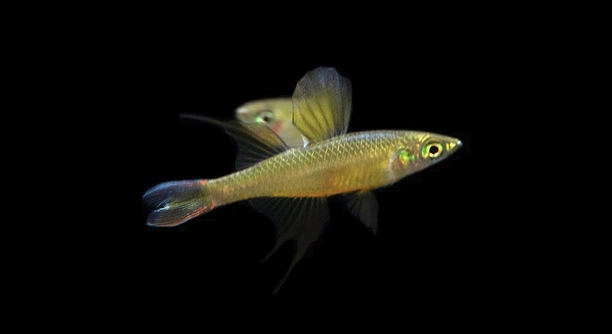
Adding new fish to your tank can be exciting, but it can also bring unexpected reactions. Threadfins are sensitive creatures, and their behavior may change when introduced to unfamiliar tankmates. Observing these changes is important for a healthy aquarium.
Threadfins may exhibit several distinct responses to new tankmates, including cautious observation, schooling tighter, territorial displays, temporary hiding, increased aggression, shifts in feeding behavior, or gradual acceptance. Each reaction depends on species compatibility, individual temperament, and environmental conditions.
Recognizing these behaviors early helps you manage your tank effectively and maintain a balanced, harmonious environment for all aquatic inhabitants.
Cautious Observation
When threadfins encounter new tankmates, they often spend the first hours or even days observing quietly. They may hover near the edges of the tank or maintain a slight distance from the newcomers. This behavior allows them to gauge potential threats and understand the other fish’s movement patterns. During this period, they may reduce their usual activity, swimming more slowly or resting near decorations. Even subtle changes, like flicking fins or slight turns of the head, indicate their assessment process. Maintaining stable water conditions and avoiding sudden movements around the tank can help minimize stress during this observation phase. Feeding routines might also shift slightly, as the fish prioritizes monitoring over foraging. Over time, threadfins typically adjust, showing more confidence once they feel the tank is secure. Patience is key, as rushing introductions can trigger aggression or extended hiding, making careful monitoring essential for a peaceful environment.
Threadfins’ cautious behavior is a natural mechanism to prevent stress. They are simply assessing their surroundings before fully interacting with new companions.
Understanding these initial observations allows you to anticipate potential conflicts. Providing hiding spaces, stable water parameters, and gradual feeding adjustments helps them acclimate. By recognizing these subtle signs, you can ensure smoother integration of new fish, reduce tension, and encourage a more harmonious tank environment over time.
Schooling Tighter
Threadfins may react to new tankmates by swimming closer together in tighter groups. This schooling behavior is a protective response to perceived threats.
When threadfins feel uncertain, staying in a cohesive group reduces individual vulnerability. Tightly grouped swimming makes it harder for potential aggressors to single out one fish. This behavior is often temporary but can persist longer in more stressful conditions or with particularly aggressive newcomers. During this time, feeding patterns may change, as the fish prioritize safety over exploration. You may notice threadfins following each other closely, mirroring movements, and avoiding open areas of the tank. Providing enough space and visual barriers can help them feel secure while gradually adjusting to new tankmates. Over time, as they gain confidence, the school may loosen, and normal swimming patterns return. Recognizing this reaction early allows you to support their comfort, prevent injuries, and maintain a balanced social structure in the aquarium.
Temporary Hiding
Threadfins often retreat to hiding spots when new tankmates arrive. This behavior helps them feel safe while assessing the environment.
Hiding allows threadfins to reduce stress and avoid potential confrontations. They may remain near rocks, plants, or decorations, occasionally peeking out to observe. During this phase, their activity and feeding may decrease, but it is temporary. Over time, as they gain confidence and recognize no immediate threat, they start exploring the tank more freely. Providing multiple hiding spaces ensures each fish has a safe area, which can prevent long-term stress and aggression. Consistent feeding and minimal disturbances support their adjustment, helping them feel secure while interacting with newcomers.
Even if threadfins appear withdrawn, this stage is normal. It indicates caution rather than illness or permanent fear. Ensuring their environment feels safe encourages gradual confidence.
Increased Aggression
Threadfins may display heightened aggression when new tankmates are introduced. This is most common in confined spaces or with territorial species.
Aggression can include chasing, nipping fins, or blocking access to preferred areas. Some threadfins establish temporary dominance to protect food or territory. Aggressive behavior often peaks within the first few days but can persist if the tank lacks sufficient space or hiding areas. Observing interactions and intervening if attacks become severe is essential. Separating overly aggressive newcomers or rearranging decorations can reduce conflicts. Understanding that aggression is a natural response helps manage it effectively.
Balancing aggression requires careful observation, adequate space, and environmental enrichment. By monitoring behaviors and adjusting the tank setup, threadfins can coexist with new companions more harmoniously, minimizing stress and maintaining overall health.
Shifts in Feeding Behavior
Threadfins may eat less or more cautiously when new tankmates arrive. This reaction helps them stay alert while monitoring their surroundings.
Some may wait until newcomers settle before approaching food. Others may grab quick bites and retreat. These shifts are temporary as they adjust to the presence of others.
Gradual Acceptance
Over time, threadfins begin to interact more comfortably with new tankmates. They may swim more openly and explore areas they previously avoided. Consistent water conditions, sufficient space, and minimal disturbances encourage this adjustment. Observing positive interactions, like swimming together without tension, signals that the fish are accepting one another and forming a stable social environment.
Territorial Displays
Threadfins may defend specific areas within the tank. This behavior is natural and helps establish boundaries among all tank inhabitants.
FAQ
How long does it take for threadfins to adjust to new tankmates?
Adjustment time varies depending on the personalities of the fish and tank conditions. Some threadfins start exploring within hours, while others may hide for several days. Providing stable water parameters, consistent feeding schedules, and plenty of hiding spots helps reduce stress and speed up the acclimation process. Monitoring their behavior closely during the first week allows you to intervene if aggression or extreme hiding occurs. Patience is key, as forcing interactions can prolong stress and increase the risk of injury.
Why are my threadfins schooling tightly after adding new fish?
Tighter schooling is a natural protective behavior. When new tankmates enter, threadfins feel uncertain and stick together to reduce vulnerability. This behavior usually decreases as confidence grows and the newcomers are recognized as non-threatening. Providing visual barriers and adequate space allows each fish to feel secure, gradually loosening their school formation. Observing the group closely ensures no fish is overly stressed or excluded, maintaining a balanced social structure.
What does temporary hiding indicate about my threadfins?
Temporary hiding is a sign of caution rather than illness. Threadfins hide to observe unfamiliar fish and gauge potential threats. This period can last from hours to days. Ensuring multiple hiding spaces and minimal disturbance encourages them to emerge gradually. Over time, they return to normal swimming and feeding patterns, signaling successful adaptation.
How can I reduce aggression among threadfins and newcomers?
Aggression is common when introducing new fish. Ensuring enough space, rearranging decorations, and providing multiple feeding areas can help reduce conflicts. If aggression persists, separating overly aggressive fish temporarily allows others to acclimate safely. Observing interactions and adjusting the environment proactively prevents injuries and long-term stress.
Why has my threadfin’s feeding behavior changed?
Threadfins may eat less or more cautiously around new tankmates. This is a stress response while assessing their surroundings. Offering food in multiple areas or feeding in small, frequent portions encourages them to eat safely. Over time, normal feeding patterns return as the fish gain confidence.
Are territorial displays normal for threadfins?
Yes, territorial displays are a natural way to establish boundaries. Threadfins may chase others from preferred areas or decorations. Providing sufficient space and hiding spots prevents these behaviors from escalating. Observing interactions ensures no fish is consistently stressed or denied access to essential areas.
How can I tell when threadfins have accepted new tankmates?
Signs of acceptance include relaxed swimming, reduced hiding, and interacting without tension. They may feed together, explore previously avoided areas, or school less tightly. Gradual, peaceful coexistence indicates the social structure has stabilized, and the tank environment is balanced.
Is it normal for threadfins to remain cautious for weeks?
Yes, some threadfins take longer to adjust. Individual temperament, tank size, and the behavior of newcomers influence adaptation time. Maintaining a calm environment, consistent care, and patience supports gradual acceptance without forcing interactions.
Should I change the tank setup when introducing new fish?
Minor adjustments can help. Adding extra plants, rocks, or visual barriers creates hiding spots and reduces stress. Rearranging decorations can prevent territorial disputes and encourage exploration. Ensure water quality remains stable while making changes to avoid additional stressors.
What signs indicate serious stress in threadfins?
Persistent hiding, refusal to eat, rapid breathing, or visible injuries are signs of stress. These require immediate attention. Checking water parameters, separating aggressive tankmates, and providing secure hiding areas can help mitigate problems before long-term harm occurs.
Can threadfins and new tankmates eventually form stable relationships?
Yes, with patience and proper care, threadfins typically adjust. Gradual acceptance, reduced aggression, and normal feeding behaviors show the tank is balanced. Consistent observation and maintaining a secure environment support long-term harmony among all fish.
This FAQ addresses common behaviors and management strategies, ensuring threadfins and new tankmates coexist safely and comfortably. Observing interactions carefully allows proactive adjustments to maintain a healthy, harmonious aquarium.
Word count: 508
Final Thoughts
Introducing new tankmates to your threadfins requires patience and careful observation. Threadfins are naturally sensitive fish, and their reactions can vary depending on personality, environment, and the species of newcomers. Some may immediately explore and interact, while others remain cautious, hiding or schooling tightly until they feel safe. It is normal to see changes in behavior during this adjustment period. Monitoring these behaviors closely helps ensure that stress does not become prolonged, which could affect feeding, growth, and overall health. Providing a calm, stable environment with adequate space, hiding spots, and consistent feeding schedules allows threadfins to gradually adapt. Even minor adjustments in the tank setup, like adding decorations or rearranging plants, can make a significant difference in helping them feel secure. Recognizing and understanding the natural behaviors of threadfins makes it easier to guide their interactions with new tankmates in a way that supports long-term harmony.
Aggression and territorial behavior are common responses when introducing new fish. Threadfins may chase, nip, or block access to specific areas as they establish boundaries. While this can be concerning at first, it is often temporary if the tank provides enough space and hiding areas for all inhabitants. Observing interactions and addressing extreme aggression promptly prevents injuries and reduces stress for both threadfins and newcomers. Feeding routines may also be affected, with some fish eating less or more cautiously until they feel secure. Maintaining patience is essential because forcing interactions can prolong stress and create conflicts. Gradually, most threadfins will show signs of acceptance, swimming more openly, exploring previously avoided areas, and interacting without tension. Ensuring a supportive environment with proper care allows them to regain confidence and form a stable social structure with their tankmates over time.
Consistency in care is a key factor in the successful integration of new fish. Stable water parameters, regular feeding, and minimal disturbances support threadfins in adjusting at their own pace. Providing multiple hiding spots and areas to retreat allows them to control their exposure to new tankmates, reducing stress. Observation is important, as recognizing subtle cues, like changes in swimming patterns, schooling, or feeding behavior, helps identify whether they are adapting well or require intervention. Over time, threadfins usually develop a sense of security and comfort, allowing them to coexist peacefully with newcomers. Understanding these behaviors and responding appropriately ensures that the tank remains a balanced, healthy environment for all aquatic life. By paying attention to their natural reactions and supporting gradual adjustment, threadfins and their new companions can thrive together without unnecessary conflict or stress, creating a harmonious aquarium for everyone involved.
Word count: 412

Hello,
If you enjoy the content that we create, please consider saying a "Thank You!" by leaving a tip.
Every little bit helps us continue crafting quality advice that supports the health, happiness, and well-being of pets around the world, for pets of all shapes, sizes, and species.
We really appreciate the kindness and support that you show us!