
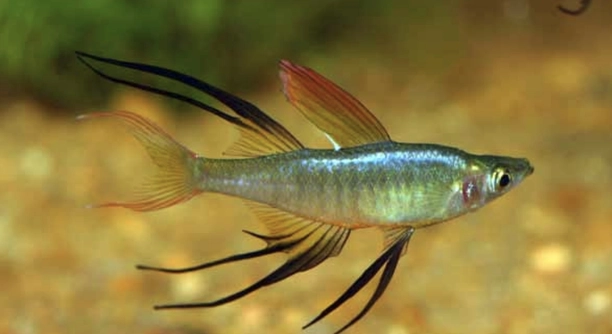
Do you enjoy keeping a variety of freshwater fish in your home aquarium but wonder how different species interact? Threadfin Rainbowfish and Angelfish are popular choices, yet their compatibility can be a concern for many fishkeepers.
Threadfin Rainbowfish can generally coexist with Angelfish if the aquarium is spacious, well-planted, and maintained with stable water parameters. Careful observation is essential to prevent aggression, and juveniles are usually safer to mix than fully grown, territorial Angelfish.
Understanding their behavior and habitat needs can help you maintain a peaceful tank. Proper planning ensures both species thrive together without unnecessary stress.
Understanding Threadfin Rainbowfish Behavior
Threadfin Rainbowfish are peaceful, active swimmers that thrive in groups of five or more. They prefer open swimming spaces with a few plants for hiding. Their temperament is generally calm, which makes them suitable for community tanks. However, they can be startled easily by aggressive or overly territorial tank mates. Maintaining a stable water temperature between 24–28°C and a pH of 6.5–7.5 helps keep them healthy and reduces stress. Feeding a varied diet, including high-quality flakes, small live foods, and frozen options, ensures vibrant colors and active behavior. Observing them closely when introducing new tank mates is essential, as sudden changes can trigger stress-related behaviors. Threadfin Rainbowfish also prefer slightly harder water, which supports their growth and overall vitality. Proper spacing in the tank prevents conflicts and allows them to swim freely. Regular water changes are necessary to maintain clean conditions, preventing disease and supporting long-term well-being.
Their social nature means they rarely display aggression unless overcrowded or stressed.
By monitoring interactions, aquarists can adjust tank conditions to maintain a peaceful environment. Careful planning allows both Rainbowfish and Angelfish to coexist without frequent issues. Attention to diet, water quality, and tank layout is key to success. Understanding their social tendencies helps prevent unnecessary stress and promotes healthy activity levels for all fish in the tank.
Angelfish Temperament and Tank Needs
Angelfish are semi-aggressive, especially when mature.
Angelfish require a taller tank with vertical swimming space, as their bodies are laterally compressed. They thrive in warm water between 24–30°C with a slightly acidic to neutral pH. While generally compatible with peaceful mid- to top-level swimmers, they can become territorial during breeding. Keeping Angelfish in pairs or small groups reduces aggression toward other tank mates, but care is needed when introducing species with similar size or long fins, as nipping can occur. Observing fish behavior during feeding and in hiding spots helps identify potential issues early. Regular tank maintenance and water monitoring are essential to prevent stress, which can exacerbate aggression.
Angelfish will establish territories, especially around plants and decorations.
It is important to create separate zones within the aquarium to reduce confrontations. Adding plenty of hiding spaces and open swimming areas balances territorial instincts and peaceful coexistence. Pairing Angelfish with calm, non-fin-nipping species allows Threadfin Rainbowfish to thrive. Adjusting stocking density, carefully choosing tank mates, and monitoring behavior ensures both species remain healthy and stress-free. Regular observation and proactive intervention help maintain a stable, harmonious aquarium environment where all fish can display natural behaviors without constant conflict.
Tank Setup for Compatibility
A larger tank reduces stress and aggression between Threadfin Rainbowfish and Angelfish. Include tall plants for Angelfish and open swimming space for Rainbowfish. Hiding spots and stable water conditions are essential for peaceful coexistence.
Balancing the tank layout is crucial. Tall plants like Vallisneria or Amazon Swords help Angelfish feel secure, while open areas allow Rainbowfish to swim freely. Driftwood and rocks create natural boundaries, helping minimize territorial disputes. Proper filtration ensures water stays clean, preventing health issues. Maintaining consistent temperature and pH levels supports both species, reducing stress and encouraging natural behaviors. Observing interactions regularly helps identify early signs of aggression or discomfort.
Lighting and substrate also influence behavior. Moderate lighting reduces stress, while a dark substrate can help both species feel secure. Avoid overcrowding, as it increases conflict and limits swimming space. Regular monitoring and minor adjustments in decor or plant placement can maintain balance. Feeding routines should cater to both species, preventing competition over food. With careful planning, the tank can remain harmonious, allowing both Threadfin Rainbowfish and Angelfish to thrive together.
Feeding and Diet Considerations
Threadfin Rainbowfish and Angelfish require high-quality diets. Balanced nutrition prevents stress and promotes vibrant colors.
Rainbowfish enjoy flakes, micro pellets, and occasional live or frozen foods like brine shrimp. Angelfish benefit from similar options, with added protein from small insects or bloodworms. Feeding should occur two to three times daily in small amounts to prevent overeating and maintain water quality. Proper portion control minimizes uneaten food, which can decay and harm water parameters. Variety in diet ensures both species receive essential nutrients, supporting growth and overall health.
Feeding time can influence interactions. Providing food across multiple spots in the tank reduces competition, allowing Rainbowfish to feed freely without being chased by Angelfish. Observing feeding behavior helps ensure all fish receive adequate nutrition. Supplements like spirulina or high-quality flakes enhance coloration, while occasional live food encourages natural hunting instincts. Adjusting diet based on fish size and age is important to meet their nutritional requirements. Careful attention to feeding practices promotes harmony and reduces stress in a mixed-species tank.
Water Quality and Maintenance
Stable water conditions are essential for both Threadfin Rainbowfish and Angelfish. Regular testing of temperature, pH, and hardness helps prevent stress and disease. Consistent water changes maintain a healthy environment for all tank inhabitants.
Filtration should handle the tank’s bioload efficiently. Removing debris and excess waste keeps ammonia and nitrate levels low. Weekly partial water changes of 20–30% support overall fish health. Proper maintenance reduces aggression linked to stress and keeps the aquarium visually appealing.
Introducing New Fish
Introduce new fish gradually to reduce stress. Quarantine new additions for at least two weeks to monitor for illness before adding them to the main tank.
Careful acclimation prevents sudden temperature or pH shocks. Float the bag in the aquarium for 15–20 minutes, then gradually mix tank water over 30–60 minutes. This process allows fish to adjust safely and reduces initial aggression between Angelfish and Rainbowfish. Monitoring closely during the first few days is important to ensure all fish adapt smoothly to their new environment.
Monitoring Behavior
Regular observation is crucial to maintain harmony. Watch for chasing, nipping, or hiding that may indicate stress or aggression.
Adjusting Tank Conditions
Small changes in plant placement, hiding spots, or feeding routines can reduce tension. Minor adjustments often prevent serious conflicts and support a peaceful tank environment.
FAQ
Can Threadfin Rainbowfish and Angelfish be kept together in a community tank?
Yes, they can coexist if the tank is large enough and properly set up. Threadfin Rainbowfish are peaceful and active swimmers, while Angelfish can be semi-aggressive. Providing open swimming space, hiding spots, and plants reduces territorial behavior and prevents stress.
What tank size is suitable for both species?
A tank of at least 55 gallons is recommended. This allows Angelfish to establish territories without crowding Rainbowfish. Taller tanks help Angelfish swim comfortably, and open areas give Rainbowfish room to move in groups. Overcrowding increases aggression and stress for both species.
What water conditions are ideal for a mixed tank?
Both species prefer stable conditions. Maintain a temperature between 24–28°C, pH of 6.5–7.5, and moderate water hardness. Regular water testing ensures parameters remain within the ideal range. Consistent filtration and partial water changes of 20–30% weekly help maintain a healthy environment.
Do Threadfin Rainbowfish need to be kept in groups?
Yes, Rainbowfish are schooling fish and thrive in groups of five or more. Keeping them in a group reduces stress, encourages natural swimming behavior, and helps them feel secure. A group also balances interactions with semi-territorial Angelfish, reducing the chance of chasing.
How should feeding be handled in a mixed-species tank?
Feed multiple locations to prevent competition. Offer a varied diet including flakes, micro pellets, and occasional live or frozen foods like brine shrimp or bloodworms. Feeding small portions multiple times a day ensures all fish receive proper nutrition and reduces food-related stress.
Will Angelfish attack Threadfin Rainbowfish?
Adult Angelfish may show aggression, particularly if the tank is crowded or during breeding. Providing sufficient space, hiding spots, and plants can minimize aggression. Monitoring fish closely after introducing them helps catch early signs of chasing or nipping before serious issues develop.
How do I introduce new fish safely?
Quarantine new fish for at least two weeks to check for disease. Float the bag in the main tank to equalize temperature, then gradually add tank water to acclimate them. Slow introduction reduces stress and prevents sudden aggression between Angelfish and Rainbowfish.
What plants and decorations work best?
Tall plants like Vallisneria or Amazon Swords suit Angelfish, while open swimming areas support Rainbowfish. Driftwood and rocks create boundaries and hiding spaces, reducing territorial disputes. Avoid sharp decorations that may injure fins during interaction.
How often should water changes be done?
Partial water changes of 20–30% weekly are recommended. This keeps ammonia, nitrite, and nitrate levels low, preventing stress and health problems. Consistent maintenance promotes harmony between Angelfish and Rainbowfish, ensuring both species remain active and healthy.
Can juveniles be mixed more easily than adults?
Yes, young Angelfish are less territorial, making it easier to integrate Threadfin Rainbowfish. As Angelfish mature, they may become more aggressive, so careful observation and tank adjustments are necessary to maintain compatibility.
How can I reduce aggression if it occurs?
Rearranging plants, adding hiding spots, or creating separate zones reduces tension. Increasing swimming space and providing multiple feeding areas helps distribute activity. In some cases, separating overly aggressive fish may be necessary to maintain a peaceful environment.
Is diet supplementation necessary?
Occasional supplementation with spirulina, high-quality flakes, or live foods enhances coloration and health. Both species benefit from a varied diet to meet nutritional needs, encouraging growth and natural behaviors. Proper feeding reduces competition and minimizes stress in a mixed-species tank.
What signs indicate stress or illness?
Hiding, fin clamping, lethargy, or loss of appetite are common signs. Early detection allows for intervention before serious health problems develop. Maintaining water quality, proper diet, and observing behavior regularly helps prevent stress-related issues.
Are breeding concerns important in a mixed tank?
Yes, Angelfish can become territorial during spawning, increasing aggression toward Rainbowfish. Providing ample space and hiding areas helps protect smaller or peaceful fish. Removing eggs or separating breeding pairs can prevent conflicts and ensure tank stability.
Can both species thrive long-term together?
Yes, with careful planning and monitoring. Stable water parameters, proper tank setup, balanced diet, and observation of behavior are key. Regular maintenance and minor adjustments keep the tank peaceful, allowing both Threadfin Rainbowfish and Angelfish to thrive harmoniously.
How do I monitor compatibility over time?
Observe feeding behavior, swimming patterns, and interactions daily. Early signs of aggression or stress can be addressed by rearranging the tank, adding hiding spots, or adjusting stocking density. Consistent monitoring ensures long-term success and a balanced environment.
What common mistakes should be avoided?
Overcrowding, poor water quality, limited hiding spots, and improper feeding are major issues. Ignoring territorial behavior of Angelfish or failing to acclimate new fish can lead to aggression and stress. Preventing these mistakes maintains harmony and health for both species.
How important is tank decor in compatibility?
Decorations create boundaries, hiding spots, and open swimming areas. Proper placement reduces confrontations and supports natural behavior. Avoid sharp or restrictive items, and adjust decor as fish grow to maintain a stable and stress-free environment.
Can mixed-species tanks be stressful for beginners?
Yes, monitoring water quality, behavior, and diet requires attention. However, with proper planning and care, Threadfin Rainbowfish and Angelfish can coexist peacefully. Understanding species needs and adjusting the tank setup ensures a manageable and rewarding aquarium experience.
What’s the best approach for long-term harmony?
Consistent observation, balanced diet, adequate space, and proper maintenance are essential. Making small adjustments when needed, along with providing hiding spots and open swimming areas, promotes peaceful coexistence and supports the health and well-being of both Threadfin Rainbowfish and Angelfish.
Are there alternative tank mates for Angelfish if Rainbowfish are unsuitable?
Peaceful mid-level swimmers like Corydoras, Gouramis, or certain Tetras can be compatible. Avoid overly aggressive or fin-nipping species. Choosing appropriate tank mates ensures Angelfish remain healthy while maintaining a calm and harmonious environment.
How does tank lighting affect compatibility?
Moderate lighting reduces stress, supports plant growth, and helps both species feel secure. Bright or inconsistent lighting can trigger hiding or aggression. Proper lighting balances visibility and comfort, contributing to a stable and harmonious aquarium.
What role does water flow play in the tank?
Rainbowfish prefer moderate current for swimming, while Angelfish appreciate calmer areas. Adjusting filter output and creating zones with plants or decor balances water flow, allowing both species to coexist comfortably without stress.
How often should I check fish health?
Daily observation of activity, appetite, and interaction is ideal. Weekly water testing and routine maintenance help prevent problems before they escalate. Early detection and intervention are key to maintaining a thriving mixed-species tank.
What are the benefits of keeping these species together?
A well-planned tank allows active Rainbowfish and graceful Angelfish to coexist, creating visual appeal and dynamic behavior. When managed correctly, both species display natural behavior and vibrant colors, enhancing the aquarium’s overall aesthetic.
Can compatibility change as fish age?
Yes, Angelfish may become more territorial, and Rainbowfish may become stressed if swimming space is limited. Monitoring and adjusting tank conditions over time ensures ongoing harmony and reduces long-term conflict.
How do I balance aggression and activity levels?
Provide open swimming areas for Rainbowfish and vertical spaces for Angelfish. Use plants and decorations to create boundaries, and distribute food across the tank. This balance minimizes stress and supports healthy interaction between species.
Is it possible to keep a breeding pair of Angelfish with Rainbowfish?
It is possible, but care is needed. Breeding Angelfish become highly territorial. Adding extra hiding spaces and maintaining distance can reduce aggression. Observing behavior closely and separating eggs or fry may be necessary to protect Rainbowfish and maintain tank peace.
Can water hardness affect compatibility?
Yes, both species prefer slightly harder water, which supports Rainbowfish growth and Angelfish health. Stable water parameters reduce stress and aggression, ensuring both species remain active and vibrant. Regular testing helps maintain suitable hardness levels.
What are signs that a tank adjustment is needed?
Chasing, fin nipping, hiding, or uneven feeding indicates stress or imbalance. Adjusting plants, decorations, feeding locations, or tank size can restore harmony and reduce aggression. Early intervention prevents long-term problems.
How do I manage different swimming levels in the tank?
Rainbowfish often swim mid- to upper levels, while Angelfish occupy mid- to top levels. Providing vertical and open spaces ensures both species have room to swim without conflict, maintaining a calm environment.
Are there any specific health risks in a mixed tank?
Stress from aggression, poor water quality, or overfeeding can lead to disease. Maintaining stable conditions, proper diet, and monitoring interactions minimizes health risks and promotes long-term survival for both species.
What is the best way to monitor growth and behavior?
Regularly check size, coloration, swimming patterns, and interactions. Note any changes that could indicate stress or aggression. Consistent observation allows timely adjustments to tank conditions and stocking levels.
How do I handle unexpected aggression?
Rearranging plants, adding hiding spots, or temporarily separating aggressive fish can restore peace. Monitoring and proactive adjustments prevent escalation and protect the health and well-being of all tank inhabitants.
Can Threadfin Rainbowfish adapt to different tank mates?
Yes, they are generally peaceful and adapt to calm species. Avoid aggressive or fin-nipping fish to prevent stress. Proper tank setup and monitoring ensure Rainbowfish thrive with compatible species.
How important is temperature consistency?
Fluctuations can stress both species, leading to illness or aggression. Maintain stable temperatures with a reliable heater and thermometer. Consistency promotes health, activity, and harmonious interactions between Angelfish and Rainbowfish.
Do I need separate feeding areas for juveniles and adults?
Yes, especially when Angelfish are mature. Providing multiple feeding spots prevents competition and ensures all fish receive proper nutrition. This supports growth and reduces stress-related conflicts in a mixed-species tank.
How often should I rearrange tank decorations?
Rearrangements should be minimal and gradual. Doing so occasionally can reduce territorial disputes and refresh swimming paths. Avoid sudden changes, which may cause stress or aggression. Monitoring fish reactions helps determine when adjustments are necessary.
Can both species thrive in slightly acidic water?
Yes, both tolerate pH 6.5–7.0 well. Stable pH reduces stress and supports natural behaviors. Sudden shifts in acidity should be avoided to maintain health and harmony.
What is the ideal group size for Rainbowfish in a mixed tank?
A group of five to seven Rainbowfish works well. This provides social interaction and reduces stress while ensuring Angelfish do not dominate or chase individual fish. Proper stocking balances activity and territorial behavior.
Are there any long-term behavioral changes to expect?
Angelfish may become more territorial over time, and Rainbowfish may adjust swimming patterns to avoid conflict. Maintaining space, hiding spots, and monitoring behavior helps sustain harmony and reduces stress.
How do I know if my tank is well-balanced?
Active swimming, proper feeding, vibrant coloration, and minimal aggression indicate a balanced tank. Regular observation and timely adjustments ensure both Threadfin Rainbowfish and Angelfish coexist peacefully for the long term.
Can both species live together in smaller tanks?
Smaller tanks increase stress, aggression, and territorial disputes. A minimum of 55 gallons is recommended. Adequate space ensures both species can swim freely and reduces conflict, supporting long-term health and well-being.
How important is consistent observation?
Daily monitoring helps detect early signs of stress, aggression, or illness. Early intervention and minor adjustments maintain harmony, ensuring both species remain healthy, active, and stress-free in a mixed-species tank.
What is the key to long-term success?
Stable water conditions, proper tank setup, balanced diet, observation, and careful planning. Attention to these factors ensures Threadfin Rainbowfish and Angelfish thrive together without conflict, providing a harmonious and visually appealing aquarium.
Keeping Threadfin Rainbowfish with Angelfish is possible, but it requires careful planning and attention to their needs. Both species have unique behaviors and preferences that must be considered to maintain a peaceful tank. Threadfin Rainbowfish are active, schooling fish that enjoy open swimming spaces and slightly harder water. Angelfish are semi-aggressive, especially as they mature, and prefer taller tanks with vertical swimming areas. Understanding these differences helps aquarists set up a tank that allows both species to coexist comfortably. By providing sufficient space, hiding spots, and plants, it is possible to reduce stress and aggression between the two species. A well-planned tank layout also encourages natural behavior, letting each species thrive without feeling threatened. Observing interactions during the first few weeks is essential to ensure harmony.
Water quality and maintenance play a crucial role in the long-term health of both Threadfin Rainbowfish and Angelfish. Regular testing of temperature, pH, and hardness helps prevent stress-related issues and promotes overall well-being. Partial water changes of 20–30% weekly maintain clean water and prevent the buildup of harmful substances like ammonia and nitrites. Filtration should match the tank’s bioload, ensuring that waste is effectively removed. Stable water conditions reduce aggression and help fish display natural behaviors. Feeding is also important in maintaining harmony. Offering a varied diet, including flakes, micro pellets, and occasional live or frozen foods, ensures both species receive proper nutrition. Distributing food in multiple locations prevents competition and reduces the chances of stress or chasing during mealtime. Proper feeding routines and consistent water maintenance together create a balanced environment where both species can thrive.
Behavioral monitoring is another key factor in maintaining a peaceful mixed-species tank. Regular observation allows aquarists to identify early signs of stress or aggression, such as hiding, chasing, or fin nipping. Adjustments to tank decor, plant placement, or feeding areas can reduce tension and prevent serious conflicts. Juvenile Angelfish are easier to mix with Threadfin Rainbowfish, but mature Angelfish may require more careful monitoring due to their territorial tendencies. Minor changes, like adding hiding spots or rearranging decorations, can make a significant difference in maintaining balance. Over time, attention to these details ensures that both species remain active, healthy, and stress-free. When approached with care and consistency, keeping Threadfin Rainbowfish and Angelfish together can be a rewarding experience, allowing both species to flourish while creating a visually appealing and harmonious aquarium environment.

Hello,
If you enjoy the content that we create, please consider saying a "Thank You!" by leaving a tip.
Every little bit helps us continue crafting quality advice that supports the health, happiness, and well-being of pets around the world, for pets of all shapes, sizes, and species.
We really appreciate the kindness and support that you show us!