
Do you ever find yourself arranging a peaceful freshwater aquarium and wondering how to balance colorful fish with delicate invertebrates? Maintaining harmony between species can be rewarding but requires careful consideration of behaviors and tank dynamics.
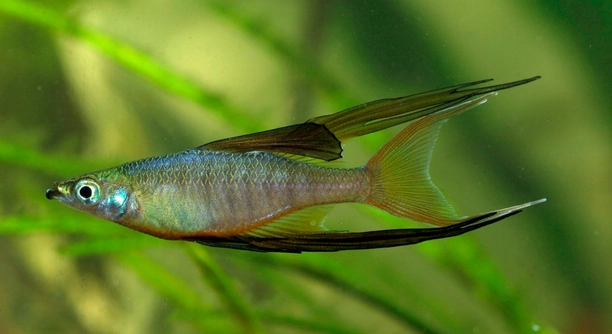
Threadfin Rainbowfish can coexist with shrimp under controlled conditions, but careful attention is required. The fish’s semi-aggressive tendencies and active swimming may stress or consume smaller shrimp species, making tank size, hiding places, and shrimp species selection critical factors for compatibility.
Understanding these interactions helps ensure both fish and shrimp thrive. Proper planning and monitoring create a harmonious aquatic environment for all inhabitants.
Understanding Threadfin Rainbowfish Behavior
Threadfin Rainbowfish are active swimmers that prefer open spaces and moderate currents in their aquarium. They are generally peaceful with other fish of similar size, but their curiosity and speed can stress slower or smaller tank mates like shrimp. Observing their interactions closely is important.
Providing hiding spaces such as plants, rocks, or caves helps shrimp feel secure. The more cover you offer, the less likely the fish will bother them, allowing both species to coexist peacefully.
Water quality also plays a significant role in their behavior. Rainbowfish thrive in clean, well-oxygenated water with stable parameters, which also benefits shrimp. Regular water changes, careful feeding, and monitoring ammonia, nitrite, and nitrate levels ensure the tank remains safe. Overcrowding should be avoided, as limited space increases stress and can lead to aggressive behavior. Using dense vegetation along the aquarium edges allows shrimp to hide effectively while giving rainbowfish room to swim freely. Proper tank management ensures both species thrive together safely.
Ideal Tank Setup for Coexistence
Creating a suitable habitat requires attention to space, plants, and hiding spots for both fish and shrimp.
A tank of at least 30 gallons is recommended for Threadfin Rainbowfish with shrimp to provide sufficient swimming room. Dense plants like Java moss or floating varieties allow shrimp to hide while reducing direct encounters with the fish. Driftwood and rocks create additional shelters. Substrate choice matters, as shrimp often forage at the bottom; a fine gravel or sand substrate works best. Lighting should be moderate to encourage plant growth without stressing the fish. Temperature and pH stability are essential, as sudden changes can trigger aggressive behavior in rainbowfish and stress in shrimp. Feeding should be balanced—rainbowfish flakes or pellets combined with occasional live foods help satisfy their active metabolism, while shrimp benefit from algae wafers or biofilm growth. Proper tank setup minimizes stress, promotes natural behaviors, and ensures a harmonious environment for both species over the long term.
Feeding Considerations
Threadfin Rainbowfish are active feeders, often outcompeting smaller species for food.
To prevent shrimp from being underfed, offer sinking foods and scatter feeding areas. Supplement the diet with algae wafers or blanched vegetables, ensuring shrimp can graze without interference. Feeding multiple times a day in small amounts helps maintain balance.
Avoid overfeeding, as leftover food can decompose and degrade water quality, affecting both fish and shrimp. Observe how the fish and shrimp interact during feeding and adjust portions accordingly. Feeding should support growth for rainbowfish while keeping shrimp healthy, promoting peaceful coexistence and minimizing stress in the tank environment.
Shrimp Species Compatibility
Some shrimp species tolerate active fish better than others.
Larger or more robust shrimp like Amano or Cherry shrimp are better suited to coexist with Threadfin Rainbowfish. Smaller, more delicate species may be eaten or stressed, leading to population decline. Dense plant coverage enhances safety.
Behavioral observations are key. Even compatible shrimp need adequate hiding spots to reduce stress. Monitor interactions regularly, noting any signs of predation or harassment. Adjust the tank environment if necessary by increasing cover or temporarily separating species. Choosing hardy shrimp and providing proper shelter ensures the aquarium remains balanced and both species thrive together.
Tank Maintenance Tips
Regular water changes are crucial to keep both Threadfin Rainbowfish and shrimp healthy.
Cleaning the substrate gently prevents debris buildup without disturbing shrimp. Maintaining stable water parameters reduces stress and supports natural behavior in both species.
Hiding Spots and Decorations
Providing ample hiding spots reduces stress for shrimp and encourages natural activity in rainbowfish. Dense plants, rocks, and driftwood give shrimp secure areas and create visual boundaries that minimize conflicts.
Monitoring Health
Observe both species daily for signs of stress, disease, or injury. Early detection allows quick intervention, ensuring a balanced and thriving tank environment.
Temperature and Water Parameters
Threadfin Rainbowfish thrive in slightly warmer water, around 24–28°C, with neutral pH. Stable temperatures prevent stress for shrimp, which are sensitive to fluctuations and sudden changes in water chemistry.
FAQ
Can Threadfin Rainbowfish and shrimp live together peacefully?
Yes, they can coexist under the right conditions. Threadfin Rainbowfish are active but not overly aggressive, and shrimp can thrive if provided with plenty of hiding spaces, dense plants, and secure areas where fish cannot reach. Tank size and population density also play a key role in reducing stress and aggression.
Which shrimp species are safest with Threadfin Rainbowfish?
Hardy species like Amano shrimp, Cherry shrimp, and Ghost shrimp are the best choices. Smaller or more delicate species may be at risk of being eaten. Providing live plants, moss, and driftwood helps protect shrimp while allowing rainbowfish to swim freely.
How should I feed fish and shrimp together?
Feed rainbowfish flakes, pellets, or occasional live foods in multiple small portions. For shrimp, provide algae wafers, blanched vegetables, or sinking foods in separate areas to ensure they get proper nutrition. Monitoring feeding behavior helps prevent competition and stress.
What tank size is recommended?
A minimum of 30 gallons is advised when housing Threadfin Rainbowfish with shrimp. Larger tanks provide sufficient swimming space for fish and safe zones for shrimp. Crowding increases stress, aggressive behavior, and the likelihood of shrimp being eaten.
How important are hiding places for shrimp?
Hiding spots are essential. Dense plants, moss, driftwood, and rocks create secure areas for shrimp to escape fish. Even hardy shrimp feel safer with cover. Proper decoration reduces stress, encourages natural behavior, and prevents predation.
Do water parameters matter?
Absolutely. Rainbowfish prefer neutral pH and slightly warm water around 24–28°C. Sudden changes in temperature, pH, or ammonia levels can stress both fish and shrimp. Regular monitoring and water changes are critical to maintain a stable environment.
Can breeding shrimp survive with Threadfin Rainbowfish?
Breeding shrimp, especially juveniles, are vulnerable. Dense planting, moss, and specialized shrimp nurseries can help protect them. Adult rainbowfish are less likely to eat larger shrimp, but fry and baby shrimp require careful attention and hiding spots.
How often should I monitor the tank?
Daily observation is recommended. Check for aggression, signs of stress, and leftover food that can foul water. Quick action prevents health issues and ensures both species remain healthy and active.
What is the best substrate for shrimp?
A fine gravel or sand substrate works best. Shrimp forage at the bottom, and smooth substrates prevent injury. Substrate choice also supports plant growth, which benefits hiding areas and natural biofilm for shrimp feeding.
Can overcrowding affect coexistence?
Yes, overcrowding increases stress, aggression, and competition for food. Maintaining proper stocking levels for both fish and shrimp is crucial. Adequate space allows rainbowfish to swim actively while providing shrimp enough safe areas to forage and hide comfortably.
Are Threadfin Rainbowfish aggressive during feeding?
They can be fast and competitive eaters, occasionally outcompeting shrimp. Providing multiple feeding areas, sinking foods, and supplementary meals ensures that shrimp are not deprived of nutrition. Observation helps adjust feeding habits and maintain a balanced tank environment.
How do I prevent shrimp from being eaten?
Increase plant density and add driftwood, rocks, or moss. Choose hardy species, ensure the tank is large enough, and provide multiple hiding spots. Observation and adjustment of fish numbers also reduce predation risks.
Can I keep other fish with this combination?
Peaceful, similarly sized species can coexist. Avoid aggressive or large predatory fish that may target shrimp. Planning tank mates carefully ensures a stable environment and reduces stress for all inhabitants.
How do I maintain long-term harmony?
Consistent water changes, balanced feeding, hiding places, and regular observation are key. Adjusting conditions as needed and selecting compatible shrimp species ensures both Threadfin Rainbowfish and shrimp thrive together for the long term.
Is lighting important for shrimp safety?
Moderate lighting supports plant growth and provides shaded areas for shrimp. Avoid overly bright lights that stress shrimp. Floating plants and dense foliage create natural hiding spots while still allowing rainbowfish to display their vibrant colors.
What signs indicate stress in shrimp?
Shrimp that hide constantly, move slowly, or lose color may be stressed. Stress can result from aggressive fish, poor water quality, or insufficient hiding spots. Early detection allows adjustments to the tank environment, preventing illness or death.
Do I need to separate shrimp during fish feeding?
Not necessarily if hiding spots and multiple feeding areas are provided. Separation may be required temporarily for juvenile or delicate shrimp to prevent being outcompeted or eaten. Observation helps determine if intervention is needed.
Can breeding Threadfin Rainbowfish affect shrimp?
During spawning, rainbowfish may become more active or slightly territorial, which can stress shrimp. Providing ample hiding spaces and maintaining water quality ensures shrimp safety during breeding periods. Adjusting tank layout can reduce interactions and stress.
How do I clean the tank without harming shrimp?
Perform gentle substrate cleaning, avoid strong currents, and remove debris carefully. Use a siphon near fish areas while leaving shrimp undisturbed. Water changes should be gradual to prevent sudden parameter shifts, maintaining a safe environment for both species.
What plants work best for shrimp safety?
Java moss, Anubias, floating plants, and dense carpeting plants provide excellent shelter. These plants offer grazing surfaces, hiding spots, and break lines of sight, reducing stress and protecting shrimp from active rainbowfish.
How often should water be tested?
Weekly testing for ammonia, nitrites, nitrates, pH, and temperature is recommended. Shrimp are sensitive to poor water conditions, and rainbowfish require stable parameters. Regular testing prevents sudden changes that could harm either species.
Can I keep juvenile shrimp with adult rainbowfish?
Juvenile shrimp are vulnerable and require dense planting or specialized nurseries. Adult rainbowfish are less likely to eat fully grown shrimp, but monitoring young shrimp is essential to ensure survival and reduce predation risks.
Is filtration important for coexistence?
Yes, a stable, gentle filtration system maintains water quality without creating strong currents that stress shrimp. Balanced filtration supports healthy biofilm growth for shrimp and ensures clean water for rainbowfish activity.
Do hiding spots influence fish aggression?
Providing visual barriers and hiding areas reduces aggression. Rainbowfish have more space to swim and are less likely to chase shrimp when dense plants and decorations break lines of sight and allow for separate activity zones.
How do I encourage shrimp to explore safely?
Gradually introduce them to open areas with plenty of cover nearby. Dense plants, moss, and driftwood allow shrimp to forage while retreating quickly if rainbowfish approach, fostering natural behavior without risking predation.
Can I mix different shrimp species?
Yes, if they have similar size and temperament. Avoid mixing fragile species with active shrimp or those that may compete aggressively for food. Compatibility ensures all shrimp species can thrive in the same tank with rainbowfish.
Are water changes stressful for shrimp?
Not if done gradually. Replacing 20–25% of water weekly prevents sudden changes in temperature or parameters. Sudden large changes can stress shrimp and rainbowfish, so consistency is key for a healthy, harmonious tank.
Do rainbowfish ever eat shrimp despite precautions?
Occasionally, especially small or juvenile shrimp may be targeted. Maintaining dense hiding spaces, feeding properly, and choosing hardy species reduces risks but does not eliminate occasional predation entirely. Observation helps manage interactions effectively.
Can I breed shrimp successfully with rainbowfish in the same tank?
Yes, if there is sufficient cover and moss for baby shrimp to hide. Dense plants, driftwood, and multiple layers of shelter improve survival rates for juveniles while adults coexist peacefully with rainbowfish.
How can I spot aggressive behavior early?
Chasing, nipping, or stressing shrimp indicates aggression. Reducing stocking density, adding more hiding spaces, and adjusting feeding areas help mitigate aggression before it impacts shrimp health.
Is tank size the only factor in coexistence?
No, tank layout, hiding spaces, water quality, feeding practices, and species selection all influence coexistence. A well-planned environment with adequate cover and stable conditions ensures harmony between rainbowfish and shrimp.
Can Threadfin Rainbowfish become more aggressive over time?
They may show increased activity or territorial behavior as they mature. Maintaining ample space, consistent water parameters, and hiding areas ensures shrimp safety and reduces stress for all tank inhabitants.
How do I prevent disease in a mixed tank?
Quarantine new shrimp and fish before introduction, maintain clean water, and avoid overfeeding. Regular monitoring for signs of illness allows prompt treatment, ensuring both rainbowfish and shrimp remain healthy.
What are signs of a thriving tank?
Active, healthy fish, visible shrimp grazing, clear water, and abundant plant growth indicate a balanced tank. Both species should exhibit normal behavior with minimal stress or predation.
Can I add other invertebrates?
Yes, snails or other hardy invertebrates can coexist if they are not small enough to be eaten. Ensure adequate space and food distribution to maintain harmony with rainbowfish and shrimp.
How do I balance light for both species?
Moderate lighting encourages plant growth while providing shaded areas for shrimp. Floating plants or dense foliage allow shrimp to hide and forage safely, while rainbowfish continue swimming actively and displaying their colors.
Are Threadfin Rainbowfish easy to manage with shrimp?
With proper planning, yes. Selecting hardy shrimp, providing hiding spots, maintaining water quality, and monitoring interactions ensures both species thrive together. Attention to detail and observation are key for successful coexistence.
Can tank decorations impact shrimp survival?
Yes, decorations like moss, plants, and driftwood create hiding spots and reduce stress. Open spaces allow rainbowfish to swim freely without constantly chasing shrimp, promoting coexistence and natural behaviors.
Do water changes influence aggression?
Stable water parameters reduce aggression in rainbowfish and stress in shrimp. Sudden changes may trigger chasing, hiding, or nipping. Consistent maintenance ensures both species remain calm and healthy.
How long does it take for shrimp to acclimate?
Shrimp usually adapt within a few days to a week if adequate hiding spaces and gentle conditions are provided. Observing early interactions with rainbowfish helps prevent stress and predation.
Is it necessary to remove uneaten food?
Yes, leftover food can pollute water, promote algae overgrowth, and stress both species. Remove debris after feeding, especially from the substrate, to maintain healthy water conditions for rainbowfish and shrimp.
Can I keep juvenile fish with adult shrimp?
Juvenile rainbowfish are less likely to harm adult shrimp if hiding spots are provided. Monitoring is necessary during the early stages to prevent accidental predation and ensure both species adapt safely.
What is the best way to introduce shrimp to an established rainbowfish tank?
Acclimate shrimp slowly using drip methods and release them near plants or moss. Dense cover reduces immediate stress, allowing shrimp to explore safely while rainbowfish adjust to the new tankmates.
Do rainbowfish eat shrimp eggs?
Yes, small eggs or larvae may be eaten. Providing moss or other dense surfaces for egg-laying helps protect offspring, ensuring better survival rates for shrimp reproduction.
Are there special considerations for breeding shrimp in a mixed tank?
Yes, provide multiple hiding areas, dense moss, and stable water parameters. Juveniles should have secure refuges to survive while adults coexist with rainbowfish. Observation ensures proper growth and minimal predation.
How do I maintain water quality long-term?
Regular partial water changes, gentle filtration, and avoiding overcrowding are essential. Monitoring ammonia, nitrite, nitrate, pH, and temperature ensures a healthy environment for both rainbowfish and shrimp, preventing stress and disease.
Can Threadfin Rainbowfish coexist with multiple shrimp species?
Yes, as long as the shrimp are hardy and of similar size. Dense plant coverage, proper feeding, and monitoring interactions ensure both species can thrive without conflict.
What should I do if aggression occurs?
Increase hiding spaces, reduce stocking density, and monitor feeding behavior. In extreme cases, temporarily separating fish or shrimp may be necessary to prevent injury or stress.
Do plants help both species thrive?
Yes, plants provide hiding spots for shrimp, surfaces for grazing, and help maintain water quality. Rainbowfish benefit from visual barriers and natural enrichment, promoting active behavior and peaceful coexistence.
How often should I inspect shrimp and rainbowfish?
Daily observation is ideal. Watch for stress, disease, or unusual behavior. Prompt intervention ensures a balanced, healthy tank environment where both species can thrive together.
Is it safe to keep other small fish with this combination?
Yes, peaceful species of similar size work well. Avoid aggressive or predatory fish that could target shrimp. Proper planning and observation maintain harmony.
How do I know if shrimp are thriving?
Active foraging, healthy coloration, molting regularly, and exploring the tank indicate well-being. Stress or hiding constantly suggests environmental adjustments are needed.
Can I use chemical treatments in a mixed tank?
Only if safe for both rainbowfish and shrimp. Many treatments can harm invertebrates, so check compatibility carefully. Natural remedies or quarantine tanks are often safer alternatives.
How do I maintain harmony during breeding periods?
Provide extra hiding spaces, dense plants, and careful feeding. Monitor interactions closely and separate juveniles if necessary. Proper planning ensures both species continue thriving without conflict during breeding cycles.
Can shrimp survive without hiding spots?
They may survive temporarily, but stress, injury, or predation risk increases significantly. Hiding spaces are essential for their safety and well-being in a mixed tank with active fish.
Are there signs of aggression in rainbowfish toward shrimp?
Frequent chasing, nipping, or cornering shrimp indicates aggression. Adjusting decorations, adding plants, or redistributing food often mitigates these behaviors, ensuring peaceful coexistence.
Do Threadfin Rainbowfish stress shrimp during molting?
Yes, molting shrimp are vulnerable. Extra hiding spaces, moss, or temporary separation during molting reduces predation risk and ensures successful growth cycles.
Can juvenile rainbowfish coexist with adult shrimp safely?
Yes, they are less likely to harm adult shrimp. Providing hiding spots and monitoring interactions during early stages ensures both species adapt safely.
How do I maintain long-term harmony in the tank?
Stable water parameters, proper feeding, dense hiding spots, and regular observation are key. Adjustments based on behavior and growth maintain a balanced environment for both species over time.
Can I keep other invertebrates safely with rainbowfish and shrimp?
Yes, hardy snails and similar invertebrates can coexist if they are large enough to avoid predation. Provide sufficient food and hiding areas to support all species.
Is observation more important than tank size?
Both matter. While tank size provides swimming and hiding space, observation allows timely intervention if stress or aggression occurs. Both ensure a safe and balanced environment.
Do rainbowfish ever ignore shrimp?
Often, yes. With adequate hiding spots, proper feeding, and sufficient space, rainbowfish focus on swimming and exploring rather than chasing shrimp, allowing peaceful coexistence.
What is the overall success rate of keeping these species together?
With careful planning, proper tank setup, and attentive maintenance, success is high. Hardier shrimp species, ample cover, and stable water parameters increase survival and reduce stress for both species.
Can shrimp reproduce successfully in the presence of rainbowfish?
Yes, if adequate hiding spaces are provided for eggs and juveniles. Dense plants and moss improve survival rates while adults coexist with active rainbowfish.
How important is plant density for coexistence?
Very important. Dense plants provide hiding spots, reduce line-of-sight interactions, and allow shrimp to forage safely. Rainbowfish benefit from open swimming areas with visual barriers to reduce stress.
Do rainbowfish ever target adult shrimp?
Occasionally, but hardy adult shrimp usually avoid predation if hiding spaces are available. Monitoring interactions ensures minimal risk and peaceful coexistence.
Are slow-moving shrimp at higher risk?
Yes, they are more vulnerable to chasing or predation. Providing dense cover, moss, and multiple hiding spots mitigates this risk and allows them to forage safely.
Can I mix multiple shrimp colors?
Yes, as long as species are compatible and hardy. Dense plants and hiding spots ensure all shrimp thrive, regardless of coloration, alongside active rainbowfish.
How do I protect shrimp during feeding?
Scatter food, provide separate feeding areas, and use sinking foods for shrimp. Observation ensures both species eat properly without competition or stress.
Do rainbowfish change behavior over time with shrimp?
They may become more relaxed as they adapt, particularly if hiding spaces and proper feeding are consistently provided. Monitoring ensures coexistence remains peaceful.
Are floating plants beneficial?
Yes, they provide shade, hiding areas, and surfaces for biofilm growth. Shrimp feel secure while rainbowfish enjoy open swimming space, promoting a balanced tank environment.
Can I keep shrimp with juvenile fish only?
Yes, if hiding spots are available. Juvenile fish are less likely to harm adult shrimp, but observation ensures safe adaptation and coexistence.
How does feeding frequency affect coexistence?
Multiple small feedings reduce competition and stress. Shrimp can access food safely while rainbowfish maintain their active feeding habits, supporting balanced growth for both species.
Do hiding spots reduce stress for both species?
Yes, they allow shrimp to retreat and rainbowfish to swim freely, reducing aggressive interactions and promoting natural behavior for all tank inhabitants.
Can algae growth benefit shrimp?
Yes, algae provide grazing surfaces and supplement nutrition. Dense plants support algae growth while giving shrimp hiding spots and enhancing tank biodiversity.
Is water flow a concern for shrimp?
Yes, strong currents stress shrimp. Gentle filtration supports water quality without disturbing shrimp, allowing safe foraging and reducing stress for both species.
Can substrate type influence shrimp survival?
Yes, fine gravel or sand supports foraging and prevents injury. Substrate also aids plant growth, offering additional cover and hiding spots for shrimp while rainbowfish swim above.
Are shrimp sensitive to pH changes?
Yes, rapid shifts in pH can stress or kill shrimp. Maintaining stable, neutral parameters ensures safe coexistence with rainbowfish, supporting long-term health and activity.
Do rainbowfish ever chase shrimp unnecessarily?
Occasionally, especially if shrimp move quickly or occupy open areas. Adequate hiding spaces, plant density, and multiple feeding zones reduce chasing and stress for shrimp.
Can I use moss to protect juvenile shrimp?
Yes, moss provides excellent shelter and grazing areas for juveniles, improving survival rates while rainbowfish continue active swimming without interference.
Do floating plants reduce aggression?
Yes, they break sight lines and provide shaded areas, decreasing chasing behavior and stress for shrimp while allowing rainbowfish to swim freely.
How long does it take for a balanced tank to stabilize?
Typically a few weeks after introducing both species. Observation, hiding spaces, and proper feeding help establish a stable environment where both shrimp and rainbowfish thrive.
**Are juvenile shrimp more vulnerable
Final Thoughts
Keeping Threadfin Rainbowfish with shrimp can be a rewarding experience when done carefully. These fish are active swimmers and can sometimes stress smaller or slower tank mates, so creating a balanced environment is essential. Providing ample hiding spaces, dense plants, moss, driftwood, and rocks allows shrimp to retreat when needed. Hardier shrimp species like Amano, Cherry, or Ghost shrimp are the safest choices for coexistence, as they are more likely to survive alongside active rainbowfish. Juvenile shrimp and smaller species are particularly vulnerable, so ensuring that there are secure shelters and multiple layers of cover is critical. A properly arranged tank allows the rainbowfish to swim freely without constantly disturbing the shrimp, while the shrimp can forage, graze, and move about safely. Observation is key; noticing any signs of aggression, stress, or unusual behavior early on allows adjustments before serious issues arise.
Water quality plays a significant role in the success of a mixed tank. Both rainbowfish and shrimp are sensitive to sudden changes in temperature, pH, ammonia, nitrites, or nitrates. Maintaining stable water conditions through regular testing, gentle filtration, and consistent partial water changes ensures a healthy environment for both species. Overfeeding should be avoided, as leftover food can pollute the water and increase stress or aggression. Feeding strategies should consider both species: scattering flakes, pellets, or live foods for rainbowfish while providing sinking foods, algae wafers, or blanched vegetables for shrimp. Multiple small feedings help prevent competition, ensuring that all inhabitants receive proper nutrition. A stable and well-maintained tank reduces stress, supports growth, and promotes natural behaviors in both rainbowfish and shrimp.
The long-term success of keeping Threadfin Rainbowfish with shrimp depends on careful planning and consistent maintenance. Choosing compatible shrimp, providing secure hiding spots, and monitoring daily interactions are essential steps. Tank size should be sufficient to allow rainbowfish ample swimming space while giving shrimp areas to explore safely. During breeding periods, extra care is required to protect juvenile shrimp and eggs, and temporary separation may sometimes be necessary. Dense planting, floating plants, and driftwood not only provide cover but also enrich the environment for both species, promoting activity and reducing stress. Observing the tank closely allows adjustments to feeding, decorations, and population levels as needed. With patience, attention to detail, and a well-thought-out setup, Threadfin Rainbowfish and shrimp can coexist successfully, creating a balanced and lively aquarium where both species thrive together.

Hello,
If you enjoy the content that we create, please consider saying a "Thank You!" by leaving a tip.
Every little bit helps us continue crafting quality advice that supports the health, happiness, and well-being of pets around the world, for pets of all shapes, sizes, and species.
We really appreciate the kindness and support that you show us!