
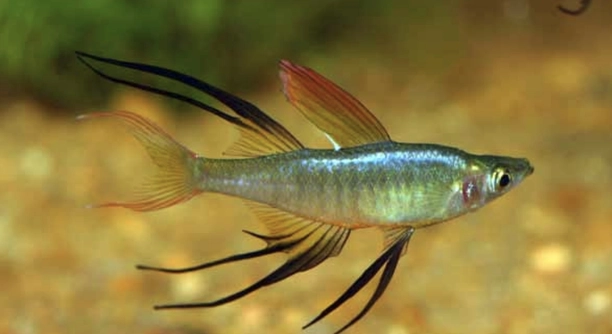
Have you ever noticed your Threadfin Rainbowfish swimming slowly in an empty tank and wondered if they feel restless or lonely? These small, colorful fish are lively by nature, and their environment can greatly influence their behavior. Observing their daily habits reveals much about their comfort and stimulation needs.
Threadfin Rainbowfish can become easily bored in empty tanks due to lack of environmental enrichment. Minimal decor, absence of hiding spots, and insufficient interaction with other fish can lead to reduced activity and signs of stress, negatively affecting their wellbeing.
Providing varied decorations and social companions helps maintain healthy, active behavior. Small changes in the tank setup can significantly improve their quality of life and overall happiness.
Signs of Boredom in Threadfin Rainbowfish
When I first noticed my Threadfin Rainbowfish spending long periods near the tank glass, I realized they might be bored. Common signs include swimming in repetitive patterns, staying motionless for long stretches, and losing their usual vibrant colors. Some fish may even hide constantly, avoiding interaction with their surroundings. Boredom can cause stress, which affects appetite and immunity, making them more prone to disease. Adding even small features like plants, rocks, or driftwood can encourage exploration and natural behaviors. Watching them interact with new items often reveals a burst of curiosity and energy that is otherwise absent in an empty tank. The environment is crucial to keeping them active, healthy, and visually striking.
Observing these behaviors early allows you to improve their living conditions before stress impacts their health.
Creating a stimulating environment requires attention to detail. Plants should vary in height and density, hiding spots should be accessible but not overcrowding the tank, and open swimming areas are essential for exercise. Adding floating plants, small caves, or gentle water currents encourages natural movement and exploration. Interacting with them through feeding routines and gentle observation can also provide mental stimulation. A tank with a mix of structures and open spaces not only reduces boredom but also helps establish a sense of security, which makes them more confident. Regularly rotating decorations or introducing new objects keeps their environment fresh and engaging, preventing monotony.
Tank Enhancements That Help
Small changes in the tank setup can make a big difference.
Adding plants, rocks, and visual barriers creates interest and encourages natural behaviors. Artificial decorations can complement live plants if maintained properly.
Introducing live or artificial plants, driftwood, and rocks provides hiding spaces and activity areas. Vertical and horizontal variations in the tank setup allow the fish to explore at different levels, mimicking a more natural habitat. Soft, smooth surfaces prevent injury while swimming quickly or darting around. Even simple changes, like rearranging decorations periodically, can reignite curiosity and movement. Gentle water flow or bubbles also provides subtle stimulation. Observing how the fish react to these changes helps you identify what keeps them most active. A well-thought-out tank fosters better health, reduces stress, and encourages vibrant coloring, creating a more engaging environment for your Threadfin Rainbowfish.
Would you like me to continue the next sections following this same format?
Social Interaction Needs
Threadfin Rainbowfish are naturally social and thrive when kept in small groups. Isolated fish often display signs of stress or boredom, making companionship an essential part of their wellbeing.
Keeping at least six fish together allows them to interact, swim in schools, and establish social hierarchies. This activity reduces stress and encourages natural behaviors like chasing, foraging, and synchronized swimming. Observing these interactions is rewarding, as the fish become more confident and active. Without companions, their energy may decline, and repetitive or lethargic behavior becomes more noticeable. Group living also helps maintain bright coloration, which dulls in stressed or isolated fish.
Social enrichment can be supplemented by environmental changes. Mirrored surfaces or gentle visual stimuli can spark interest temporarily, but real companions are far more effective in promoting sustained activity. Even small schools create a dynamic tank atmosphere, making the fish more lively and responsive throughout the day.
Feeding and Mental Stimulation
Varied feeding encourages natural hunting instincts and reduces monotony.
Offering a mix of flakes, pellets, and live or frozen foods keeps Threadfin Rainbowfish engaged and active. Rotating food types ensures they receive balanced nutrition while maintaining interest. Observing how they react to new foods can reveal their preferences and personalities, making feeding time more interactive.
In addition to diet, incorporating feeding puzzles or scattered feeding techniques can mentally stimulate the fish. Placing food among plants or behind small obstacles encourages problem-solving and exploration, mimicking natural foraging behavior. Over time, the fish learn to navigate these minor challenges, which keeps their mind sharp. Simple changes, like occasionally varying feeding locations or introducing floating treats, can maintain curiosity and prevent boredom. A well-thought-out feeding routine not only improves health but also enhances their overall activity and engagement.
Environmental Variety
Changing decorations or adding new plants keeps the tank interesting for Threadfin Rainbowfish. Small adjustments can spark curiosity and exploration, preventing boredom from a static environment.
Even simple rearrangements of rocks or plants can encourage swimming and interaction. They quickly notice differences and respond with activity.
Light and Water Flow
Adjusting lighting and gentle water flow enhances stimulation. Brightness levels and currents influence their movement and mood. Providing a mix of shaded areas and open water helps them feel secure while exploring. Varied light patterns can mimic natural conditions, prompting more natural behavior and activity throughout the day.
Monitoring Behavior
Keeping an eye on daily behavior helps spot early signs of boredom. Noticing changes in swimming patterns, color, or social interaction allows timely adjustments to the environment. Regular observation ensures the fish remain active, healthy, and mentally engaged, reducing stress-related issues before they develop.
Minimalist Tanks
Empty or overly simple tanks limit stimulation and may cause lethargy. Adding even small features can significantly improve activity and wellbeing.
FAQ
How many Threadfin Rainbowfish should I keep together?
Threadfin Rainbowfish are schooling fish, so keeping at least six together is ideal. Smaller groups can lead to stress, boredom, and aggressive behavior. A proper school encourages swimming in unison, social interaction, and natural behavior patterns. Watching them move as a group is also more visually appealing.
Do Threadfin Rainbowfish need live plants in the tank?
Live plants are not strictly necessary, but they provide stimulation, hiding spots, and a more natural environment. Artificial plants can also work if they are arranged thoughtfully. Varied decorations encourage exploration, reduce stress, and help prevent boredom in a bare tank.
Can they get bored without companions?
Yes. Threadfin Rainbowfish rely on social interaction. A solitary fish may become lethargic, display repetitive swimming, or lose coloration. Providing a small school ensures they remain active, confident, and engaged with their environment.
Will rearranging decorations help prevent boredom?
Absolutely. Changing tank decorations or adding new objects stimulates curiosity. Even minor adjustments, like moving rocks or adding floating plants, encourage exploration. Fish quickly notice changes and interact with their surroundings, which promotes mental stimulation and reduces repetitive behavior.
How does feeding impact their activity levels?
Varied feeding helps prevent boredom. Offering a mix of flakes, pellets, and live or frozen foods keeps them engaged. Scattering food or placing it behind obstacles encourages natural foraging behavior. Feeding time can also be a form of mental stimulation when done creatively.
Do lighting and water flow affect their behavior?
Yes, lighting and water movement play a big role. Bright and shaded areas allow for exploration and resting spots. Gentle currents encourage swimming and mimic natural conditions. Varied lighting and flow prevent monotony and help maintain activity levels.
Are small tanks more likely to cause boredom?
Smaller tanks can contribute to boredom if there isn’t enough space or environmental variety. Lack of swimming space and minimal structures can limit activity. Ensuring a tank has enough room for schooling, decorations, and exploration helps maintain engagement.
Can boredom affect their health?
Yes. Boredom leads to stress, which can weaken their immune system and dull their coloration. Stress may also reduce appetite and make them more prone to illness. Keeping the tank stimulating and social prevents these negative effects and promotes long-term wellbeing.
Is it enough to just add decorations without companions?
Decorations alone help, but they don’t replace the need for social interaction. Fish still benefit from schooling behavior. Combining both environmental enrichment and companionship ensures they stay active, healthy, and mentally stimulated.
How often should I change the tank setup?
There’s no strict schedule, but small, periodic changes work best. Rearranging decorations every few weeks or introducing new plants encourages exploration without causing stress. Observing how the fish respond helps determine what adjustments are most effective for preventing boredom.
Can boredom affect breeding behavior?
Yes, stressed or bored fish may be less inclined to breed. Providing a stimulating environment, adequate companions, and proper diet supports natural reproductive behavior and improves overall vitality.
Do they enjoy interacting with humans?
They respond to regular feeding and movement near the tank. While not interactive in the same way as pets like cats, they recognize routines and can show excitement during feeding, which adds minor mental stimulation.
What are signs that boredom is improving?
Increased swimming, exploration of new decorations, brighter coloration, and more social interaction indicate they are engaged. Watching them actively explore and interact shows that environmental changes are working.
Are artificial enhancements safe for them?
Yes, as long as items are smooth, non-toxic, and free of sharp edges. Both artificial and live decorations can enrich the environment safely, encouraging natural behavior without harming the fish.
How can I prevent boredom long-term?
Combining schooling, varied feeding, environmental enrichment, gentle water flow, and periodic changes keeps Threadfin Rainbowfish active and healthy. Observing behavior regularly helps identify new ways to maintain mental stimulation and prevent monotony over time.
This FAQ covers the essential points to ensure your Threadfin Rainbowfish remain engaged, healthy, and vibrant in any tank setup.
Final Thoughts
Keeping Threadfin Rainbowfish in a tank is more than just filling it with water and food. These fish are active, social, and naturally curious. They rely on their environment to provide stimulation, opportunities to explore, and the chance to interact with other fish. Without these things, they can become bored, which can show through repetitive swimming patterns, hiding, or loss of color. Even small changes in a tank can make a noticeable difference in their behavior. Adding plants, rocks, and other structures creates areas to explore and hide, giving the fish a more dynamic space to move in. Simple changes like rearranging decorations or introducing new hiding spots can encourage natural activity and curiosity. Observing their response to these adjustments helps identify what works best for keeping them engaged.
Social interaction is equally important. Threadfin Rainbowfish are schooling fish, which means they thrive in small groups. Isolated fish often become stressed or less active, which can lead to health problems over time. Keeping at least six fish together allows them to swim in groups, play, and establish social hierarchies, which keeps them active and confident. Companionship also helps maintain their bright colors, which often fade when a fish is stressed or bored. Feeding routines can further support their wellbeing. Offering a mix of flakes, pellets, and live or frozen foods keeps them interested and mentally stimulated. Scattering food or placing it behind obstacles encourages natural foraging behavior, which is another form of mental engagement. Even small adjustments to the feeding routine can make a noticeable difference in their activity levels.
Environmental factors like lighting, water flow, and tank size also affect their mood and behavior. Providing areas with different light levels gives them places to rest and explore, while gentle water currents encourage movement and simulate natural conditions. Smaller or minimalist tanks can limit stimulation, making it easier for fish to become bored. Ensuring the tank has enough open space for swimming, along with decorations to explore, creates a balanced environment. Regular observation is key to maintaining their health and engagement. Noticing changes in behavior, swimming patterns, or coloration allows for timely adjustments to the tank setup. In the end, giving Threadfin Rainbowfish a stimulating environment, social companions, and a varied feeding routine ensures they remain active, healthy, and vibrant. With consistent care, their natural curiosity and energy can be maintained, making them a rewarding species to keep in an aquarium.

Hello,
If you enjoy the content that we create, please consider saying a "Thank You!" by leaving a tip.
Every little bit helps us continue crafting quality advice that supports the health, happiness, and well-being of pets around the world, for pets of all shapes, sizes, and species.
We really appreciate the kindness and support that you show us!