
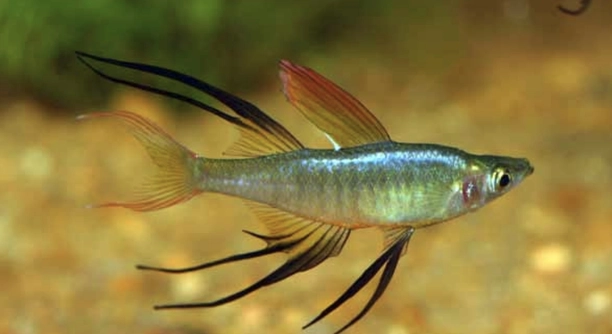
Are your Threadfin Rainbowfish showing signs of stress after being moved to a new tank? Relocating these delicate fish can be challenging, especially when certain mistakes are made during the transition process.
The most important thing to avoid when moving Threadfin Rainbowfish is abrupt environmental changes. These fish are highly sensitive to fluctuations in water temperature, pH, and hardness. Maintaining consistent conditions minimizes stress, prevents shock, and ensures a smoother adjustment to their new environment.
Understanding the common pitfalls in fish relocation can make a significant difference in their overall health and comfort during the move.
1. Avoid Sudden Changes in Water Conditions
When moving Threadfin Rainbowfish, one of the biggest mistakes is changing their water parameters too quickly. These fish are sensitive to sudden shifts in temperature, pH, or hardness, which can lead to stress or even death. Before transferring them, it’s essential to match the new tank’s water conditions as closely as possible to their current environment. Using a reliable test kit helps maintain consistency and avoid fluctuations. Take time to acclimate them slowly by mixing small amounts of new water with their old tank water during the transition. This gradual process helps them adjust without shock. Keeping lighting and temperature stable during this period also prevents unnecessary stress. Threadfin Rainbowfish thrive in stable environments, so maintaining balance is key to their survival and comfort.
A proper acclimation routine prevents unnecessary stress and health issues. It ensures that your Threadfin Rainbowfish settle peacefully into their new environment without struggling to adapt.
Gradual adjustments to temperature and pH promote better oxygen absorption and reduce the risk of illness. This simple step allows your fish to regain their usual calm behavior faster, making the move far less stressful for both you and them.
2. Avoid Overcrowding During Transfer
When transferring Threadfin Rainbowfish, overcrowding can cause serious harm. These fish need enough space to swim freely and maintain natural behavior. Placing too many in a small container or tank leads to oxygen depletion and rising ammonia levels.
Give each fish enough room during transport by using multiple containers if needed. Overcrowding restricts movement and increases aggression, which can result in injuries. It’s also important to ensure the containers are well-aerated and covered securely to prevent jumping. Threadfin Rainbowfish feel calmer in slightly dim conditions, so avoid bright lights during transport. After moving them, monitor their activity closely for signs of stress, like clamped fins or rapid breathing. A spacious, stable environment allows them to recover faster and adapt to the new tank more comfortably. Proper handling during transfer doesn’t just keep them safe—it maintains their elegant appearance and delicate balance.
3. Avoid Skipping the Quarantine Process
Quarantining Threadfin Rainbowfish before introducing them to a new tank helps prevent spreading diseases or parasites. Even healthy-looking fish can carry harmful bacteria or pathogens that could endanger existing tankmates. A short isolation period allows proper observation and treatment if needed.
Set up a separate quarantine tank with similar water parameters to their future habitat. Keep them isolated for at least two weeks, monitoring for signs of illness such as clamped fins, loss of appetite, or discoloration. During this period, perform small water changes every few days to maintain cleanliness. Avoid using the same nets or tools between tanks to prevent contamination. Quarantine gives you time to identify and address any hidden issues before they spread to the main aquarium.
By following this step, you give your Threadfin Rainbowfish a safer start in their new environment. It minimizes stress, preserves tank harmony, and ensures long-term health for all your aquatic pets.
4. Avoid Ignoring Acclimation Time
Rushing the acclimation process often leads to temperature shock and pH imbalance. Threadfin Rainbowfish need time to adjust gradually to new water conditions. Skipping this step can cause sudden stress and weaken their immune system.
To acclimate them properly, float their transport bag in the tank for 15–20 minutes to equalize temperature. Then slowly add small amounts of tank water into the bag every five minutes until the volume doubles. This step-by-step adjustment helps the fish adapt safely to the new environment. Once finished, use a soft net to transfer them gently into the tank, avoiding direct contact with bag water. Acclimation ensures your Threadfin Rainbowfish settle comfortably, reducing anxiety and promoting healthy behavior from the start.
5. Avoid Using Uncycled Tanks
Introducing Threadfin Rainbowfish into an uncycled tank can quickly lead to toxic ammonia and nitrite spikes. These toxins harm their gills and weaken immunity. Always cycle your aquarium first to establish beneficial bacteria before adding any fish.
A properly cycled tank ensures stable water conditions, preventing stress and disease. Test the water regularly and wait until ammonia and nitrite levels reach zero. This step provides a safe, healthy foundation where your Threadfin Rainbowfish can thrive without sudden chemical imbalances disrupting their environment.
6. Avoid Overfeeding After the Move
Threadfin Rainbowfish often refuse food right after relocation due to stress. Forcing feeding too soon can pollute the water and increase ammonia levels. Offer small portions after they’ve settled and resumed normal swimming behavior. Feed lightly for the first few days, then gradually return to a regular schedule once they appear comfortable.
7. Avoid Harsh Lighting During Adjustment
Bright lights can overwhelm newly moved Threadfin Rainbowfish. Dim the aquarium lighting for the first few days to help them feel secure. A gentle lighting transition reduces stress, encouraging your fish to explore their surroundings and adjust to their new environment calmly.
FAQ
How long should I wait before introducing Threadfin Rainbowfish to a new tank?
You should wait until your tank is fully cycled before introducing Threadfin Rainbowfish, which usually takes about four to six weeks. This waiting period allows beneficial bacteria to establish and stabilize the nitrogen cycle. When the cycle is complete, ammonia and nitrite levels should read zero, while nitrates remain low. Introducing fish too early can expose them to harmful toxins and cause stress or illness. Patience at this stage ensures a healthier start for your fish and prevents long-term problems in the aquarium.
What temperature is ideal for Threadfin Rainbowfish during and after moving?
Threadfin Rainbowfish prefer stable temperatures between 75°F and 82°F (24°C to 28°C). During relocation, temperature consistency is vital to prevent thermal shock. Always use a thermometer to monitor both tanks before transferring. If the temperature difference exceeds two degrees, adjust gradually before moving the fish. Sudden fluctuations can cause stress, affecting their immune system and appetite. After relocation, maintain stable warmth with a reliable heater, and avoid placing the tank near windows or vents that could cause unexpected cooling or heating.
Can I move Threadfin Rainbowfish with other fish species?
It’s best to move them separately, especially during transportation. Combining species in one container can lead to stress, aggression, or oxygen depletion. After relocation, they can share a tank with peaceful community fish like rasboras or small tetras, as long as the water parameters match. Threadfin Rainbowfish are gentle and easily startled, so avoid pairing them with larger or aggressive species. Introducing them gradually into a calm, stable environment helps them settle faster and maintain their natural, graceful behavior.
How can I tell if my Threadfin Rainbowfish are stressed after moving?
Stress signs include clamped fins, erratic swimming, rapid gill movement, or loss of color. Some fish may hide or refuse food temporarily, which is normal in the first 24 hours. However, persistent stress indicates issues like unstable water parameters or excessive lighting. Testing the water for ammonia, nitrite, and pH can help identify the cause. Keeping lights dim, ensuring proper aeration, and avoiding sudden noises can also help them relax. A stable, calm environment allows them to regain their usual activity and vibrant colors.
Is it necessary to use an air pump during transport?
Yes, using an air pump or oxygen tablet is beneficial, especially for longer moves. Threadfin Rainbowfish require well-oxygenated water, and confined transport containers can deplete oxygen quickly. If you’re moving them over a long distance, aeration ensures they remain calm and comfortable. For short trips under an hour, tightly sealed bags with sufficient water and air space can work well. Always minimize temperature changes and handle the bags gently to prevent stress or injury during transport.
What should I feed Threadfin Rainbowfish after relocation?
After moving, wait at least 12 hours before offering food. Start with small amounts of high-quality flakes or micro pellets. You can also include live or frozen foods like daphnia and baby brine shrimp once they begin eating again. Feeding lightly prevents waste buildup and maintains water quality. Over time, return to their usual feeding schedule, ensuring variety to support color and vitality. Always remove uneaten food to keep the tank clean and avoid ammonia spikes.
How long does it take Threadfin Rainbowfish to adjust to a new tank?
Most Threadfin Rainbowfish begin to adjust within two to three days if conditions are stable. During this time, they may hide more often or swim cautiously. Gradual lighting, minimal disturbance, and proper filtration help speed up the adjustment process. By the end of the first week, they should display normal behavior—active swimming, schooling, and feeding comfortably. If they remain stressed beyond this point, recheck water quality, temperature, and tank setup to ensure everything meets their needs.
Can Threadfin Rainbowfish get sick from moving?
Yes, relocation stress weakens their immune system, making them vulnerable to diseases like fin rot or ich. This often results from poor water quality, rough handling, or inadequate acclimation. To prevent illness, maintain clean, stable conditions, and quarantine new arrivals before adding them to the main tank. Adding a small amount of aquarium salt can also help reduce stress and protect against infections. Observing their behavior daily after the move allows you to catch early signs of sickness and treat promptly.
Should I clean the tank immediately after moving the fish?
Avoid deep cleaning right after relocation. Sudden disturbances can remove beneficial bacteria or alter water chemistry, causing instability. Instead, perform small, partial water changes every few days to maintain quality without stressing the fish. Wait at least a week before vacuuming gravel or adjusting decorations. Once your Threadfin Rainbowfish appear fully settled, resume your normal maintenance routine. Gradual cleaning helps them adapt to their new surroundings smoothly while preserving biological balance.
What lighting schedule should I follow after moving them?
Keep lights dim for the first few days after relocation, gradually returning to a normal schedule of 8–10 hours per day. Bright light immediately after a move can increase stress, making the fish more likely to hide or lose color. Soft lighting helps them feel secure and resume natural behavior. If possible, use a timer for consistent light cycles, as irregular lighting can confuse or stress them further. Consistency supports recovery, comfort, and healthy activity in their new habitat.
Final Thoughts
Caring for Threadfin Rainbowfish during and after relocation requires patience, planning, and attention to detail. These fish are delicate and react strongly to sudden environmental changes, so every step in the moving process must be handled carefully. Taking the time to prepare your new tank, test the water, and match the conditions to their previous setup makes a big difference in their comfort and health. Proper acclimation, gentle handling, and maintaining stability help them adjust with minimal stress. It can be tempting to rush, but patience is the most valuable part of the process. Every precaution you take contributes to their long-term wellbeing and allows them to adapt safely to their new home.
Threadfin Rainbowfish are known for their graceful movements and shimmering colors, which only appear at their best in stable, healthy environments. Avoiding common mistakes like overfeeding, skipping quarantine, or introducing them into uncycled tanks is essential for preserving their natural beauty and preventing illness. Consistency in water parameters and lighting helps them feel secure, while slow, careful acclimation ensures they recover quickly from the stress of relocation. Even small details, such as providing dim lighting during the first few days or keeping the tank free from sudden disturbances, play a significant role in how smoothly they settle. Each step helps them regain confidence, feed normally, and swim actively again.
Moving Threadfin Rainbowfish may seem challenging at first, but with the right care, it becomes a rewarding experience. Once they are comfortable in their new environment, their vibrant fins and calm behavior are a sign that you’ve provided the balance they need. Taking extra time to plan the move, observe their behavior, and make gradual changes pays off in the long run. Your patience and effort create a stable, peaceful space where they can thrive. The process teaches the importance of gentleness and consistency—two things these fish depend on most. When handled thoughtfully, Threadfin Rainbowfish adapt beautifully, and their tranquil presence becomes a rewarding reminder that careful preparation always leads to lasting success in aquarium care.

Hello,
If you enjoy the content that we create, please consider saying a "Thank You!" by leaving a tip.
Every little bit helps us continue crafting quality advice that supports the health, happiness, and well-being of pets around the world, for pets of all shapes, sizes, and species.
We really appreciate the kindness and support that you show us!