
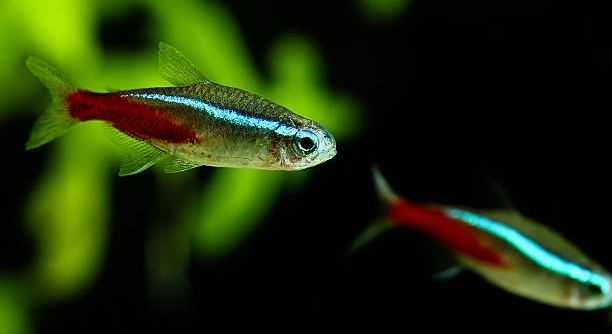
Tetras are popular freshwater fish often kept in home aquariums. Many aquarium owners enjoy their bright colors and peaceful behavior. Understanding how these fish live and feel can help provide better care in a tank environment.
Tetras do not experience loneliness as humans do, but they are social fish that thrive in groups. Keeping them in small schools is essential to their well-being, as isolation can cause stress and affect their health and behavior.
Knowing how to care for tetras socially can improve their quality of life and help you create a balanced aquarium environment. This article explores their social needs and signs to watch for in your tank.
Do Tetras Need Company?
Tetras are naturally schooling fish. In the wild, they swim in groups to feel safe and stay active. When kept alone in a tank, tetras can become stressed or lethargic. Their behavior might change, showing signs of discomfort or even illness. A small group of six or more is usually enough to keep them happy. They interact with each other by swimming closely and sometimes showing simple social behaviors like chasing or playing. Providing enough space in the tank is also important. Overcrowding can cause stress, but too little company can lead to loneliness-like effects. Tank mates should be peaceful to avoid aggressive encounters. When tetras have the right environment, they tend to show more natural colors and lively swimming patterns. Regular observation helps ensure they are not isolated or stressed. Understanding their need for companionship is key to maintaining their health and comfort.
Keeping tetras in groups reduces stress and encourages natural behavior, which leads to healthier, more vibrant fish.
Tetras’ social nature means they rely on group interactions to feel secure. In a tank without companions, they might hide or swim sluggishly. These changes indicate discomfort rather than true loneliness. Ensuring a group setting allows tetras to engage in behaviors like schooling and exploring together. Their presence provides stimulation that keeps their senses active and reduces fear of predators, even in captivity. Tetras communicate subtly through movement and position, which is only possible with others around. Grouping them also spreads any aggression evenly, preventing one fish from becoming a target. Tank size and water conditions should support their activity level to prevent additional stress. Choosing compatible tank mates and monitoring group dynamics ensures a peaceful environment where tetras can thrive. This balance between social needs and environmental care supports their overall well-being in captivity.
Signs That Tetras May Be Stressed or Unhappy
Stress in tetras can show in behavior and physical appearance. They may lose color, hide often, or stop eating.
When tetras lack social interaction or proper care, their health can decline. Stress weakens their immune system, making them more prone to diseases. They might become less active, swimming erratically or staying at the bottom of the tank. Some tetras develop clamped fins, where fins stay close to the body, signaling distress. Watching for these signs is important to adjust care immediately. Improving water quality, ensuring proper group size, and providing hiding spots help reduce stress. Sometimes, stress arises from tank conditions like poor filtration, wrong temperature, or aggressive tank mates. Responding quickly to these signs prevents further health problems. Keeping the tank environment stable and meeting the social needs of tetras creates a calm, healthy habitat. Proper care helps them display their natural colors and lively behavior, reflecting good health and comfort in their environment.
How to Prevent Loneliness in Tetras
Keeping tetras in groups of six or more helps prevent isolation. Providing enough space for swimming supports their social needs.
A tank that is too small limits movement and interaction, increasing stress for tetras. A minimum of 10 gallons is recommended for a small school. Decorate the tank with plants and hiding spots to give them security and encourage natural behavior. Regular maintenance of water quality keeps the environment stable and healthy. Feeding them a varied diet also supports their well-being. Observing how tetras interact helps identify any signs of discomfort early on, allowing quick adjustments.
Ensuring compatible tank mates can reduce stress and improve social interaction. Avoid aggressive fish that may intimidate tetras. Balanced lighting and stable temperature also contribute to a comfortable habitat.
Can Tetras Form Bonds with Each Other?
Tetras recognize and stay close to familiar tank mates. They often swim in synchronized groups, showing social bonds.
These bonds form through constant interaction, which helps tetras feel safe. In groups, they rely on each other for cues about food or danger. This connection reduces stress and encourages active swimming. Removing a member can disturb the group dynamic, leading to noticeable changes in behavior. Tetras’ schooling behavior is not just for safety but also social comfort. Groups with stable membership tend to thrive better, showing less aggression and more vibrant activity. Understanding this social structure helps in setting up a tank that supports their natural instincts. Keeping groups together promotes healthier, more content fish.
How to Spot Lonely Behavior in Tetras
Lonely tetras may swim alone or hide frequently. They can lose their usual bright colors.
Signs include sluggish movement and lack of interest in food. These behaviors often indicate stress from isolation. Noticing these changes early helps improve their care and social environment.
The Impact of Tank Size on Tetra Socialization
A small tank limits space for schooling and natural movement. Tetras need enough room to swim together comfortably. Crowded or tiny tanks increase stress and reduce social interaction, affecting their overall health and behavior. Providing adequate space supports their need for companionship and activity.
Choosing the Right Tank Mates for Tetras
Peaceful fish make the best companions. Avoid aggressive or overly active species that may stress tetras.
How Lighting Affects Tetra Behavior
Proper lighting supports natural rhythms and activity. Too much or too little light can cause stress.
Can Tetras Feel Loneliness Like Humans Do?
Tetras do not feel loneliness in the same way humans do because their brains and emotions work differently. However, they are social animals that need the presence of their own kind to feel secure. Being alone can cause stress, which may look like loneliness but is more about safety and comfort. When kept in groups, tetras display natural behaviors and seem more active and relaxed. Isolation can lead to changes in their behavior, such as hiding or reduced activity, which signals discomfort rather than true loneliness.
How Many Tetras Should Be Kept Together?
A group of at least six tetras is recommended to maintain their social needs. This number allows them to school properly, which helps reduce stress and encourages natural movement. Smaller groups may cause them to feel vulnerable and display signs of anxiety. Larger groups are better if the tank size allows it, as tetras are used to living in large schools in the wild. The exact number depends on tank size, but less than six is generally not ideal.
What Are the Signs That a Tetra Is Stressed or Lonely?
Signs include reduced swimming, hiding frequently, loss of color, and refusal to eat. Stress can also cause clamped fins and erratic movements. These symptoms often indicate the fish is uncomfortable, possibly due to isolation or poor tank conditions. Watching for these signs helps adjust care quickly. Improving social settings or water quality can reduce stress and improve their behavior.
Can Tetras Live Alone?
Tetras can survive alone but it is not recommended. They rely on social interaction to feel secure and behave naturally. A single tetra may become stressed and show unhealthy behavior over time. They are more vulnerable to illness and may become lethargic. Keeping them in groups is important for their mental and physical well-being.
How Does Tank Size Affect Tetra Behavior?
Tank size plays a key role in their social health. A small tank restricts movement and group interaction, which can increase stress. For a small school of six tetras, at least a 10-gallon tank is needed. Bigger tanks provide more space for swimming and hiding, which supports natural behaviors. Crowded or cramped conditions disrupt schooling and cause tension.
Are There Specific Tank Mates That Help Tetras Feel Less Lonely?
Tetras do best with peaceful fish that won’t bully or compete aggressively. Good tank mates include other small schooling fish or calm species like guppies or rasboras. Avoid aggressive or territorial fish, which can stress tetras and disrupt their social structure. A compatible community tank encourages positive interaction and reduces stress.
Can Lighting Affect Tetra Behavior and Social Interaction?
Yes, proper lighting helps regulate their daily activity and mood. Too bright or inconsistent lighting can stress tetras, causing them to hide or become inactive. Dim lighting or stable light cycles encourage natural behavior and interaction within the group. A well-lit tank also enhances their colors and makes their social swimming more visible.
What Can I Do If I Only Have Space for One Tetra?
If only one tetra can be kept, extra care is needed to reduce stress. Adding plants, hiding spots, and gentle tank mates might help provide stimulation. However, this is not a perfect solution since tetras naturally need company. Consider upgrading to a larger tank or adding more tetras when possible to meet their social needs.
How Often Should I Check on My Tetras for Signs of Stress?
Regular daily observation is best. Watching their swimming patterns, color, and appetite helps detect problems early. Noticing subtle changes can prevent illness and stress. Weekly water tests and tank maintenance support a healthy environment, reducing stress factors.
Can Tetras Bond with Their Owners?
Tetras are not known to bond like pets such as dogs or cats, but they may recognize their owners over time. They respond to feeding routines and movements outside the tank, which shows some awareness. Their true social bonds are with other tetras rather than humans.
Is It Normal for Tetras to Hide Often?
Frequent hiding can indicate stress or poor tank conditions, including loneliness. Healthy, well-socialized tetras spend most of their time swimming openly in groups. Hiding is natural when frightened or sick but should not be constant. Improving tank conditions and social environment reduces hiding behavior.
What Are the Best Foods to Keep Tetras Healthy and Social?
A varied diet with quality flakes, pellets, and occasional live or frozen foods keeps tetras healthy. Proper nutrition supports their energy and immune system, helping them remain active and social. Avoid overfeeding, which can pollute the tank and stress the fish.
Can Tetras Show Signs of Depression?
Fish do not experience depression as humans do, but stress and poor conditions can cause behavior changes similar to depression, such as inactivity or loss of appetite. Providing social groups and good care reduces these issues. Promptly addressing environmental problems improves their quality of life.
How Important Is Water Quality for Tetra Behavior?
Water quality is critical. Poor water conditions cause stress, illness, and abnormal behavior. Clean, well-filtered water with stable parameters supports their health and social behavior. Regular testing and maintenance prevent problems that affect their mood and activity.
Tetras are small, lively fish that do best when kept in groups. Their social nature means they rely on companions to feel comfortable and behave naturally. While they do not experience loneliness exactly like humans, being isolated can cause stress and unhealthy behavior. Keeping a proper group size, usually six or more, helps them swim together and feel secure. A suitable tank size with enough space to move is also important to support their social needs. When these conditions are met, tetras show more vibrant colors and active swimming, which are signs of good health.
Proper care of tetras goes beyond just the number of fish in the tank. It includes maintaining clean water, providing a balanced diet, and ensuring compatible tank mates. Stress can result from poor water quality, aggressive fish, or an environment that does not meet their natural behaviors. Watching for signs of stress such as hiding, color fading, or loss of appetite helps address issues early. Tank decorations like plants and hiding spots can also improve their comfort and reduce anxiety. Lighting that mimics their natural environment supports their activity and well-being. All these factors combined create a balanced habitat where tetras thrive.
Understanding the social needs of tetras helps in creating a healthy aquarium environment. These fish depend on social interaction to stay active and feel safe. While they don’t form emotional bonds like mammals, their schooling behavior is essential for their survival and comfort. Taking time to set up the right tank size, maintain water quality, and keep an appropriate number of tetras improves their quality of life. With proper care, tetras can live longer, healthier lives, making your aquarium a more vibrant and peaceful place.

Hello,
If you enjoy the content that we create, please consider saying a "Thank You!" by leaving a tip.
Every little bit helps us continue crafting quality advice that supports the health, happiness, and well-being of pets around the world, for pets of all shapes, sizes, and species.
We really appreciate the kindness and support that you show us!