
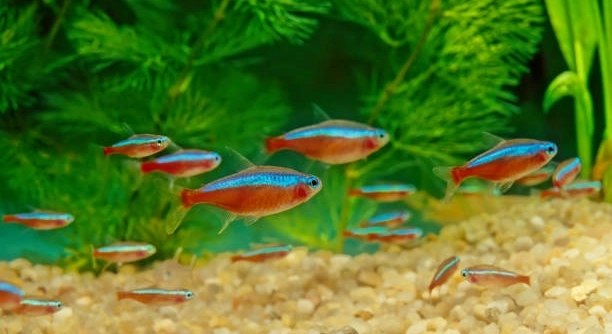
Tetras are popular aquarium fish known for their vibrant colors and peaceful nature. Many aquarium owners want to create the best environment possible to keep their tetras healthy and happy. Simple upgrades can make a big difference in your tank setup.
Improving a tetra’s tank involves enhancing water quality, providing proper lighting, adding safe plants, and upgrading filtration systems. These changes help maintain a stable environment and promote the well-being of your fish in captivity.
Learning about these tank upgrades will help you create a better home for your tetras and improve their overall quality of life.
Improved Filtration System
A good filtration system is essential for keeping your tetra tank clean and healthy. Upgrading to a filter with better flow and stronger capacity can remove waste and toxins more effectively. This helps maintain clear water and reduces harmful bacteria that can stress your fish. A strong filter also provides water movement that mimics natural currents, which tetras enjoy. Some filters have added features like bio-media that support beneficial bacteria growth, improving water quality even further. When choosing a new filter, make sure it suits your tank size and doesn’t create too strong a current, as tetras prefer gentle water flow. Regular filter maintenance is just as important to keep it running well. Changing the filter media as recommended and rinsing parts carefully helps avoid build-up that could cause problems. With better filtration, your tetras will live in a more stable environment, which supports their health and bright colors.
Upgrading your filter reduces the need for frequent water changes and keeps your tank cleaner for longer.
Strong filtration keeps the tank water healthy, lowering stress and illness risks for tetras. It also reduces odors and improves the overall look of your aquarium. Investing in a quality filter will save time on tank upkeep and give your fish a better home. Plus, clean water encourages active and vibrant fish behavior, making your aquarium more enjoyable to watch every day.
Live Plants for Natural Comfort
Adding live plants gives tetras a natural environment that makes them feel safe and comfortable. Live plants also help improve water quality by absorbing nitrates and producing oxygen. These benefits create a healthier tank and reduce the workload on your filter. Some good choices for tetra tanks include Java moss, Anubias, and Amazon sword plants, which are easy to care for and won’t harm the fish. Plants offer hiding spots that reduce stress, especially for shy tetras. They also add color and texture, enhancing the tank’s appearance. Live plants grow slowly, so you won’t need to trim them often. By creating a planted tank, you provide your tetras with an environment closer to their natural habitat, supporting their well-being and activity levels. Overall, live plants improve both the aesthetics and the health of your aquarium, making it a win-win upgrade.
Proper Lighting Setup
Good lighting helps tetras show their best colors and supports the growth of live plants. Avoid very bright lights, which can stress the fish, and aim for moderate, natural light levels. Use a timer to keep a consistent day-night cycle.
Consistent lighting supports the natural rhythms of your tetras, keeping them active and healthy. LED lights designed for aquariums are energy-efficient and provide the right spectrum for plant growth and fish health. Avoid leaving lights on for too long, as this can encourage algae growth, which harms water quality. Position lights to cover the whole tank evenly, avoiding dark corners where waste can build up unnoticed. Proper lighting also enhances the tank’s appearance, making it more enjoyable to watch your fish.
Maintaining a regular lighting schedule reduces stress and keeps your tank balanced. Natural-like light cycles encourage tetras to follow their usual behavior patterns, including feeding and resting, helping them thrive in your care.
Spacious Tank Environment
A larger tank gives tetras more room to swim freely, which improves their health and reduces stress. Overcrowded tanks lead to aggression and poor water quality.
Providing at least 10 gallons for a small group of tetras helps maintain stable water conditions and gives them enough space to establish territories. More room means less waste concentration, making it easier to manage water parameters. A spacious tank also allows for better decoration placement, such as plants and hiding spots, creating a natural feel. When tetras have space, they display more natural schooling behavior and appear more active. Avoid adding too many fish, which causes competition for food and oxygen. Giving your tetras enough space promotes long-term health and keeps the aquarium cleaner and easier to maintain.
Comfortable Water Temperature
Tetras thrive best in water temperatures between 72°F and 78°F. Maintaining this range keeps them healthy and active.
Using a reliable aquarium heater with a thermostat ensures stable temperature control. Avoid sudden temperature changes, which can stress your fish and lead to illness.
Quality Tank Substrate
Choosing the right substrate supports plant growth and creates a natural environment. Fine gravel or sand works well for tetra tanks.
Substrates that don’t affect water chemistry help maintain stable conditions. A good substrate also makes cleaning easier by trapping debris on the surface rather than letting it sink deep.
Proper Tank Cover
A secure tank cover prevents tetras from jumping out. Tetras are active swimmers and can easily escape an open tank.
Using a cover with ventilation allows fresh air while keeping fish safe from accidents or pets. It also reduces water evaporation and helps maintain temperature stability.
FAQ
What is the best filter type for a tetra tank?
A hang-on-back (HOB) filter or a sponge filter is ideal for tetra tanks. HOB filters provide good mechanical and biological filtration while keeping water movement gentle. Sponge filters are excellent for small tanks or breeding setups because they offer gentle filtration without strong currents. Both options help maintain clean water, which is crucial for tetra health.
How often should I change the water in my tetra tank?
Changing 20-30% of the water every one to two weeks helps keep nitrate levels low and maintains water quality. Frequent water changes prevent toxin buildup and reduce stress on your fish. Avoid changing too much water at once, as this can shock your tetras by altering water parameters suddenly.
Can I keep tetras with other fish?
Yes, tetras are generally peaceful and do well with other non-aggressive species of similar size. Good tank mates include small rasboras, guppies, and Corydoras catfish. Avoid large or aggressive fish that might harm or stress your tetras. Always research compatibility before mixing species.
Do tetras need live plants?
Live plants are beneficial but not strictly necessary. They improve water quality by absorbing nitrates and provide hiding places, which reduce stress. However, if you prefer artificial plants, ensure they are safe and smooth to avoid injuring your fish.
What do tetras eat?
Tetras are omnivores and do well on a varied diet. High-quality flake food, micro pellets, and occasional treats like frozen or live brine shrimp, daphnia, or bloodworms keep them healthy. Feeding small amounts once or twice a day prevents overfeeding and water pollution.
How many tetras should I keep together?
Tetras are schooling fish and should be kept in groups of at least six. Keeping them in small groups helps reduce stress and encourages natural swimming behavior. Larger groups are better if you have a bigger tank, as it spreads out aggression and makes them feel more secure.
What water parameters are best for tetras?
Tetras prefer slightly acidic to neutral pH, around 6.0 to 7.5. Water hardness should be soft to moderately hard. Maintaining stable temperature between 72°F and 78°F is important. Regular testing helps you spot changes early and avoid stress or illness.
How do I prevent algae growth in my tetra tank?
Controlling light duration, avoiding overfeeding, and regular cleaning help prevent algae buildup. Live plants can outcompete algae for nutrients, reducing its growth naturally. If algae appear, manual removal and using algae-eating species like snails or shrimp may help.
Why do my tetras hide a lot?
Hiding often indicates stress or discomfort. Possible causes include poor water quality, sudden changes in environment, aggressive tank mates, or lack of hiding spots. Ensure proper water conditions, provide plants or decorations for cover, and check for bullying within the tank.
Can tetras jump out of the tank?
Yes, tetras are known to jump, especially if startled or stressed. A secure tank cover is essential to prevent escapes. Make sure the cover fits well but allows for ventilation to keep the environment safe and comfortable for your fish.
When it comes to keeping tetras happy and healthy, making a few key upgrades to their tank can have a big impact. Improving filtration, adding live plants, and maintaining proper lighting all help create a stable and natural environment. These changes support clean water, good oxygen levels, and a setting that encourages natural behavior. Keeping the tank temperature steady and giving your tetras enough space also reduce stress and promote their overall well-being. Each upgrade plays an important role in making sure your fish live longer and stay vibrant.
It’s important to remember that tetras are delicate fish that need consistent care. Even small improvements in their tank can make a noticeable difference. Using quality equipment and providing good nutrition supports their immune systems and helps prevent illness. A well-planned tank with the right accessories and plants creates hiding spots and swimming areas where tetras feel secure. Watching your tetras swim actively and show off their colors is one of the rewards of putting in this effort. These upgrades aren’t complicated or expensive, but they do require attention and regular maintenance to keep everything working well.
Overall, investing time in upgrading your tetra tank benefits both the fish and the aquarium owner. A clean, balanced tank is easier to care for and offers a more attractive display. The tetras will be healthier and show fewer signs of stress or disease. By paying attention to water quality, temperature, lighting, and space, you create a more natural home for your fish. Taking these steps improves their quality of life and can make your aquarium a relaxing and enjoyable feature in your home. The little upgrades add up to a big difference in how well your tetras thrive.

Hello,
If you enjoy the content that we create, please consider saying a "Thank You!" by leaving a tip.
Every little bit helps us continue crafting quality advice that supports the health, happiness, and well-being of pets around the world, for pets of all shapes, sizes, and species.
We really appreciate the kindness and support that you show us!