
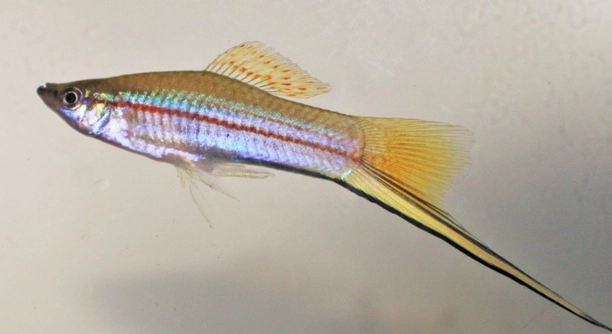
Swordtails are popular fish, often kept in community tanks. Their social nature makes them active and engaging companions for other fish. However, when a tankmate passes away, it’s worth considering how it affects their behavior and emotional well-being.
Swordtails can experience stress when losing a tankmate. As social creatures, they form bonds with other fish and may show signs of agitation or depression. Such changes in behavior reflect their ability to recognize and react to the loss.
Understanding the emotional responses of swordtails can help improve the care they receive, ensuring they thrive in a peaceful and supportive environment.
How Swordtails React to the Loss of a Tankmate
Swordtails are social fish that thrive in groups. They interact with their tankmates, and their environment can feel disrupted when they lose someone they’ve bonded with. While they might not grieve in the same way humans do, they do react to the absence. It’s common for swordtails to become more inactive, hiding more often or swimming in circles. This behavior suggests that they’re adjusting to the change in their tank’s social structure. Sometimes, they may even show signs of aggression toward other fish as a result of stress.
Fish, especially those with a strong social nature like swordtails, can experience behavioral shifts after the loss of a tankmate. These shifts may include changes in eating habits, restlessness, or even changes in swimming patterns. These changes are signs of distress, not unlike what you might expect when any animal loses a companion.
If you notice these signs in your swordtail after the loss of a tankmate, it’s important to keep an eye on their overall health. Providing a calm environment and considering the addition of another compatible fish might help reduce the stress they’re experiencing. Ensuring they feel safe and secure will aid in their recovery.
How to Help Swordtails Cope
While swordtails may seem resilient, the impact of losing a tankmate can affect their behavior long-term if not addressed.
It’s important to provide stability and time for your swordtail to adjust. Try not to make drastic changes to the tank or introduce new fish too quickly. Allow them time to process the loss and return to their normal routine. Adding plants, rearranging decorations, or introducing a few smaller tankmates gradually may help ease the transition and restore balance. However, patience is key, as each fish will adjust at their own pace.
Signs of Stress in Swordtails
Swordtails show clear signs of stress after losing a tankmate. They may become less active, hiding more often, or swimming aimlessly. These behaviors indicate that they are trying to adjust to the sudden change in their environment. Aggression or excessive chasing of other fish may also occur, signaling anxiety.
Stress can also lead to changes in eating habits. Swordtails might refuse food or eat less than usual. This is an important sign that their emotional state is affecting their physical health. Observing these changes will help determine if the swordtail is coping well or if intervention is necessary. Their usual peaceful and social nature becomes subdued as they process the loss.
To help alleviate stress, keeping the environment stable and calm is essential. Adding plants or rearranging the tank can offer them some comfort, as it gives them something to focus on. New tankmates should be introduced slowly and cautiously to avoid adding more stress to the situation.
How to Improve Swordtail Well-being
Improving the overall well-being of your swordtail after a loss requires a gentle approach. Avoid making drastic changes to the tank during this sensitive period. Keep the water clean and maintain stable temperature levels to ensure they are physically comfortable. Keeping their environment calm with low lighting or minimal disturbances will help reduce additional stress.
Introducing a new tankmate, particularly one that shares similar characteristics, might help restore a sense of normalcy. However, this should be done gradually. Overcrowding or adding too many new fish can create further stress. If introducing another swordtail, ensure they are similar in size and temperament, as mismatched tankmates may only add tension. Also, observe how the existing fish reacts to new introductions to ensure the environment remains peaceful.
Emotional Connections in Swordtails
Swordtails can form emotional connections with their tankmates. They interact with other fish in ways that suggest they recognize each other. Their social behavior is not limited to just feeding or swimming together but extends to sharing the space and responding to each other’s movements.
When a tankmate passes, this connection can cause them stress. They might show signs of confusion or anxiety as they navigate the loss. Swordtails, like many other fish species, are sensitive to changes in their social group, and the loss of a companion can be a difficult experience.
Swordtail Behavior Post-Loss
After the loss of a tankmate, swordtails may exhibit unusual behavior, such as swimming erratically or hiding for long periods. They might also display less interest in food. This behavior is a result of their adjustment to the absence of their companion and the changes to their social environment. During this period, monitoring their health is crucial to ensure they’re not suffering physically due to stress.
Physical Signs to Watch For
Physical signs of stress in swordtails are easy to spot. They may lose their appetite, appear lethargic, or display irregular swimming patterns. Watching for these signs helps gauge how well they are coping. If these symptoms persist, it’s important to intervene.
FAQ
Can swordtails feel grief?
While swordtails may not experience grief in the way humans do, they do have the capacity to feel stress and changes in their environment. Their social behavior shows that they form bonds with other fish. When a tankmate passes, swordtails may exhibit signs of distress, such as aggression or hiding. These reactions are a result of their adjustment to the loss, and although they might not fully “grieve,” they certainly react emotionally.
How do I know if my swordtail is stressed after a loss?
You can tell if your swordtail is stressed by observing their behavior. Stress indicators include hiding for extended periods, swimming in circles, or becoming more aggressive towards other tankmates. Additionally, a loss of appetite or changes in feeding habits often accompany stress. If you notice these signs, your swordtail is likely adjusting to the absence of their companion.
Should I add another swordtail after one passes away?
Introducing another swordtail can help fill the void left by a lost companion, but it should be done carefully. Swordtails are territorial, and adding a new fish too soon can cause further stress. It’s best to give your swordtail time to adjust before introducing another fish. When you do, ensure that the new swordtail is similar in size and temperament to avoid conflicts.
What is the best way to help my swordtail adjust after a loss?
Helping your swordtail adjust after a loss requires patience and a stable environment. Keep the water conditions consistent and avoid any drastic changes in the tank. Consider adding plants or rearranging the décor to provide them with a fresh perspective on their surroundings. These small changes can help reduce stress.
Can a stressed swordtail recover?
Yes, a stressed swordtail can recover over time. If you manage the tank environment carefully and allow them time to adjust, their behavior should return to normal. However, recovery can take time, so avoid rushing the process. Monitor their health closely and make sure they are eating and swimming normally again.
How long does it take for a swordtail to recover from a loss?
Recovery time varies depending on the individual swordtail. Some may adjust within a few days, while others may take weeks to fully settle. It depends on their personality, the bond they had with the lost tankmate, and the environment you provide. Be patient and observant.
Can swordtails die from stress after losing a tankmate?
While stress alone is unlikely to cause death, prolonged stress can weaken a swordtail’s immune system, making them more susceptible to diseases. It’s important to monitor them closely and provide a calm environment to help reduce stress. If left unchecked, chronic stress could contribute to health problems.
Do swordtails need to live in groups?
Swordtails are social fish and thrive in groups. While they can live alone, they are happiest when kept with other swordtails or compatible tankmates. Having other fish around provides companionship, reduces stress, and promotes natural social behavior. If you’re keeping swordtails, it’s recommended to have at least two or three.
What other fish can live with swordtails?
Swordtails are peaceful and can live with other non-aggressive species. Good tankmates include guppies, mollies, tetras, and other peaceful livebearers. Avoid keeping them with overly aggressive fish, such as cichlids or large predatory species. Always research the behavior and size of potential tankmates before introducing them.
Can swordtails show aggression after a loss?
Yes, swordtails may become aggressive after losing a tankmate. This aggression is typically directed towards other fish in the tank. The stress of the loss can cause them to act out in an attempt to establish dominance or cope with their anxiety. This behavior should subside as they adjust to the new situation.
How can I tell if my swordtail is unhealthy after a loss?
Unhealthy swordtails may show signs such as faded colors, a lack of appetite, lethargy, or abnormal swimming patterns. If these symptoms persist for more than a few days, it’s important to address their health. Stress, poor water conditions, or even disease could be factors contributing to their discomfort. Regular water changes and maintaining tank hygiene are essential in keeping swordtails healthy.
What should I do if my swordtail refuses to eat after a loss?
If your swordtail refuses to eat, first check the water conditions. Poor water quality can lead to stress and appetite loss. Ensure the temperature, pH, and cleanliness of the tank are within the ideal range for swordtails. If the conditions are fine and your swordtail is still not eating, try offering different types of food or smaller meals. Stress could be the main reason for their loss of appetite, and time will help them recover.
Can swordtails survive alone in a tank?
While swordtails can survive alone, they are more likely to thrive in a community tank. Swordtails are social fish, and they benefit from the presence of other fish. If you choose to keep a lone swordtail, ensure it has plenty of hiding spots and objects to interact with to keep it from becoming stressed.
What are the best tank conditions for swordtails after a loss?
The best tank conditions for a swordtail after a loss are stable and calm. Maintain consistent water parameters such as temperature (75-82°F), pH (7.0-8.0), and hardness (hard to very hard). Avoid sudden changes in the tank, and ensure that the water is clean and well-filtered. A stress-free environment will help your swordtail recover faster.
Is it okay to remove the deceased tankmate immediately?
It’s okay to remove the deceased tankmate right away to prevent water quality issues. However, be mindful that this sudden change in the tank may also cause some stress to the remaining fish. It’s best to remove the body gently and ensure the remaining fish have a peaceful environment afterward.
Final Thoughts
Losing a tankmate can be a stressful experience for swordtails, as they are social creatures that form connections with those around them. While they may not experience grief in the same way humans do, they do feel the absence of a companion. This emotional response can lead to stress, changes in behavior, and a temporary disruption in their normal routine. By understanding the signs of stress and how to support them, you can help your swordtail recover and find balance again.
If you notice that your swordtail is struggling after the loss of a tankmate, it is important to remain patient. Stressful situations can take time to resolve, and some swordtails may take longer to adjust than others. Providing a stable environment with consistent water quality and keeping the tank calm can help ease their anxiety. It’s also essential to keep an eye on their health and watch for signs of illness, as stress can weaken their immune system.
Remember that every swordtail is different. Some may bounce back quickly, while others may need more time. Giving them the space and time they need to adjust is key. You might consider adding new tankmates later, but make sure to do so carefully. Introducing a new fish too soon can add additional stress. Ultimately, with a bit of care and attention, swordtails can recover from the loss of a companion and continue to live happily in their tank.

Hello,
If you enjoy the content that we create, please consider saying a "Thank You!" by leaving a tip.
Every little bit helps us continue crafting quality advice that supports the health, happiness, and well-being of pets around the world, for pets of all shapes, sizes, and species.
We really appreciate the kindness and support that you show us!