
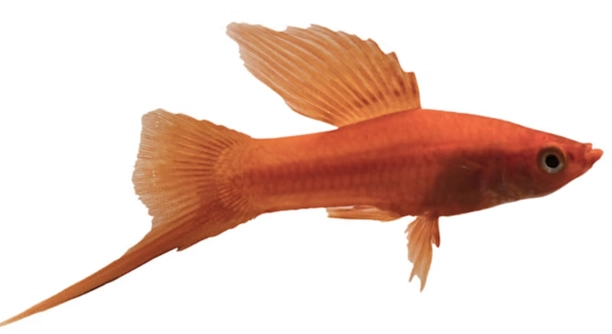
Poor water quality can be a major issue for swordtails. These fish thrive in specific water conditions, and a change in those can lead to stress or health problems. Understanding the signs can help maintain a healthy environment for your fish.
When swordtail water quality deteriorates, fish may show signs like lethargy, loss of color, or odd swimming patterns. Excessive waste or unbalanced pH can also stress the fish. Monitoring water parameters regularly ensures a healthier environment for swordtails.
Recognizing these signs early can prevent long-term damage and keep your swordtails happy and healthy. Let’s look at how to maintain the ideal water conditions.
Excessive Waste Buildup
When you notice too much waste in the tank, it’s often a sign that the water quality is off. Swordtails can produce a lot of waste, and if the tank is overcrowded or the filtration system isn’t working properly, this can quickly lead to dirty water. Excess waste increases ammonia levels, which can harm the fish and create a breeding ground for harmful bacteria. Regular water changes and proper filtration are essential to keep the tank clean and healthy for your swordtails.
Maintaining the right filtration system is key in handling the waste. Make sure it’s rated for the size of your tank to prevent waste buildup.
Even with the best filtration, waste can still accumulate if the tank isn’t cleaned regularly. It’s important to remove uneaten food and debris at least once a week. This reduces waste and keeps the water clear, which improves your swordtails’ living conditions.
Fluctuating Water Temperature
Temperature changes can stress swordtails. These fish do best in temperatures between 72-78°F. If the water is too hot or too cold, they may become lethargic, and their immune system could weaken. A steady water temperature is essential to maintain swordtail health. It’s a good idea to use a heater with a thermostat to avoid temperature swings.
Monitoring the water temperature regularly can help you identify any sudden changes. If the temperature is rising or falling too much, act quickly to correct it.
Investing in a good quality thermometer and heater will help you maintain a consistent temperature. Swordtails are sensitive to rapid shifts, and prolonged exposure to improper temperatures can lead to illness or even death. Keeping the water temperature steady is one of the easiest ways to support their well-being.
High Ammonia Levels
Ammonia is a toxic byproduct of fish waste and decomposing food. Swordtails are particularly sensitive to it. If you notice your fish gasping at the surface or appearing stressed, the ammonia levels may be too high. Regular water testing is essential to ensure levels stay in check.
Ammonia spikes are common in tanks that aren’t cycled properly or where filtration is inadequate. To combat this, do partial water changes and clean the tank often. Adding plants can also help absorb excess ammonia and keep it at a safe level.
A properly functioning filter and the right bacteria can break down ammonia before it reaches harmful levels. Regular monitoring of the water parameters ensures that the tank is safe for your swordtails. If ammonia levels remain high, it may be necessary to increase filtration or use ammonia-removing products.
Unbalanced pH Levels
Swordtails thrive in water with a neutral to slightly alkaline pH, between 7.0 and 8.0. A pH level outside this range can stress your fish, affecting their behavior and health. Testing the water regularly ensures the pH stays in the ideal range.
Sudden pH changes can shock swordtails, leading to illness or death. To prevent this, avoid large water changes that can drastically alter the pH. Gradual adjustments, if necessary, are key in maintaining stable water conditions.
If you notice that the pH keeps fluctuating, it could be a sign of an issue with the tank’s balance, such as poor filtration or excessive organic matter. In these cases, check the filtration system and clean it to prevent further pH imbalance.
Overcrowding in the Tank
Overcrowding can stress swordtails and negatively impact water quality. Too many fish in a small tank create excessive waste, which leads to poor water conditions. Regularly check your tank’s capacity and ensure you’re not exceeding the recommended fish-to-gallon ratio.
A crowded tank can also limit the space swordtails need to swim and breed, further contributing to their stress. If your fish seem agitated or their colors are dull, it might be a sign of overcrowding. Consider rehoming some fish or upgrading to a larger tank.
Insufficient Filtration
Without proper filtration, debris, waste, and harmful substances build up quickly. Swordtails need clean, well-filtered water to stay healthy. If your filter isn’t strong enough or is clogged, it won’t do its job effectively. Regular maintenance of the filter is essential for clear water.
Make sure your filter matches the tank size and is cleaned frequently. Inadequate filtration can also lead to bacterial growth and algae bloom. If you notice cloudiness or a foul odor, it’s time to check the filter and replace the media if necessary.
Poor Water Oxygenation
Low oxygen levels can harm your swordtails. Poor water circulation or overcrowded tanks can cause oxygen levels to drop. To ensure your fish are getting enough oxygen, consider adding an air pump or increasing the water movement. This helps them stay active and healthy.
If your swordtails are spending too much time at the surface, it might be a sign that oxygen levels are too low. Proper aeration helps keep oxygen circulating throughout the tank, especially in larger setups or tanks with high bioloads.
FAQ
What are the signs that my swordtail’s water quality is poor?
Poor water quality can lead to several visible signs in swordtails. They might appear lethargic, swim erratically, or show faded colors. You may also notice them spending more time near the surface of the water or avoiding certain areas of the tank. If your swordtails seem stressed or are showing unusual behaviors, it’s time to check the water quality.
How often should I change the water in a swordtail tank?
You should change 10-20% of the water every week. Regular water changes prevent waste buildup, maintain a healthy balance of nutrients, and keep ammonia, nitrate, and nitrite levels in check. Larger water changes should be done monthly, but regular smaller changes will help maintain consistency.
Can I use tap water for my swordtail tank?
Tap water is generally fine, but it’s important to test it for chlorine, chloramine, and pH levels. These chemicals can harm your fish, so using a water conditioner that neutralizes chlorine and chloramine is recommended. If your tap water is too acidic or alkaline for swordtails, you may need to adjust the pH accordingly.
How do I maintain the right pH for swordtails?
Swordtails prefer a pH of 7.0 to 8.0. To maintain this, test the water regularly using a pH test kit. If the pH is too high or low, consider using pH buffers or natural methods like adding driftwood or aquarium-safe limestone. Make gradual adjustments to avoid shocking your fish.
What temperature should I keep my swordtail tank at?
Swordtails thrive in temperatures between 72-78°F (22-26°C). Using an aquarium heater with a thermostat helps maintain a consistent temperature. Rapid temperature changes can cause stress and illness, so avoid placing the tank near windows or heaters where fluctuations can occur.
Can I keep swordtails with other fish?
Swordtails are generally peaceful and can be kept with other non-aggressive species. They do well in community tanks, as long as the other fish have similar water temperature and pH needs. Avoid aggressive fish that may stress or bully your swordtails.
How do I prevent algae buildup in my swordtail tank?
Algae can form when the water is exposed to excess nutrients, especially from fish waste and leftover food. To prevent algae growth, avoid overfeeding your swordtails, and ensure your tank is properly filtered. Regular water changes and using live plants can also help control algae growth.
How can I ensure my swordtails are not overcrowded?
Overcrowding can stress swordtails, so make sure to follow the general rule of 1 inch of fish per gallon of water. This allows enough space for each fish to swim freely and helps maintain good water quality. If you find your tank getting too crowded, consider upgrading to a larger tank.
What should I do if my swordtail has faded colors?
Faded colors in swordtails often indicate poor water quality or stress. Check the water parameters, including ammonia, nitrate, nitrite, pH, and temperature. If the water quality is good, make sure your swordtail isn’t being bullied or exposed to harsh conditions that could lead to stress.
How do I keep the water oxygenated for my swordtails?
To keep the water oxygenated, ensure there is proper water movement and aeration. A good filter and an air pump can help increase oxygen levels. If your tank has poor water circulation, your swordtails may struggle to breathe properly, so it’s important to address this issue quickly.
Can poor water quality affect swordtail reproduction?
Yes, poor water quality can negatively affect swordtail reproduction. Unstable water parameters, such as fluctuating temperature, high ammonia, or low oxygen levels, can prevent swordtails from breeding. To encourage breeding, maintain optimal water quality and ensure the tank conditions are stable.
What should I do if my swordtail is swimming at the surface?
Swimming at the surface can be a sign that the water lacks oxygen or has elevated ammonia levels. Check the oxygenation and make sure your filter is functioning properly. If necessary, add an air pump to increase water movement and ensure your swordtail has access to enough oxygen.
How can I reduce the amount of waste in my swordtail tank?
To reduce waste, make sure you’re not overfeeding your swordtails. Remove uneaten food after a few minutes to prevent it from decomposing in the tank. Also, ensure that your filter is working efficiently and perform regular water changes to keep waste levels under control.
Can I use a sponge filter for my swordtail tank?
A sponge filter can work well for smaller tanks or tanks with delicate fish. It provides gentle filtration, which is beneficial for swordtails. However, for larger tanks or more active fish, a stronger filter may be needed to maintain water quality.
What’s the best way to cycle my swordtail tank?
Cycling a tank involves establishing beneficial bacteria that break down harmful toxins. Start by adding a small amount of fish food or ammonia to the tank to kickstart the process. Test the water regularly to monitor the ammonia, nitrite, and nitrate levels. Once the tank cycles, water quality will be much better.
How do I prevent my swordtail tank from becoming too cloudy?
Cloudy water often results from an overload of waste, bacteria, or algae. Regular water changes and proper filtration are key to keeping the water clear. Avoid overfeeding, as this can contribute to cloudiness. If the issue persists, check the filter and consider adding a clarifying product to help.
Is it necessary to add plants to my swordtail tank?
Plants provide several benefits for swordtails, including oxygenation, hiding spots, and a natural environment. They help absorb excess nutrients that could contribute to poor water quality, and they also offer shelter for your swordtails to reduce stress. Adding live plants can improve the overall health of your tank.
Final Thoughts
Maintaining good water quality is crucial for the health and well-being of your swordtails. By regularly testing the water, performing water changes, and monitoring key parameters like temperature and pH, you can ensure your fish thrive in a healthy environment. Poor water quality can lead to stress, disease, and even death, so it’s important to stay on top of maintenance tasks to avoid these issues. A clean, stable tank not only keeps your swordtails happy but also creates a more visually appealing aquarium.
Investing in the right equipment, such as a proper filter and aeration system, plays a big role in keeping the water clean and oxygenated. It’s also important to avoid overcrowding the tank, as too many fish can quickly deteriorate water quality. If you notice signs of poor water quality, such as unusual fish behavior or cloudy water, take immediate action to address the problem. Often, small adjustments like improving filtration, changing the water, or reducing feeding can make a big difference.
With a little attention and care, you can keep your swordtails healthy and ensure their environment stays optimal for them to flourish. Regular tank maintenance may seem like a lot of work at first, but the payoff is worth it. Healthy, vibrant swordtails will reward you with their lively colors and active swimming, providing a peaceful and beautiful aquarium display. Remember, a well-maintained tank is the key to long-term success in fishkeeping, so take the time to keep your swordtails’ home in top condition.

Hello,
If you enjoy the content that we create, please consider saying a "Thank You!" by leaving a tip.
Every little bit helps us continue crafting quality advice that supports the health, happiness, and well-being of pets around the world, for pets of all shapes, sizes, and species.
We really appreciate the kindness and support that you show us!