
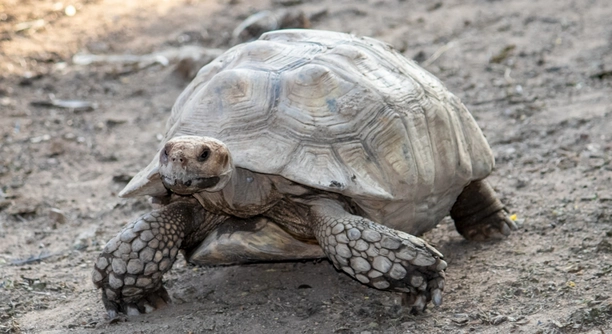
Sulcata tortoises are herbivores that need a balanced diet to stay healthy. Offering them a variety of vegetables is essential for their well-being. However, it’s important to know which foods are safe and beneficial for them.
Sulcata tortoises can eat turnips, but in moderation. While turnips are non-toxic, they should not be a regular part of their diet due to their high oxalate content, which can interfere with calcium absorption.
There are a few things to keep in mind when feeding turnips to your tortoise. Knowing how much and how often you can offer them will help maintain your pet’s health.
Are Turnips Safe for Sulcata Tortoises?
Turnips are not harmful to sulcata tortoises, but they should only be fed in small amounts. These vegetables provide a few benefits, such as vitamins and fiber, but they also contain oxalates. Oxalates can bind to calcium, which is crucial for a tortoise’s bones and overall health. When feeding turnips to your sulcata, it’s important to consider their high water content, which can lead to loose stools if fed in excess. Too much water intake may also cause digestive problems. A balanced diet that includes a variety of leafy greens and grasses is better for keeping your tortoise healthy.
Turnips can be offered occasionally as part of a mix of other vegetables. However, you should avoid making them a regular part of your tortoise’s daily meals. As with most foods, moderation is key to prevent any digestive issues.
In general, turnips are safe as a treat, but they should not take over your sulcata’s diet. Focus on providing foods high in calcium, such as dandelion greens, kale, or grasses, as these are essential for maintaining bone health. By mixing turnips with a variety of safer options, you ensure your tortoise gets the proper nutrition without risking any negative effects. Always remember that the best way to feed a sulcata tortoise is by offering a diverse and balanced diet to support long-term health.
How to Feed Turnips to Your Sulcata Tortoise
If you decide to feed turnips to your tortoise, it’s crucial to cut them into small pieces. This makes it easier for them to eat without choking or struggling with larger pieces. You can offer turnips alongside other vegetables like collard greens, romaine lettuce, or even squash, creating a colorful and varied mix. Make sure the turnips are fresh and washed to remove any pesticides or chemicals that may be harmful to your pet.
It’s important to watch your sulcata after feeding turnips. If you notice any changes in its stool consistency or if your tortoise seems to be avoiding the food, you may need to cut back. Over time, you’ll get a sense of how much of certain vegetables, including turnips, your tortoise can handle without issue. Keep an eye on their overall health and consult with a vet if you’re uncertain about any aspect of their diet. A balanced diet with a variety of safe foods ensures your tortoise remains active and healthy for years.
The Importance of Variety in a Sulcata’s Diet
A varied diet is crucial for your sulcata tortoise’s health. While turnips can be part of their meals, they should never dominate their food choices. Offering a range of vegetables helps ensure they get the necessary nutrients and keeps their diet balanced.
Including leafy greens, such as dandelion greens and kale, can help provide calcium and other vital minerals. Grasses, which are the natural diet for sulcata tortoises, should make up the bulk of their meals. Grasses offer fiber and hydration without the risks associated with some vegetables. Adding other vegetables like squash or bell peppers offers a healthy mix, improving both taste and nutrition.
Variety also helps prevent any digestive issues or deficiencies. If your tortoise eats the same food regularly, it could lead to nutritional imbalances. Changing up their diet ensures they receive a wide range of vitamins and minerals needed for growth and energy. Mix and match their meals, so they stay healthy and happy.
Signs of an Unbalanced Diet
If your sulcata tortoise isn’t getting enough variety, it may show signs of an unbalanced diet. Watch for symptoms like shell deformities, soft shells, or slow growth. These could be signs that your tortoise isn’t getting enough calcium or other essential nutrients.
Lack of appetite is another sign that something might be wrong with their diet. If your tortoise refuses to eat or seems lethargic, it could be because they’re not receiving the right mix of foods. Pay attention to how they react after meals and ensure their diet is fresh and varied. Consult a vet if the symptoms persist.
Feeding the wrong foods, like turnips too often, can also result in loose stools or poor digestion. Over time, this can cause weight loss or a decline in your tortoise’s overall health. If you notice any of these issues, it’s best to make immediate changes to their diet and seek professional advice.
The Risks of Overfeeding Turnips
Feeding too many turnips to your sulcata tortoise can lead to health problems. While the vegetable isn’t toxic, its high oxalate content can interfere with calcium absorption, which is crucial for bone health. Over time, this can result in weak bones or even metabolic bone disease.
Additionally, too much water content from turnips can cause diarrhea or digestive issues. When feeding your tortoise any watery vegetables, it’s important to monitor their stool consistency. If you notice loose stools or a decrease in appetite, you may need to adjust their food intake to include more fiber-rich options like grasses or hay.
Balance is key, and making turnips a small part of a varied diet ensures they’re benefiting from the nutrition without facing the risks of excess. Remember to offer different veggies, greens, and grasses to keep their diet balanced and their health in check.
Benefits of Leafy Greens for Sulcata Tortoises
Leafy greens are one of the best food sources for sulcata tortoises. High in calcium and low in oxalates, greens like kale, collard greens, and mustard greens support healthy bone development and overall well-being. These foods are rich in fiber, which is essential for good digestion.
Feeding a variety of leafy greens helps provide different nutrients and flavors. Greens also offer important vitamins, like A and K, to keep your tortoise’s immune system strong. As these greens are also high in water, they help with hydration. Offer a mixture of greens to ensure your sulcata gets all of these benefits.
How to Safely Introduce New Foods
When adding new foods like turnips to your sulcata’s diet, it’s important to do so gradually. Start by offering small amounts and observe how your tortoise reacts. This allows you to spot any potential issues, such as digestive discomfort or refusal to eat.
If they seem to tolerate the new food well, you can increase the portion size slightly. Keep an eye on their stool consistency and energy levels. If any changes occur, it might be best to reduce the amount of turnips or try different vegetables. Introducing new foods slowly prevents overwhelming their system.
FAQ
Can sulcata tortoises eat turnip greens?
Yes, sulcata tortoises can eat turnip greens in moderation. Turnip greens are safe and nutritious, providing a good source of calcium and vitamins. However, they should not be the main component of their diet, as a variety of other greens and grasses are more beneficial for their health. Always wash the greens thoroughly to remove any pesticides.
How often can I feed my sulcata tortoise turnips?
Turnips should be given to sulcata tortoises as an occasional treat. You can offer them once or twice a week, but avoid making them a regular part of their diet. Focus on providing a balanced variety of leafy greens, grasses, and vegetables that are lower in oxalates to prevent calcium imbalance.
Are there any vegetables sulcata tortoises should avoid?
Yes, there are several vegetables you should avoid feeding to your sulcata tortoise. Foods like spinach, beet greens, and Swiss chard contain high amounts of oxalates, which can bind to calcium and prevent proper absorption. Avoid feeding these regularly, as they can lead to nutritional imbalances and bone health problems.
Can sulcata tortoises eat turnips raw?
Yes, sulcata tortoises can eat turnips raw. In fact, raw turnips are often preferred by tortoises because they retain their full nutritional value. However, be sure to cut them into manageable pieces to prevent choking. While raw turnips are safe, moderation is key due to their water content and oxalate levels.
Should I peel the turnips before feeding them to my sulcata tortoise?
It is not necessary to peel turnips before feeding them to your sulcata tortoise. The skin is edible and contains fiber, which can be beneficial for digestion. Just make sure to wash them thoroughly to remove any dirt or chemicals. If you prefer, you can peel them, but it’s not required for safety.
Can sulcata tortoises eat turnips and carrots together?
Yes, sulcata tortoises can eat turnips and carrots together, but only as part of a varied diet. Both vegetables offer different nutrients that can benefit your tortoise. Turnips are a source of vitamin C and calcium, while carrots are rich in vitamin A. Just remember to feed them in moderation and balance with other greens and grasses.
How do I know if I’m feeding my sulcata tortoise too much turnip?
If you feed your sulcata tortoise too much turnip, they may develop loose stools or diarrhea. You might also notice a decrease in appetite or lethargy. These could be signs of digestive upset, which is why it’s important to monitor how your tortoise reacts after meals. If you notice these symptoms, reduce the amount of turnips in their diet.
Are there any benefits to feeding my sulcata tortoise turnips?
Yes, turnips offer some benefits when fed in moderation. They provide vitamins, minerals, and fiber, which are essential for a healthy diet. Turnips are low in calories, which helps prevent obesity in tortoises. The vitamins and minerals in turnips also support overall health, though they should be balanced with other food choices.
Can feeding too many turnips cause kidney problems in sulcata tortoises?
Feeding too many turnips is unlikely to directly cause kidney problems, but the high oxalate content can contribute to calcium issues. Over time, a lack of calcium can affect the bones and organs, including the kidneys. It’s important to ensure your tortoise gets the proper balance of calcium and phosphorus in their diet to avoid any long-term health issues.
What should I do if my sulcata tortoise refuses to eat turnips?
If your sulcata tortoise refuses to eat turnips, don’t worry. Not all tortoises have the same food preferences, and it’s possible they simply don’t like the taste or texture. Try offering other vegetables and leafy greens, as a variety of foods is essential for their diet. Always keep their meals interesting by rotating different food items.
Can sulcata tortoises eat other root vegetables?
Yes, sulcata tortoises can eat other root vegetables like carrots, sweet potatoes, and radishes. However, these should also be fed in moderation due to their sugar content. Root vegetables should not make up the majority of their diet. Offer them occasionally, and balance them with grasses and leafy greens for a well-rounded meal.
Is it safe to feed my sulcata tortoise turnips every day?
No, it is not safe to feed turnips every day. Turnips should only be an occasional treat due to their high water content and oxalate levels. Feeding them daily may disrupt your tortoise’s calcium intake and cause digestive issues. A balanced diet with a variety of greens, grasses, and vegetables is best for long-term health.
Final Thoughts
Feeding your sulcata tortoise a variety of vegetables is essential for its health, and turnips can be part of that mix. However, it’s important to feed them in moderation. Turnips are safe for sulcata tortoises, but their high oxalate content means they shouldn’t be a regular food. Too many turnips could interfere with calcium absorption, leading to potential bone health issues. When you offer turnips, keep the portion small and combine them with other vegetables that are better for calcium absorption, such as leafy greens and grasses.
A balanced diet is key to a healthy tortoise. Sulcata tortoises thrive on a diet primarily made up of grasses and leafy greens, which are rich in nutrients like calcium and fiber. These foods support their bone health and digestive system, allowing them to grow strong and healthy. While vegetables like turnips can provide some vitamins and variety, they shouldn’t overshadow the more beneficial foods that make up the bulk of your tortoise’s diet. Providing a range of safe foods ensures that your tortoise gets all the essential nutrients it needs to thrive.
Overall, moderation and variety are the best approach when feeding your sulcata tortoise. Avoid offering the same foods repeatedly and be cautious with foods like turnips that may cause digestive upset or nutrient imbalances when given too often. By maintaining a diet with a wide variety of vegetables, grasses, and greens, you can help your sulcata tortoise stay healthy for many years. It’s also important to monitor your tortoise’s health closely and adjust their diet if you notice any signs of digestive distress or nutrient deficiencies.

Hello,
If you enjoy the content that we create, please consider saying a "Thank You!" by leaving a tip.
Every little bit helps us continue crafting quality advice that supports the health, happiness, and well-being of pets around the world, for pets of all shapes, sizes, and species.
We really appreciate the kindness and support that you show us!